
The Real Reason People Learn to Surf in Siargao
It’s not just about the waves. While Siargao boasts over 27 kilometers of coastline and a surf break for nearly every skill level, the real pull is something less tangible. It’s the rhythm of the island, a pace dictated by tides and the scent of salt in the air, that truly teaches you. Long before you set foot on a surfboard, you notice how the whole community of General Luna moves in sync with the ocean. This collective respect for the water is the first, and perhaps most important, lesson for anyone considering learning to surf in Siargao.
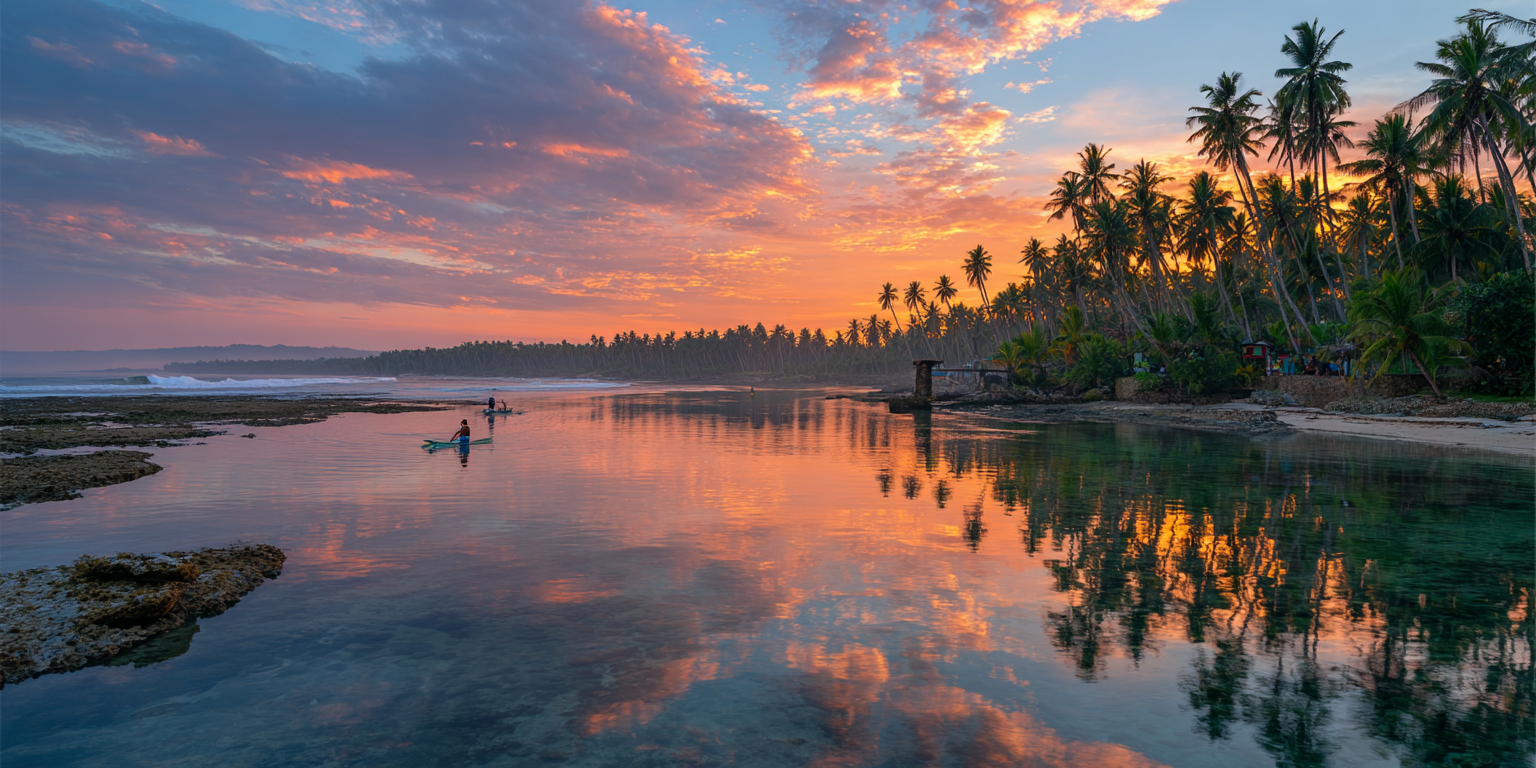
Most people arrive on a propeller plane from Cebu, landing at Siargao’s Sayak Airport (IAO). The view from the window is your first hint of what’s to come: a sprawling carpet of coconut palms, so dense that the island is often called the “Coconut Capital of the Philippines.” From the airport, a shared van ride to the main tourist hub of General Luna costs around 300 PHP. On the drive in, the island’s main artery, the Circumferential Road, revealed glimpses of coastal life, small sari-sari stores, kids playing basketball, and countless motorbikes with surfboard racks strapped to the side. A small bungalow a short walk from the main road, quiet and simple, costs around 1,500 PHP a night. The primary mode of transport here is a rented scooter, which gives you the freedom to explore at your own pace for about 350 PHP per day.
For most first timers the goal is simple: stand up on the board. Not just for a photo, but to feel that momentary glide that surfers describe with such reverence. Rather than the larger commercial surf camps, plenty of beginners walk down to the beach near the famous Jacking Horse break. This is the go-to spot for beginners, with gentle, rolling waves that break over a sandy bottom. It didn’t take long to find a local instructor. A guy named Marlo, with a sun-cracked smile and a patient demeanor, offered a one-on-one lesson for 500 PHP an hour, board rental included. This local, direct approach is a fantastic way to ensure your money directly supports the community.
The first 15 minutes were on the sand, practising the “pop-up” until your muscles protest. A good instructor is meticulous about foot placement and hand position. “Slow is smooth, and smooth is fast,” he repeated, a mantra that applies to both surfing and life on the island. In the water, the real challenge began. The first few attempts were a clumsy mix of swallowing saltwater and tumbling off the board. But Marlo’s instructions were constant and calm. They teach you to read the incoming sets, when to paddle, and precisely when to push up. For most people it clicks somewhere around the seventh or eighth try. You push up, find your footing for a fleeting three seconds, and ride a small wave toward the shore. It was exhilarating, a pure shot of adrenaline and accomplishment. This initial success is what makes learning to surf in Siargao so addictive.
Beyond the White Wash
The most profound part of the experience wasn’t just the surfing itself, but the conversations with Marlo between waves. He spoke about how the surf industry has transformed his village, bringing both opportunity and challenges. He pointed out the efforts of the Siargao Island Surfers Association (SISA) to organize competitions and support local talent. He also shared his concerns about waste management, a growing issue with the island’s popularity. This was a valuable piece of cultural immersion philippines; understanding the local perspective adds a depth to your visit that a simple beach holiday can’t offer.
Of course, not every moment was perfect. One of the main challenges for any visitor is respecting the local surf etiquette. The lineup at popular spots can be crowded, and knowing who has the right of way is crucial for safety and harmony. As a beginner, staying in designated areas like Jacking Horse is key. The biggest highlight, however, was a quiet morning session. Go out at dawn and for a while it is just you, an instructor, and a handful of other learners. The water was glassy, the sun was rising over the Pacific, and for a moment, the world felt incredibly simple and beautiful. A sunrise session is what tends to make the whole thing click.
Practical Tips for Your Surf Trip
If you’re planning a trip focused on learning to surf in Siargao Philippines, here are a few things to keep in mind:
- When to Go: While you can surf year-round, the beginner-friendly season is from March to May when the waves are smaller and the weather is generally dry. The main surf season with bigger swells is from August to November.
- What to Bring: Pack a rash guard for sun and chafe protection. Zinc sunscreen is essential for your face. While you can rent everything, having your own rash guard is more comfortable.
- Cash is King: While more places are starting to accept cards, many local instructors, small eateries (carinderias), and shops operate on a cash-only basis. There are ATMs in General Luna, but they can occasionally run out of money.
- Respect the Environment: Siargao’s ecosystem is fragile. Be mindful of your plastic consumption. Many cafes and shops encourage reusable water bottles and bags. A key part of the experience is leaving the island as beautiful as you found it. This focus on sustainability is one of the more unique travel experiences the island offers visitors a chance to participate in.
Siargao tends to be more than a holiday for people who learn here. It is a lesson in patience, respect, and the power of the ocean. It’s an island that invites you not just to visit, but to participate in its daily life, to connect with its people, and to find your own balance, both on and off the board. The question isn’t just whether you can learn to stand on a wave here, but what you’ll learn about yourself in the process.
More Philippines Destinations to Explore
Worth adding to a longer Philippines trip:
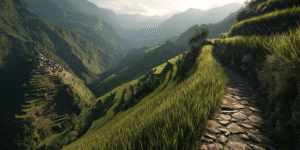
- Hiking the Banaue Rice Terraces: Trails, Guides and What to Expect
- Filipino Town Fiestas: What Happens and How to Join Respectfully
- Top Things to Do in Pagudpud
What Surf Lessons in Siargao Cost
Group lessons run roughly 500 to 800 PHP an hour including board hire, which is among the better value surf instruction anywhere.
Private lessons sit around 1,000 to 1,500 PHP an hour. Worth it for the first session or two, because one on one attention shortens the learning curve considerably.
Board rental alone is roughly 300 to 500 PHP an hour or 1,000 to 1,500 PHP for the day. Most people take lessons for the first few days then rent.
Boat transfers out to the reef breaks add roughly 1,500 to 2,500 PHP per boat, split between however many of you go.
Expect prices to rise in peak season from roughly August through November, when the swell is best and the island is full.
Which Break for Which Level
This matters more in Siargao than most places, because the wrong break as a beginner is genuinely dangerous.
Jacking Horse is the beginner break, a gentler reef wave near Cloud 9, and where almost every lesson happens. Forgiving enough to make mistakes on.
Quicksilver and Cemetery suit improving intermediates. Still reef, still consequences, but manageable.
Cloud 9 itself is an advanced wave over shallow, sharp reef. It has a serious reputation for a reason and is not somewhere to test yourself. Watch it from the boardwalk instead, which is a genuinely good way to spend an hour.
Secret Beach, Pacifico and Rock Island are further out and vary with conditions. Take local advice rather than a guidebook on the day.
Reef Safety and What to Wear
Siargao is reef, not sand. That is the single most important thing to internalise before your first paddle out.
Reef cuts are the standard injury and they infect fast in the tropics. Clean anything you pick up properly the same day with antiseptic, and do not let a cut go untreated overnight.
Reef booties are worth the roughly 500 to 1,000 PHP if you are surfing repeatedly. A rash guard protects against sun and board rash. Sunscreen that actually stays on, because you are in the water for hours near the equator.
Learn where the channel is before you paddle out, and follow someone who knows. Getting washed across reef because you took the wrong line in is how most beginner injuries happen.
Quick FAQ
How much do surf lessons in Siargao cost? Roughly 500 to 800 PHP an hour for a group lesson including board, and 1,000 to 1,500 PHP for a private lesson. Board rental alone is around 300 to 500 PHP an hour or 1,000 to 1,500 PHP for a day.
Can complete beginners learn to surf in Siargao? Yes. Jacking Horse near Cloud 9 is the beginner break and is where almost all lessons run. Avoid Cloud 9 itself, which breaks over shallow, sharp reef and is an advanced wave.
When is the best time to surf in Siargao? Roughly August through November brings the most consistent swell, which is also peak season for crowds and prices. Beginners often do better between December and March, when the waves are smaller.
Is surfing in Siargao dangerous? The breaks are over reef rather than sand, so falls carry more consequence than at a beach break. Reef cuts are common and infect quickly. Wear booties and a rash guard, and stick to the break that matches your level.
How long does it take to stand up? Most people get to their feet on a foam board within one to three lessons at Jacking Horse. Surfing an actual reef wave with any control takes considerably longer, and a week gets most beginners to a satisfying place.