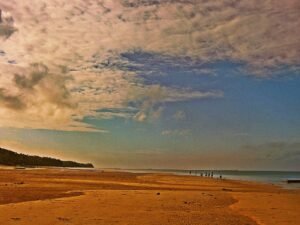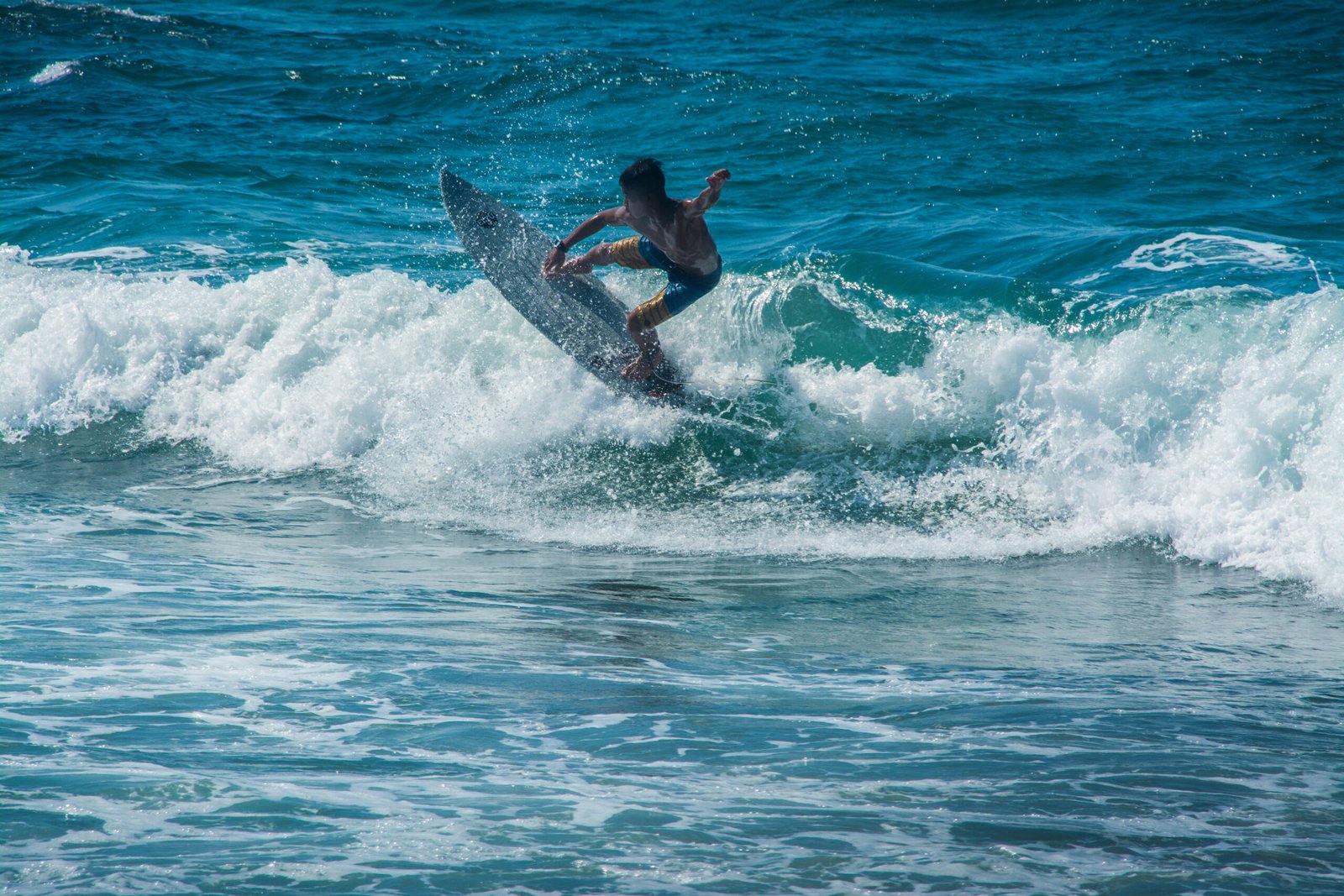

San Juan, La Union, is the destination that turned surfing into a mainstream weekend activity for Manila residents. Urbiztondo Beach, the main stretch here, has grown from a niche surf spot into the most popular surfing area in the Philippines, drawing everyone from complete beginners to competitive surfers, with a beach town atmosphere built entirely around the waves, the sunset and a steady stream of weekend visitors from the capital.
This guide covers the best things to do in San Juan, how to get there, when to visit, and what to budget.
Why San Juan Is Worth the Trip
San Juan built its reputation on genuinely good, consistent surf that suits a wide range of skill levels within a short stretch of coastline. Urbiztondo works for beginners, Monaliza Point offers a right hand break suited to intermediate surfers and has even hosted World Surf League events, and Carrile Point pushes into more advanced territory. Add a beach town packed with surf schools, casual restaurants and beachfront bars, and San Juan delivers a complete weekend escape built around one central activity without feeling like a one-note destination.
Getting to San Juan from Manila
- By bus: Direct buses operated by Partas and Viron Transit run from terminals in Cubao, Pasay and Sampaloc to San Fernando, La Union, with travel time running roughly 6 to 7 hours and fares in the range of 800 to 1,000 pesos.
- From San Fernando to San Juan Beach: Once you arrive in San Fernando, a short jeepney or tricycle ride of 10 to 15 minutes covers the final stretch to San Juan Beach.
- By private car: Driving gives more flexibility on timing and generally covers the same route north along the coast, with travel time comparable to the bus depending on traffic.
Top Things to Do in San Juan
1. Learn to Surf at Urbiztondo Beach
Urbiztondo is the beginner-friendly heart of the San Juan surf scene, with numerous surf schools offering lessons and board rentals right along the beach. The Bowl, a faster breaking section near Kahuna Beach Resort, adds a bit more challenge for those who have already found their feet, with steeper drops and occasional small barrels during the right conditions.
2. Surf Monaliza Point
A short walk north of the main beach, Monaliza Point offers a right hand point break that has hosted international competitive events, making it a step up for surfers with some experience looking for a more technical wave than the beginner-friendly beach break.
3. Push Further at Carrile Point
Carrile Point rounds out the surf options in the area with a more advanced wave suited to experienced surfers, giving San Juan a genuine range from complete beginner through competitive level within a short stretch of coast.
4. Watch the Sunset from a Beachfront Bar
The sunset in San Juan has become as much a part of the identity of the area as the surf itself, with beachfront bars and restaurants filling up in the late afternoon as the surfing for the day wraps up. This is less an individual activity and more the daily ritual that ties the whole town together, worth building into any evening regardless of how much time you spent in the water.
5. Explore Beyond the Beach
La Union beyond San Juan itself holds waterfalls and lighthouses worth a detour if you have extra time, giving the broader area more range than surfing alone. These sites generally require a short trip outside San Juan proper, so plan for extra time if you want to add one to your itinerary.
Best Time to Visit San Juan
October through March marks the peak surf season, with the north swell delivering consistent waves suited to both beginners and intermediate surfers. Outside this window, waves are generally smaller and less consistent, which can still work for beginner lessons but offers less for more experienced surfers looking for a real challenge.
What to Budget
- Bus from Manila: roughly 800 to 1,000 pesos each way
- Surf lessons: pricing varies by school and package, generally including board rental and an instructor for a set session length
- Board rental only: a lower cost option for those who already know how to surf
- Accommodation: San Juan has a wide range from budget hostels to higher end beachfront resorts, so pricing varies significantly by property
- Food: the beach strip has everything from inexpensive local eateries to more polished restaurants and cafes
Sample Itinerary
2 Days, 1 Night
Day one for arrival and an afternoon surf lesson at Urbiztondo, evening at a beachfront bar for sunset. Day two for a second surf session, ideally at a different break if your skill level allows, before heading back to Manila.
Practical Tips for San Juan
- Book accommodation ahead for weekend trips, since San Juan draws heavy crowds from Manila on Fridays and Saturdays.
- If you are new to surfing, start with a lesson at Urbiztondo rather than heading straight to Monaliza or Carrile, both of which suit more experienced surfers.
- Bring reef-safe sunscreen and reapply regularly, since a full day in the water and sun adds up quickly.
- Weekday trips offer a noticeably quieter version of San Juan if you would rather avoid the busiest crowds.
A Closer Look at the Surf Breaks
The three main breaks around San Juan each serve a different level of surfer, which is part of what makes the area work so well as a hub rather than a single-wave destination. The beach break at Urbiztondo is forgiving and consistent, ideal for lessons and repeated practice as you build confidence. Monaliza Point, with a more defined right hand break, rewards surfers who already understand how to read a wave and position themselves ahead of it, and its history hosting international competitions gives it a certain reputation among more serious surfers passing through. Carrile Point demands the most experience of the three, with a wave that punishes hesitation more than the gentler beach break at Urbiztondo.
The Beach Town Beyond Surfing
What keeps people coming back to San Juan is not purely the waves but the town that has grown up around them. A dense strip of surf schools, cafes, restaurants and bars now lines the beach road, catering as much to visitors who never plan to touch a board as to dedicated surfers. Yoga classes, beachfront massage services and a general slower pace of life have become part of the draw, particularly for visitors treating San Juan as a broader wellness and relaxation escape from Manila rather than purely a surf trip.
Plan Your Trip to San Juan La Union
Ready to book? Compare hotels and tours in San Juan La Union below.
- Search Hotels in San Juan La Union on Booking.com
- Compare Hotels in San Juan La Union on Agoda
- Find Tours and Activities in San Juan La Union on Klook
- Book Tours in San Juan La Union on GetYourGuide
Booking through these links may earn us a small commission at no extra cost to you.
More San Juan La Union Guides
Planning the rest of your trip? Check out our full travel guide for logistics, costs and practical tips.
Quick FAQ
How many days do you need in San Juan?
Two days covers a couple of surf sessions and the general beach town atmosphere. A single day trip is possible but rushed given the 6 to 7 hour travel time from Manila each way.
Do you need surfing experience to visit San Juan?
No. Urbiztondo Beach is specifically known as a beginner-friendly break with numerous surf schools offering lessons for first timers.
How do you get to San Juan from Manila?
Direct buses from Cubao, Pasay or Sampaloc terminals to San Fernando take roughly 6 to 7 hours, followed by a short jeepney or tricycle ride to San Juan Beach.
What is the best time to visit San Juan for surfing?
October through March, during the north swell season, offers the most consistent waves for both beginner and intermediate surfers.
Is San Juan crowded on weekends?
Yes, it draws heavy weekend traffic from Manila, so book accommodation ahead and consider a weekday visit if you prefer a quieter experience.