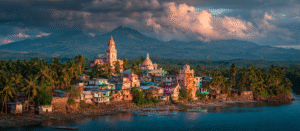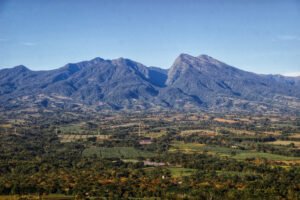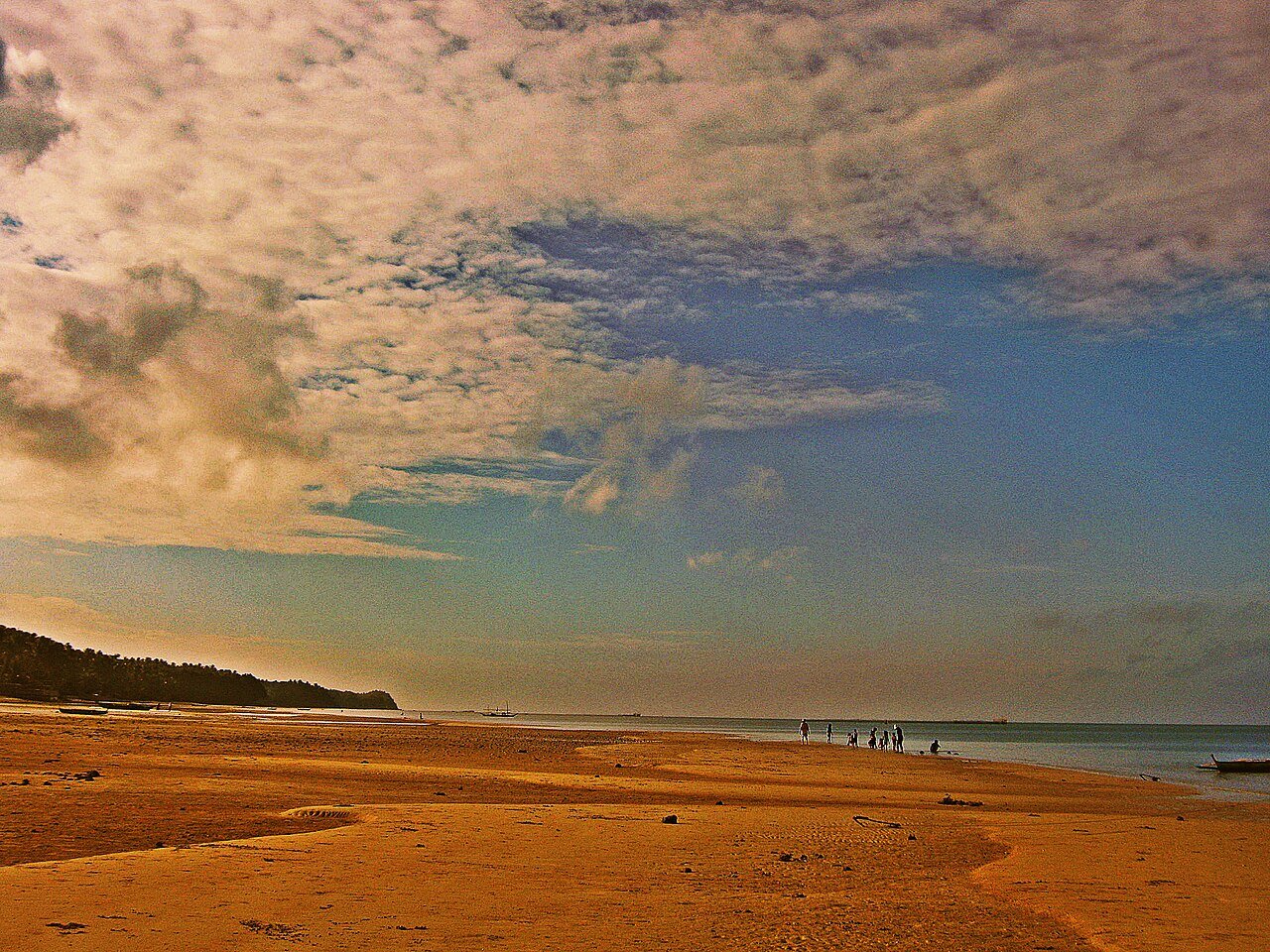

Masbate sits in the middle of the Philippines, an island province in the Bicol region better known for cattle than beaches, though it has both. Rolling grasslands and working ranches give it the nickname Rodeo Capital of the Philippines, while the waters around Ticao Island connect to one of the country best whale shark migration corridors. It stays well off the typical itinerary, which makes it one of the quieter, more authentic stops in the region.
Whale Sharks and Diving at Ticao Pass
Ticao Pass, the channel between Ticao Island and Sorsogon Donsol town, sees whale sharks known locally as butanding gather to feed on plankton from roughly December through May, with peak sightings February through April. The famous snorkel encounters run out of Donsol on the Sorsogon side, but Ticao Island itself offers something different: scuba diving at Manta Bowl, a site known for manta ray passes, whale shark cleaning stations, and strong drift dives through pelagic waters. Many operators pair a Donsol whale shark morning with a Ticao Island diving trip, making the two destinations a natural combination.
Buntod Reef Marine Sanctuary and Sandbar
Just a short boat ride from Masbate City, Buntod Reef protects roughly 250 hectares of marine habitat, including a long white sandbar that emerges at low tide, mangrove stands, seagrass beds, and coral reef considered among the most resilient in the country. Boats leave from Rendezvous Beach Resort and take about 20 minutes to reach the sanctuary. Visitors come for swimming, snorkeling, birdwatching, and simply watching the sandbar appear and disappear with the tide.
Ticao and Burias Islands
Beyond the dive sites, Ticao Island has its own island hopping circuit, including Catandayagan Falls, a waterfall that drops directly into the sea, and Halea Nature Park. Burias Island, part of San Pascual municipality, sits further off the beaten path, with unspoiled white sand beaches and a scatter of nearby islets, including Sombrero Island, Tinalisayan Island and Sandbar, and Animasola Island. For a change of pace, Kalanay Cave in Aroroy on the province northwest coast holds archaeological significance for its Iron Age burial jar finds, and Mandaon offers quieter nature spots near Batongan Underground River.
Cattle Ranches and the Rodeo Masbateño Festival
Masbate grasslands support what is often called the country cattle capital, and that pastoral identity is not just a marketing line. Sese Brahmans Ranch and Farm in San Juan, Mandaon, about an hour from Masbate City, welcomes visitors for horseback tours through pastureland, close encounters with livestock, and meals at a rooftop viewdeck, typically arranged through the Provincial or Masbate City Tourism Office. That same ranching heritage peaks every second week of April, when Masbate City hosts the Rodeo Masbateño Festival, featuring real rodeo events like bull riding, calf roping, and horse racing alongside street dancing, cultural shows, and a beauty pageant. First launched in 1993 and formalized by Executive Order No. 120 in 2002, it is the event that earned the province its official Rodeo Capital title.
Getting There and Best Time to Visit
Masbate City has its own airport, with CebGo flights from Manila taking about an hour and thirty five minutes and flights from Cebu running a few times a week. The ferry route works too: fly to Legazpi, take a bus or van to Pilar Port in Sorsogon, then cross by ferry to Masbate City in roughly two hours. A direct Cebu to Masbate ferry also runs a couple of times weekly, though the trip takes around twelve hours. February through April is the sweet spot for a visit, overlapping whale shark season and the Rodeo Festival while avoiding the wetter months.
Plan Your Trip to Masbate
Ready to book? Compare hotels and tours in Masbate below.
- Search Hotels in Masbate on Booking.com
- Compare Hotels in Masbate on Agoda
- Find Tours and Activities in Masbate on Klook
- Book Tours in Masbate on GetYourGuide
Best Time to Visit Masbate
If you only plan one thing carefully, make it timing, because Masbate rewards it more than most Philippine provinces. The dry stretch runs roughly February to May, and that is when the sea is calmest, the ferries run reliably and the island crossings to Ticao and Burias are pleasant rather than a test of your stomach. March and April are the sweet spot.
Two things pull against each other here. The Rodeo Masbateño festival lands in April, usually in the second week, and it is the single most distinctive thing the province does. But April is also the hottest month and rooms in Masbate City get scarce and pricier during rodeo week, so book well ahead or accept staying further out. If you want the province quiet, come in February or early March instead.
For divers, the calculation is different again. Manta Bowl in the Ticao Pass is the reason serious divers come to Masbate at all, and manta sightings are generally best from around December through May, with the tail of that window overlapping nicely with the calm seas. Outside it, you can still dive, but you are gambling.
Avoid the late months if you can. Masbate sits in the Bicol Region, which is one of the most typhoon exposed parts of the country, and roughly July through November brings both storms and the sea conditions that cancel inter island boats without much warning. A cancelled crossing here does not mean a two hour delay, it can mean losing a day.
Getting to Masbate: Flights and Ferries
Flying is the painless option. Moises R. Espinosa Airport sits right beside Masbate City, close enough that a tricycle into town costs very little and takes minutes. Carriers run flights from Manila, though the schedule is thin and routes have a habit of being seasonal, so check current timetables rather than assuming daily service.
By sea, the usual approach is from Sorsogon on the Bicol mainland. Boats run from Pilar and from Bulan across to Masbate City and to Ticao, taking somewhere in the region of two to three hours depending on the route and the boat. There are also longer connections from Cebu. Fares are modest, generally in the low hundreds of pesos for the Sorsogon crossings, but sailing times shift with the weather and small operators cancel late.
The practical advice is to build a buffer day if you have a flight out of Manila to catch. People get stranded on Ticao far more often than they expect, and the ferry timetable is a suggestion rather than a contract.
Where to Stay in Masbate
Masbate City has the bulk of the province’s rooms, and standards are functional rather than exciting. Budget guesthouses and pension houses run somewhere around 700 to 1,200 PHP a night for a clean air conditioned double. Mid range hotels in the city sit roughly around 1,500 to 2,500 PHP. There is not really a luxury tier here, and anything advertised as such is a comfortable business hotel by Manila standards.
On Ticao Island the picture changes. A small number of dive focused resorts and lodges cluster near the Manta Bowl access points, and these are often priced as packages including boats and dives rather than room only, so comparing them against city rates is misleading. Expect to pay considerably more per night than in Masbate City, but you are buying the location.
Burias is the least developed of the three and homestay arrangements are common. If you are heading there, arrange it in advance through a tour operator rather than turning up hoping to find something.
What a Trip to Masbate Really Costs
This is a cheap province because almost nobody visits it. A simple local meal runs roughly 80 to 150 PHP, and a proper sit down dinner in Masbate City maybe 250 to 400 PHP. Tricycles around the city are around 15 to 30 PHP for short shared hops.
The costs that actually matter are boats. A day boat out to Buntod Reef and the sandbar typically runs somewhere around 1,500 to 2,500 PHP for the whole boat, which is excellent value split between four or five people and painful if you are solo. Island hopping around Ticao or Burias on a chartered banca lands in a similar or higher range depending on distance and fuel. Diving at Manta Bowl is the big line item, generally several thousand pesos for a two dive day trip once boats and gear are counted.
Realistically, a couple travelling for three days and doing one boat day each should budget somewhere around 3,000 to 4,500 PHP per person excluding accommodation and flights. Solo travellers should expect that number to rise sharply unless you find people to share boats with, which is genuinely hard here because the visitor numbers are so low.
Is Masbate Safe for Tourists?
Yes, in the ordinary sense. Masbate is a quiet agricultural and fishing province and crime against visitors is rare, mostly because there are so few visitors to target. You will be a curiosity. People will ask what you are doing there, and they will mean it literally.
The genuine risks are practical rather than criminal. Small boats are the main one: life vests are not always offered, and captains under pressure to earn will sometimes sail in conditions they should not. You are entitled to refuse a crossing that looks wrong, and you should. Road conditions outside the city are variable and habal habal motorbikes are the usual transport on rougher routes, generally without helmets. Medical facilities are limited, and anything serious means a flight or long boat to Manila or Cebu, which is worth knowing before you book a dive heavy trip.
Masbate has historically had a reputation for local political violence around election periods, as several rural Philippine provinces do. It has essentially never touched tourists, but if you are travelling during a national or local election it is sensible to stay out of rallies and crowds, which is good advice anywhere.
What to Skip in Masbate
Honest ones, because Masbate is easy to oversell. Masbate City itself is not a sight. It is a functional provincial capital with a decent market and a waterfront, and if you have set aside a day to explore the city you have set aside too long. Treat it as a base and a transit point.
Skip Masbate entirely if your window is the rainy back half of the year and your trip depends on getting to Ticao. The whole point of the province is what is offshore, and if the boats are not running you have travelled a long way to sit in a pension house watching rain.
And skip the rodeo if you dislike crowds or have strong feelings about animal handling in rodeo events. It is a genuine local tradition and the town enjoys it enormously, but it is a rodeo, and it will not suit everyone. Going in expecting a gentle agricultural fair is a mistake.
Plan the Rest of Your Trip
Masbate works best stitched into a wider Bicol or Visayas run. If you are coming through the Bicol mainland, our guide to things to do in Legazpi covers the Mayon side, and the Masbate travel guide goes deeper on practicalities. For other quiet island provinces with the same low visitor numbers, see things to do in Dinagat Islands, and if you want an easier first island, compare it with Camiguin.
Quick FAQ
What is the best time to visit Masbate? February to May, with March and April calmest for boats. The Rodeo Masbateño festival falls in April, usually the second week, which is the most interesting time to come but also the hottest and busiest. Manta sightings at Manta Bowl are generally best from around December to May.
How do you get to Masbate? Fly into Moises R. Espinosa Airport beside Masbate City from Manila, or take a ferry from Pilar or Bulan in Sorsogon, which takes roughly two to three hours. There are also longer connections from Cebu. Build in a buffer day, because crossings get cancelled.
Is Masbate safe for tourists? Yes in the ordinary sense. Crime against visitors is rare. The real risks are small boats without life vests, habal habal motorbikes without helmets, and limited medical facilities. Refuse any crossing that looks wrong in bad weather.
Is Masbate worth visiting? If you dive or you actively want somewhere with almost no other tourists, yes. Manta Bowl, Buntod Reef and the Ticao coastline are the draw. If you want beach resorts and easy logistics, there are better choices in the Philippines.
How much does a trip to Masbate cost? Meals run roughly 80 to 150 PHP locally, budget rooms around 700 to 1,200 PHP a night, and a chartered day boat around 1,500 to 2,500 PHP for the whole boat. Budget roughly 3,000 to 4,500 PHP per person for three days excluding rooms and flights, more if travelling solo.
What is Masbate famous for? Cattle ranching and the Rodeo Masbateño, which is why it is called the rodeo capital of the Philippines, and Manta Bowl in the Ticao Pass, one of the few reliable places in the country to see manta rays.