
San Pablo City sits at the heart of Laguna province and carries a nickname few cities can match: the City of Seven Lakes. While the wider Laguna region spreads its lake cluster across several municipalities, San Pablo itself is the natural base for exploring them, anchored by Sampaloc Lake right in the city center and a historic downtown that rewards a slower look. This guide focuses on what makes San Pablo worth a stop in its own right, from the lake at its doorstep to the food that put the city on the culinary map.
Sampaloc Lake, the Citys Own Backyard
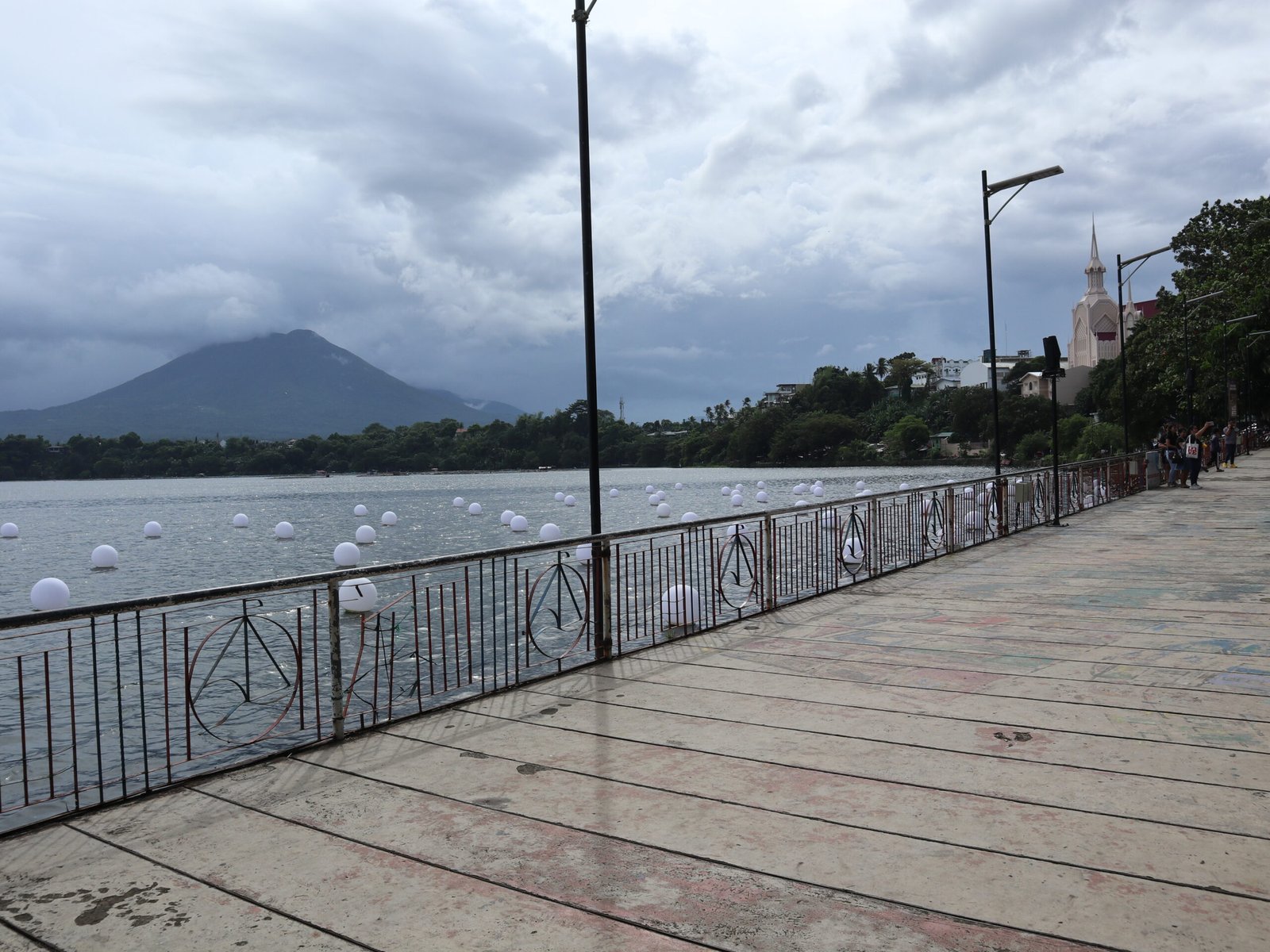
Unlike the other six lakes scattered through outlying barangays, Sampaloc Lake sits directly in the city center, making it the easiest and most walkable of the seven to reach. A paved 3.7 kilometer road circles the entire lake, drawing joggers, walkers and cyclists especially in the cooler hours of early morning and late afternoon, with mature trees providing shade along most of the route.
Lakeside restaurants stay open into the evening, generally until around 8 p.m., while food stalls along the boardwalk sell barbecue, isaw, hotdog on a stick, chicken feet and hot coffee for a cheap, casual meal with a view. For a closer look at the water, rent a bamboo raft, locally called a balsa, for about 200 pesos per half hour, or a pedal boat for roughly 50 pesos per person. A small floating market operates on the lake as well, with vendors selling produce, handicrafts and snacks straight from their boats. The lakeside staircase and promenade area is one of the better spots in the city for photos, particularly with Mount Banahaw visible across the water on a clear day.
Where to Eat: San Pablo Food Specialties
San Pablo calls itself the espasol capital of the Philippines, and the claim is hard to argue with once you try it fresh. Espasol is a cylindrical rice cake made from coconut milk and rice flour, coated in toasted rice powder, with a texture and flavor distinct from mochi or tikoy. Look for it sold by the dozen from home based producers and roadside stalls throughout the city.
Turon, the banana and jackfruit spring roll fried until the sugar caramelizes on the outside, is another local favorite worth seeking out, alongside a rich ube chiffon cake sold in several bakeries downtown. Longganisang San Pablo, a sweet caramelized pork sausage, is a good pasalubong option, and pinayti, pounded lake shrimp cooked in coconut milk, showcases the citys lake produce directly on the plate. Sun dried salted biya, a small goby fish harvested from the lakes, pairs well with kesong puti, the soft white cheese made from carabao milk that Laguna is known for across the province. Given the citys long standing coconut industry, coconut based pasalubong items are sold everywhere, from coconut candy to coconut oil and coconut vinegar.
San Pablo Cathedral and the Historic City Center
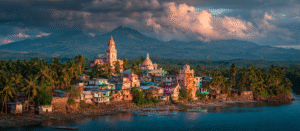
San Pablo Cathedral anchors the downtown plaza and dates back to 1714, built from adobe in a Romanesque style and restored after suffering damage in World War II. The plaza around it hosts markets and festivals throughout the year and makes a good starting point for exploring the city on foot. Nearby, the Fule Malvar Mansion offers a glimpse into the citys ancestral house heritage, while the old Municipio building and City Hall sit within easy walking distance. Doña Leonila Park provides a smaller, quieter green space for a break between stops.
The San Pablo Public Market, close to the plaza, is worth a walk through even if you are not buying anything. Stalls sell fresh produce, fish straight from the lakes, and local snacks in a setting that feels far more lived in than a curated tourist market, giving a genuine sense of daily life in the city.
Using San Pablo as Your Base for the Rural Seven Lakes
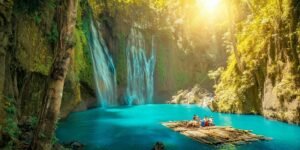
San Pablo is the practical jump off point for reaching the more rural lakes in the seven lakes cluster, particularly Pandin and Yambo, which are best visited together on a guided raft tour. From the terminal area near San Pablo Cathedral, jeepneys bound for Rizal, Nagcarlan or Liliw pass the Pandin jump off; tell the driver you are headed to Pandin and expect a fare of around 20 to 30 pesos, followed by a 15 minute walk to the lake itself. A tricycle special trip runs roughly 150 to 250 pesos one way, while a habal-habal motorcycle ride costs about 50 pesos per person. Bunot Lake is even closer, just 4.5 kilometers from the city proper in Barangay Concepcion, making it an easy half day addition if Pandin and Yambo do not fill your schedule.
Staging Point for Mount Banahaw and Mount Makiling
San Pablo also functions as a convenient staging area for hikers heading to Mount Banahaw. Most travelers gather at SM San Pablo along Maharlika Highway before arranging a rented jeep to the Kinabuhayan jump off in Dolores, Quezon, one of the more established trailheads on the mountain. Mount Makiling is reachable as well through routes that pass San Pablo on the way toward Los Baños and the Laguna-Batangas border, making the city a useful base if you plan to combine a lake visit with a hike on the same trip.
Getting to San Pablo
San Pablo City is about 85 kilometers from Manila, roughly a two to two and a half hour drive depending on traffic on the South Luzon Expressway. By bus, operators including DLTB, JAC Liner and JAM Liner run routes from Cubao, Buendia or Pasay, as well as from PITX, with a travel time of about two hours and 26 minutes and fares around 180 to 205 pesos. Buses drop passengers at SM San Pablo on Maharlika Highway, where tricycles are available to reach the lake, the downtown plaza or any other point in the city.
Plan Your Trip to San Pablo
Ready to book? Compare hotels and tours in San Pablo below.
- Search Hotels in San Pablo on Booking.com
- Compare Hotels in San Pablo on Agoda
- Find Tours and Activities in San Pablo on Klook
- Book Tours in San Pablo on GetYourGuide
Booking through these links may earn us a small commission at no extra cost to you.
More San Pablo Guides
Planning the rest of your trip? Check out our full travel guide for logistics, costs and practical tips.
Quick FAQ
Is Sampaloc Lake worth visiting if I have already seen Pandin and Yambo?
Yes. Sampaloc Lake offers a completely different experience, a city center lake with a jogging path, restaurants and a floating market, rather than the quiet rural rafting trip that Pandin and Yambo provide. Many visitors enjoy both for the contrast.
How many days should I plan for San Pablo?
One full day covers Sampaloc Lake, the downtown plaza and a food stop, while two days allow time to add a Pandin and Yambo raft tour or a Mount Banahaw hike without rushing.
What is the best time to visit Sampaloc Lake?
Early morning and late afternoon are best, when the temperature is cooler and the light is better for photos, and when the jogging path around the lake is busiest with locals.
Can I do a Seven Lakes day trip from Manila?
It is possible but tight. A day trip typically means picking either Sampaloc Lake in the city or a single rural lake like Pandin, since travel time and the raft tour itself can take up most of a day on their own.
What should I try to eat in San Pablo before leaving?
Espasol is the signature item to bring home, alongside turon and Longganisang San Pablo, while pinayti and dried biya with kesong puti are worth trying for a meal while you are in the city.