
Bukidnon sits on a highland plateau in the middle of Mindanao, and the elevation changes everything. While the coastal provinces around it swelter, Bukidnon stays cool, misty, and green, with pine forests, cattle ranches, and pineapple fields spreading across rolling hills. Locals call it the Land of Promise, and for travelers looking for cooler air, serious mountain trekking, and a slower highland pace, it delivers on that name.
Dahilayan Adventure Park
Dahilayan, in Manolo Fortich, sits about 4,700 feet above sea level at the foot of Mount Kitanglad, wrapped in pine forest with a climate that stays cool and misty year round. It is home to one of Asia longest dual ziplines, plus ATV rides, horseback riding, and rope courses. We have covered the ride in detail in a separate personal account, including prices and what to expect, so head to our Dahilayan ziplining guide for the full rundown before you go.
Mount Kitanglad Range Natural Park
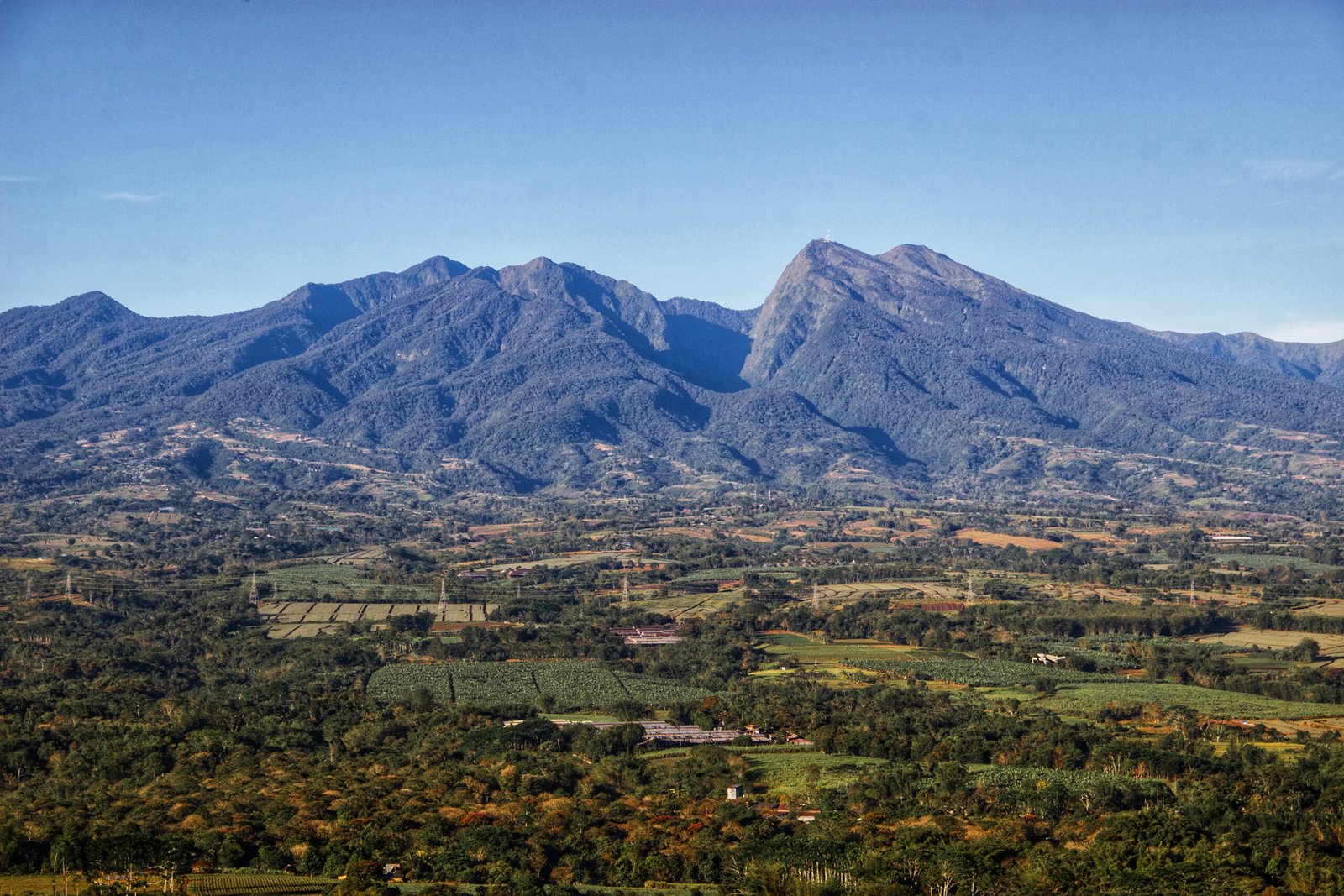
This is not a casual afternoon hike. Mount Kitanglad Range Natural Park protects over 47,000 hectares and holds ASEAN Heritage Park status, and its peak system ranks as the fourth highest in the Philippines, with the neighboring summit of Dulang Dulang coming in as the second highest overall. The range moves through six habitat zones, from lowland forest up through montane and mossy forest into grassland and wetland, and it shelters endemic wildlife including the Philippine eagle and the Philippine brown deer. Serious trekkers plan for a three to five day summit trek, and since the mountain is ancestral domain of the Talaandig and Bukidnon peoples, permits and local guides are required rather than optional.
Lake Apo in Valencia City
Lake Apo is a crater lake in Barangay Guinoyoran, sitting at roughly 640 meters elevation and reaching depths of about 26 meters. It is often cited as the cleanest inland body of water in Northern Mindanao, and the setting backs that up: still, dark green water ringed by forest. Visitors swim, kayak, fish, and camp along the shore, and entrance runs a small fee, with the site open daily from morning to early evening.
Monastery of the Transfiguration in Malaybalay
The capital standout landmark is the Monastery of the Transfiguration, a Benedictine complex whose pyramid shaped church was designed by National Artist Leandro Locsin and completed in the 1990s. It draws pilgrims year round, especially during Holy Week, and the monks grow and sell their own coffee blend from farms on the property, which makes for a good souvenir stop alongside the visit.
Del Monte Pineapple Fields
The Del Monte plantation at Camp Phillips in Manolo Fortich has been growing pineapple since the 1920s and now spans thousands of hectares, with Mount Kitanglad rising in the background. No permit is needed to view the fields from the public road, and the giant pineapple statue landmark is a popular photo stop. Day trips from Cagayan de Oro cover the distance in under an hour, making it an easy add on to a Bukidnon itinerary.
Highland Climate and the Kaamulan Festival
Much of Bukidnon sits at 300 to 900 meters or higher, which keeps average temperatures around 20 to 25 degrees Celsius and drops nights into the mid teens during December through February. That climate is the backbone of the province identity as the food basket of Mindanao, with vegetables, pineapple, and other highland crops thriving where lowland heat would not allow it. In Impasugong, Panimahawa Ridge has become a popular overnight camping spot for its wide viewpoint over the surrounding hills. And each year from mid February through March 10, Malaybalay hosts the Kaamulan Festival, a celebration of the province seven indigenous groups built around street dancing and a float parade at the Capitol Grounds, timed to the province founding anniversary.
Getting There and Best Time to Visit
From Cagayan de Oro, buses leave the Agora Terminal for Malaybalay roughly every two hours and take about two hours, while Dahilayan is closer, under an hour away. From Davao City, expect a three to five hour trip to Malaybalay via the Sayre Highway. Dry season from November through April is the best window, with December through February bringing the coolest air and March through April offering the clearest skies for hiking and sightseeing.
Plan Your Trip to Bukidnon
Ready to book? Compare hotels and tours in Bukidnon below.
- Search Hotels in Bukidnon on Booking.com
- Compare Hotels in Bukidnon on Agoda
- Find Tours and Activities in Bukidnon on Klook
- Book Tours in Bukidnon on GetYourGuide
Quick FAQ
Do I need a permit to hike Mount Kitanglad?
Yes. Mount Kitanglad Range Natural Park requires a permit and a local guide, since the mountain is protected land and ancestral domain of the Talaandig and Bukidnon peoples. Arrange this through the park office or a local trekking operator before you go.
How cold does it get in Bukidnon?
Average temperatures run 20 to 25 degrees Celsius, and nights in December through February can drop into the mid teens, especially in higher spots like Dahilayan and Impasugong. Pack a jacket even if you are coming from tropical lowlands.
Can I visit Dahilayan and Lake Apo in the same trip?
Yes, though they sit in different parts of the province. Dahilayan is in Manolo Fortich in the north, while Lake Apo is in Valencia City further south near Malaybalay. Most visitors base themselves in Malaybalay and take day trips to each.
Is the Del Monte pineapple plantation open to visitors?
The fields can be viewed freely from the public road with no permit required, and the giant pineapple landmark at Camp Phillips is a popular photo stop. There is no formal visitor center or guided tour of the working plantation itself.
When is the Kaamulan Festival?
It runs from mid February through March 10 each year in Malaybalay, culminating on the province founding anniversary with street dancing and a float parade celebrating the seven indigenous groups of Bukidnon.
You Might Also Like
- Bukidnon Travel Guide: What to Know Before You Go
- Top Things to Do in Agusan del Norte: Balangay Boats and Butuan
- Top Things to Do in Agusan del Sur: The Marsh and the Falls
For practical details on getting there and where to stay, see our Bukidnon Travel Guide.