
Is Basilan safe for tourists? The honest answer in 2026 is that the security situation has improved dramatically, foreign governments still advise against going, and those two facts are both true at once. This is not a question with a clean yes or no, and anyone giving you one is simplifying.
Basilan sits at the northern end of the Sulu Archipelago, off the tip of the Zamboanga Peninsula. For three decades it was synonymous with the Abu Sayyaf Group and kidnap for ransom. That era has genuinely ended in an official sense. Whether that makes it a place to spend your holiday is a separate question, and this article lays out both sides so you can decide rather than be told.
The Short Answer
For leisure travel, no, not yet. The United States, United Kingdom, Australian and Canadian governments all continue to place Basilan in their highest risk category, generally advising against all travel, citing terrorism, kidnapping and clashes between security forces and armed groups. Travel insurance will typically not cover you in a do not travel zone, which is a practical consequence people forget.
For travel with a specific purpose, whether family, business, faith or development work, it is being done routinely and safely, particularly in Isabela City and Lamitan. Thousands of Filipinos move around the island every day without incident.
The gap between the advisories and the situation on the ground is real. Advisories lag, and they are written for worst case liability rather than typical experience. But they are not arbitrary either, and the kidnapping history specifically targeted Western nationals, which is why the warnings are pitched where they are.
What Actually Changed: The ASG Declarations
This is the part most safety articles miss, and it is the strongest evidence that things have shifted.
On 30 September 2024, Isabela City was formally declared free of Abu Sayyaf presence at a ceremony at the Isabela City Civic and Cultural Center, attended by senior military and police officials and local leaders. Mayor Sitti Djalia Turabin Hataman described it as an achievement 33 years in the making.
In December 2024 the military reported that the last four known Abu Sayyaf members in the province had surrendered, on 26 December.
Then on 10 June 2025, the entire province of Basilan was officially declared free from the influence of the Abu Sayyaf Group at a ceremony in Sta. Clara, Lamitan City. That declaration rests on Resolution No. 01, Series of 2025, passed unanimously at a joint meeting of the Provincial Peace and Order Council and the Provincial Anti Drug Abuse Council in February 2025.
Two caveats worth holding onto. An ASG free declaration addresses one organisation, not all armed groups or all crime, and other actors including Bangsamoro Islamic Freedom Fighters affiliates and clan feuds operate in parts of the wider region. And declarations are political as well as factual, made by officials with reason to signal progress. They are meaningful, not absolute.
Isabela City Versus the Rest of Basilan
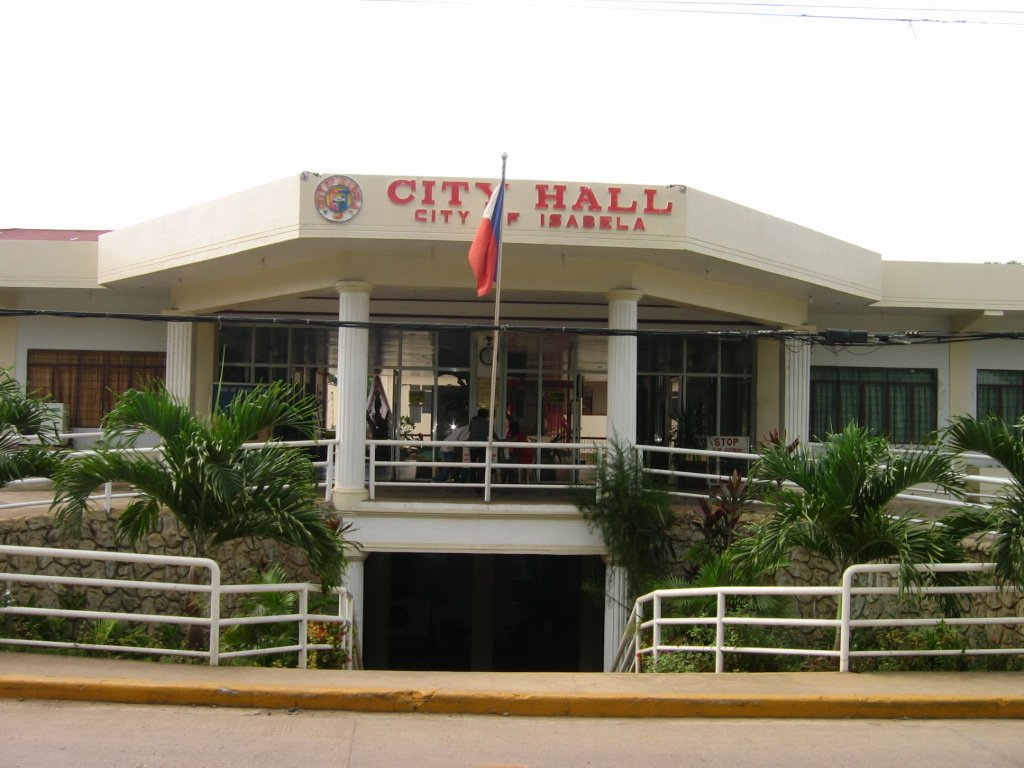
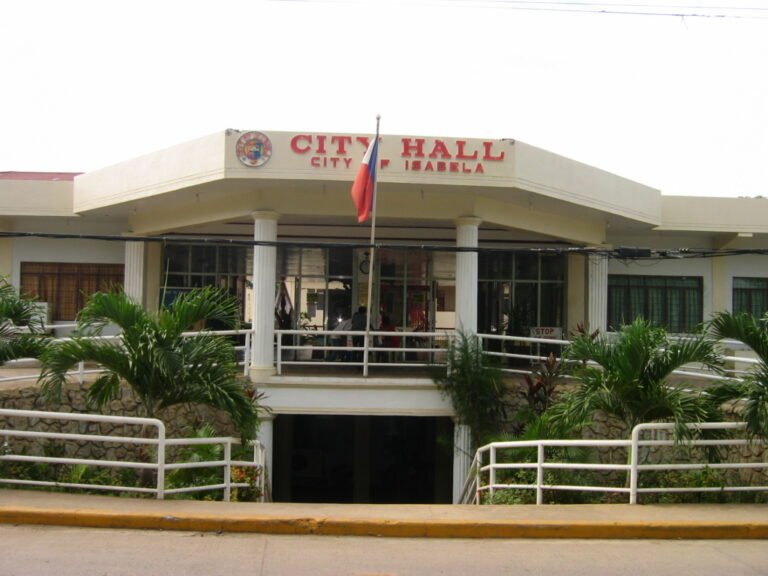
The single most useful distinction on this island. Isabela City is a chartered city administratively attached to Zamboanga Peninsula rather than to the Bangsamoro Autonomous Region, unlike the rest of the province. It has always been the most secure and most governed part of Basilan, and it was the first area declared ASG free.
Lamitan City, the provincial capital, is the second most settled area and has an established annual Lami Lamihan festival that draws domestic visitors.
The interior municipalities, Sumisip, Tipo Tipo, Al Barka, Ungkaya Pukan and Tabuan Lasa among them, are a different proposition. These are the areas where the historical conflict was concentrated, where road access thins and where military operations have taken place. There is no tourist reason to enter them and independent travel there is unwise regardless of any declaration.
What International Advisories Currently Say
Consistently, do not travel. The specific risks named are terrorism, kidnap for ransom, violent crime and armed clashes. Some advisories extend the warning to sea travel in the Sulu and Celebes Seas because of maritime kidnapping history.
Two practical implications. First, most travel insurance policies void cover in a do not travel area, so a medical evacuation would be on you. Second, some embassies will have limited capacity to assist you there, and will say so plainly if you ask.
If you are a foreign national considering this, contact your embassy before you go rather than after. They will not stop you and the conversation is genuinely useful.
The Kidnapping Risk in Plain Terms
Being direct, because vagueness here does nobody any favours. For roughly two decades, Abu Sayyaf and affiliated groups ran a kidnap for ransom business that specifically prioritised Western nationals, with demands reaching very large sums, and a number of hostages were killed. Basilan and Sulu were the operational heartland.
That capability has been substantially dismantled, and there have been no such incidents in Basilan in the recent period. But the reason foreign advisories are slow to soften is that the risk was never about random street crime, it was about targeted abduction of exactly the kind of person reading a travel article in English.
The honest read: the probability today is low and the consequence remains severe. How you weigh that is personal, and it is a reasonable basis for deciding not to go.
If You Have a Real Reason to Go
Practical precautions that people who work there actually use:
- Base yourself in Isabela City or Lamitan. Do not travel into the interior municipalities.
- Go through local contacts. Arrive with someone expecting you, not as an unannounced independent traveller.
- Coordinate with the local police or military if you are a foreign national. This is normal here, not paranoid, and they may offer or require an escort.
- Keep your movements unpredictable and your schedule off social media. Do not post your location in real time.
- Travel in daylight only, and do not use small boats between islands.
- Dress modestly. Basilan is predominantly Muslim and conservative.
- Register with your embassy before travelling.
How to Get to Basilan
Access is through Zamboanga City, which has an airport with Manila and Cebu flights. From Zamboanga, fast craft run to Isabela City in roughly 45 minutes to an hour, with fares typically around PHP 200 to 400, and slower RoRo ferries take about 2 hours and carry vehicles.
Sailings are morning and early afternoon. There is no reliable late service, so plan to arrive with daylight to spare. Ferries are suspended in rough weather and during storm signals, which happens often enough that you should not book a tight onward connection.
One note: Zamboanga City itself carries elevated advisories, and you cannot reach Basilan without passing through it. Factor that leg into your decision rather than treating it as neutral transit.
What Is Actually There
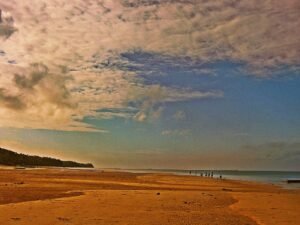
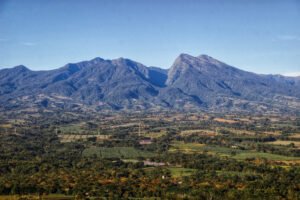
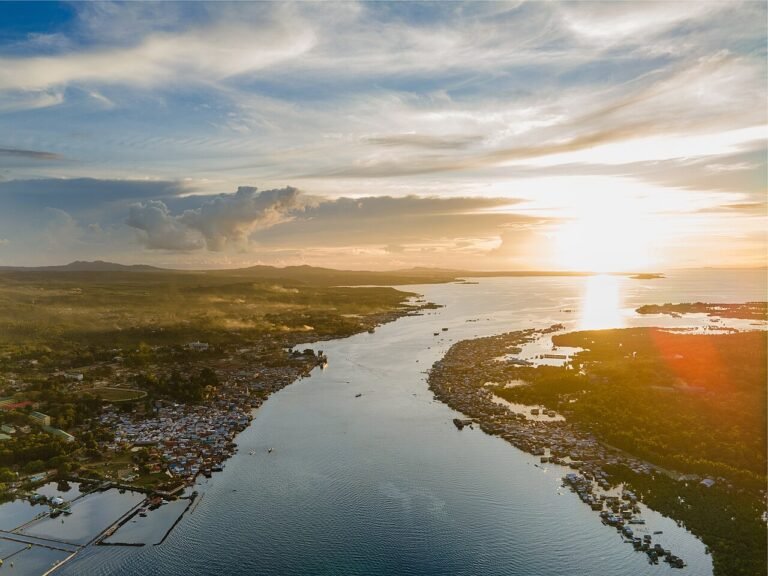
Worth saying, because the security discussion tends to crowd it out. Basilan is mountainous, heavily forested and genuinely beautiful, with rubber and palm plantations across the interior and reefs offshore. The Yakan people are the dominant indigenous group and Yakan weaving, with its dense geometric patterns, is among the most distinctive textile traditions in the Philippines.
Lamitan’s Lami Lamihan festival in June is the main cultural event. There are waterfalls and beaches with effectively no visitors at all. The food is Tausug and Yakan influenced, with more chilli and coconut than Luzon cooking.
It is, objectively, an interesting place. The reason people do not go is not that there is nothing to see.
Realistic Costs
Basilan is inexpensive because there is no tourist economy to inflate prices. Accommodation in Isabela City and Lamitan is basic, roughly PHP 700 to 1,800 for a simple aircon room, with nothing above that tier. Meals at local eateries run PHP 70 to 150. Tricycles within town are PHP 15 to 30.
The ferry from Zamboanga is roughly PHP 200 to 400 each way. Budget around PHP 1,200 to 2,000 per person per day all in.
The cost you should actually price is insurance, which likely will not cover you here at all.
Better Alternatives If You Want This Region
If what draws you is Muslim Mindanao culture, Yakan and Tausug weaving, or simply somewhere with no other tourists, there are places that deliver most of that without the advisory problem.
Zamboanga City has the vinta sailboats, Yakan weaving village and Great Santa Cruz Island, and while it carries its own cautions they are lower than Basilan’s. Further afield, Maguindanao and Sultan Kudarat have similar cultural depth with a calmer picture, and Bukidnon offers upland Mindanao with no security concern worth mentioning.
None of that is a reason to pretend Basilan is closed forever. The trajectory is clearly positive and a few years of continued calm could change these advisories entirely.
Getting Around Isabela City and Lamitan
Within Isabela City, tricycles cover everything for around PHP 15 to 30 and the centre is walkable in the daytime. Lamitan is similar in scale. Between the two, jeepneys and vans run the coastal road in roughly an hour for about PHP 80 to 150.
That coastal road is the only route you should be using. Roads heading inland from it lead into the municipalities covered above, and a wrong turn in a hired vehicle is the most likely way a well intentioned visit goes wrong. If you hire a driver, be explicit about where you are not going.
There are ATMs in Isabela City and Lamitan but they run out of cash, so draw what you need in Zamboanga before you cross.
Yakan Weaving, and Buying It Properly
If there is one cultural reason Basilan appears on anyone’s list, it is Yakan textiles. The weaving uses dense, saturated geometric patterns built up in supplementary weft, and the seputangan, a square head cloth, is the most technically demanding piece. It takes weeks on a backstrap loom.
Much of what is sold as Yakan weaving in Manila and Zamboanga is machine made or woven by Yakan communities displaced to the mainland decades ago, which is its own real tradition. If you are buying, ask where and by whom it was woven, and expect to pay roughly PHP 1,500 to 5,000 for a genuine hand woven piece. Anything markedly cheaper is almost certainly not handwoven.
The Isabela City guide and the Basilan travel guide go further into the practical side of the province.
How This Might Change
Advisories move slowly but they do move. The pattern elsewhere in the southern Philippines is that a sustained period without incident, usually several years, eventually produces a downgrade from do not travel to reconsider travel, and then to exercise increased caution.
Basilan’s clock arguably started in June 2025. If the current calm holds, a softening in the late 2020s is plausible. If you are simply curious rather than committed, waiting costs you nothing and the island will be more rewarding to visit when there is some infrastructure for visitors.
We will revisit this page when the advisories change rather than before.
Quick FAQ
Is Basilan safe for tourists in 2026? Not for ordinary leisure travel. The US, UK, Australian and Canadian governments still advise against all travel. Security has improved substantially and local movement is routine, but foreign advisories remain at their highest level.
Is Basilan free of Abu Sayyaf now? Officially yes. Isabela City was declared ASG free on 30 September 2024 and the whole province on 10 June 2025, following the surrender of the last known members in December 2024. That covers one group, not all armed actors or crime.
Is Isabela City safe to visit? It is the most secure part of the province, administratively tied to Zamboanga Peninsula rather than the Bangsamoro region, and the first area declared ASG free. Foreign advisories still cover it, and insurance will likely not apply.
How do you get to Basilan? Fly to Zamboanga City, then take a fast craft to Isabela City in roughly 45 minutes to an hour for around PHP 200 to 400, or a RoRo ferry in about 2 hours. Sailings are morning and early afternoon only.
Will my travel insurance cover me in Basilan? Most policies void cover in areas under a do not travel advisory. Check your specific policy wording before you go, and assume medical evacuation costs would fall to you.
What should I do if I have to travel to Basilan? Stay in Isabela City or Lamitan, arrive through local contacts, coordinate with police or military if you are a foreign national, travel only in daylight, keep your movements off social media, and register with your embassy beforehand.