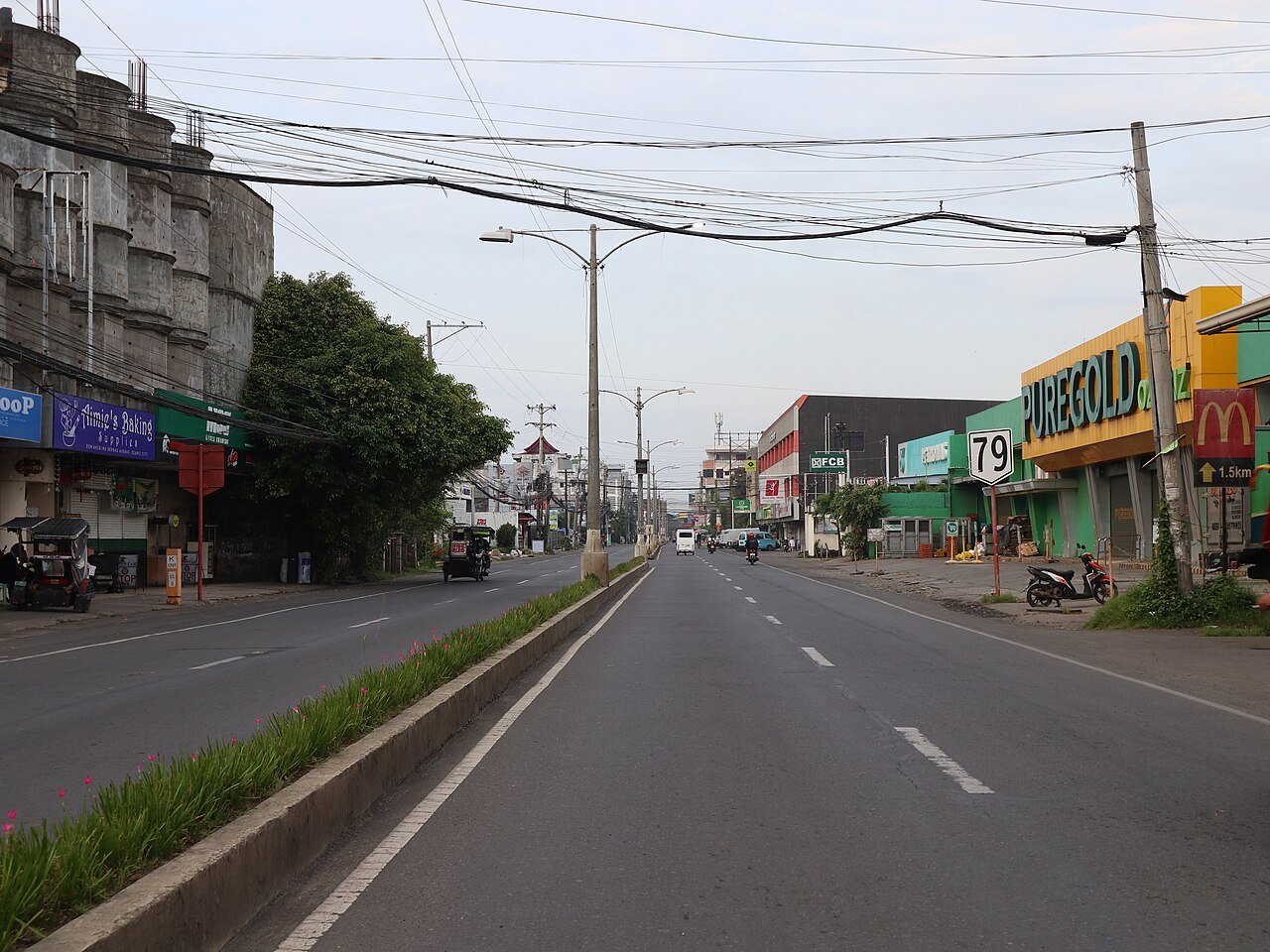

Ozamis City in Misamis Occidental gets overlooked next to bigger Mindanao names like Cagayan de Oro and Camiguin, and that works in your favor if you actually go. It’s a port town on Panguil Bay built around a Spanish era fort, with genuinely good seafood, light crowds, and a natural jumping off point toward Dapitan and Dipolog. This guide covers the practical side of an Ozamis trip, what it costs, how to get there, where to sleep, and what to watch out for, so you can plan with real numbers instead of guesswork, and it covers the questions most first time visitors actually ask, what things cost, how safe it is, and whether it’s worth the detour at all. For the full list of sights, see our separate guide to the top things to do in Ozamis City.
How to Get to Ozamis
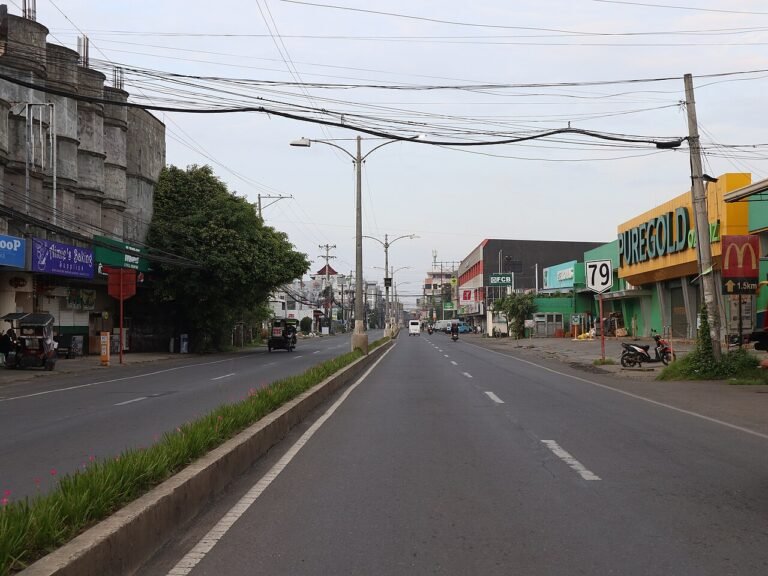
The fastest way in is by air. Labo Airport (OZC), officially Ozamiz Airport, sits a few kilometers from the city center and takes daily flights from Manila, roughly 1.5 hours in the air, and from Cebu, roughly an hour. A tricycle or van from the airport into town takes about 15 to 20 minutes and shouldn’t cost more than a couple hundred pesos.
By sea, ferries run between Ozamis and Cebu, and across Panguil Bay to Plaridel, useful if you’re routing through the Visayas rather than flying direct. Overland, buses and vans connect Ozamis to Cagayan de Oro in roughly 3 to 4 hours and to Iligan in around 2 hours along the coastal highway, both reasonable options if you’re already island hopping through Mindanao by land.
Getting Around the City
Ozamis is compact enough that the old town, the port, and the cathedral are walkable from most city center accommodation. For anything further out, tricycles and habal-habal motorcycles are standard, expect to pay roughly 15 to 30 pesos for a short trip within the city and more for a special trip to somewhere like Cobra Falls or the edge of Mount Malindang. Agree the fare before getting on for longer rides, there are no meters.
What to See First
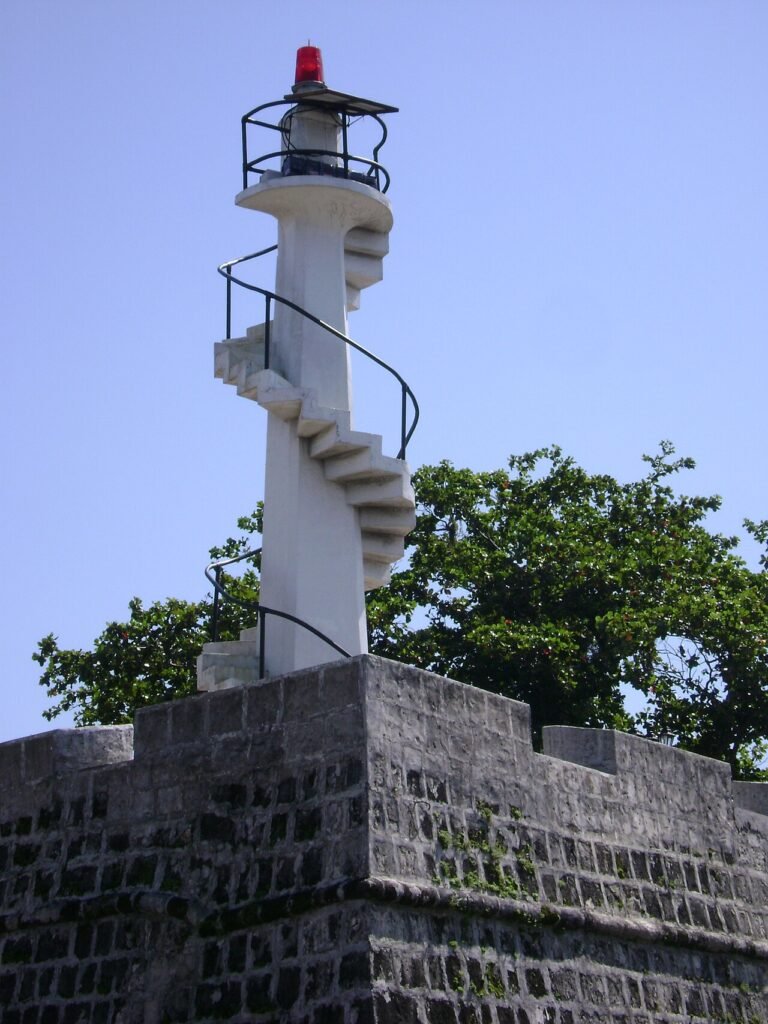
If you only have a few hours, prioritize Cotta Fort, the Spanish era stone fort with four bastions right by the port, entrance is close to free at around 5 pesos. From there it’s a short walk to Cotta Beach and Boulevard for sunset over Panguil Bay, and to the Rodriguez Ancestral House, a bahay na bato where Jose Rizal reportedly stayed en route to his Dapitan exile. Bukagan Hills, a short drive out, gives you a panoramic view over the city and the bay and works well as an evening stop with a few restaurants that take advantage of the elevation. Timfanel Garden, formerly Naomi’s Botanical Garden, is a good half day option if you want a quieter, greener break, entrance typically runs 50 to 100 pesos. Our full things to do guide covers all of this plus Cobra Falls and Mount Malindang in more depth.
Where to Stay
Accommodation clusters in the city center and near the port, which is the right area to base yourself since most sights are walkable or a short tricycle ride away.
Budget, roughly 700 to 1,200 pesos a night, gets a clean, simple room at a local inn, fan or basic aircon, nothing fancy but fine for a short stay. Mid range, around 1,500 to 2,800 pesos, covers the better business hotels in the center with reliable aircon, hot water, and usually breakfast. Higher end, roughly 3,000 to 5,000 pesos, is close to the ceiling in Ozamis itself, there’s no true resort tier here, if that’s what you want, Cagayan de Oro or Dumaguete will serve you better.
What to Eat
Ozamis sits on the water, so seafood is the strong suit, grilled bangus and kinilaw from the public market near the port are worth seeking out. A basic meal at a local eatery runs roughly 80 to 150 pesos, and a proper seafood dinner at a sit down spot will run somewhat more, budget around 200 to 350 pesos per person. For pasalubong, look for ampao, puffed rice candy, and tablea chocolate, both sold cheaply near the terminal and around the poblacion.
What a Trip to Ozamis Costs
For a single day covering the fort, the beach, the ancestral house, and a seafood lunch, budget roughly 800 to 1,200 pesos per person excluding accommodation. Add an overnight in a mid range hotel and a side trip to Timfanel Garden or Bukagan Hills, and a weekend runs somewhere around 3,500 to 5,500 pesos per person for two nights, without the higher end hotel bracket.
Money and Connectivity
ATMs, mainly BDO, BPI, and Landbank, are available in the city center, but carry enough cash for a day or two since machines thin out fast once you’re outside the poblacion, and many tricycle drivers and small eateries are cash only. Globe and Smart both cover the city reasonably well, though signal drops heading toward Cobra Falls or the Malindang boundary, worth downloading offline maps before those trips.
Safety and Customs
Ozamis is generally safe for visitors, ordinary city precautions apply, keep an eye on belongings in the market and around the port, and avoid wandering dimly lit streets alone at night. Filipino hospitality is genuine here and a friendly, polite manner goes a long way. Dress modestly when visiting the cathedral or the Cotta Shrine, shoulders and knees covered is the general rule. Basic medical facilities and well stocked pharmacies are available in the city center, though for anything serious, Cagayan de Oro has the nearest major hospitals, worth knowing before you head out to somewhere remote like Cobra Falls or the Malindang boundary where phone signal is unreliable.
Best Time to Visit
Ozamis sits outside the main typhoon belt that hits Luzon and the Visayas harder, which makes it a reasonably safe year round destination. The dry season, roughly December through May, is the more comfortable window for walking the old town and any side trips out to Cobra Falls. If your dates are flexible, aim for July 16, the Cotta Shrine feast and the city’s charter anniversary, which brings parades, live music, and fireworks over the bay that you won’t see the rest of the year.
What to Skip
Don’t come to Ozamis expecting a beach holiday, Cotta Beach is a pleasant sunset spot on the bay, not a swimming beach, so build your beach time elsewhere. Skip a casual attempt at Mount Malindang unless you’ve genuinely arranged a guide and a full day or more, most of the park is unmarked wilderness. And temper expectations on hotels, this is a practical, comfortable city to sleep in rather than a resort destination.
Where Ozamis Fits in Your Trip
Ozamis works best paired with other stops rather than as a standalone destination. It sits between Iligan and the Zamboanga Peninsula, and it’s a short trip from Dipolog if you’re following the Rizal exile trail through Dapitan. Coming from the east, our Cagayan de Oro travel guide covers that side of the route.
A Simple Two Day Itinerary
Day one, land in the morning, check into your hotel, and spend the afternoon on Cotta Fort, Cotta Beach, and the Rodriguez Ancestral House, all within walking distance of each other. Have a seafood dinner near the port, then catch the sunset from Bukagan Hills if you have transport arranged. Day two, head out to Timfanel Garden or Cobra Falls in the morning depending on whether you want a relaxed garden visit or a proper hike, then use the afternoon for the public market and pasalubong shopping before your onward flight, ferry, or bus. If you’re adding Dapitan and Dipolog, swap day two for that day trip instead and save the falls and garden for a return visit.
Day Trip to Dapitan and Dipolog
Dapitan, where Jose Rizal spent four years in exile, is roughly 2 to 3 hours from Ozamis by van along the coastal highway, and Dipolog sits right next door with Dakak Beach if you want an actual swim after a few days of history and city walking. Vans leave regularly from the Ozamis terminal in the morning, most travelers treat this as a long day trip, though splitting it into an overnight in Dipolog works fine too if your schedule allows it. This pairs naturally with the Rizal connection at the Rodriguez Ancestral House back in Ozamis.
Local Culture and Language
Cebuano is the everyday language in Ozamis, alongside Filipino, and English is spoken widely enough that a short visit poses no real language barrier. Locals are used to fewer tourists than in Cebu or Boracay, so expect more curiosity and warmth than the transactional politeness you might get in busier destinations. A polite greeting and a willingness to ask for directions will get you further here than a phrasebook.
Packing Tips
Bring light, breathable clothing for the heat, a modest cover up for church and shrine visits, and shoes with real grip if you’re planning the Cobra Falls hike, the trail gets slick after rain. A portable charger is worth carrying since outlets can be limited at budget accommodation, and a reusable water bottle helps since tap water isn’t reliably potable and bottled water is cheap but adds up over a longer stay.
Booking Flights and Ferries
Philippine Airlines and Cebu Pacific both fly into Labo Airport from Manila, and Cebu Pacific covers the Cebu route, book a week or two ahead if you’re traveling around the July 16 fiesta since seats tighten up fast that week. Ferry schedules between Ozamis and Cebu run a few times a week rather than daily, so check current sailing days before building a tight itinerary around them, a missed sailing can cost you a full extra day.
Weather Through the Year
December through February brings the coolest, driest air, comfortable for walking around the fort and the old town. March through May gets hotter and more humid but stays mostly dry, good for the Cobra Falls hike before the trail turns slippery. June through November is the wetter stretch, Ozamis sits outside the worst of the typhoon belt but expect afternoon downpours and a muddier approach to the falls and Mount Malindang, pack accordingly if you’re visiting in these months.
Is Ozamis Worth Adding to Your Itinerary?
If your Mindanao route already includes Cagayan de Oro or Iligan and you have a spare day, Ozamis is an easy add, the fort and old town alone justify a half day stop, and the food is genuinely good for the price. If you’re building a trip purely around beaches and diving, it’s a weaker fit on its own, treat it as the historical stopover between bigger name stops rather than a headline destination, and it earns its place on the map, especially if you’re already routing through Northern Mindanao and don’t want every stop to look identical on Instagram.
Quick FAQ
Is Ozamis City safe to visit? Yes, with ordinary city precautions, especially around the port and market areas at night.
How many days do you need in Ozamis? One full day covers the core sights. Two lets you add Cobra Falls, Bukagan Hills, or a Dapitan day trip.
Is Ozamis the same as Ozamiz? Yes, you’ll see both spellings, Ozamiz is the official spelling, Ozamis is common in casual use and older signage.
What is Ozamis known for? Cotta Fort, its Spanish colonial history on Panguil Bay, and being a gateway toward Dapitan and Dipolog.
How do you get from Ozamis to Dapitan or Dipolog? Regular vans and buses run the coastal highway, roughly 2 to 3 hours depending on stops.
What’s the best time of year to visit? December through May for drier weather, or mid July for the Cotta Shrine feast and city charter celebrations.
Worried about the travel advisories before you book? We have answered that in full in our guide to whether Ozamiz City is safe for tourists, including what the warnings actually cover and the insurance catch that catches people out.