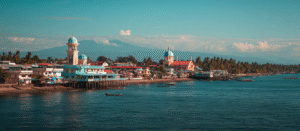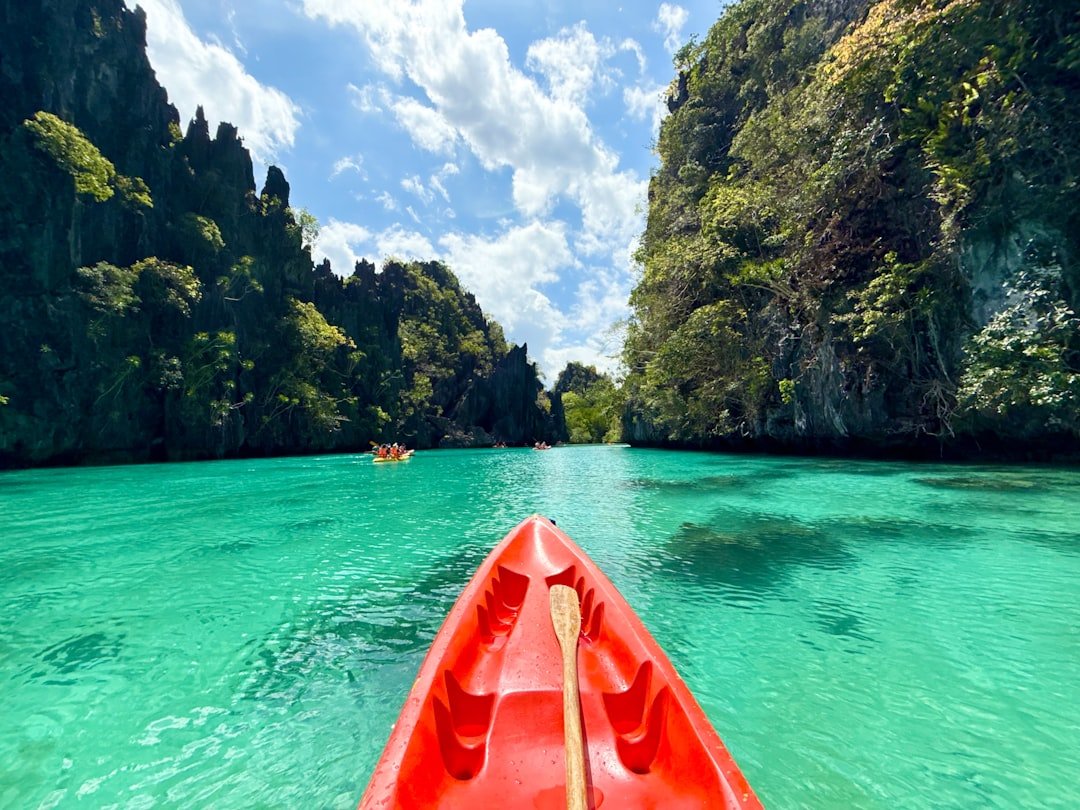

Is Palawan truly as idyllic as the photos suggest, or is there more to navigating this island province than meets the eye? Known globally for its dramatic limestone karsts, crystal-clear waters, and vibrant marine life, Palawan consistently tops lists of the world’s most beautiful islands. Yet, its sprawling geography and diverse offerings mean that a truly rewarding trip requires thoughtful planning beyond just booking a flight. This comprehensive Palawan travel guide cuts through the noise, offering practical insights and actionable advice to help you experience the best of this Philippine jewel.
From the bustling capital of Puerto Princesa to the pristine lagoons of El Nido and the shipwreck dives of Coron, Palawan presents a spectrum of experiences. Understanding the logistics, cultural nuances, and seasonal rhythms is key to unlocking its authentic beauty, ensuring your journey is as smooth as the serene waters you’ll encounter.
How to Get There
Palawan is accessible via three main airports, each serving a different primary destination:
- Puerto Princesa International Airport (PPS): The main gateway to the provincial capital and the famous Underground River. Direct flights are available from Manila (MNL), Cebu (CEB), and Clark (CRK) via airlines like Philippine Airlines and Cebu Pacific. Flight costs typically range from PHP 2,500 to 6,000 depending on booking time and season.
- El Nido Lio Airport (ENI): Serves El Nido directly. AirSWIFT operates flights from Manila, Cebu, Caticlan, and Clark, offering a convenient but pricier option. Flights can range from PHP 6,000 to 10,000+.
- Busuanga Airport (USU): The entry point for Coron. Flights are available from Manila and Cebu, primarily with Philippine Airlines and Cebu Pacific. Prices are similar to those for Puerto Princesa.
Once you land, ground transport is readily available. From PPS, vans frequently depart for El Nido (5-6 hours, PHP 500-700 per person) and Port Barton (3-4 hours, PHP 300-500). Between El Nido and Coron, fast ferries are the primary mode, taking approximately 3-4 hours and costing around PHP 1,800. Booking these inter-island transfers a day or two in advance, especially during peak season, is highly recommended.
The best time to visit Palawan is during the dry season, which runs from November to May. This period offers stable, sunny weather ideal for island hopping and water activities. Expect higher tourist numbers and prices from December to April, particularly around holidays. The wet season (June to October) can bring typhoons, though often short-lived, and some tours may be cancelled due to rough seas.
Things to Do in Palawan
Your Palawan adventure will likely be defined by its iconic natural wonders. Here’s a breakdown of the key experiences across the province:
- Puerto Princesa: The Puerto Princesa Subterranean River National Park, a UNESCO World Heritage Site and one of the New7Wonders of Nature, is a must-see. Book your tour in advance as daily visitor limits are enforced. Other attractions include island hopping in Honda Bay, exploring the Iwahig Firefly Watching Ecotourism & Wildlife Park, and visiting the Palawan Wildlife Rescue and Conservation Center (Crocodile Farm).
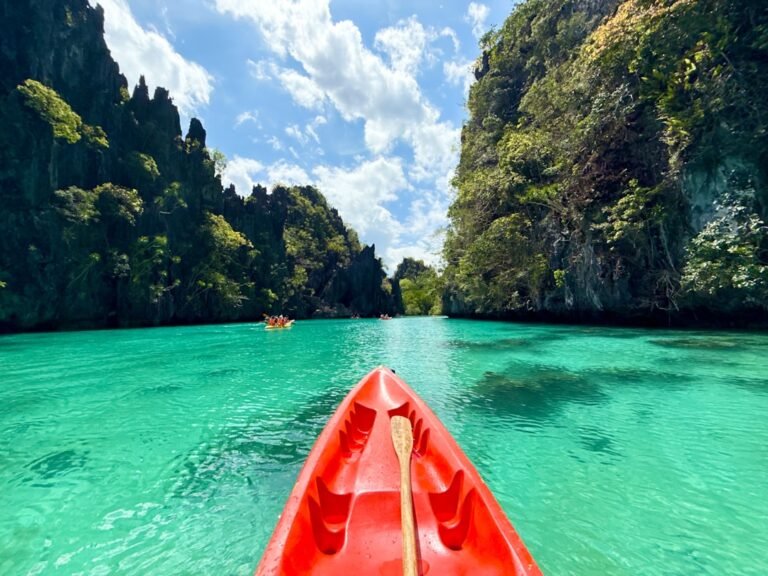
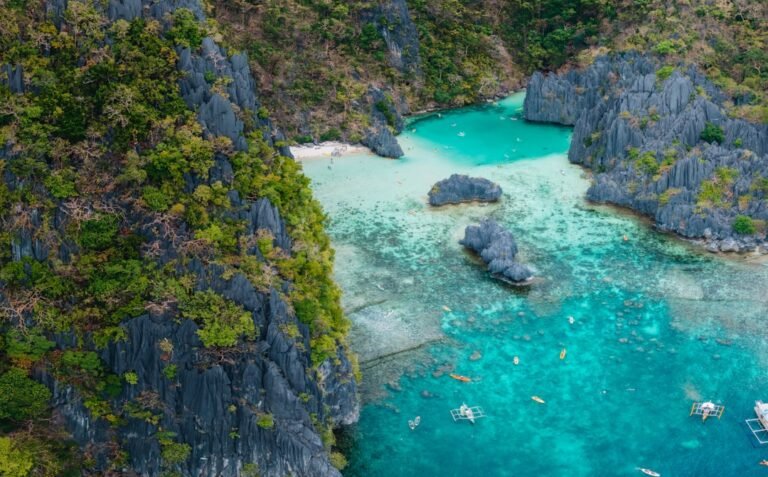
- El Nido (see our Puerto Princesa to El Nido transport guide and El Nido to Coron guide): Renowned for its stunning Bacuit Bay. Island hopping tours (Tours A, B, C, D) are the main activity, each offering distinct lagoons, beaches, and snorkeling spots. Tour A (Big Lagoon, Secret Lagoon, Shimizu Island) and Tour C (Hidden Beach, Matinloc Shrine, Secret Beach) are the most popular. Expect to pay around PHP 1,200-1,400 per tour, including lunch. For adventurers, the Taraw Cliff offers panoramic views, but requires a guide and is a challenging climb.
- Coron: Famous for its pristine lakes, lagoons, and WWII Japanese shipwrecks, making it a diver’s paradise. Kayangan Lake and Barracuda Lake are iconic spots known for their otherworldly beauty and thermoclines. Snorkeling in Siete Pecados and exploring Coron Island’s lagoons are essential. Boat tours are similar in structure and price to El Nido’s.
- San Vicente / Port Barton: For a more laid-back experience away from the crowds, consider these charming coastal towns. San Vicente boasts the impressive 14.7-kilometer Long Beach, while Port Barton offers a relaxed atmosphere, waterfall treks, and quieter island hopping.
Always choose reputable tour operators, and remember to practice responsible tourism: do not touch corals or marine life, dispose of waste properly, and bring your own reusable water bottle.
Where to Stay in Palawan
Accommodation options in Palawan cater to a wide range of budgets and preferences. When considering where to stay in Palawan, factor in your planned activities and desired level of comfort.
- Puerto Princesa: Offers a mix of budget guesthouses (PHP 700-1,500), mid-range hotels (PHP 2,000-4,000), and a few resorts. Staying near the airport or city center provides easy access to tours and dining.
- El Nido: The main town has numerous hostels (from PHP 500), boutique hotels, and guesthouses. For a quieter experience, consider resorts outside the town proper, like those on Nacpan Beach or the eco-luxury Lio Estate (which offers more upscale options starting from PHP 8,000). Luxury island resorts like Miniloc Island and Lagen Island (part of El Nido Resorts) offer an all-inclusive, high-end experience (PHP 20,000+).
- Coron Town Proper: Most accommodations are in or near the town, providing convenient access to tour boats and restaurants. Options range from budget inns to mid-range hotels and some upscale resorts overlooking the bay.
- Port Barton: Primarily features rustic guesthouses and small, charming resorts, reflecting its off-the-beaten-path vibe. Expect more basic amenities but a peaceful atmosphere.
Booking accommodation several weeks or even months in advance is advisable, especially for peak travel periods, as popular spots fill up quickly.
Where to Eat
Palawan’s culinary scene is heavily influenced by its abundant fresh seafood and unique local ingredients. Don’t leave without trying these:
- Fresh Seafood: Virtually every town offers grilled fish, prawns, and squid. Look for “paluto” restaurants where you can pick your seafood and have it cooked to order.
- Tamilok: A Palawan delicacy, this mollusk (a type of woodworm) is often eaten raw, marinated in vinegar like ceviche. It’s an adventurous bite for the curious palate.
- Kinilaw: The Filipino version of ceviche, typically made with fresh fish, vinegar, ginger, onions, and chili.
- Local Eateries (Carinderias): For budget-friendly and authentic Filipino dishes, seek out these small, often family-run establishments.
In Puerto Princesa, popular restaurants include Kinabuch’s Grill and Bar for local favorites and exotic dishes, and Kalui Restaurant for its artful ambiance and fresh seafood (reservations recommended). El Nido and Coron offer a range of international and local dining options, with a focus on fresh catch. Always opt for bottled water or purified water for drinking, as tap water is generally not safe for consumption by tourists.
Local Tips
- Cash is King: While major hotels and some restaurants accept cards, many establishments, especially smaller ones and tour operators, prefer cash. ATMs are available in Puerto Princesa, El Nido, and Coron, but can be limited or run out of cash, especially in smaller towns. Bring enough PHP or withdraw in major cities before heading to more remote areas.
- Connectivity: Mobile signal can be spotty outside main towns. Purchase a local SIM card (Globe or Smart) upon arrival for better connectivity. Data packages are affordable.
- Sun Protection: The tropical sun is intense. Pack high-SPF sunscreen, wide-brimmed hats, sunglasses, and rash guards for swimming.
- Insect Repellent: Mosquitoes are present, especially during dusk and in vegetated areas. Bring repellent with DEET.
- Footwear: Water shoes or sturdy sandals are essential for island hopping, protecting your feet from sharp rocks and corals.
- Language: English is widely understood, especially in tourist areas. Learning a few basic Filipino phrases like “Salamat po” (Thank you) and “Kumusta” (Hello) is appreciated.
Safety & Customs
Palawan is generally a safe destination for tourists. However, like any travel, awareness is key:
- Petty Theft: Be mindful of your belongings, especially in crowded areas or on public transport. Use hotel safes for valuables.
- Transportation: Tricycles are common for short distances. Agree on the fare before starting your journey, or ensure the meter is used if applicable (rare in Palawan).
- Health: Consider travel insurance. Pack a basic first-aid kit with essentials for cuts, scrapes, and stomach upsets. Dengue fever is present; take precautions against mosquito bites.
- Cultural Sensitivity: Filipinos are incredibly hospitable and friendly. A smile goes a long way. Dress modestly when visiting churches or in rural areas. Always ask for permission before taking photos of locals.
- Responsible Tourism: Support local businesses, minimize your environmental footprint by avoiding single-use plastics, and respect marine ecosystems by not touching corals or feeding fish. This helps preserve Palawan’s natural beauty for future generations.
Navigating Palawan requires a blend of eager anticipation and practical preparation. This Palawan travel guide aims to equip you with the knowledge to transform your dream trip into a seamless reality, ensuring you focus on the breathtaking landscapes rather than logistical hurdles. Ready to chart your own course through Palawan’s labyrinthine beauty and discover why it remains one of the Philippines’ most cherished destinations?
The Underground River, Palawan’s Headline Attraction
The Puerto Princesa Subterranean River, a UNESCO World Heritage Site and one of the New7Wonders of Nature, is the single most booked activity out of Puerto Princesa. You’ll paddle through a limestone cave system with a guide, past rock formations and bat colonies, for roughly 45 minutes. Entrance plus the boat transfer runs around PHP 500 to 900 per person depending on whether you book independently or through a tour, and permits are limited daily, so book at least a few days ahead in peak season, more if you’re visiting around Holy Week or Christmas.
Sample Budget for a Week in Palawan
For a rough week covering Puerto Princesa, El Nido, and Coron on a mid range budget, figure around PHP 25,000 to 35,000 per person, covering internal flights or ferries between hubs, mid range accommodation, island hopping tours, and meals. Budget travelers sharing dorms and sticking to land transport where possible can bring that down closer to PHP 15,000 to 20,000. Add more if you’re diving in Coron, wreck dives typically run PHP 3,500 to 5,000 for a two tank trip including gear.
Best Time to Visit Palawan
The dry season from roughly November through May is the reliable window, with December through March offering the calmest seas for island hopping. April and May get hotter but stay dry, popular with divers since visibility tends to be best. June through October is the wet season, island hopping tours can get cancelled on rough weather days, and some remote spots become harder to reach, though you’ll also find lower prices and thinner crowds if you don’t mind the risk of a washed out day or two.
Which Part of Palawan Should You Actually Visit
Once you have chosen, our guide to where to stay in Palawan breaks each base down by budget.
This is the question that matters most and the one most Palawan travel tips skip over. The province is roughly 450 kilometres long, road connections are slow, and picking two bases rather than four is the difference between a good trip and a week on a van.
El Nido in the north is the postcard Palawan: limestone karst, hidden lagoons, the famous Tour A to Tour D boat trips. It is also the busiest, the most expensive and the one with the worst infrastructure relative to its visitor numbers. The town itself is scruffy and the power supply is unreliable. Go for the water, not the town.
Coron in the Calamian Islands to the north is the shipwreck and lake destination. Kayangan Lake, Barracuda Lake, Twin Lagoon, and the best wreck diving in the country. It is quieter than El Nido, the town is more functional, and the scenery is arguably better. Reached by its own airport at Busuanga, and our Manila to Coron guide compares the flights and the ferry.
Puerto Princesa is the capital and the main gateway. Most people treat it as a transit point, and mostly that is right. It is the base for the Underground River and it has the best hospitals and banks in the province, which matters more than it sounds.
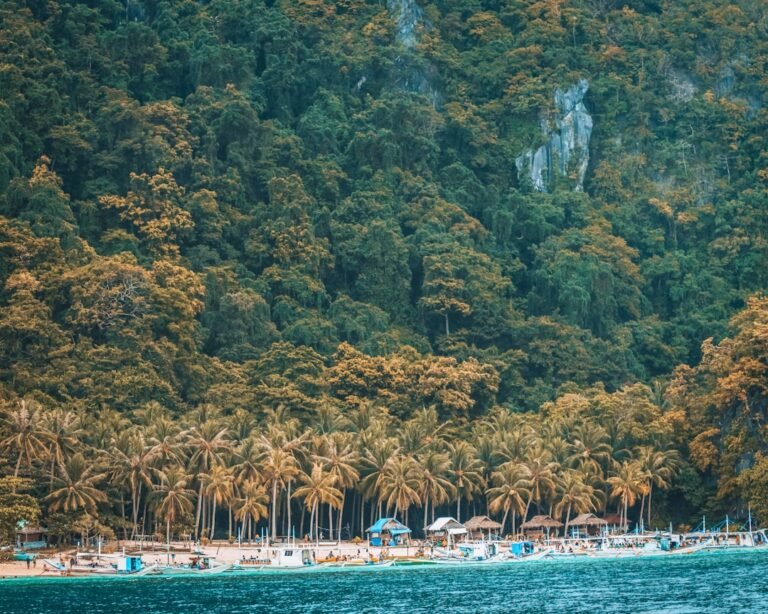
Port Barton sits between Puerto Princesa and El Nido and is what El Nido was fifteen years ago. Limited electricity hours, sand streets, no ATMs for a long time, and genuinely quiet beaches. If your priority is calm rather than spectacle, this is the pick, and island camping in Coron takes that idea further still.
San Vicente has Long Beach, one of the longest white sand beaches in the Philippines, and almost nobody on it. Development is coming but has not arrived.
A sensible first trip is Coron and El Nido, or El Nido and Port Barton. Trying to do Puerto Princesa, Port Barton, El Nido and Coron in a week means roughly twenty hours in vans and boats.
How to Get to Palawan: The Full Picture
There is no single “Palawan airport”, which is the root of most confusion when people search how to go to Palawan.
Puerto Princesa (PPS) is the main airport, with frequent flights from Manila, Cebu, Clark and Iloilo. Manila to Puerto Princesa is roughly 1 hour 20 minutes and fares run roughly 2,000 to 6,000 PHP one way depending on how far ahead you book. This is usually the cheapest way into the province.
Busuanga (USU) serves Coron, with flights from Manila and Cebu. Roughly 1 hour from Manila.
El Nido (ENI) has a small private airport served by AirSWIFT from Manila and Cebu. See our Manila to El Nido guide for the alternatives. It is convenient and expensive, often 7,000 to 12,000 PHP one way, and the baggage allowance is tight.
San Vicente (SWL) has very limited service and should not be relied on.
By land from Puerto Princesa: shared vans to El Nido take roughly 5 to 6 hours at around 700 to 900 PHP. To Port Barton is roughly 3 to 4 hours at around 500 to 700 PHP. The road is paved and the drivers are fast. Sit at the front if you get motion sick.
By sea: the 2GO ferry runs Manila to Coron and Manila to Puerto Princesa on limited weekly schedules, taking roughly 13 to 24 hours depending on the route. Fast ferries connect El Nido and Coron in roughly 3.5 to 4 hours at around 1,800 to 2,600 PHP.
Palawan Travel Tips Worth Knowing Before You Book
Cash is not optional. El Nido and Coron have ATMs but they run empty regularly, charge fees, and reject some foreign cards. Port Barton and the smaller places have almost nothing. Draw a large amount in Puerto Princesa or Manila and carry it. This is the most common practical problem visitors have in Palawan.
Power cuts are normal. El Nido in particular has scheduled and unscheduled outages. Most accommodation has a generator, the cheapest often does not. If you need to work, ask specifically about generator cover before booking.
The eco tourism fees add up. El Nido charges an eco tourism development fee of around 400 PHP, valid for ten days, and you must keep the receipt or you will be charged again. Coron’s environmental fee is around 200 PHP. Individual lagoons, beaches and viewpoints charge a further 150 to 500 PHP each on top of your tour price.
Tours are standardised, prices are not. El Nido’s Tour A, B, C and D are fixed routes sold by every agency. Group tours run roughly 1,500 to 2,000 PHP including lunch. Anyone quoting far below that is cutting something, usually the boat’s safety equipment or the number of stops.
Book internal transport a day or two ahead in high season. The El Nido to Coron ferries and the Puerto Princesa vans sell out between December and April.
Do not plan a same day international connection. Palawan flights are cancelled for weather often enough that a buffer night in Manila or Cebu is the single best piece of planning you can do, and where to stay in Manila covers the options.
Bring reef safe sunscreen. It is required on several tours and hard to buy locally at a sensible price.
What Palawan Really Costs, Bracket by Bracket
Backpacker, roughly 2,000 to 2,800 PHP a day. Dorm bed around 600 to 900 PHP, local eateries around 500 PHP, one group tour every other day averaging around 800 PHP, transport and fees around 300 PHP.
Mid range, roughly 5,000 to 7,500 PHP a day. A decent room around 2,500 to 3,500 PHP, restaurant meals around 1,500 PHP, a tour most days around 1,800 PHP, transport and fees around 400 PHP.
Comfortable, roughly 12,000 PHP a day and up. Resort accommodation, private boat charters at 6,000 to 12,000 PHP a day, and flights on AirSWIFT rather than the budget carriers.
Palawan is more expensive than most of the Philippines. Everything on the islands is shipped in, tourism pricing is well established, and the tours are the biggest single line in most people’s budget. A week for two, mid range, comes to roughly 70,000 to 100,000 PHP excluding international flights.
The Honest Negatives
Palawan is genuinely beautiful and it also has real problems that the marketing does not mention.
El Nido’s lagoons are crowded. Big Lagoon and the Small Lagoon in high season can have dozens of boats and hundreds of people. The photos you have seen were taken early, in low season, or with careful framing. Booking the first boat out helps a lot.
The Underground River is overrated for the effort. It is a UNESCO site and it is impressive geologically, but it is a long day from Puerto Princesa, permits are capped and must be arranged ahead, the boat tour is short, and much of it is spent in a queue. Around 1,500 to 2,000 PHP all in. Skip it if your time is tight.
The roads are worse than the map suggests. The main highway is fine. Anything off it, particularly to Port Barton and San Vicente, involves long stretches of rough road.
Waste and water quality are an ongoing issue in the busier towns. El Nido’s bay is not somewhere you want to swim. Go out on a boat.
Weather can cancel your trip. Between June and October boat tours are called off regularly and the sea crossings get rough. This is not a reason to avoid the wet season, prices are much better, but build slack into the itinerary.
Quick FAQ
How many days do you need in Palawan? A week lets you cover Puerto Princesa, El Nido, and Coron without rushing. Ten days gives you breathing room to add Port Barton or San Vicente.
Is Palawan expensive? It’s pricier than most of the Philippines because of internal flights and tour costs, but a mid range week runs well under what a comparable Southeast Asian island trip would cost elsewhere.
Which is better, El Nido or Coron? El Nido has more dramatic lagoons and beaches, Coron is the stronger pick for diving and shipwreck exploration. Many travelers do both since they connect directly by boat.
Do you need a tour to see the Underground River? Yes, independent entry isn’t allowed, you need a permit and a guided boat, easiest to arrange through a Puerto Princesa tour operator or your hotel.
Is Palawan safe for solo travelers? Generally yes, it’s one of the more tourist accustomed parts of the Philippines, standard precautions around belongings and reputable tour operators apply.
What’s the best time to avoid crowds? June and September, shoulder months in the wet season, tend to have thinner crowds and lower prices while still offering mostly workable weather.
How do you get to Palawan? There is no single Palawan airport. Fly to Puerto Princesa (PPS) for the south and the Underground River, Busuanga (USU) for Coron, or El Nido (ENI) on AirSWIFT at a premium. Manila to Puerto Princesa is roughly 1 hour 20 minutes at around 2,000 to 6,000 PHP one way.
What are the most useful Palawan travel tips? Carry plenty of cash, because ATMs run empty regularly and Port Barton has almost none. Expect power cuts in El Nido. Keep your eco tourism fee receipt, it is valid for ten days. Book internal ferries and vans a day or two ahead in high season, and never plan a same day international connection out of Palawan.
Should you visit El Nido or Coron? Coron for wreck diving, lakes and a quieter, more functional town. El Nido for the lagoons and the classic karst scenery, accepting bigger crowds and a scruffier base. Most people with a week do both, connected by a 3.5 to 4 hour fast ferry at around 1,800 to 2,600 PHP.