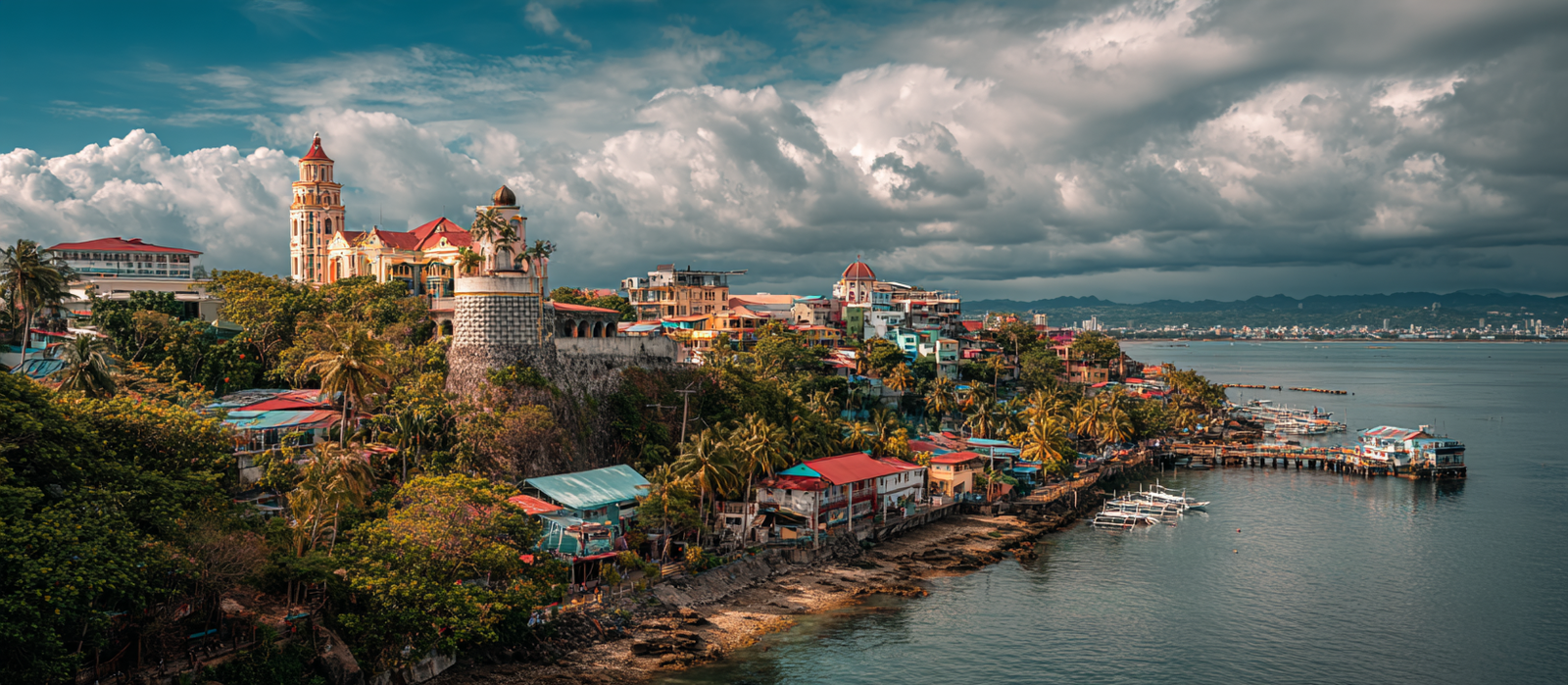

San Juan Travel Guide: What to Know Before You Go
Thinking of a quick escape from Manila that blends coastal chill with a vibrant scene? San Juan, La Union, often dubbed the “Surf Capital of the North,” has evolved far beyond its waves. It’s a destination that perfectly marries laid-back beach culture with a burgeoning food and arts landscape, making it a compelling spot for diverse travelers. This San Juan travel guide aims to cut through the noise, offering practical insights and local wisdom to help you plan your trip confidently.
For many, the hesitation around visiting a popular spot often centers on crowds or the perceived difficulty of navigating local transport. San Juan handles its popularity remarkably well, especially if you know the rhythms of the place. Whether you’re a seasoned surfer, a beach bum, or just looking for good food and a relaxed atmosphere, understanding a few key logistics will significantly enhance your experience.
How to Get There
San Juan, La Union, is highly accessible from Metro Manila, typically a 4-6 hour journey depending on traffic. The most common and cost-effective method is via public bus. Several reputable bus lines, including Partas, Dominion Bus Lines, and Viron Transit, offer routes directly to San Fernando City, La Union, or even to Urbiztondo Beach in San Juan itself.
- Bus Travel: Board a bus bound for La Union, Vigan, or Laoag. Fares generally range from PHP 400-600 (approx. USD 7-10) for an air-conditioned ride. We recommend booking tickets online through platforms like PinoyTravel or Biyaheroes, especially during peak seasons or long weekends, to secure your seat.
- Private Vehicle/Car Rental: For more flexibility, driving your own car or renting one is an option. The North Luzon Expressway (NLEX) and Subic-Clark-Tarlac Expressway (SCTEX) make for a smooth journey. Waze or Google Maps provide accurate directions to San Juan.
Once you arrive in San Juan, tricycles are the primary mode of local transport. Fares are usually fixed for short distances within Urbiztondo or neighboring areas, typically PHP 20-50 (approx. USD 0.35-0.90) per person.
Top Attractions & Things to Do in San Juan
Beyond the iconic surf breaks, there are plenty of things to do in San Juan that cater to all interests:
- Urbiztondo Beach Surfing: This is San Juan’s heart. Whether you’re a beginner or an experienced surfer, the waves here offer consistent swells. Surf lessons, including board rental and an instructor, typically cost around PHP 500 (approx. USD 9) per hour. The best surf season for beginners is generally from October to May, while advanced surfers might find challenging waves during the rainy season.
- Tangadan Falls Trek: For an adventurous side trip, head inland to Tangadan Falls in nearby San Gabriel. The trek involves a mix of river crossings and light hiking, usually taking 1-2 hours one way. Hiring a local guide is mandatory and highly recommended for safety and navigation; guide fees are around PHP 1,000-1,500 (approx. USD 18-27) per group, plus tricycle fare to the jump-off point.
- Grape Picking at Lomboy Farms: Depending on the season (usually March to May and September to October), you can visit one of the grape farms in Bauang, just south of San Juan. Lomboy Farms is the most well-known, offering grape picking experiences and fresh produce.
- Explore the Arts & Murals: Walk around Urbiztondo and you’ll discover vibrant street art and murals. The local art scene here is growing, reflecting the creative spirit of the community.
- Nightlife & Socializing: San Juan’s evenings come alive with beachfront bars and restaurants offering live music, DJ sets, and a convivial atmosphere. It’s a great place to meet fellow travelers and locals.
Where to Stay in San Juan
Accommodation in San Juan caters to a wide range of budgets and preferences, from lively hostels to boutique resorts. Knowing where to stay in San Juan is key to matching your vibe.
- Budget-Friendly Hostels:
- Flotsam and Jetsam Artist Beach Hostel: Famous for its communal vibe, unique design, and social events. Dorm beds start around PHP 800-1,200 (approx. USD 14-21) per night.
- Urbiztondo Surf Camp: Offers basic but comfortable dorms and private rooms, popular with surfers. Dorms from PHP 700-1,000 (approx. USD 12-18).
- Mid-Range Resorts:
- San Juan Surf Resort: A long-standing institution, right on Urbiztondo Beach, offering comfortable rooms, surf lessons, and a restaurant. Rooms typically PHP 3,000-6,000 (approx. USD 50-100) per night.
- Kahuna Beach Resort and Spa: Offers a more upscale experience with well-appointed rooms, a pool, and a spa, a short walk from the main surf break. Rates start around PHP 5,000-10,000 (approx. USD 90-180).
- Boutique/Luxury Options:
- Newer, design-focused boutique hotels are popping up, offering more exclusive stays. Expect rates upwards of PHP 8,000 (approx. USD 140).
Booking in advance, especially during peak season (October-May) and long weekends like Holy Week or Christmas, is highly recommended as rooms fill up quickly.
Where to Eat in San Juan
San Juan’s culinary scene has exploded, offering everything from local street food to international fusion. Here are some must-try spots:
- El Union Coffee: A pioneer in the San Juan food scene, famous for its S’mores Laoag and artisanal coffee. A favorite meeting spot. Expect to spend PHP 200-400 (approx. USD 3.50-7) per person for coffee and a snack.
- Gefseis Greek Grill: Authentic Greek dishes, known for their generous portions and flavorful gyros. Main dishes PHP 300-500 (approx. USD 5-9).
- Kabsat: Perched overlooking the beach, offering modern Filipino comfort food and stunning sunset views. Dishes PHP 400-700 (approx. USD 7-12).
- Mad Monkeys: Craving a good burger? This spot serves up juicy patties and craft beers. Burgers start at PHP 300 (approx. USD 5).
- Masa by Elyu: Known for delicious sourdough pizzas and other baked goods. Pizzas PHP 400-700 (approx. USD 7-12).
- Local Carinderias: Don’t shy away from the small, local eateries for authentic and budget-friendly Filipino meals. A full meal can be as low as PHP 100-150 (approx. USD 1.80-2.70).
Local Tips for San Juan
- Best Time to Visit San Juan: The dry season, from October to May, offers the most consistent waves for beginner surfers and generally sunny weather. However, this is also peak season, so expect crowds. The rainy season (June-September) brings stronger swells, ideal for experienced surfers, and a more laid-back atmosphere. Avoid Holy Week if you dislike massive crowds; it’s extremely busy.
- Cash is King: While many establishments now accept cards or digital payments, having cash is essential for smaller vendors, tricycles, and remote attractions like Tangadan Falls. ATMs are available in the main Urbiztondo area.
- Surf Etiquette: If you’re surfing, respect the locals and the surf pecking order. Don’t drop in on someone’s wave.
- Respect the Environment: San Juan is growing rapidly. Help preserve its beauty by minimizing waste, disposing of trash properly, and avoiding single-use plastics where possible.
- Sun Protection: The tropical sun can be intense. Always wear high-SPF sunscreen, a hat, and sunglasses, especially when on the beach or trekking.
Safety & Customs
San Juan is generally safe for tourists, but common sense precautions apply:
- Personal Belongings: Keep an eye on your valuables, especially on crowded beaches or at night. Secure your room and never leave personal items unattended.
- Tricycle Fares: While usually fixed, confirm the fare before you ride to avoid misunderstandings, especially if you’re traveling a longer distance or late at night.
- Cultural Sensitivity: Filipinos are generally warm and welcoming. A polite “Po” and “Opo” (terms of respect) when speaking to elders or in formal situations are always appreciated. Dress codes are relaxed on the beach, but consider more modest attire when visiting churches or local communities.
- Weather Awareness: The Philippines is prone to typhoons, especially during the rainy season (June to November). Monitor local weather forecasts from PAGASA if traveling during these months.
- Responsible Tourism: Support local businesses, respect the natural environment by not littering or disturbing marine life, and be mindful of noise levels, especially in residential areas.
With its unique blend of surf culture, culinary delights, and a distinctly chill vibe, San Juan, La Union, offers a memorable Philippine experience. This San Juan travel guide provides the framework; now it’s up to you to discover its charm. Ready to ride the waves or simply soak up the sun and good food? San Juan awaits.
More Philippines Travel Guides
Planning a longer trip? These lesser-visited provinces pair well with a Philippines itinerary:
More San Juan La Union Guides
Ready to plan your activities? See our full breakdown of things to do in San Juan La Union.