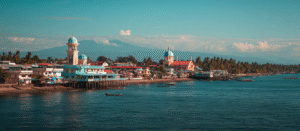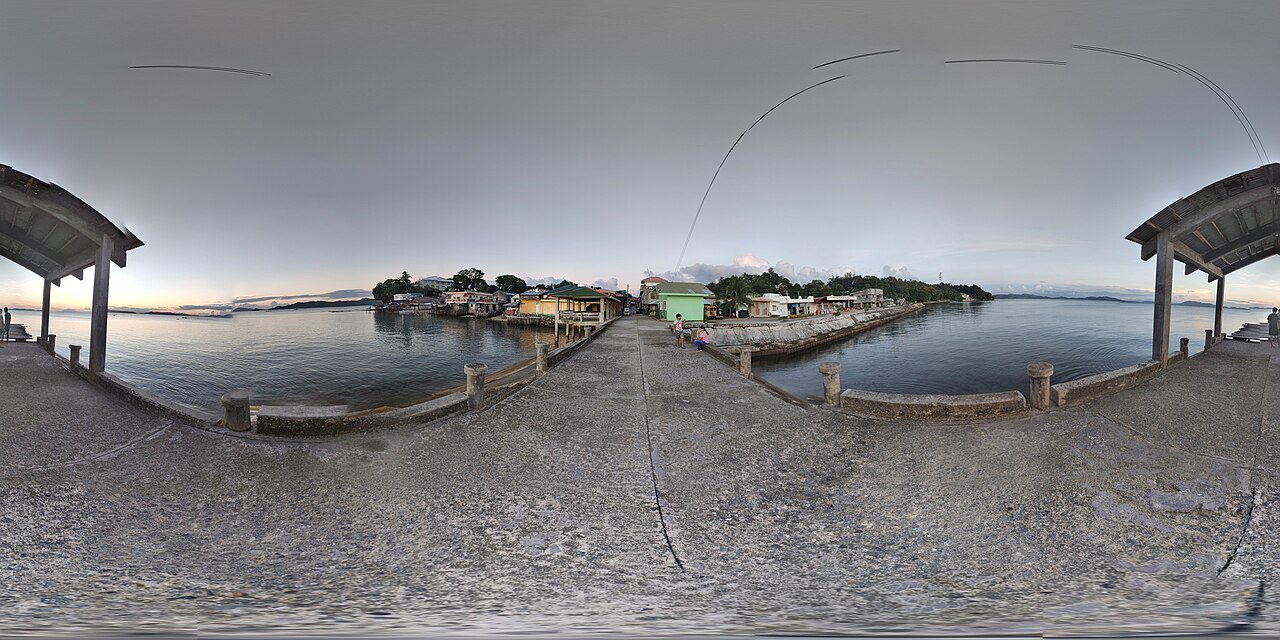


Often overshadowed by its more famous neighbors, Dinagat Islands holds a quiet allure, a place where the dramatic limestone karsts of Palawan meet the raw, untamed beauty of Surigao. This isn’t a destination for resort-hoppers or those seeking bustling nightlife; it’s for the curious, the adventurous, and anyone truly eager to experience the Philippines beyond the well-trodden path. If you’re pondering a visit, this dinagat islands travel guide cuts through the noise, providing the practical insights you need to navigate this captivating, yet infrastructurally nascent, province.
How to Get There
Reaching Dinagat Islands requires a bit of planning, as direct flights are not an option. Your primary gateway is Surigao City (SYQ), served by flights from Manila (typically 1.5 hours) and Cebu (around 45 minutes). Philippine Airlines and Cebu Pacific operate these routes. From Surigao City, a tricycle or taxi can take you to the Pantalan Uno port (around PHP 50-100).
From Pantalan Uno, regular passenger boats and RORO (Roll-on/Roll-off) ferries depart for San Jose, the capital of Dinagat Islands. The sea journey typically takes 1.5 to 2 hours. Expect to pay around PHP 150-200 for a one-way fare. Boat schedules can be unpredictable, especially during inclement weather, so it’s wise to arrive at the port early and be prepared for potential delays. The earliest trips usually commence around 6:00 AM, with the last departures around 4:00 PM, but verify locally upon arrival in Surigao City.
Top Attractions & Things to Do in Dinagat Islands
The appeal of Dinagat lies in its largely untouched natural wonders, from hidden coves to mystical lakes. Here are some of the essential things to do in Dinagat Islands:
- Lake Bababu: Often described with a sense of mystery, Lake Bababu is a landlocked, brackish water lake rumored to be connected to the sea via an underwater cave system. Accessible via a trek through dense jungle, it’s a serene spot for a dip or simply to soak in the tranquility. Local lore adds to its enigmatic charm.
- Bitaugan Whale Shark Sanctuary: Located off the coast of Loreto town, this sanctuary offers the opportunity for ethical whale shark encounters, primarily during their feeding season (typically November to May). Always choose accredited local guides and maintain respectful distances.
- Islander’s Paradise & Bitaog Beach: These postcard-perfect destinations feature pristine white sand, clear waters, and impressive rock formations. They are popular stops on island-hopping tours, ideal for swimming, snorkeling, and photography.
- Hagakhak Island & Lagoon: Known for its unique rock formations and a hidden lagoon accessible through a small opening. It’s a fantastic spot for cliff jumping for the adventurous, or simply enjoying the dramatic scenery.
- Busay Falls: Tucked away in the interior, Busay Falls offers a refreshing natural pool. It requires a local guide and some trekking, but the reward is a peaceful escape into the island’s lush landscape.
Most exploration is done via island-hopping tours, which can be arranged through your accommodation or directly with boatmen in San Jose. A typical full-day tour might cost PHP 2,500-3,500 for a boat that can accommodate 4-6 people, excluding environmental fees or guide services.
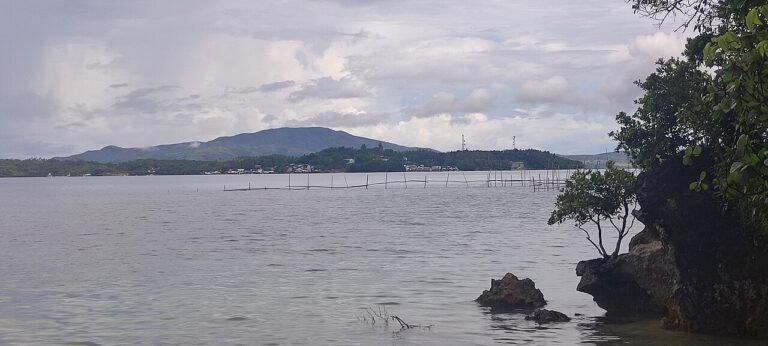
Where to Stay in Dinagat Islands
Accommodation options in Dinagat Islands are simpler and more limited than in more developed tourist destinations. The majority of places to stay are found in San Jose, the provincial capital. Don’t expect luxury resorts; instead, anticipate a more authentic local experience.
- Pension Houses & Guesthouses: These are your primary options. They offer basic but clean rooms, often with air conditioning and private bathrooms. Examples include Pagkawasan Beach Resort, but many are family-run establishments without an online presence.
- Homestays: A few locals offer rooms in their homes, providing a deeper cultural immersion. Ask around once you arrive, especially if you prefer a more budget-friendly and personal experience.
It’s advisable to book ahead, especially if traveling during peak season (March to May) or major local holidays. However, walk-ins are often accommodated during off-peak times. Expect to pay anywhere from PHP 800-1,500 per night for a decent room. The focus for where to stay in Dinagat Islands is comfort and convenience for exploration, not amenities.
Where to Eat
Dining in Dinagat Islands is largely a local affair, centered around fresh seafood and classic Filipino comfort food. You won’t find international chains or fine dining establishments here.
- Carinderias: These small, local eateries are your best bet for affordable and authentic meals. They serve pre-cooked dishes displayed behind a glass counter, allowing you to point and choose. Expect staples like adobo (stewed meat), sinigang (sour soup), and plenty of grilled fish.
- Public Markets: The markets in San Jose and other larger towns are great places to find fresh catch of the day. Many vendors can also grill or cook seafood for a small fee.
A typical meal at a carinderia will cost between PHP 70-150. If you’re keen on specific dishes, don’t hesitate to ask locals for recommendations. Fresh coconut water is readily available and a perfect refreshment.
Local Tips
- Best Time to Visit: The best time to visit Dinagat Islands is during the dry season, typically from March to May. The seas are calmer, making island hopping more enjoyable and safer. Avoid the typhoon season (June to November) if possible, as sea travel can be disrupted.
- Cash is King: ATMs are scarce, if available at all, and most establishments do not accept credit cards. Bring ample cash for your entire trip.
- Connectivity: Cell signal can be spotty, especially outside San Jose. Internet access is also limited and slow. Prepare for a digital detox.
- Transportation: Within towns, tricycles are common. For inter-town travel or reaching remote spots, habal-habal (motorcycle taxis) are widely used. Always agree on a fare before riding.
- Environmental Awareness: Dinagat Islands is still relatively pristine. Practice responsible tourism: avoid littering, minimize plastic use, and respect marine life. Pack out everything you pack in.
- Local Hospitality: Filipinos are known for their warmth. A smile and a respectful attitude go a long way. Learning a few basic phrases in Surigaonon or Cebuano (like “Salamat” for thank you) will be appreciated.
Best Time to Visit
The dry season, roughly March through May, offers the calmest seas for island hopping and the best conditions for whale shark encounters at Bitaugan, which typically run November through May. June through October brings more rain and rougher crossings from Surigao, worth avoiding if your trip has a fixed schedule.
What a Trip to Dinagat Islands Costs
A day covering Lake Bababu and one of the main beaches, with a hired boat and guide, runs roughly 1,500 to 2,500 pesos per person. Adding a Bitaugan whale shark encounter through an accredited local operator pushes that higher, expect 2,000 to 3,500 pesos for the boat trip and guide fee on top of your base day costs. Dinagat remains genuinely under visited, which keeps prices reasonable but also means fewer fixed tour packages, most trips get arranged locally rather than booked online in advance.
The Mystery of Lake Bababu
Lake Bababu is the province’s strangest attraction and worth building real time around rather than rushing through. It’s a landlocked brackish lake, meaning it’s neither purely fresh nor purely marine, and local lore holds it connects to the open sea through an underwater cave system, which would explain the salinity if true, though it’s never been definitively mapped. Getting there requires a trek through dense jungle, figure on sturdy shoes and bug protection, and a local guide is genuinely useful here since the trail isn’t well marked for independent hikers. Once you arrive, the lake itself is calm enough for a swim, and the surrounding jungle gives it a genuinely isolated feel that’s rare even by Philippine island standards.
Ethical Whale Shark Encounters at Bitaugan
Unlike some of the more commercialized whale shark tourism spots in the Philippines, Bitaugan Sanctuary near Loreto positions itself around ethical, low impact encounters, meaning no feeding to attract the animals and controlled group sizes in the water at any one time. Always book through accredited local operators rather than informal arrangements, both for your own safety around a genuinely massive animal and because unregulated operations are exactly what damages whale shark populations and habitats elsewhere in the country. Expect the operator to brief you on distance rules and no touch policies before you get in the water, take that briefing seriously.
Getting Around the Islands
Dinagat’s road infrastructure is limited compared to more developed island destinations, habal-habal motorcycles are the standard way to cover ground between the main towns and trailheads, boats handle everything else including reaching Bitaugan and the more remote beach coves. Given the lack of a dense tourism infrastructure, arranging transport a day ahead through your accommodation rather than expecting to find something on the spot will save real frustration.
Quick FAQ
How do you get to Dinagat Islands? Ferry from Surigao City, the main jump off point, with regular crossings to the main port towns on Dinagat.
Is Dinagat Islands worth visiting? Yes, if you want genuinely undeveloped beaches and the chance at an ethical whale shark encounter without Oslob or Donsol level crowds, it delivers, at the cost of fewer amenities and less organized tourism infrastructure.
Can you see whale sharks at Bitaugan year round? No, the main season runs roughly November through May, outside that window sightings become unreliable.
How does Dinagat compare to nearby Siargao? Siargao is far more developed with a full surf and tourism infrastructure, Dinagat is quieter, less built up, and better suited to travelers specifically seeking that.
Is Dinagat Islands safe to visit? Yes, standard precautions apply, and using accredited guides for the whale shark sanctuary and lake trek is both safer and more responsible.
How many days do you need in Dinagat Islands? Two to three days covers the main beaches, Lake Bababu, and a whale shark trip if timed right.
Safety & Customs
Dinagat Islands is generally a safe place for tourists. The community is welcoming, and crime rates are low. However, standard travel precautions apply:
- Weather Preparedness: Monitor local weather forecasts, especially if traveling during the rainy season. Boat trips can be canceled or delayed due to rough seas.
- Health: Bring your essential medications. Basic first aid supplies should be part of your travel kit, as medical facilities are limited. Staying hydrated is crucial in the tropical climate.
- Cultural Sensitivity: Dress modestly, especially when visiting local communities or religious sites. Always ask for permission before taking photographs of people. Respect local traditions and beliefs.
- Emergency Contacts: Keep local emergency numbers handy. The barangay (village) officials or your accommodation host can usually assist in an emergency.
Exploring Dinagat Islands offers a glimpse into a part of the Philippines that feels genuinely undiscovered. It’s a journey that challenges the typical tourist itinerary, rewarding those who venture here with breathtaking natural beauty and authentic encounters. From its unique geological formations to the genuine warmth of its people, this dinagat islands travel guide aims to equip you for an adventure that is both serene and spectacularly wild. Are you ready to chart your own course?
Continue Planning Your Trip
Dinagat Islands sits close to the Siargao and Surigao surf and island hopping circuit. Compare routes with How to Get from Cebu to Siargao, or see what else is worth doing on Bohol and Siquijor.
If you are already this deep into Caraga region, it is worth glancing at Top Things to Do in Agusan del Sur, the marshland and river province a boat and bus combination away on the Mindanao mainland, a realistic add-on if your trip has more than a few days built in.
A Note on Boat Schedules and Weather
Sea conditions between Surigao City and San Jose can turn rough with little warning, especially from November through January when the northeast monsoon pushes swells into the strait. Boat operators will cancel or delay departures rather than risk the crossing, which is the right call but can strand you an extra day on either end. Build a buffer day into your itinerary if you are catching a flight out of Surigao right after, and check conditions the evening before rather than assuming the morning boat will run on schedule.
Top Things to Do in Dinagat Islands
Ready to start exploring? See our full guide to the best things to do in Dinagat Islands.