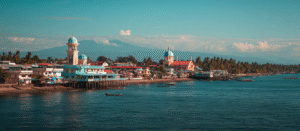
Most people who fly into Butuan are on their way somewhere else, usually Siargao or Davao. That is a shame, because Agusan del Norte holds the oldest confirmed boatbuilding site in the Philippines, a 2,012 metre mountain almost nobody climbs, and a stretch of quiet Mindanao coast between Buenavista and Nasipit. This Agusan del Norte travel guide covers what is actually here, what it costs, and why two days is usually enough.
It is not a beach holiday province and it is not trying to be. Come for the archaeology, the waterfalls and the fact that you will be the only visitor at most of it.
Where Agusan del Norte Is and How It Fits Together
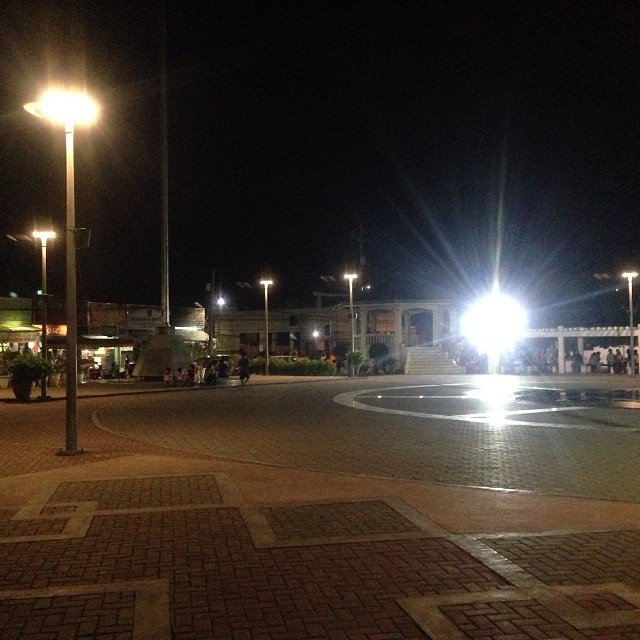
Agusan del Norte sits on the northeast shoulder of Mindanao, in the Caraga region, wrapped around Butuan City. Butuan is technically an independent city rather than part of the province, but it is where you fly into, sleep and eat, so treat it as the base.
Cabadbaran is the provincial capital and about 45 minutes north. Nasipit is the ferry port to the west. Buenavista and Carmen sit along the coast. Behind all of it, to the east, the Diwata mountain range rises toward Mount Hilong Hilong. Everything worth seeing is within about 90 minutes of Butuan.
How to Get to Agusan del Norte
By air. Bancasi Airport in Butuan, airport code BXU, is the gateway. Philippine Airlines and Cebu Pacific fly from Manila in around 1 hour 40 minutes, and from Cebu in roughly 50 minutes. One way Manila fares typically land between PHP 1,800 and PHP 4,500 depending on how far ahead you book, and the airport is about 20 minutes from downtown Butuan by van or taxi for roughly PHP 200 to 350.
By sea. Nasipit port takes ferries from Cebu, currently a couple of sailings a week. It is slow, usually an overnight crossing, and worth it only if you like boats or are bringing a vehicle.
By land. Bachelor Express and other lines run the Butuan to Davao route in roughly 5 hours, and Butuan to Surigao City in about 3. If you are Siargao bound, Butuan is a legitimate alternative entry point to flying into Sayak. The Cebu to Siargao comparison sets out how the routes stack up.
The Balangay Boats: Why This Province Matters
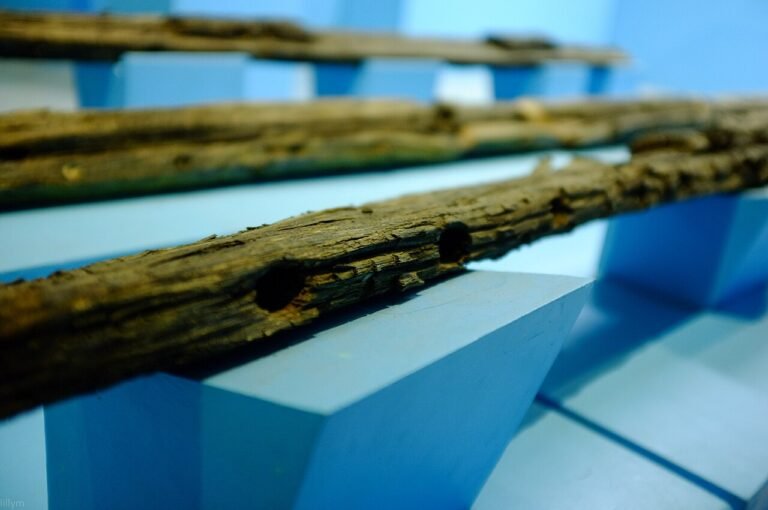
This is the reason to come. In the 1970s, farmers digging in Libertad, Butuan, hit wooden planks that turned out to be plank built boats, the balangay, with the oldest dated to roughly 320 AD. They are the earliest pre colonial watercraft found in the Philippines and they rewrote what was assumed about Southeast Asian seafaring.
The Balangay Shrine Museum in Libertad is a small open air site, a field unit of the National Museum, built over the excavation itself so you see the timbers where they were found. Entry is free or a token donation. Allow 40 minutes. It is unglamorous and genuinely moving, and there is rarely anyone else there.
Pair it with the National Museum Butuan branch in the city, also free, which holds the pre colonial trade ceramics, gold work and Higaonon and Manobo textiles that give the boats context. Between them you get the whole story in a morning.
Butuan City Itself
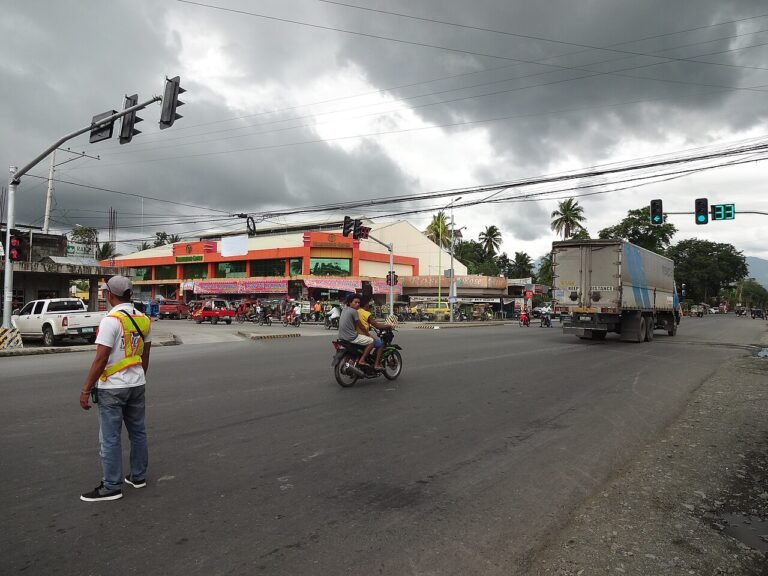
Butuan is a working city of around 370,000 people and not a pretty one, but it is comfortable and cheap. Guingona Park and the cathedral area make a pleasant early evening walk. Robinsons and Gaisano cover the mall and food court needs. The Magellan Marker at Magallanes claims the site of the first Catholic mass in Mindanao, which is contested by other towns, and is honestly a five minute stop.
What Butuan does well is food. This is Agusan River country, so freshwater fish, and the city has a strong grilled seafood and lechon manok scene along the food strips. A full meal at a local carinderia runs PHP 80 to 150, a proper restaurant dinner PHP 250 to 500.
Cabadbaran and the Ancestral Houses
Cabadbaran is the provincial capital and a nicer place to wander than Butuan. The draw is a cluster of early 20th century ancestral houses around the town centre, several still lived in, plus the Centennial Bitaug Tree, which is credibly reckoned to be more than 500 years old.
Tumipi Cold Spring is the other Cabadbaran stop, a clear mountain fed pool with shallow and deep ends and cheap cottages for rent. Midday is the time to go, when the sun makes the cold water make sense. Entrance is small, usually under PHP 50, with cottages from around PHP 300.
Getting there from Butuan is a jeepney or van from the integrated terminal, around PHP 60 to 80, 45 minutes.
Waterfalls and Mount Hilong Hilong
Mount Hilong Hilong is the highest peak in Agusan del Norte and in the whole Caraga region at 2,012 metres, with seven known waterfalls on its slopes and an unknown number of unexplored caves. It is a serious undertaking, four to five days to the summit, requiring a registered guide and genuine preparation. Almost no casual visitor does it and you should not attempt it on a whim.
For day visitors the accessible falls sit in the foothills near Cabadbaran and Tubay. These are lightly developed, which means no railings, no lifeguards and rough access roads. Habal habal is usually the last leg, around PHP 150 to 300 each way after negotiation.
Honest warning: many of these falls are seasonal. In the dry months from February to May several are a trickle. Ask at your hotel what is actually running before you commit a day and a motorbike fare to one.
The Coast: Buenavista, Carmen and Nasipit
Agusan del Norte has coastline along Butuan Bay, with beaches around Buenavista, Carmen and Nasipit. Set expectations properly. This is not Siargao or Camiguin. The sand is grey brown, the water is calm rather than clear, and the beaches are local family day trip spots with cottages and sound systems rather than resorts.
They are pleasant for an afternoon and very cheap, usually PHP 20 to 50 entrance plus PHP 200 to 500 for a cottage. If clear water is the point of your trip, Camiguin is a few hours away and is what you actually want.
Where to Stay in Agusan del Norte
Almost all accommodation is in Butuan, and there is a reasonable spread.
- Budget, roughly PHP 700 to 1,200. Small inns and pension houses near the city centre and the terminal. Aircon, hot water inconsistent, fine for a night.
- Mid range, roughly PHP 1,500 to 2,800. Business hotels including the chain options near the malls. This is the sweet spot and where most visitors should sit. Reliable wifi, generator, breakfast usually included.
- Upper, roughly PHP 3,000 to 5,000. The best hotels in the city. Comfortable rather than luxurious. There is no genuine high end resort in the province.
Book a place with a generator. Brownouts happen, particularly in storm season.
What a Trip Actually Costs
Excluding flights, a full day in Agusan del Norte runs roughly PHP 1,200 to 2,000 per person. That covers a mid range room split two ways, local transport, museum entries which are mostly free, and three meals.
A two day, two night trip including a Cabadbaran day and a falls or beach afternoon comes to roughly PHP 4,000 to 6,500 per person, again excluding airfare. Add PHP 800 to 1,500 if you hire a van for a day rather than using jeepneys, which is worth it if there are three or more of you.
Best Time to Visit
Caraga has no proper dry season, which is the thing to understand. Rain is spread through the year and the heaviest months are usually November to January. February to May is the driest stretch and the best window, though that is also when the waterfalls run thin.
Butuan is outside the main typhoon corridor but not immune. The practical advice is to travel in the February to May window, accept that you may still get a wet afternoon, and not plan a trip around waterfalls in April.
Getting Around Once You Are There
Butuan runs on multicabs and tricycles. A short tricycle hop in the city is around PHP 15 to 25 per person, a multicab route ride about PHP 12 to 15. Nobody uses a meter, so for anything longer agree the price first. Ride hailing apps have patchy coverage here, so do not rely on them.
For out of town trips, jeepneys and vans leave from the Butuan integrated terminal. Cabadbaran is around PHP 60 to 80 and vans go when full rather than on a schedule, which in practice means every 20 minutes or so until mid afternoon. After about 5pm departures thin out badly, so plan your return leg earlier than feels necessary.
Hiring a van with a driver for a day costs roughly PHP 2,500 to 4,000 depending on distance. Split three or four ways that beats the jeepney faff, and it is the only sensible option for the foothill waterfalls where public transport does not reach.
Food Worth Ordering
Agusan cooking leans on the river and on Higaonon and Manobo influences. Look for freshwater fish grilled simply, and for kinilaw made with local vinegar. Butuan is also known for its lechon manok stalls and for bibingka and other rice cakes sold in the mornings near the markets.
A carinderia plate runs PHP 80 to 150. Sit down restaurant mains are PHP 180 to 400. It is one of the cheaper provinces in the country to eat well in, and the seafood is better value than anything you will pay double for in Davao.
What to Skip
The Magellan Marker, unless you are already passing. It is a monument by a road and the historical claim is disputed.
The beaches, if you have any coastal Philippines experience at all. They are fine, they are not why you came.
Mount Hilong Hilong, unless you are a prepared multi day trekker with a guide arranged in advance. And skip trying to do Agusan del Norte and Agusan del Sur properly in the same two days. They are a long province apart and you will spend the trip on a bus. The Agusan del Sur guide explains why that one deserves its own trip.
A Realistic Two Day Plan
Day one. Land at Bancasi in the morning. Balangay Shrine Museum, then the National Museum branch. Lunch in the city. Afternoon at Guingona Park and the food strips. Early night.
Day two. Van to Cabadbaran by 8am. Ancestral houses and the Bitaug Tree, then Tumipi Cold Spring around midday. Back to Butuan by late afternoon. Evening flight out or one more night.
If you have a third day, that is when Agusan del Sur and the marsh become possible, or an onward bus to Surigao for Siargao. The things to do in Agusan del Norte list goes deeper on the individual stops.
Quick FAQ
Is Agusan del Norte worth visiting? Yes, for two days, if you care about pre colonial history. The Balangay Shrine and the National Museum branch are genuinely significant and almost empty. It is not a beach or resort destination.
How do I get to Agusan del Norte? Fly into Bancasi Airport in Butuan from Manila in about 1 hour 40 minutes or Cebu in about 50 minutes. Buses connect Butuan to Davao in roughly 5 hours and Surigao City in about 3.
How many days do you need in Agusan del Norte? Two days and two nights covers the museums, Cabadbaran and one waterfall or beach afternoon comfortably. Three if you want to add Agusan del Sur.
Is Butuan safe for tourists? Yes. Butuan is one of the calmer cities in Mindanao and sits well away from the areas covered by security advisories. Normal city precautions are enough.
What is the best time to visit Agusan del Norte? February to May is the driest window. Caraga gets rain year round with the heaviest falls from November to January. Waterfalls run low late in the dry season.
What does a trip to Agusan del Norte cost? Roughly PHP 1,200 to 2,000 per person per day excluding flights, or PHP 4,000 to 6,500 for a two night trip covering a mid range room, transport and meals.