
Agusan del Sur is the province most travellers pass through on the bus between Butuan and Davao without ever stopping. This Agusan del Sur travel guide is an argument for stopping, because the province holds the largest freshwater wetland in the Philippines, a four tier waterfall almost nobody reaches, and Manobo floating villages where houses rise and fall with the water level.
It is also awkward to visit, needs more time than you expect, and rewards people who are comfortable being the only outsider in the boat. Here is what it actually takes.
Where Agusan del Sur Is and Why It Is Awkward
Agusan del Sur is a long inland province in the Caraga region, running south from Butuan down the Agusan River valley toward Davao. There is no airport and no coastline. Prosperidad is the capital, Bayugan is the largest city, and Bunawan, Talacogon and Loreto are the towns that matter for the marsh.
The province is shaped like a trough, with mountains on both sides and the Agusan River flooding the middle. That single geographic fact explains the marsh, the farming, and why getting anywhere off the national highway takes a boat or a motorbike.
Distances are the thing people get wrong. Butuan to Bunawan is roughly 3 hours. Bunawan to the marsh proper is another 3 hours by river boat. You cannot do the marsh as a day trip from Butuan and you should not try.
How to Get to Agusan del Sur
Fly to Butuan. Bancasi Airport in Butuan, code BXU, is the nearest, with Manila flights around 1 hour 40 minutes and Cebu around 50 minutes. From Butuan, Bachelor Express and other Davao bound buses run all day down the highway. Butuan to Bayugan is roughly 2 hours, to Prosperidad about 2.5, to Bunawan around 3. Fares sit at roughly PHP 150 to 300 depending on the leg and whether you take aircon.
Or fly to Davao. Coming up from Davao takes about 4 to 5 hours by bus to Bunawan. If the marsh is your only target, Davao is the better airport because Bunawan is closer to that end.
The Agusan del Norte travel guide covers the Butuan end in detail if you are combining the two.
Agusan Marsh: The Main Event
The Agusan Marsh Wildlife Sanctuary is the largest wetland in the Philippines and an ASEAN Heritage Park, covering a vast complex of lakes, peat swamp forest and seasonally flooded grassland. In the wet season it swells into an inland sea. It is home to Philippine crocodiles, purple herons, water monitors, and a startling number of migratory birds between November and February.
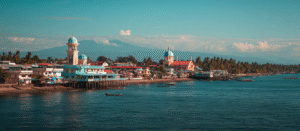
The famous sight is the floating Manobo villages, Panlabuhan in particular, where houses sit on rafts and rise with the flood. People have lived this way for generations and it is not a staged attraction.
Practical numbers. Entrance to the DENR floating centre is around PHP 100. A return motorboat to Lake Mihaba is roughly PHP 1,500 for the boat, so split it. Canoe hire around the lake is about PHP 200 per hour for one or two passengers. An overnight package at Panlabuhan floating village, including meals, entrance and canoe, runs around PHP 2,200 per person.
Access is through Bunawan or Loreto. You need to arrange this in advance through the municipal tourism office rather than turning up, because boats are not on standby and the community coordinates visits.
Bega Falls: Four Tiers and 396 Steps
Bega Falls in Prosperidad is the province’s best known waterfall and it is genuinely impressive, dropping in four tiers over limestone with ferns and moss on the walls. It is often wrongly listed as an Agusan del Norte attraction because people visit from Butuan.
Fees are around PHP 70 for entrance plus roughly PHP 50 environmental fee. Getting there from Prosperidad town proper means hiring a motorbike for about 1 to 1.5 hours to the jump off, then 396 steps down, a 10 to 15 minute walk depending on your knees.
The honest caveat is those 396 steps are worse coming back up in the heat than going down, and the motorbike leg on a rough road is uncomfortable for anyone with a bad back. Go early. Skip it entirely after heavy rain when the trail is slick.
Bayugan, Prosperidad and the Towns
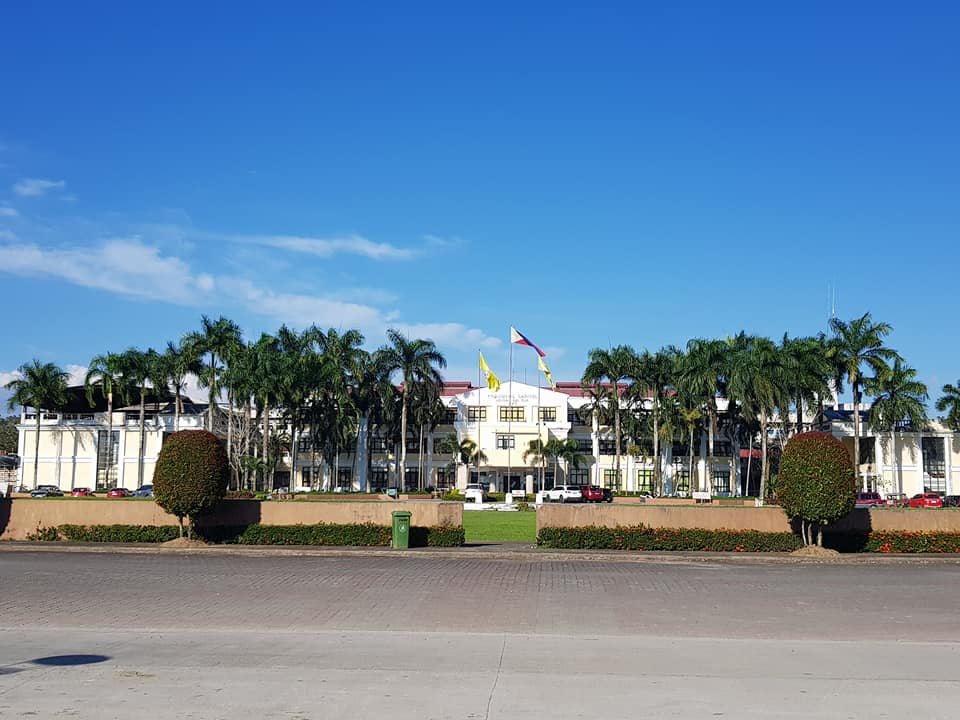
Bayugan is the commercial centre and where you will find the most reliable hotels and the biggest market. Prosperidad has the provincial capitol and is the base for Bega Falls. Trento and San Francisco are highway towns with basic lodging.
None of these are sightseeing destinations and it would be dishonest to pretend otherwise. They are bases. San Francisco is the most useful midpoint if you are splitting the province north to south.
Where to Stay in Agusan del Sur
Accommodation is basic across the province. Expect provincial inns rather than hotels.
- Budget, roughly PHP 500 to 900. Simple inns in Bayugan, Prosperidad and San Francisco. Fan or basic aircon, cold shower likely.
- Mid range, roughly PHP 1,200 to 2,200. The better places in Bayugan. Aircon, hot water, wifi that mostly works. This is the realistic ceiling in the province.
- In the marsh, roughly PHP 2,200 per person. The Panlabuhan floating village overnight, which includes meals. A raft house, a mosquito net and no electricity for much of the night. It is the best thing you can do here and it is not comfortable.
If you want a proper hotel, sleep in Butuan and accept the travel time. Butuan has real business hotels in the PHP 1,500 to 2,800 bracket, which the highway towns simply do not.
What a Trip Actually Costs
Excluding flights, budget roughly PHP 1,000 to 1,600 per person per day for the highway towns, covering a basic room, bus fares and meals. Food is cheap, with carinderia plates at PHP 70 to 130.
The marsh is the expense. A two day, one night marsh trip from Bunawan comes to roughly PHP 3,500 to 5,000 per person once you have covered boat hire, the overnight package, fees and getting to Bunawan. Split between three or four people the boat cost drops sharply, so this is a trip that punishes solo travellers.
A realistic four day province visit including the marsh and Bega Falls lands around PHP 7,000 to 11,000 per person excluding airfare.
Best Time to Visit Agusan del Sur
This is a genuine decision rather than a formality, because the marsh changes completely with the season.
November to February is the wet peak. The marsh is at its fullest, the floating villages are properly floating, and the migratory birds are in. This is the best time to see it and the worst time to travel the roads.
March to May is drier. Roads and Bega Falls are easier, but the marsh shrinks, boat routes change and some lakes become hard to reach. Bega Falls also runs thinner late in this window.
If the marsh is your reason for coming, go in the wet and accept the mud. If you want the waterfall and the towns, go in the dry.
Safety and Practicalities
Agusan del Sur is calm and the highway corridor is routine travel. It sits well outside the areas covered by the serious security advisories in the far south, and visitors are a curiosity rather than a target.
The real risks are practical. Phone signal disappears in the marsh and in the uplands. There is no ATM in the small towns, so draw cash in Butuan, Bayugan or Davao before you head out. Medical facilities are limited and the referral hospital is in Prosperidad, with anything serious meaning a transfer to Butuan or Davao. Bring a basic first aid kit and repellent, because the marsh has mosquitoes in quantity.
Getting Around Inside the Province
The national highway is the spine and buses run it constantly, so moving between Bayugan, Prosperidad, San Francisco, Trento and Bunawan is easy and cheap. Flag one down at the roadside rather than hunting for a terminal. Short highway hops cost PHP 50 to 150.
Everything off the highway needs a habal habal, the single motorbike taxi. Reckon on PHP 150 to 400 for a longer run after negotiating, and agree the return trip with the same driver because you will not find another one waiting at a trailhead.
There is no organised tourist transport, no hop on service and no reliable ride hailing. If that sounds like hard work, it is, and it is also why the marsh has not been ruined.
What to Eat
River and marsh food, which is unusual for the Philippines. Freshwater fish, including tilapia and hito, grilled or done as kinilaw with local vinegar. In the marsh communities you may be offered dishes built around whatever came out of the water that morning, which is the honest version of a food experience.
Inland Mindanao also means good root crops and strong coffee. Bayugan market is the best place to eat cheaply and well, with plates at PHP 70 to 130. Do not expect restaurants in the Butuan or Davao sense anywhere in the province.
Who This Province Is For
Being straight about it: Agusan del Sur suits birders, photographers, and travellers who have already done the obvious Philippines and want somewhere that has not been packaged. The marsh in the wet season is a genuinely rare thing to see.
It does not suit first time visitors, anyone on a tight schedule, families with small children, or travellers who need comfortable beds and reliable wifi. There is no shame in reading this and deciding to go to Siargao instead. Both are a few hours from the same airport.
What to Skip
Skip the province entirely if you have fewer than three days. Agusan del Sur does not reward a rushed visit and you will spend it all on buses.
Skip the marsh in the late dry season, when what you paid to see is a grassland with some ponds in it.
Skip the highway towns as destinations. Bayugan and Prosperidad are logistics, not sightseeing, and travellers who book two nights in Bayugan expecting things to do are always disappointed.
And skip trying to combine this with Siargao in a week. Both deserve better. The things to do in Agusan del Sur list has the individual stops if you are building an itinerary.
Quick FAQ
How do I get to Agusan del Sur? Fly to Butuan, roughly 1 hour 40 minutes from Manila, then take a Davao bound bus down the highway. Butuan to Bayugan is about 2 hours and Butuan to Bunawan about 3. Davao is the better airport if the marsh is your only goal.
Can I visit Agusan Marsh as a day trip? No. Bunawan is around 3 hours from Butuan and the marsh is a further 3 hours by river boat. Plan at least one overnight, ideally at the Panlabuhan floating village.
How much does the Agusan Marsh tour cost? Around PHP 100 entrance at the DENR floating centre, roughly PHP 1,500 for a return motorboat to Lake Mihaba, about PHP 200 per hour for a canoe, and around PHP 2,200 per person for an overnight package with meals.
What is the entrance fee at Bega Falls? Around PHP 70 entrance plus roughly PHP 50 environmental fee, then a motorbike hire to the jump off and 396 steps down to the falls.
When is the best time to visit Agusan del Sur? November to February for the marsh at its fullest and the migratory birds. March to May for easier roads and Bega Falls, though the marsh shrinks considerably.
Is Agusan del Sur safe for tourists? Yes. The province is calm and far from the areas under serious security advisories. The practical concerns are no phone signal in the marsh, few ATMs and limited medical facilities.