
Beyond the White Sand: A Practical Guide to Panglao Island
Did you know that Panglao Island, while only 91 square kilometers, is connected to the much larger island of Bohol by two bridges? This unique link means visitors get the best of both worlds: a world-class beach destination with direct access to the rich cultural and natural wonders of the mainland. But don’t be too quick to cross that bridge. Panglao itself offers a surprisingly dense collection of activities that go far beyond its famous shorelines. Whether you’re a diver, a foodie, or a family looking for a relaxed getaway, understanding the island’s rhythm is key to a truly rewarding trip. This is your definitive guide to the best things to do in Panglao.
Sun, Sand, and Subterranean Pools
The main draw for many is, without a doubt, the coastline. Alona Beach is the island’s vibrant heart, a 1.5-kilometer stretch of white sand lined with dive shops, restaurants, and resorts. It’s the hub of activity, especially as the sun sets and the beachfront grills fire up. A common traveler concern here is the sheer number of vendors and tour operators. Insider tip: Instead of booking with the first person you meet, walk the length of the beach, compare prices for island hopping tours (typically starting around ₱2,000 / $35 for a private boat), and don’t be afraid to negotiate politely. For a calmer, more family-oriented atmosphere, head to Dumaluan Beach. Its wider shoreline and calmer waters make it ideal for relaxation, with fewer boats and a more spacious feel. Entrance fees to resort-managed sections of the beach are common, usually around ₱50-₱100 ($1-$2).
Inland, you’ll find one of the most unique tourist attractions in Panglao: Hinagdanan Cave. A limestone cavern with a deep, clear lagoon, it offers a cool respite from the tropical heat. Descending the stone steps into the earth reveals a chamber lit by sunlight filtering through holes in the ceiling. You can swim in the cool waters for a separate fee. It can get crowded, so try to visit on a weekday morning. The entrance fee is about ₱50 ($1) per person, with an additional ₱75 ($1.30) if you choose to swim.
Echoes of History and Faith
While known for nature, Panglao’s cultural fabric is just as compelling. Take a tricycle to Panglao Town and visit St. Augustine Church, a centuries-old structure made of coral stones. Note its unique ceiling paintings and the adjacent watchtower, a remnant of the Spanish colonial era when communities needed to defend against pirate raids. A short ride away in the municipality of Dauis (still on Panglao Island), you’ll find the equally impressive Our Lady of the Assumption Church. Legend has it that a well at the foot of its altar contains miraculous healing water; a testament to the deep-rooted faith that shapes local life. Visiting these sites offers a quiet, contemplative break from the beach scene and a deeper understanding of Bohol’s history.
From Farm-to-Table to Fresh-off-the-Boat
Exploring the local food scene is one of the essential things to do in Panglao. A must-visit is the Bohol Bee Farm. Far more than just an apiary, it’s a resort, restaurant, and advocate for organic farming. Their clifftop restaurant serves delicious, fresh meals featuring edible flowers and homemade honey-based sauces. Don’t leave without trying their uniquely flavored ice creams like spicy ginger, malunggay, or avocado. For seafood lovers, the nightly barbecue scene along Alona Beach is an experience. You simply pick your fresh catch—fish, squid, prawns—and have it grilled to order. Be aware that pricing is usually by weight (per 100 grams), so clarify the total cost before they start cooking to avoid surprises.
Diving Deep and Chasing Dolphins
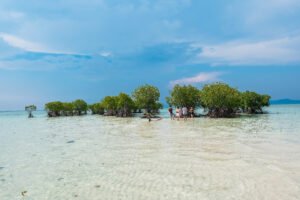
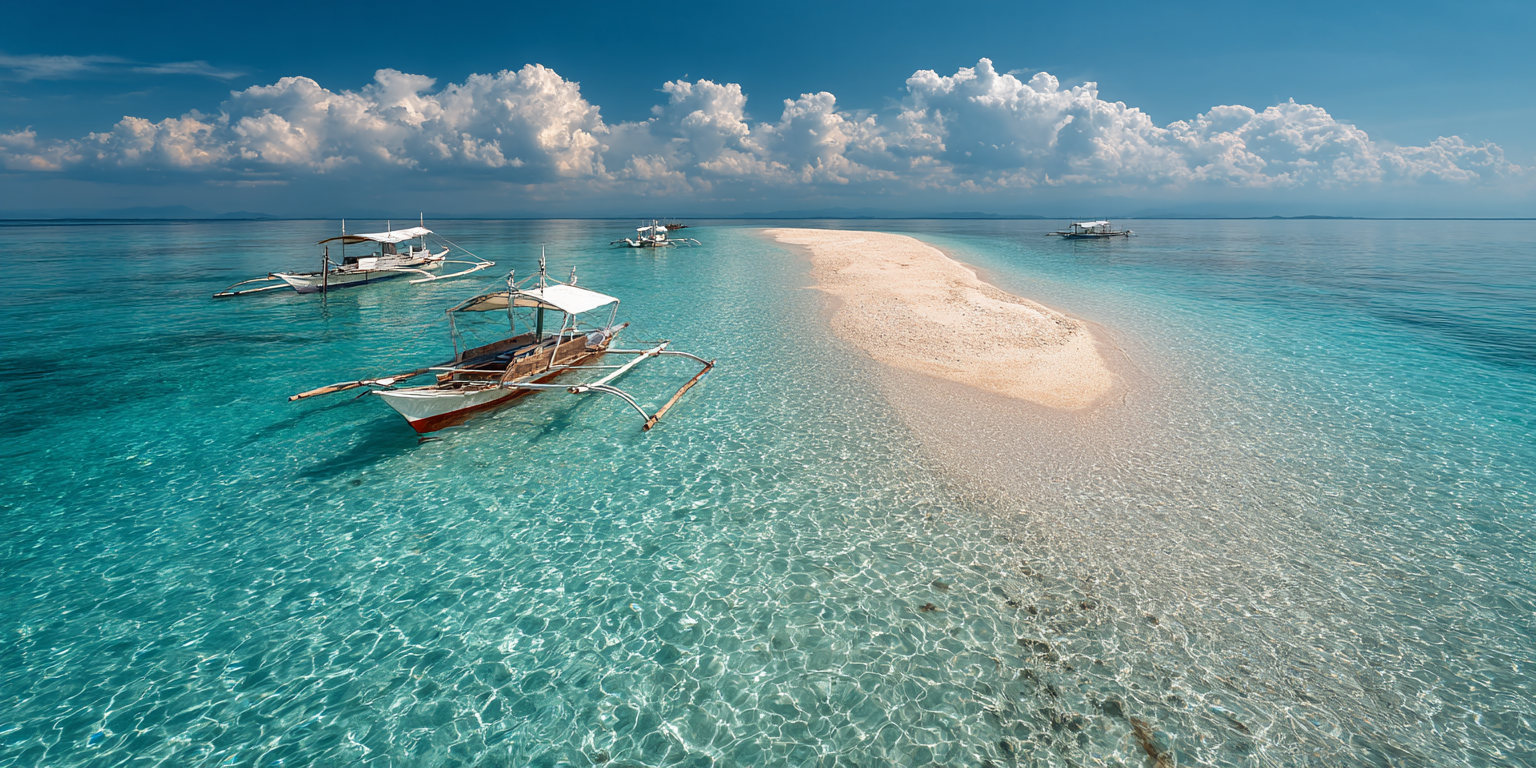
Panglao is a premier destination for underwater adventure. The surrounding waters are a protected marine sanctuary, offering incredible biodiversity. The most famous excursion is the trip to Balicasag Island, a small, circular island renowned for its vibrant coral reefs and abundant sea turtle population. Standardized rates are now in place for guides and environmental fees, which promotes sustainability. A typical island-hopping tour also includes a stop at Virgin Island (Pungtud Island), a stunning sandbar that appears during low tide. For certified divers, the area offers wall dives, coral gardens, and encounters with jackfish, barracuda, and frogfish. Numerous PADI-certified dive shops line Alona Beach, with a discovery dive costing around ₱3,500-₱4,500 ($60-$75). Another popular early-morning activity is dolphin watching, where boats head out at sunrise to spot pods of spinner dolphins. Combining dolphin watching with the Balicasag tour is a popular and efficient way to experience the best of the Bohol Sea.
Finding Your Quiet Corner
If the energy of Alona feels overwhelming, seek out the island’s quieter spots. Momo Beach, on the western side of Panglao, offers a more rustic and local feel. The sand may not be as powdery as Alona’s, but the peace and quiet are a worthy trade-off. It’s a great spot to watch the sunset without the crowds. Another worthwhile stop is the Shell Museum, a private collection showcasing an astonishing variety of seashells from both the Philippines and around the world. It’s an unexpected and fascinating detour that highlights the natural artistry of the ocean.
A Panglao Travel Guide: Essential Tips
Getting around Panglao is relatively straightforward. Tricycles are the most common form of transport for short distances, with fares starting from ₱50 ($1) and increasing with distance. Always agree on the price before you start your journey. For more flexibility, consider renting a scooter (around ₱300-₱500 / $5-$9 per day). It’s the best way to explore the island at your own pace. The Panglao-Bohol International Airport (TAG) makes getting here easier than ever, with direct flights from Manila and other key hubs. The best time to visit is during the dry season, from December to May. Be aware that the peak seasons (Christmas, New Year, and Easter) see a significant surge in tourists and prices. Booking accommodations and tours in advance during these periods is highly recommended.
Ultimately, Panglao’s magic lies in its balance. It’s developed enough to be comfortable and accessible, yet it retains a genuine island charm that’s easy to connect with. It’s a place where you can have an adventure-packed day of diving and exploring, then settle in for a quiet meal with your feet in the sand. What will you discover first?
More Philippines Destinations to Explore
Worth adding to a longer Philippines trip:
- Top Things to Do in Tuguegarao
- Scuba Diving Tubbataha Reef: Liveaboards, Season and Costs
- Maguindanao Travel Guide: Grand Mosque, Pink Mosque and Safety Tips
Plan Your Trip to Panglao
Ready to book? Compare hotels and tours in Panglao below.
- Search Hotels in Panglao on Booking.com
- Compare Hotels in Panglao on Agoda
- Find Tours and Activities in Panglao on Klook
- Book Tours in Panglao on GetYourGuide
Booking through these links may earn us a small commission at no extra cost to you.