Did you know that Cebu is the oldest city in the Philippines? Established in 1565, it’s a place where 500-year-old stone churches stand minutes away from modern cafes and bustling tech hubs. This blend of old and new, urban and natural, is what makes figuring out the best things to do in Cebu such a rewarding challenge. It’s more than just a gateway to the country’s central islands; Cebu is a destination in its own right, offering a dense tapestry of experiences from the mountain highlands to the deep blue sea.
Island Life and Underwater Worlds
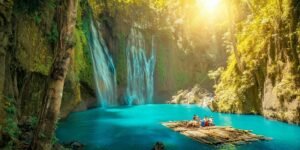
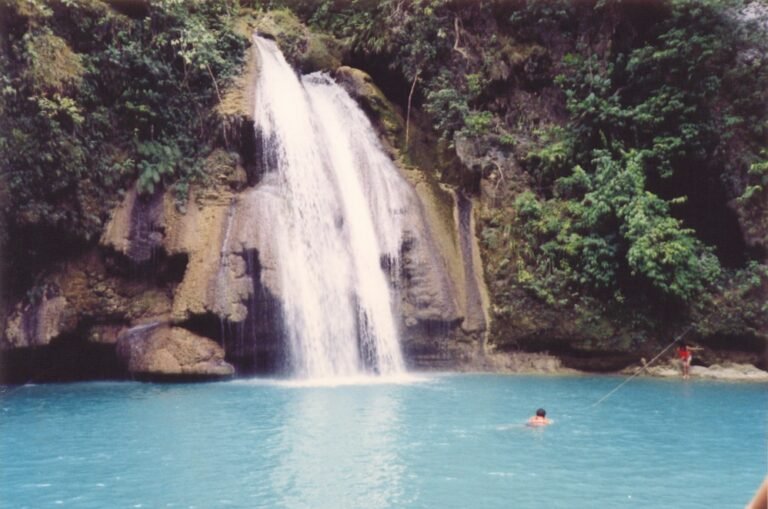
Most visitors are drawn to Cebu’s natural landscapes, and for good reason. The island province is a playground for outdoor enthusiasts. In South Cebu, the town of Badian is famous for canyoneering, an adventure that involves hiking, scrambling, and leaping down a series of waterfalls, culminating at the stunningly blue Kawasan Falls. A guided tour is mandatory for safety and costs around around 1,500 to 2,000 PHP per person, which includes gear and a guide. A key tip: go on a weekday to avoid the weekend crowds that pour in from the city.
Just a short drive from Badian is Moalboal, a must-visit for one of the most incredible marine spectacles: the sardine run. Here, millions of sardines move in a massive, shimmering ball just meters from Panagsama Beach. You don’t even need scuba gear; a simple snorkel and mask are enough to witness this phenomenon. For certified divers, the nearby Pescador Island offers dramatic wall dives and a chance to see sea turtles and vibrant coral gardens. This is a core part of any good Cebu travel guide.
A Walk Through History and Faith
To truly understand Cebu, you must connect with its past. Start in the heart of Cebu City at the Basilica Minore del Santo Niño de Cebú, the country’s oldest Roman Catholic church. It houses the revered Santo Niño statue, a gift from Ferdinand Magellan to Rajah Humabon’s wife in 1521. A few steps away, you’ll find Magellan’s Cross, a kiosk housing a large wooden cross that symbolizes the arrival of Christianity in the Philippines. Be aware of the respectful dress code when visiting the Basilica: shoulders and knees should be covered.
For a panoramic view of the city and a quieter historical encounter, take a taxi up to the Cebu Taoist Temple in the Beverly Hills subdivision. Built in 1972 by the local Chinese community, its multi-tiered architecture and tranquil gardens offer a peaceful escape. The entrance is free, but remember it’s a place of worship, so maintain a quiet demeanor. Exploring these tourist attractions in Cebu provides a deep sense of the island’s cultural foundations.
Savoring Cebu: From Markets to Lechon
You can’t talk about Cebu without mentioning lechon, the legendary roasted pig with unbelievably crispy skin. While many famous eateries exist in the city, locals often point to the town of Carcar, about an hour south, for the most authentic version. At the Carcar Public Market, you can buy it by the kilo (around 800 to 1,000 PHP) and eat it right there with puso (hanging rice).
Beyond lechon, dive into the local food scene at a “dampa” or “sutukil” restaurant. Sutukil is a portmanteau of three Cebuano words: Sugba (grill), Tula (stew), and Kilaw (marinate in vinegar). You pick fresh seafood from a display, and the restaurant prepares it in these three styles. For a truly local market experience, visit the Taboan Public Market, famous for its vast array of dried fish, or “bulad.” The smell is potent, but it’s an authentic slice of Cebuano commerce.
Adrenaline and Altitude
For those seeking a rush, Cebu delivers. On the northern tip of the island, Malapascua Island is one of the few places in the world where you can reliably dive with thresher sharks. These elegant creatures with long, whip-like tails are often seen at Monad Shoal during early morning dives. It’s an unforgettable experience for advanced divers. Many dive shops on the island offer the PADI Advanced Open Water course if you’re not yet certified for deep dives.
If you prefer heights to depths, consider a trip to Osmeña Peak in Dalaguete. Known as the highest point in Cebu, its unique, jagged hills are often compared to Bohol’s Chocolate Hills, but with a sharper edge. The hike to the summit is relatively easy, about 20 to 30 minutes from the trailhead, and offers breathtaking 360-degree views of both the east and west coasts of the island. It’s one of the most rewarding things to do in Cebu for sunrise or sunset.
Beyond the Main Tourist Trail
Looking for what to do in Cebu that’s a bit different? Consider a visit to Camotes Islands, often called the “Lost Horizon of the South.” It’s a group of islands east of Cebu known for its pristine beaches, freshwater Lake Danao (where you can kayak), and impressive cave pools like Timubo Cave. It requires a ferry ride from Danao Port (north of Cebu City), which is why it remains less crowded than other spots.
Another insider tip is to explore the Bojo River in Aloguinsan, home to an award-winning ecotourism project managed by the local community. A guided cruise on a small outrigger boat takes you through a serene mangrove forest that opens up to the sea. The tour (around 650 PHP) includes a local guide explaining the ecology and history of the area, plus a delicious local lunch. It’s a fantastic model of sustainable, community-based tourism.
IT Park: Cebu’s Nightlife and Food Hub
Cebu is not only churches and canyons. IT Park, the business district built around the city’s tech and BPO industry, has become the default place locals and visitors head for food and drinks after dark, and it barely slows down even on a weeknight. Sugbo Mercado, an open air night market of roughly 50 food stalls inside IT Park, is the easiest way to sample a huge range of Cebuano and pan Asian street food in one visit, from grilled seafood to Korean barbecue to halo halo, typically running Tuesday through Sunday from around 4pm to midnight. For a view over the district, Straight Up at Seda Central Bloc sits on the hotel’s rooftop with panoramic views across IT Park and a solid cocktail menu to match.
Ayala Center and Crossroads: Where Cebu Actually Eats
Ayala Center Cebu is the city’s main mall and dining hub, dense enough that you could eat a different meal there every day for a week and not repeat yourself, from Filipino comfort food to Korean barbecue buffets. A short drive away in Banilad, Crossroads is a smaller, more design forward strip that leans international: Maya for Southern California style Mexican food and a serious all agave tequila bar, Banri for handmade Japanese noodles and tofu, and Trattoria DiGianni for Italian. Abaca Baking Company, with locations in both areas, is worth a stop for breakfast pastries alone.
Cebu’s Craft Cocktail Scene
Cebu’s speakeasy culture is smaller than Manila’s but growing fast, and a few spots are genuinely worth seeking out. Llula, named after the Spanish word for dragonfly, is a 120 square meter speakeasy with a relaxed, intimate feel. The Vault Room in Oakridge Business Park leans into a quieter, classic cocktail setting. The Distillery Bar in Cebu Business Park is the pick for whiskey and gin fans specifically, with a genuinely deep spirits collection for a city this size. Expect to pay roughly 300 to 500 PHP for a standard craft cocktail, more for a premium or bespoke pour.
Continue Planning Your Cebu Trip
Cebu works well as a hub for island hopping across the Visayas and Mindanao. Here is how to get to nearby islands from here.
- How to Get from Cebu to Siargao: All Options Compared
- How to Get from Cebu to Camiguin: All Options Compared
- How to Get from Cebu to Dumaguete: All Options Compared
- How to Get from Cebu to Siquijor: All Options Compared
- How to Get from Cebu to Bohol: All Options Compared
Plan Your Trip to Cebu
Ready to book? Compare hotels and tours in Cebu below.
- Search Hotels in Cebu on Booking.com
- Compare Hotels in Cebu on Agoda
- Find Tours and Activities in Cebu on Klook
- Book Tours in Cebu on GetYourGuide
Booking through these links may earn us a small commission at no extra cost to you.
Cebu Entrance Fees and Activity Prices
Cebu is not an expensive province, but the headline activities carry real fees and it is worth knowing them before a tour operator quotes you a package.
Oslob whale shark watching: around 1,000 pesos for foreign visitors and around 500 pesos for Filipinos, for a thirty minute slot. Open roughly 6am to noon, and you must arrive early, ideally before 7am, because the sharks stop being fed and the boats stop going out around 11am.
Kawasan Falls: entrance around 60 to 100 pesos, plus roughly 20 pesos environmental fee. Canyoneering from Kanlaob down to the falls runs around 1,500 to 2,500 pesos per person including guide, helmet, life vest and usually transport. Open roughly 6am to 5pm.
Moalboal sardine run: free if you swim out from Panagsama Beach with your own snorkel. Guided snorkel trips are around 1,000 to 1,500 pesos, and a two tank dive around 2,500 to 3,500 pesos.
Pescador Island boat trip: around 1,500 to 2,500 pesos for a shared boat including the sardines and a turtle stop.
Magellan’s Cross, Basilica del Santo Nino, Fort San Pedro: free, free, and around 30 pesos respectively.
Temple of Leah: around 120 pesos. Sirao Flower Garden: around 50 to 100 pesos. Tops Lookout: around 100 pesos.
Osmena Peak: around 30 to 50 pesos, plus a habal habal up from Mantalongon at roughly 150 to 250 pesos.
Bantayan and Malapascua ferries: around 200 to 400 pesos each way from Hagnaya and Maya respectively.
Getting Around Cebu Province
Cebu Island is long, roughly 200 kilometres north to south, and the distances surprise people who assume everything is a short hop from the city.
From Mactan Cebu International Airport into Cebu City: Grab around 300 to 500 pesos, metered taxi around 250 to 400 pesos, roughly 45 minutes to an hour and longer in traffic.
Cebu City to Moalboal: bus from the South Bus Terminal, around three hours, roughly 150 to 250 pesos. Ceres buses run through the night.
Cebu City to Oslob: around three to four hours, roughly 200 to 300 pesos. Most people take the overnight or predawn bus to make the whale shark window.
Cebu City to Bantayan: bus to Hagnaya around three and a half hours at roughly 200 pesos, then the ferry at around 300 pesos and one hour.
Cebu City to Malapascua: bus to Maya around four to five hours at roughly 250 pesos, then a boat at around 200 to 400 pesos.
In Cebu City itself: Grab works well and is the easiest option. Jeepneys cost around 13 to 20 pesos and require knowing the route codes.
Where to Stay in Cebu: Choosing a Base
The biggest mistake visitors make is basing themselves in Cebu City and day tripping everywhere. The city is a transport hub with decent food and not much else for a tourist, and the drives are long.
Mactan, for resorts, diving and being near the airport. Budget around 1,500 to 2,500 pesos, mid range around 4,000 to 8,000, resorts from around 9,000 upward.
Cebu City, for one or two nights of logistics and food. Budget around 900 to 1,600 pesos, mid range around 2,500 to 4,500.
Moalboal, the best all round base in the south for most travellers. Hostel beds around 500 to 900 pesos, mid range around 2,000 to 4,000, upper around 6,000 plus.
Bantayan and Malapascua, for beaches and thresher shark diving respectively. Budget around 1,000 to 1,800 pesos, mid range around 2,500 to 5,000.
A workable shape for a week is two nights Mactan or Cebu City, three nights Moalboal, two nights Bantayan or Malapascua.
What a Cebu Trip Actually Costs
Budget day: around 2,000 to 3,000 pesos with a hostel bed, bus travel, local food and one paid activity.
Mid range day: around 5,000 to 8,000 pesos with a comfortable room, Grab or a private van, restaurant meals and a dive or a tour.
A week for two, mid range: roughly 70,000 to 100,000 pesos including accommodation, all transport within the province, canyoneering, diving and food, excluding international flights.
Meals: carinderia around 100 to 180 pesos, mid range restaurant around 350 to 600 pesos, lechon by the kilo at the famous Cebu City spots around 600 to 900 pesos.
Best Time to Visit Cebu and What to Skip
January through May is the dry window, with February to April the pick. Sinulog in the third week of January is one of the great Philippine festivals and the city is full, so book months ahead. The wet season runs roughly June to November, and while Cebu sits off the main typhoon track, storms do hit. Thresher shark sightings at Malapascua run year round.
The honest negatives. Cebu City itself is congested, polluted and not a sight in its own right, and two days is generous. Oslob whale shark watching is controversial: the animals are hand fed to keep them in the bay, the encounter is thirty crowded minutes, and many divers consider it unethical. Whale shark encounters in Donsol are wild and more defensible if that matters to you. Kawasan Falls has been heavily commercialised and the water at the first tier is often full of rafts and queues. Mactan’s beaches are mostly resort owned, narrow and unremarkable compared to anywhere in the Visayas. And the drive times will eat more of your week than you plan for.
For deeper dives, see our Moalboal guide, the Cebu to Siquijor route comparison, and things to do in Bohol, the usual next island.
Quick FAQ
How many days do you need in Cebu? Three to four days covers the city sights, IT Park’s food and nightlife, and a day trip to Kawasan Falls or Moalboal without rushing. Add more if you’re island hopping onward.
Is Cebu City safe for tourists? Generally yes in the areas covered here (Ayala Center, IT Park, Crossroads, the historic core), with normal city precautions after dark.
What’s better for a night out, IT Park or Crossroads? IT Park is louder, busier, and open later, good for a proper night out. Crossroads is quieter and more about a nice dinner than a late night, better if you want conversation over volume.
How much does canyoneering at Kawasan Falls cost? A guided tour runs around 1,500 to 2,000 PHP per person, which typically includes the guide, safety gear, and entrance fees.
What’s the best time of year to visit Cebu? The dry season from December through May has the most reliable weather for waterfalls, island hopping, and outdoor activities generally.
Essential Travel Tips
Getting around Cebu requires a bit of planning. In Cebu City, ride-hailing apps like Grab are reliable. For longer distances, the Ceres buses at the North and South Bus Terminals are efficient and affordable. A bus ride from Cebu City to Moalboal, for instance, costs around 200 PHP. The weather is tropical year-round, but the best time to visit is during the dry season from December to May. When visiting waterfalls or going on boat tours, always bring cash in small denominations, as digital payments are rarely an option in rural areas. This is one of the most critical tips for anyone planning things to do in Cebu.
Cebu is an island of incredible diversity, where one day you can be exploring a historic urban core and the next, swimming alongside millions of fish. It’s a place that rewards the curious traveler, the one willing to venture just a little further. The only question left is, which adventure will you choose first?
More Cebu Guides
Cebu is a big province with a lot going on beyond the main city sights:
- Living in Cebu as a Digital Nomad: Costs, Wifi and Neighbourhoods
- Sinulog Festival in Cebu: Dates, Route and How to Join
- Canyoneering at Kawasan Falls: Routes, Costs and Safety
- How to Get from Cebu to Camiguin: All Options Compared
- How to Get from Cebu to Dumaguete: All Options Compared
- Top Things to Do in Moalboal