
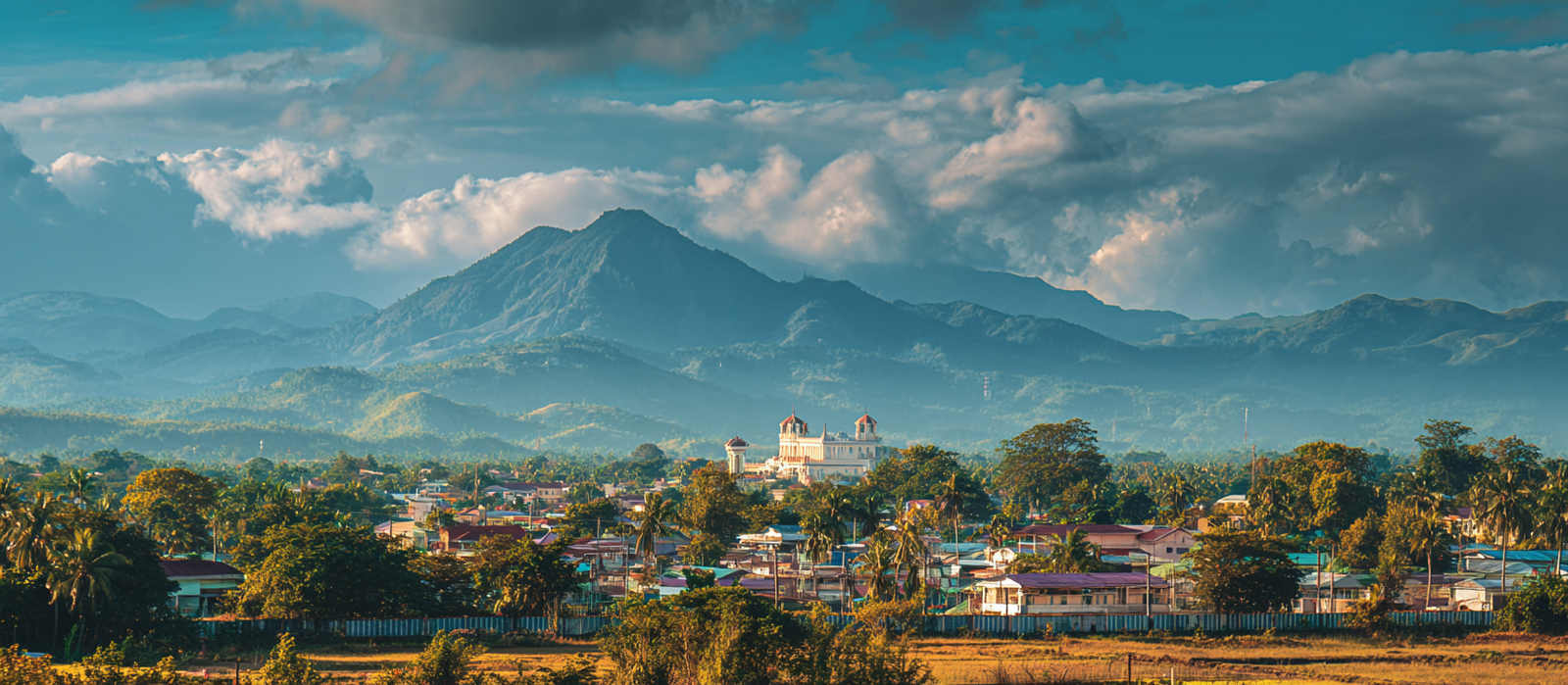

Many travelers know Bataan for its pivotal role in Philippine history, particularly the infamous Death March. Indeed, its solemn memorials and historical sites draw countless visitors seeking to understand a profound chapter of World War II. But beyond the poignant past, what truly awaits a visitor exploring this diverse province today? Is it merely a history lesson, or is there more to discover?
A comprehensive Bataan travel guide reveals a destination that skillfully weaves together its storied past with vibrant natural landscapes, emerging leisure spots, and unique cultural experiences. From rugged mountains and pristine coastlines to heritage villages and eco-tourism initiatives, Bataan offers a surprisingly rich tapestry for the curious explorer. This guide aims to equip you with practical insights, ensuring your trip is not just informed, but genuinely rewarding.
How to Get There
Bataan is highly accessible from Metro Manila, making it an ideal destination for a weekend getaway or a longer exploration. The most common way to reach Bataan is by land.
- By Bus: Direct bus services are available from major terminals in Metro Manila. Genesis Transport and Bataan Transit are the primary operators, with routes to Balanga (the provincial capital) and Mariveles. Travel time typically ranges from 2.5 to 4 hours, depending on traffic. Fares average around ₱200-₱350 (approx. $3.50-$6 USD).
- By Private Vehicle: For maximum flexibility, driving is an excellent option. Take the North Luzon Expressway (NLEX) to the Subic-Clark-Tarlac Expressway (SCTEX), then exit at Dinalupihan. The drive is generally smooth and takes about 2-3 hours from Metro Manila.
- By Ferry: For a unique and faster alternative, the MV XGC Express ferry offers a direct route from the Esplanade Seaside Terminal (Mall of Asia, Pasay) to Orion, Bataan. The trip takes roughly 45 minutes to 1 hour, with fares around ₱450 (approx. $8 USD) per person. This option bypasses potential land traffic and offers scenic bay views.
Top Attractions & Things to Do in Bataan
Bataan’s attractions offer a compelling blend of historical resonance, natural beauty, and cultural immersion. Here are some of the must-visit sites:
- Mount Samat National Shrine (Dambana ng Kagitingan): The most iconic landmark, this towering memorial honors the bravery of Filipino and American soldiers during World War II. Ascend the observation deck inside the massive cross for panoramic views of the Bataan peninsula. Entrance fee is typically around ₱50 (approx. $0.90 USD).
- Las Casas Filipinas de Acuzar: Located in Bagac, this sprawling heritage resort features a collection of relocated and restored ancestral houses from various parts of the Philippines. It offers a glimpse into colonial Filipino architecture and lifestyle. Day tours range from ₱2,500-₱3,000 (approx. $43-$52 USD), which may include a guided tour, balsa (bamboo raft) ride, and access to the beach.
- Pawikan Conservation Center: Situated in Morong, this center is dedicated to protecting sea turtles (pawikan). Visitors can learn about conservation efforts and, during hatching season (November-February), witness the release of hatchlings into the sea. A small donation is usually requested.
- Bataan Nuclear Power Plant (BNPP): While never operational, this controversial and imposing structure in Morong is a fascinating relic of Philippine political and energy history. Guided tours offer a unique, eerie peek into its past. Check their official website or local tourism office for tour availability and fees, as access can be restricted.
- Bataan World War II Museum: Located in Balanga City, this museum houses artifacts, photographs, and dioramas depicting Bataan’s role in the war, offering a deeper understanding of the events. Entrance is usually free or requires a minimal donation.
- Dunsulan Falls: A refreshing natural escape in Pilar, Dunsulan Falls offers a tranquil setting for swimming and picnicking. It’s easily accessible and provides a nice contrast to the historical sites.
Where to Stay in Bataan
Accommodation options in Bataan cater to various budgets and preferences, from luxurious heritage resorts to cozy guesthouses. When planning where to stay in Bataan, consider your itinerary and the areas you wish to explore.
- Luxury/Heritage: Las Casas Filipinas de Acuzar in Bagac offers an immersive experience, allowing guests to stay in meticulously restored ancestral homes. Rates here are on the higher end, starting from around ₱8,000 (approx. $138 USD) per night.
- Mid-Range: The Oriental Bataan in Mariveles provides modern amenities, excellent views of Manila Bay, and comfortable rooms, often with rates around ₱3,500-₱6,000 (approx. $60-$103 USD). Balanga City also has several hotels like Plaza Hotel Balanga, offering convenient access to city amenities and historical sites for similar prices.
- Budget-Friendly: Throughout Balanga City and other towns, you’ll find numerous guesthouses, inns, and smaller hotels with rooms starting from ₱1,200 (approx. $21 USD) per night. These offer basic comforts and are a good choice for travelers mindful of their budget.
Booking in advance, especially during peak seasons or long weekends, is highly recommended.
Where to Eat
Bataan’s culinary scene leans heavily on fresh seafood and traditional Filipino dishes, influenced by its coastal geography and agricultural roots. Don’t miss these local flavors:
- Fresh Seafood: Head to coastal towns like Orani or Pilar for local eateries serving grilled or stewed fish, shrimp, and crabs. Many restaurants offer “paluto” style, where you pick fresh ingredients and have them cooked to your preference.
- Local Delicacies: Try “ginataang kuhol” (snails in coconut milk) or “adobong pugita” (octopus adobo). For snacks, look for Bataan’s famous “pastillas de leche” (milk candies) and various sweet treats made from sticky rice.
- Balanga City Dining: The capital offers a wider range of restaurants, from local carinderias (eateries) serving affordable home-cooked meals (₱80-₱150 per meal, approx. $1.40-$2.60 USD) to more upscale restaurants serving Filipino and international cuisine.
- Las Casas Filipinas de Acuzar Restaurants: If you’re visiting Las Casas, they have several restaurants like Cafe del Rio and Kusina ni Maria, offering a mix of Filipino comfort food and Spanish-inspired dishes in a beautiful setting. Expect higher prices here, around ₱300-₱800 (approx. $5-$14 USD) per dish.
Local Tips for Travelers
- Best Time to Visit Bataan: The dry season, from November to May, offers pleasant weather for exploring. Be aware that March and April can be extremely hot. If you plan to visit Mount Samat, avoid Holy Week (late March or early April) as it draws massive crowds for pilgrimage.
- Getting Around: Within towns, tricycles are the most common and affordable mode of transport. For inter-town travel, jeepneys and buses are readily available. Consider hiring a private van or car for a full day if you plan to visit multiple distant attractions efficiently.
- Connectivity: Major mobile networks (Globe, Smart) have good coverage in most populated areas. Wi-Fi is available in hotels and some cafes, but a local SIM card for mobile data is recommended for constant connectivity.
- Cash is King: While ATMs are available in major towns like Balanga and Mariveles, many smaller establishments and local vendors prefer cash. It’s always wise to carry enough Philippine Pesos (PHP).
- Language: Tagalog is widely spoken, with some Kapampangan spoken in northern areas. English is generally understood, especially in tourist-frequented spots and by younger generations.
Safety & Cultural Customs
Bataan is generally a safe province for tourists. However, like any travel destination, exercising common sense is advised.
- Personal Safety: Be aware of your belongings, especially in crowded areas. Petty theft can occur. It’s always best to walk in well-lit areas at night and avoid displaying expensive gadgets or large amounts of cash.
- Cultural Sensitivity: Filipinos are known for their hospitality and respect. When visiting historical sites, particularly memorials and churches, dress modestly as a sign of respect. A simple “po” and “opo” (terms of respect) when speaking to elders or those in authority will be greatly appreciated.
- Responsible Tourism: Support local businesses and engage with the community. When visiting natural sites like beaches or the Pawikan Conservation Center, minimize your waste and follow guidelines to protect the environment. Avoid touching or disturbing wildlife.
- Health: Stay hydrated, especially during the hot months. Apply sunscreen and insect repellent. While tap water is generally not safe for drinking, bottled water is widely available.
Bataan offers a unique blend of history, nature, and local charm that often surprises those who venture beyond its wartime legacy. From the somber grandeur of Mount Samat to the living history of Las Casas and the natural beauty of its coastline, this province promises a meaningful and diverse travel experience. Use this Bataan travel guide as your starting point, and prepare to uncover the layers of a destination that truly reflects the spirit and resilience of the Philippines.
Are you ready to plan your immersive journey to Bataan?


