
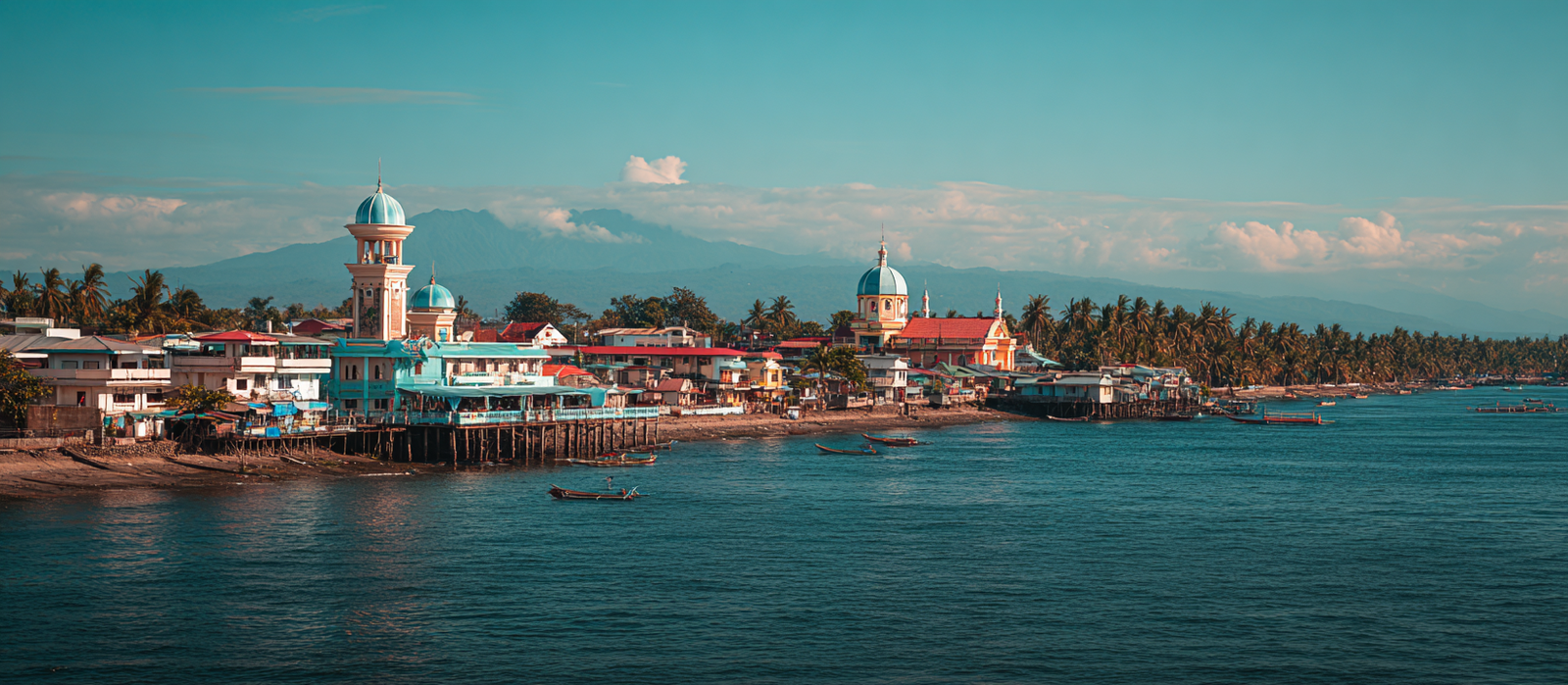

Thinking of Mindanao, do images of untouched natural beauty, vibrant local culture, and a distinct sense of place come to mind? Dipolog City, the unassuming capital of Zamboanga del Norte, quietly embodies all of this and more. Often overlooked in favor of its more famous neighbor, Dapitan, Dipolog offers a genuine slice of Filipino life, celebrated as the “Sardine Capital of the Philippines” for its thriving fishing industry. This dipolog travel guide aims to peel back the layers, providing practical insights for independent travelers keen to explore the northwestern tip of Mindanao with confidence and curiosity.
How to Get There
Reaching Dipolog is more straightforward than many realize, making it an accessible entry point to the Zamboanga Peninsula. The city is served by Dipolog Airport (DPL), with direct flights primarily from Manila and Cebu. Philippine Airlines and Cebu Pacific offer daily services, typically taking around 1 hour and 30 minutes from Manila or 50 minutes from Cebu. Expect airfares to range from PHP 1,500 to PHP 4,000 (approximately USD 25-70), depending on booking lead time and promotions.
For those traveling overland, regular bus services connect Dipolog with major cities in Mindanao like Zamboanga City (approximately 6-8 hours) and Cagayan de Oro (around 8-10 hours). Ferry services are also an option, connecting Dipolog to Cebu, Dumaguete, and even Manila for a more leisurely journey. Major ferry operators like Cokaliong Shipping Lines and Trans-Asia Shipping Lines ply these routes, with travel times ranging from 8 to 24 hours depending on the origin. A tourist class fare from Cebu might cost around PHP 1,000-1,500 (USD 17-25).
Top Attractions
While Dipolog doesn’t boast sprawling resorts, its charm lies in its local flavor and accessible natural and historical sites. Here are the essential things to do in Dipolog:
- Dipolog City Boulevard: A focal point for locals and visitors alike, this picturesque promenade stretches along the coast, offering stunning sunset views over Sulu Sea. It’s ideal for a leisurely stroll, people-watching, or enjoying fresh seafood from the numerous open-air stalls. Best visited in the late afternoon.
- Linabo Peak: For panoramic views of Dipolog City, Dapitan, and the surrounding seascape, a climb up Linabo Peak is a must. The ascent involves scaling 3,003 concrete steps, marked by the Stations of the Cross, making it a popular pilgrimage site, especially during Holy Week. Allow 1-2 hours for the climb. Entry is free.
- Sungkilaw Falls: Located about an hour’s drive from the city center, Sungkilaw Falls offers a refreshing escape into nature. The journey involves a short trek through lush greenery, culminating in a multi-tiered waterfall perfect for a cool dip. Consider hiring a tricycle for the journey, which might cost around PHP 500 (USD 9) for a round trip.
- Cogon Eco-Park: This eco-tourism destination provides a range of adventure activities including ziplining, rappelling, and canopy walks amidst a protected forest. It’s a great option for families or those seeking an adrenaline rush within a natural setting. Entrance fees vary per activity, generally starting at PHP 50 (USD 1) for park entrance.
- Paseo de Rizal: Located in the heart of the city, this park provides a tranquil spot amidst the urban bustle. Named after the national hero, Jose Rizal, it reflects the city’s close ties to Dapitan, where Rizal was exiled.
Remember that the nearby historic city of Dapitan, with its Rizal Shrine, Gloria’s Fantasyland theme park, and Dakak Park and Beach Resort, is just a 30-minute tricycle or bus ride away and makes for an excellent day trip from Dipolog.
Where to Stay
When considering where to stay in Dipolog, options range from budget-friendly guesthouses to more established hotels. Most accommodations are concentrated within the city proper, offering easy access to attractions and amenities.
- Mid-Range: D’Hotel and Suites is a popular choice, known for its central location and comfortable amenities, with rooms typically starting from PHP 2,500 (USD 45). Top Plaza Hotel is another reliable option, offering good value and service, with rooms around PHP 2,000 (USD 35).
- Budget-Friendly: For travelers on a tighter budget, numerous guesthouses and smaller hotels like C & L Sea View Hotel or Hotel Dianne offer clean, basic rooms for PHP 800-1,500 (USD 14-27). It’s advisable to book in advance, especially during peak seasons or local festivals.
Choosing accommodation near the boulevard or the city center provides convenience for exploring on foot or via tricycle.
Where to Eat
Dipolog’s culinary scene revolves heavily around its marine bounty, particularly sardines. This is the place to indulge in fresh seafood and local delicacies.
- Sardines: Don’t leave without trying the local bottled sardines, famous for their quality and distinct flavors (spicy, Spanish style, corn oil). Many local restaurants and markets sell these as a specialty.
- Fresh Seafood: Head to the boulevard’s numerous food stalls or specific restaurants for grilled fish, squid, and shellfish caught daily. Prices are generally very reasonable, with a full meal easily costing under PHP 300 (USD 5) per person.
- Kinilaw: The Filipino ceviche, *kinilaw*, is exceptional here, made with fresh, raw fish marinated in vinegar, calamansi, ginger, onions, and chili.
- Halo-Halo: For dessert, cool down with a refreshing *halo-halo* from a local eatery.
Look for local eateries like Fishport Eatery or explore the varied options along Rizal Avenue for more choices.
Local Tips
To maximize your dipolog travel guide experience:
- Best Time to Visit: The best time to visit Dipolog is during the dry season, from November to May, when the weather is generally sunny and ideal for outdoor activities. The rainy season typically runs from June to October.
- Getting Around: Tricycles are the primary mode of transportation within the city, with fares typically ranging from PHP 10-30 (USD 0.20-0.50) for short distances. Always confirm the fare before departing. Jeepneys are available for longer routes.
- Language: While Tagalog and English are widely understood, the local dialect is Bisaya (Cebuano). Learning a few basic phrases like “Maayong adlaw” (Good day) or “Salamat” (Thank you) will be appreciated.
- Connectivity: Local SIM cards (Globe, Smart) are readily available at the airport or city malls. Wi-Fi is common in hotels and cafes, but coverage can be spotty in more rural areas.
- Responsible Travel: Support local businesses, minimize plastic waste, and respect natural environments by not littering. When visiting religious sites, dress modestly.
Safety & Customs
Dipolog is generally a safe city for tourists. The local population is friendly and hospitable. As with any destination, exercising common sense is advisable: keep valuables secure, be aware of your surroundings, especially at night, and avoid walking alone in poorly lit areas. It’s always wise to carry a copy of your passport and visa, leaving originals in your hotel safe.
Culturally, Filipinos are polite and respectful. A simple “po” and “opo” when speaking to elders or in formal situations shows respect. Mindanao’s cultural fabric is rich and diverse; observe and respect local customs, especially when visiting communities with distinct traditions or religious sites. For emergencies, the nationwide emergency hotline is 911.
Dipolog might not be on every mainstream itinerary, but this dipolog travel guide highlights why it deserves a closer look. It offers an authentic Philippine experience, free from mass tourism, where the rhythm of daily life unfolds against a backdrop of natural beauty and genuine hospitality. Whether you’re drawn by the promise of fresh seafood, the challenge of Linabo Peak, or simply the desire to connect with a less-explored part of the Philippines, Dipolog is ready to welcome you. Isn’t it time to expand your Philippine horizons beyond the usual suspects?


