
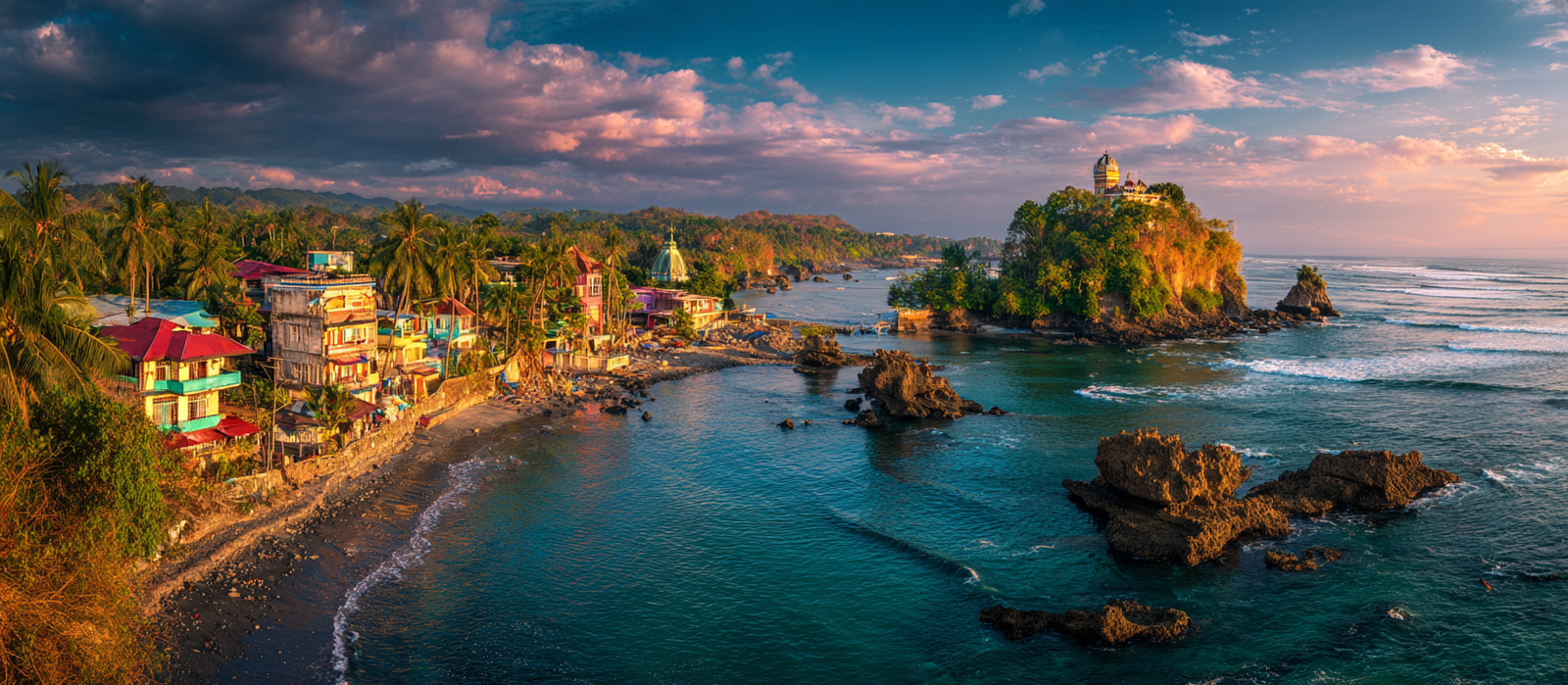

Often overshadowed by its more celebrated island neighbors, Iligan City holds a unique distinction as the “City of Majestic Waterfalls.” More than twenty waterfalls cascade within its bounds, a testament to the lush, volcanic terrain that defines this part of Northern Mindanao. Yet, for many planning an Iligan travel guide, the thought of Mindanao might still present a hesitation. The reality is that Iligan offers a safe, accessible, and deeply rewarding experience for the curious traveler ready to explore beyond the usual itineraries, revealing a vibrant city and stunning natural wonders.
How to Reach Iligan City
Reaching Iligan is straightforward, primarily via air and land. The nearest major airport is Laguindingan Airport (CGY), located approximately 50 kilometers east of Iligan. Philippine Airlines and Cebu Pacific operate daily flights to CGY from Manila and Cebu.
- From Laguindingan Airport (CGY): Upon arrival, look for regular van transfers or airport buses directly to Iligan City’s integrated bus terminal or specific downtown points. The journey takes about 1 to 1.5 hours and costs around PHP 150-250 (approximately USD 3-5).
- By Land: Iligan is well-connected by bus routes across Mindanao. Regular buses operate from Cagayan de Oro (1.5-2 hours, PHP 100-150 / USD 2-3), Davao City (8-10 hours), and Zamboanga City (10-12 hours).
- By Sea: For those traveling from Visayas or Luzon, ferries arrive in Cagayan de Oro’s port from Cebu, Manila, and other major ports. From Cagayan de Oro, a bus or van ride to Iligan is readily available.
Top Attractions & Things to Do in Iligan
The core of any Iligan travel guide revolves around its breathtaking waterfalls. Dedicate at least two full days to truly appreciate their grandeur.
- Tinago Falls: Arguably the most famous, Tinago (meaning “hidden”) lives up to its name, nestled in a deep ravine. Access involves a descent of over 300 winding steps. The reward is a magnificent 240-foot cascade into an emerald pool where you can swim, ride a raft into a small cave behind the curtain of water, or simply relax. Entrance fee is typically PHP 50 (approx. USD 1) per person.
- Maria Cristina Falls: Not for swimming, but for sheer power. This twin-tiered waterfall, nearly 320 feet high, is a primary power source for Mindanao, managed by the Agus VI Hydroelectric Plant. There’s a viewing deck and the National Power Corporation (NAPOCOR) Eco-Park offers educational tours. Its raw, untamed beauty is captivating.
- Mimbalut Falls: More accessible and family-friendly, Mimbalut is part of the Mimbalut Falls Resort. It’s ideal for those seeking a swim in calmer waters with picnic areas and facilities nearby.
- Macapagal-Macaraeg Ancestral House: Explore a piece of Philippine history at the ancestral home of two former Philippine presidents, Diosdado Macapagal and his daughter, Gloria Macapagal Arroyo. It offers a glimpse into Mindanao’s political and social heritage.
- Paseo de Santiago: For a relaxed evening, this coastal park offers scenic views, a good spot for sunset watching, and plenty of local food stalls. It’s a popular local hangout, especially on weekends.
Where to Stay in Iligan City
When considering where to stay in Iligan, options range from budget-friendly inns to more modern hotels, mostly concentrated in the city center for easy access to transport and dining.
- Mid-Range: Hotels like Go Hotels Iligan or The Loop are popular choices, offering clean, comfortable rooms with essential amenities. Expect to pay around PHP 1,500-2,500 (USD 30-50) per night.
- Budget-Friendly: Numerous guesthouses and inns like RedDoorz near MSU-IIT Iligan or travelers’ lodges offer rooms starting from PHP 800-1,200 (USD 16-24) per night, perfect for backpackers or those on a tighter budget.
- Local Hotels: Look for establishments like Cheryl’s Transient House for a more local, home-stay feel. Booking in advance, especially during peak season or local festivals, is advisable.
Where to Eat in Iligan City
Iligan’s culinary scene offers a mix of local Mindanaoan flavors and Filipino favorites. Don’t leave without trying some local specialties:
- Surol: A unique Iliganon chicken stew made with coconut milk and various spices, often featuring a souring agent like batuan fruit. It’s a must-try for an authentic taste of Iligan.
- Cheding’s Peanuts: Iligan is famous for its distinctively flavored roasted peanuts. Grab a few packs as souvenirs; they’re widely available across the city.
- Calle Llana: This street is known for its budget-friendly eateries and street food stalls, perfect for experiencing local flavors.
- Other Options: For more conventional dining, chain restaurants and local eateries serving grilled seafood, Filipino comfort food, and even some international fare are available throughout the city center.
Local Tips for Your Iligan Travel Guide
- Best Time to Visit Iligan: The dry season, typically from November to May, is ideal. Water levels at the falls are still impressive, but the trails are less slippery and more pleasant for exploration. June to October is the wet season, which can make waterfall access challenging due to muddy paths.
- Getting Around: Within the city, tricycles are the primary mode of transport. Fares are inexpensive, usually PHP 10-30 (USD 0.20-0.60) for short distances. For reaching waterfalls, it’s best to hire a habal-habal (motorcycle taxi) or a multicab. Agree on the fare beforehand.
- Language: While Cebuano is the dominant language, Tagalog and English are widely understood, especially in tourist areas and by younger generations.
- Connectivity: Mobile network coverage (Globe, Smart) is generally good in the city proper. Wi-Fi is available in most hotels and some cafes.
- Responsible Tourism: When visiting waterfalls, always pack out what you pack in. Dispose of trash properly, avoid disturbing the natural environment, and respect local guidelines. Hire local guides where available, as it directly supports the community.
Safety & Cultural Considerations
Iligan City is generally safe for tourists. As with any travel, exercising common sense and being aware of your surroundings is key. Mindanao sometimes carries a misinformed reputation, but Iligan specifically is a welcoming and peaceful destination.
- Dress Code: When visiting religious sites, dress modestly out of respect. For waterfall excursions, comfortable and quick-drying attire is recommended.
- Local Interaction: Filipinos are known for their hospitality. A polite “Maanayong hapon” (Good afternoon) or “Salamat” (Thank you) will go a long way.
- Respect for Nature: Iligan’s natural beauty is its treasure. Avoid touching stalactites/stalagmites in caves, keep a respectful distance from wildlife, and do not carve on natural formations.
Exploring Iligan City is an opportunity to discover a different facet of the Philippines—one where natural power meets urban charm, and warm hospitality permeates every interaction. This Iligan travel guide aims to equip you with the practical knowledge needed to confidently navigate its wonders, from the thunderous roar of Maria Cristina Falls to the refreshing pools of Tinago. It’s a city that promises more than just sights; it offers an authentic connection to Mindanao’s vibrant heart. Are you ready to dive in?


