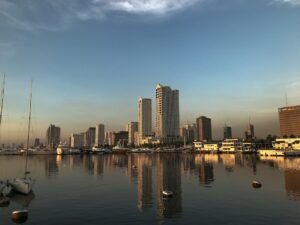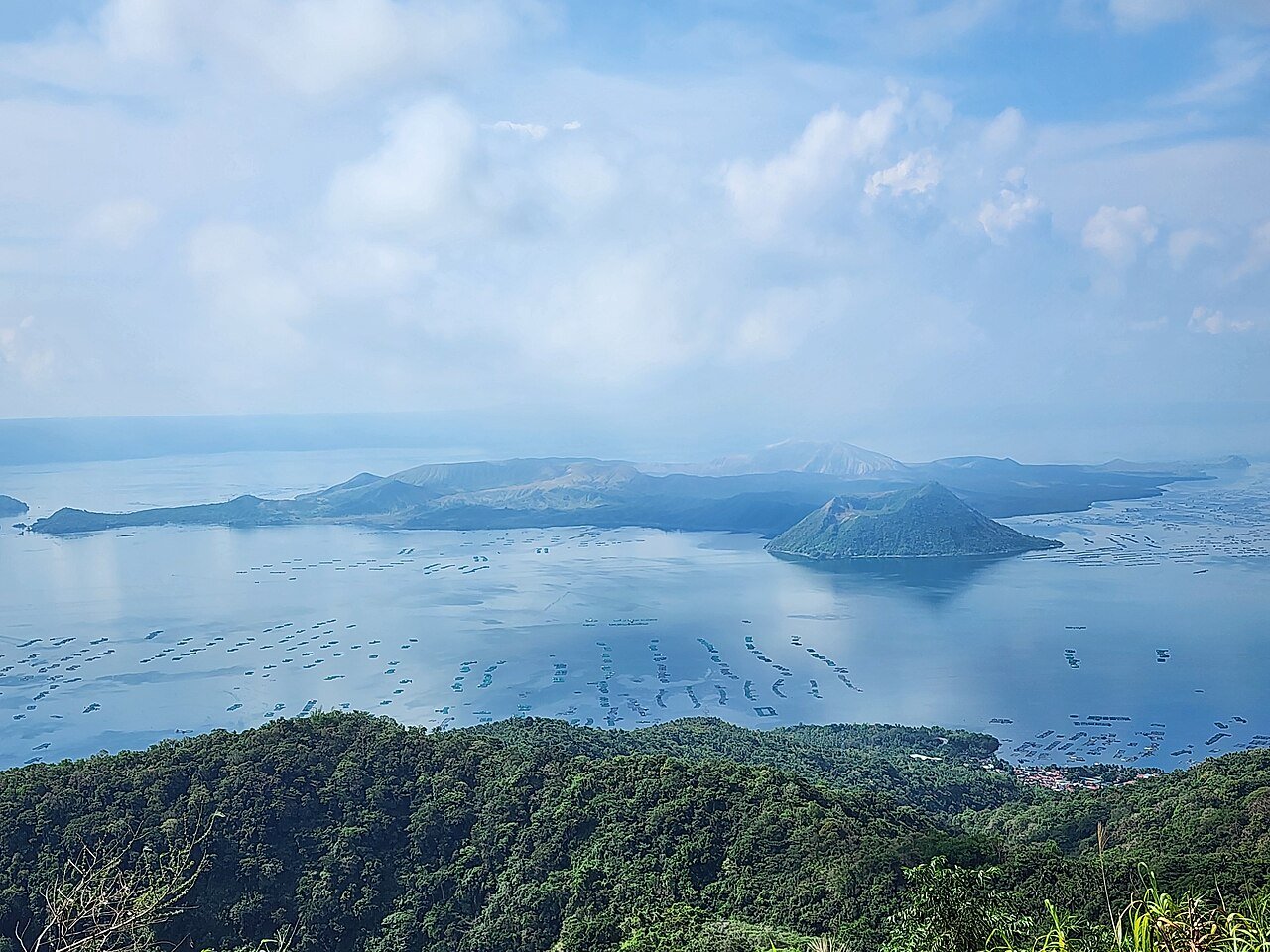

The Short Answer: Yes, With Normal Precautions
Cavite is one of the more relaxed provinces to visit in the Philippines. It sits just south of Manila, wraps around the southern edge of Manila Bay, and climbs up into the cool ridge towns around Tagaytay. Millions of Filipinos commute through it every day, weekend crowds from Manila fill Tagaytay’s viewpoints and restaurants, and the historic port towns see a steady trickle of history buffs heading out to Corregidor. None of that describes a place with a serious crime problem for visitors.
That said, “safe” always comes with fine print. Petty theft happens in crowded terminals. Traffic is genuinely the biggest daily risk. And a handful of scams target tourists specifically around Tagaytay’s viewpoints and Corregidor’s ferry terminal. This guide covers what actually matters, area by area, so you can relax and enjoy Taal Volcano’s view instead of worrying the whole trip. Pair it with our roundup of top things to do in Cavite and our general Cavite travel guide for the fuller trip planning picture.
Where Cavite Sits on the Philippines’ Safety Map
The U.S. State Department rates the Philippines overall as Level 2, “exercise increased caution,” which is the same tier as much of Southeast Asia and a long list of popular travel destinations worldwide. The specific warnings that push some Philippine provinces to Level 3 or 4 are almost all concentrated in parts of Mindanao, hundreds of kilometers south of Cavite. Cavite itself, along with the rest of the CALABARZON region, does not appear on those elevated advisory lists.
Locally, Cavite is generally treated as one of the safer provinces bordering Metro Manila, alongside Laguna. It is more developed and more heavily patrolled than many rural provinces, simply because so much of it functions as an extension of the metro. That density cuts both ways: less isolation risk, but more of the ordinary urban hazards like traffic and pickpocketing in dense markets.
Tagaytay and the Ridge Towns
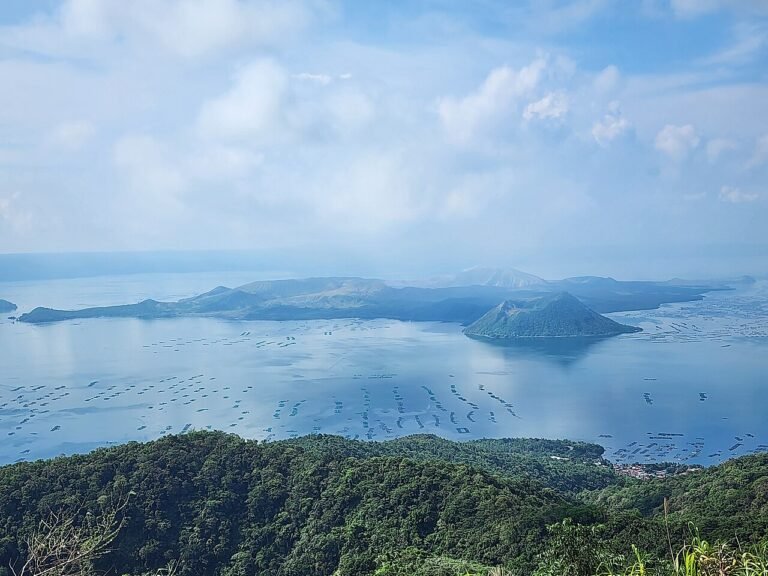
Tagaytay is the part of Cavite most tourists actually see, and it is also the easiest part to feel safe in. The main strip along Aguinaldo Highway is well lit, busy with restaurants and viewpoint cafes until late evening, and patrolled regularly given how much tourist traffic it carries on weekends. Walking along the main road in daylight or early evening is unremarkable.
The two things worth knowing: first, weekend traffic into Tagaytay from Manila can back up for hours, especially Friday evening and Sunday afternoon, so budget extra time rather than rushing on a tight schedule. Second, some roadside stalls and “guides” near the main viewpoints will quote inflated prices for photo spots, horseback rides, or zipline add-ons that are not official park pricing. Agree on a price before you commit to anything, and if a number feels off, it usually is.
Corregidor Island and the Ferry Crossing
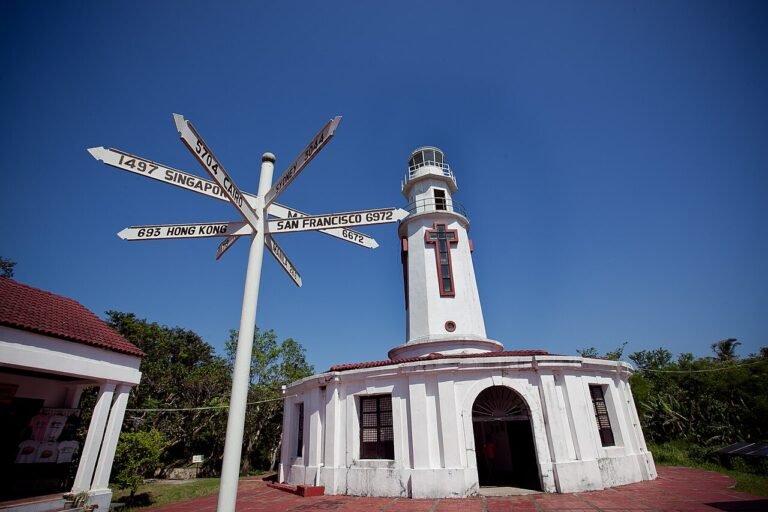
Corregidor sits at the mouth of Manila Bay and is reached by ferry, usually from the Corregidor terminal near CCP in Manila rather than from Cavite proper, though some tours market it as a Cavite side trip because of its wartime ties to Cavite’s naval history. The island itself is safe, it is essentially an open air war memorial with a resident tour operator system, and roaming freely without a booked tour is actually restricted rather than dangerous.
Book through the official tour operator or a reputable travel agency rather than someone approaching you at the terminal offering a cheaper seat. The ferry crossing can get choppy, so if you are prone to seasickness, take precautions beforehand. There is no meaningful safety concern once you are on the island itself, since access is controlled and tours run on a fixed loop.
Cavite City and the Historic Port Towns
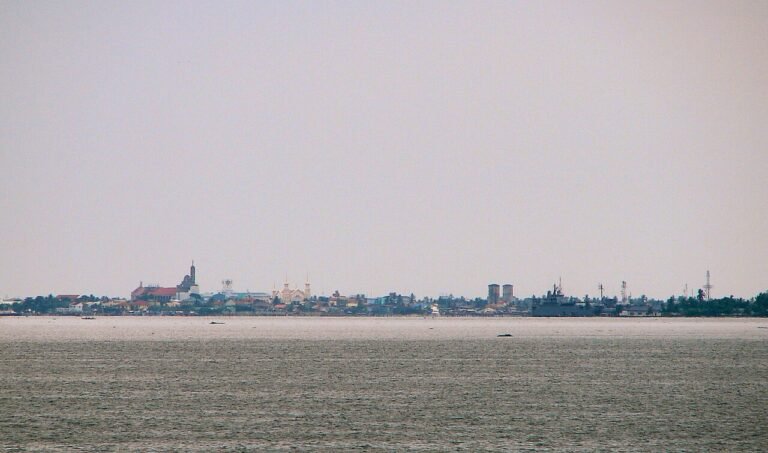
Cavite City, Kawit, and the string of coastal towns along Manila Bay see far fewer tourists than Tagaytay, which means fewer scams aimed at visitors but also fewer English speaking guides and less obviously “tourist ready” infrastructure. This is where Aguinaldo Shrine and the old Spanish era fort remains sit. Daytime visits are straightforward. As with any dense Philippine town center, keep bags zipped and phones out of back pockets in the public market areas, where pickpocketing is the main realistic risk rather than anything violent.
After dark, stick to areas with visible foot traffic. These towns are not dangerous so much as quiet, and quiet streets late at night are a general precaution anywhere, not a Cavite specific warning.
Getting Around Safely: Jeepneys, Tricycles, and Grab
Grab works reliably in Tagaytay, Bacoor, Imus, and Dasmarinas, the more built up parts of Cavite, and is the easiest way to move around without haggling. In smaller towns Grab coverage thins out and tricycles fill the gap. Agree on a tricycle fare before getting in, roughly 15 to 30 pesos for a short hop within a town, more for anything crossing municipal lines. Jeepneys are cheap and safe in the ordinary sense, the main risk is simply not knowing the route, so ask the driver or a fellow passenger to flag your stop.
Avoid unmarked “colorum” vans offering direct trips to Tagaytay from Manila bus terminals at prices that seem too good. Stick to the legitimate bus companies or a pre booked Grab or private van.
Common Scams to Watch For
Cavite’s scams are minor and mostly wallet related rather than dangerous. The recurring ones reported by travelers: inflated “guide fees” at Tagaytay viewpoints for photos that are technically free, tricycle drivers quoting a flat “tourist rate” well above the local fare, and unofficial ferry ticket sellers near Corregidor’s terminal reselling at a markup. There have also been reports, not specific to Cavite but relevant to anyone renting a vehicle in Cavite or Laguna, of informal vehicle rental arrangements with strangers going wrong when there is no written agreement. Rent from a registered outlet and get a contract, even a simple one.
None of this is unique to Cavite, it is standard Philippines tourist town behavior, and being firm and polite about agreeing on a price upfront resolves almost all of it before it starts.
A less common but reported issue is fake “closed for maintenance” claims at free viewpoints, redirecting visitors to a paid alternative nearby run by the same person doing the redirecting. If a public viewpoint that photos online clearly show as open is suddenly closed, it is worth a polite second opinion from a nearby shop owner before paying for the alternative. Card skimming at ATMs is a nationwide issue rather than a Cavite specific one, but it is worth using ATMs inside malls or bank branches in Tagaytay’s town center rather than freestanding units along the highway.
What you will not encounter much of in Cavite is anything more serious than these low level hassles. Violent crime targeting tourists is rare enough in the province that it does not feature meaningfully in traveler reports, which puts Cavite’s actual risk profile closer to a quiet Manila suburb than to anywhere carrying a genuine travel warning.
If something does go wrong, Philippine consumer protection rules technically cover overcharging by registered tour operators and transport, though in practice the fastest resolution for a minor dispute is simply declining to pay an inflated price and walking to the next vendor, since competition among tricycle drivers and stall owners in tourist areas is high enough that someone else will offer the fair rate.
Road Safety and the CAVITEX and CALAX Reality
The genuinely biggest safety factor in Cavite is traffic, not crime. The CAVITEX and CALAX expressways cut travel time from Manila dramatically but carry fast moving traffic, and provincial roads outside the expressways range from well maintained to potholed with little warning. If you are self driving, expect aggressive overtaking and motorcycles weaving between lanes, which is standard Philippine road culture rather than something specific to Cavite. If you are not confident driving in that environment, hiring a driver or using Grab removes the issue entirely, and for most visitors that is the simpler choice.
Weather, Flooding and Typhoon Season
Cavite’s low lying coastal towns near Manila Bay, particularly Bacoor and parts of Cavite City, flood during heavy monsoon rain and typhoon season, roughly June through November, with September typically the wettest stretch. Tagaytay, sitting at elevation, floods far less but gets genuinely cold and foggy evenings by Philippine standards, worth packing a light jacket for. Check typhoon tracking a few days before travel if visiting during rainy season, and build a buffer day into coastal itineraries in case a storm delays ferries to Corregidor.
Solo Travelers and Female Travelers
Solo travel in Cavite, including for women, is generally reported as comfortable, particularly in Tagaytay where the tourist infrastructure means staff, drivers, and fellow visitors are used to solo guests. The standard precautions apply everywhere: avoid walking alone late at night in unlit residential streets, keep your accommodation informed of day trip plans, and use registered transport after dark rather than flagging down anything unmarked. Cavite does not carry any specific added risk for solo or female travelers beyond the general precautions worth taking anywhere in the Philippines.
Traveling With Kids and Family Groups
Tagaytay in particular is a popular family weekend destination for Manila residents, which tells you something: restaurants, viewpoint parks, and hotels are used to children, and the main risks are more about traffic near roadside viewpoints than anything else. Keep kids close near the ridge edges at popular photo spots, some of which have modest railings rather than tall barriers. Corregidor’s walking tours involve uneven terrain and old fortifications, fine for older kids but worth skipping the more strenuous “battle site” trails with toddlers.
Health, Water and Food Safety
Tap water in Cavite is not recommended for drinking, stick to bottled or filtered water, which is sold everywhere and cheap, usually around 20 to 35 pesos for a large bottle. Street food around Tagaytay’s market and the bulalo stalls it is famous for is generally fine if the stall has steady turnover and you can see food being cooked fresh rather than sitting out. The usual travel health basics apply: pack rehydration salts, know where the nearest hospital or clinic is relative to your accommodation, and if hiking near Taal Volcano’s viewing areas, keep an eye on official advisories, since the volcano is active and occasionally restricts access to certain viewpoints.
Emergency Numbers and Who to Call
The nationwide emergency hotline is 911, which connects to police, fire, and medical dispatch anywhere in the Philippines, including Cavite. For non emergencies, your hotel or resort front desk is usually the fastest route to a reliable local contact, whether that is a trusted tricycle driver, a clinic recommendation, or help navigating a dispute. Save the number of the Philippine Tourism Police if you have it, and keep a photo of your passport separate from the physical document in case you need it while the original is being sorted out.
Areas and Situations Worth Extra Caution
Nothing in Cavite rises to a level worth avoiding outright for an ordinary visitor. The situations worth genuine extra caution are the same ones that apply nationwide: walking alone late at night away from lit, busy streets, leaving valuables visible in a parked car, especially at trailheads or viewpoint parking areas, and getting into unmarked vehicles offering rides at unusually cheap prices. None of these are Cavite specific risks, they are standard travel sense that happens to matter here too.
What Locals Say Compared to What Headlines Say
National headlines about crime in the Philippines are almost always about Metro Manila proper or specific flashpoints in Mindanao, not the CALABARZON provinces. Ask anyone who actually lives in Bacoor, Imus, or Tagaytay and the tone is markedly calmer: normal urban precautions, nothing that keeps people up at night. That gap between headline risk and lived experience is worth remembering when planning a trip, Cavite’s reputation problem, if it has one, is being lumped in with “the Philippines” as a whole rather than reflecting anything specific to the province. The same holds for neighboring Laguna, and for day trips further north into Manila itself, where the same general precautions apply.
What a Safe Day Trip or Weekend Actually Costs
Budgeting realistically helps you avoid the scams above, since knowing the real price makes an inflated one obvious immediately. A day trip to Tagaytay from Manila by Grab runs roughly 800 to 1,500 pesos each way depending on traffic and time of day, or around 150 to 250 pesos by bus plus a short tricycle ride from the terminal. Entrance to most viewpoint parks and cafes is free or bundled into a minimum food spend, typically around 300 to 600 pesos per person. A Corregidor day tour, including the ferry and a guided island loop, generally runs around 1,800 to 2,400 pesos per person, booked directly through the official operator.
For an overnight stay, budget rooms in Tagaytay start around 1,500 to 2,500 pesos a night, mid range hotels with a view run roughly 3,500 to 6,000 pesos, and the well known ridge resorts with private balconies overlooking Taal can run 8,000 pesos and up. Our full where to stay in Cavite breakdown covers specific areas and hotel picks at each budget level. A realistic two day, one night weekend covering transport, food, one attraction, and a mid range room lands somewhere around 5,000 to 8,000 pesos per person, less if traveling in a group and splitting a room and a Grab fare.
Best Time to Visit for a Calmer, Safer Trip
Weekday visits to Tagaytay are dramatically calmer than weekends, both in terms of traffic and the density of touts around the main viewpoints. If your schedule allows it, a Tuesday or Wednesday trip means shorter lines, easier parking, and noticeably less pressure from anyone trying to sell you an inflated tour add on. Early morning, before 9am, is the quietest window at the main ridge viewpoints and also the clearest for photos of Taal Volcano before afternoon haze sets in.
Outside of weekday versus weekend timing, the dry season from roughly December through May is the most predictable for both weather and ferry schedules to Corregidor, which can be cancelled or delayed during rough seas in the wetter months. December and January also bring cooler evening temperatures in Tagaytay, part of why it is a popular holiday getaway for Manila residents, so expect higher hotel prices and fuller restaurants around the holidays specifically.
Quick FAQ
Is Cavite safe for tourists right now? Yes. It is consistently reported as one of the calmer provinces near Metro Manila, with normal urban precautions being enough for most visitors.
Is Tagaytay safer than Cavite City? Both are safe for daytime and early evening visits. Tagaytay has heavier tourist infrastructure and foot traffic, which in practice makes it feel more immediately comfortable to first time visitors.
Do I need a guide to visit Corregidor safely? You do not strictly need one for safety, but access to the island is managed through tour operators, so most visitors go through a booked tour rather than freely wandering, which also happens to be the safer and more informative option.
What is the most common scam in Cavite? Inflated “guide” or photo fees at Tagaytay’s viewpoints and tricycle drivers quoting a flat tourist rate. Agreeing on a price before committing avoids nearly all of it.
Is it safe to drive yourself around Cavite? Yes, though traffic and aggressive overtaking on provincial roads catch out drivers unfamiliar with Philippine road habits. Grab or a hired driver is the easier option for most visitors.
Is Cavite safe during typhoon season? Low lying coastal towns like Bacoor can flood during heavy monsoon rain, roughly June through November. Tagaytay, being elevated, is far less affected. Check forecasts before coastal day trips in that window.