
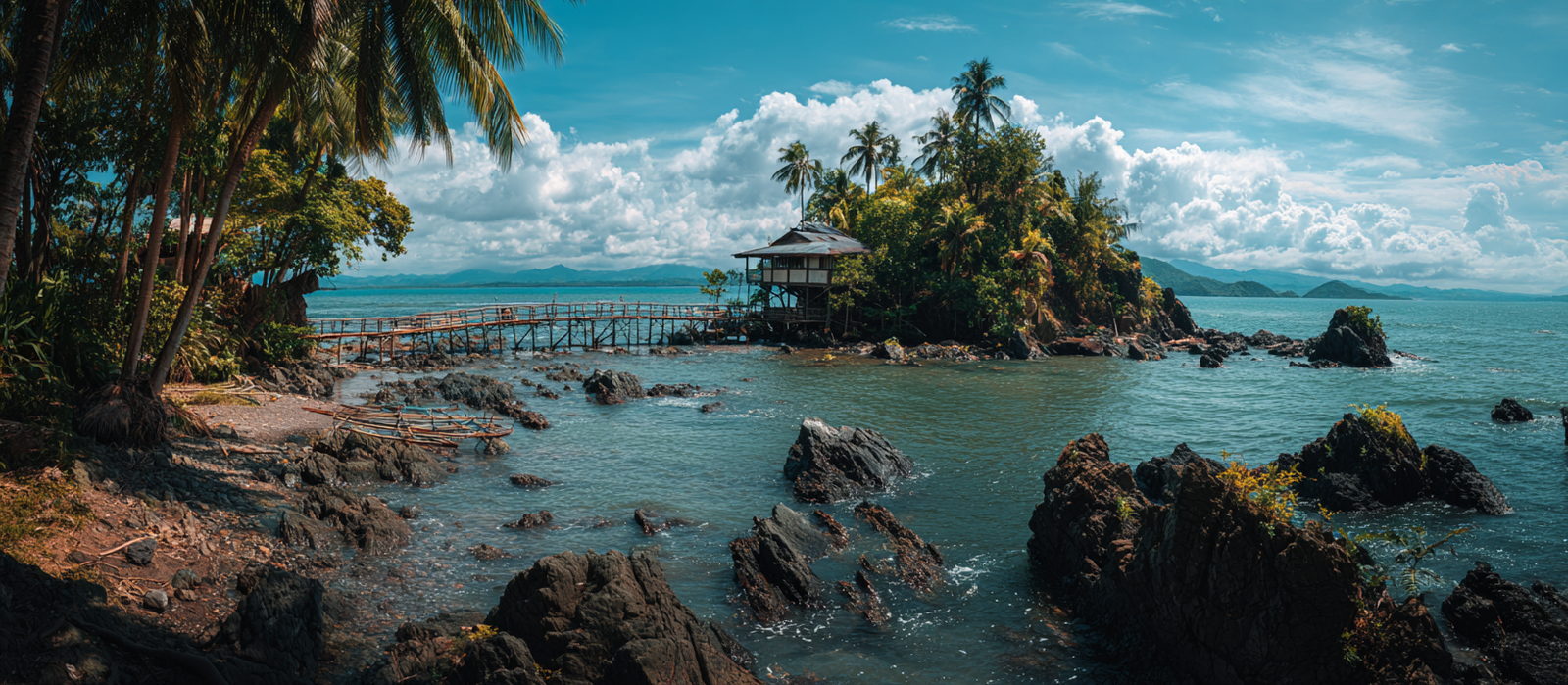

Quezon Province isn’t merely a scenic drive on the way to Bicol; it’s a sprawling, diverse destination offering a rich tapestry of history, spiritual sites, culinary delights, and pristine natural escapes. But with its sheer size and variety, how do you even begin to craft an effective Quezon Province travel guide that makes the most of your visit? Many travelers hesitate, unsure where to focus their limited time. This guide is designed to cut through that complexity, providing actionable insights for an authentic and rewarding journey.
How to Get There
Reaching Quezon Province is straightforward, primarily from Metro Manila. The most common entry point is Lucena City, the provincial capital.
- By Bus: This is the most practical and economical option. Major bus lines like JAC Liner, JAM Liner, and Superlines offer regular trips from terminals in Cubao, Buendia (Pasay), and Alabang directly to Lucena Grand Terminal. The journey typically takes 3-4 hours, depending on traffic. Fares range from PHP 250-350 (approximately USD 4.50-6.50) for air-conditioned buses. From Lucena, you can connect to other towns via local jeepneys or buses.
- By Private Vehicle: Driving allows for maximum flexibility. Take the South Luzon Expressway (SLEX) and connect to the STAR Tollway, then continue on the Pan-Philippine Highway (AH26) towards Lucena. Travel time is similar to buses but can be faster without stops. Expect toll fees of around PHP 400-500 (USD 7-9).
Top Attractions
When considering things to do in Quezon Province, variety is key. From centuries-old churches to secluded islands, there’s something for every interest.
- Lucban: The cultural heart. Visit the beautiful Kamay ni Hesus Healing Church, known for its towering statue of the Ascending Christ and healing Masses. While in Lucban, don’t miss the chance to try the famous Lucban Longganisa and Pancit Habhab. If you’re visiting in mid-May (specifically May 15), you’ll witness the vibrant Pahiyas Festival, an annual harvest festival renowned for its houses adorned with colorful agricultural produce.
- Tayabas City: Home to the historic Malagonlong Bridge, a Spanish-era stone bridge declared a National Cultural Treasure. Explore the Minor Basilica of St. Michael the Archangel, one of the largest and oldest churches in the province, showcasing impressive colonial architecture.
- Mount Banahaw: A mystical and sacred mountain revered by various religious sects. Located at the boundary of Quezon and Laguna, it offers trekking opportunities for experienced hikers. Permits are often required, and local guides are highly recommended due to the challenging terrain and spiritual significance of certain areas. Always check with local tourism offices for updated regulations.
- Cagbalete Island (Mauban): A pristine island known for its long stretches of white sand and sandbars that emerge during low tide. Ideal for swimming, kayaking, and relaxing. To get here, take a bus to Mauban town, then a public boat from Mauban Port to the island (around PHP 50-70/USD 1-1.30, 30-45 minutes). Overnight stays are popular.
- Jomalig Island: For the more adventurous, Jomalig offers a truly remote island experience with golden sands and unspoiled natural beauty. It requires a longer boat ride (4-6 hours, PHP 300-400/USD 5.50-7.50 from Real, Quezon), and trips are highly dependent on sea conditions. It’s best reserved for those with ample time and a desire for a digital detox.
Where to Stay
Deciding where to stay in Quezon Province depends largely on your itinerary. Options range from budget-friendly guesthouses to more upscale resorts.
- Lucena City: As the provincial capital, Lucena offers the widest range of accommodations, from standard hotels like Queen Margarette Hotel to more budget-friendly inns. It’s a good base for exploring the central parts of Quezon. Expect rates from PHP 1,500-4,000 (USD 27-75) per night.
- Lucban: Ideal if you want to immerse yourself in the town’s charming atmosphere, especially during the Pahiyas Festival. There are several guesthouses and small inns, with rates typically from PHP 1,000-2,500 (USD 18-45). Booking in advance is crucial during peak season.
- Mauban/Cagbalete Island: For beach lovers, staying in Mauban offers easy access to Cagbalete. On Cagbalete Island itself, you’ll find various resorts and campsites, from rustic accommodations to more comfortable cottages. Popular choices include Doña Choleng Camping Resort and Nilandingan Cove. Overnight rates on the island typically range from PHP 500 (for camping) to PHP 3,000 (for basic cottages) per night (USD 9-55).
- Infanta/Real: If your focus is on surfing or accessing Jomalig Island, consider staying in coastal towns like Infanta or Real. Accommodations here are generally simpler, catering to surfers and budget travelers.
Where to Eat
Quezon’s culinary scene is a highlight, distinct from other regions. Don’t leave without trying these local specialties:
- Lucban Longganisa: Unlike other Philippine sausages, this one is garlicky, sour, and savory. Best paired with sinangag (garlic rice) and fried eggs for breakfast.
- Pancit Habhab: A dry noodle dish, traditionally eaten directly from a banana leaf without utensils, then slurped down after drizzling with vinegar. You’ll find vendors selling it everywhere in Lucban.
- Kakanin (Rice Cakes): Quezon is famous for its wide variety of kakanin, including budin (cassava cake), tikoy (sticky rice cake), and suman sa lihiya (glutinous rice steamed in banana leaves). Look for small local bakeries or street vendors.
- Yema Cake: A sweet, custard-like cake, a popular pasalubong (souvenir food item). Red Ribbon and Rodillas are well-known brands.
For authentic experiences, seek out local carinderias (small eateries) or the public markets in towns like Lucban and Tayabas.
Local Tips
- Best Time to Visit Quezon Province: The dry season, from November to April, offers the most pleasant weather for exploring. Temperatures average 25-32°C (77-90°F). The rainy season (May to October) can bring occasional typhoons, particularly impacting island travel. If you plan to attend the Pahiyas Festival, it’s always on May 15, so book accommodations well in advance.
- Getting Around: Within towns, tricycles are the primary mode of transport. For inter-town travel, jeepneys and local buses are efficient and inexpensive. Always agree on a fare for tricycles before hopping on, especially if you’re a tourist.
- Connectivity: Major towns like Lucena and Lucban have good mobile network coverage (Globe and Smart). Remote areas and islands like Jomalig may have limited or no signal.
- Cash is King: While some establishments in Lucena may accept card payments, most local businesses, especially in smaller towns and on islands, operate on cash only. Ensure you have enough Philippine Pesos (PHP) on hand. ATMs are available in major towns.
- Respect Local Customs: Quezonians are generally warm and hospitable. A simple “po” and “opo” when speaking to elders or in formal situations shows respect. When visiting churches, dress modestly.
Safety & Customs
Quezon Province is generally safe for tourists. However, like anywhere, exercising common sense is advised. Keep an eye on your belongings, especially in crowded areas like markets or bus terminals. If trekking Mount Banahaw, always go with a reputable guide and inform local authorities of your plans.
Culturally, Quezon’s strong Catholic heritage means that local festivals and traditions are often deeply rooted in religious practices. Participate respectfully, and be mindful of local sensibilities. During the Pahiyas Festival, for instance, avoid touching the decorations on houses without permission.
From the spiritual allure of Mount Banahaw to the festive explosion of the Pahiyas, and the serene golden shores of Jomalig Island, a journey with this Quezon Province travel guide ensures you’re well-equipped to navigate its diverse offerings. Whether you’re seeking cultural immersion, a culinary adventure, or a tranquil escape, the province truly offers a comprehensive Philippine experience. Ready to explore the myriad things to do in Quezon Province and decide where to stay in Quezon Province for your next great adventure?


