
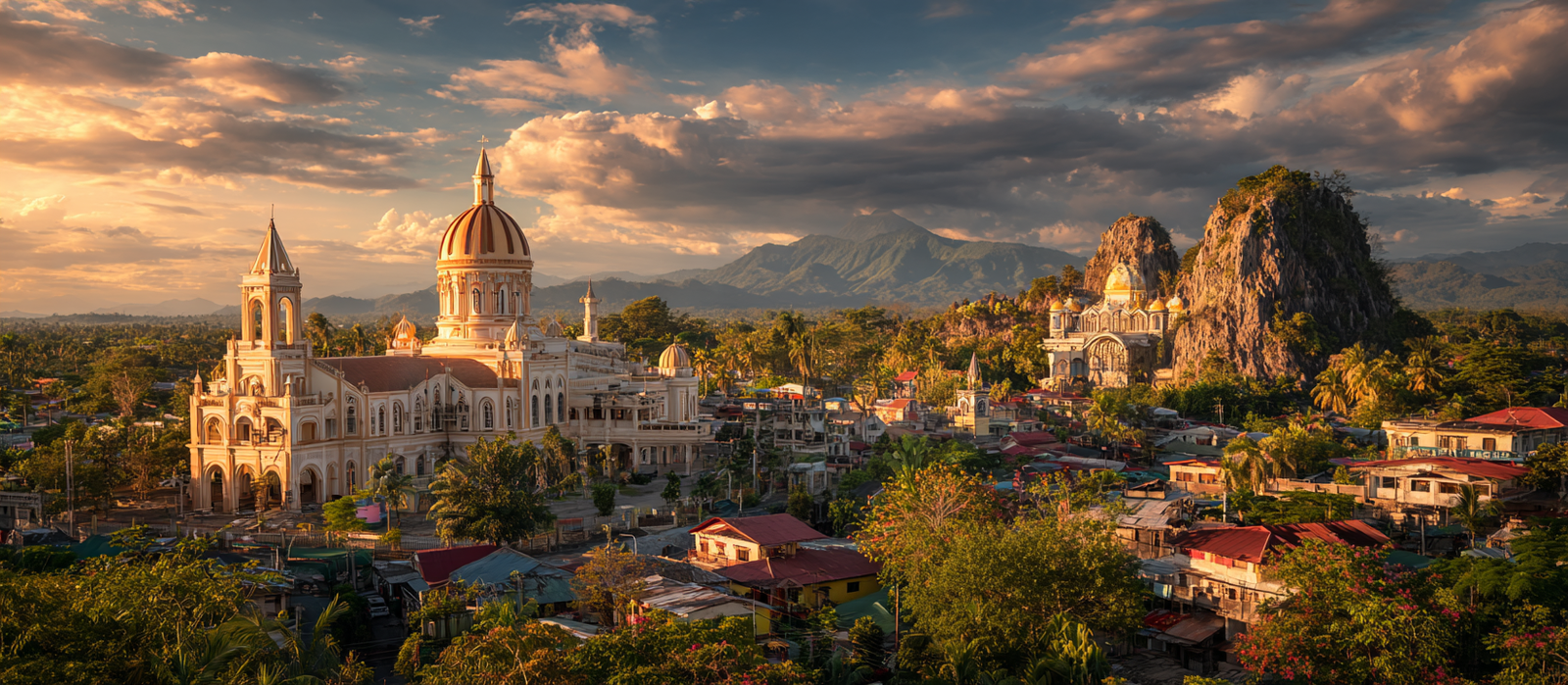

South Cotabato Travel Guide: What to Know Before You Go
Often overlooked by international visitors, South Cotabato offers a rich tapestry of culture and nature that defies common perceptions of Mindanao. This vibrant province, anchored by the bustling city of Koronadal and the serene Lake Sebu, is a hub of indigenous traditions, agricultural bounty, and stunning landscapes. But how do you navigate its diverse offerings, and what essential insights will make your journey seamless and meaningful? This south cotabato travel guide cuts through the noise to prepare you for an authentic experience.
How to Get There
Your primary gateway to South Cotabato is the General Santos International Airport (GES), a major air hub in Mindanao. Philippine Airlines and Cebu Pacific operate multiple daily flights from Manila and Cebu to General Santos City. A typical flight from Manila takes around 1 hour and 50 minutes, with fares ranging from PHP 2,000-5,000 (approx. USD 35-90) depending on booking time and promotions.
From General Santos Airport, South Cotabato is easily accessible. For Koronadal City, the provincial capital, ride a yellow airport taxi or a tricycle to the Bulaong Bus Terminal in General Santos. From there, hop on a bus or van bound for Koronadal City (travel time: 1.5-2 hours; fare: PHP 100-150 / USD 2-3). If your destination is Lake Sebu, you can take a direct van from General Santos City, which takes about 2.5-3 hours and costs around PHP 200-250 (USD 4-5). Alternatively, take a bus to Koronadal and then a van or bus to Lake Sebu.
Top Attractions
When planning your visit, the things to do in south cotabato are heavily concentrated around its natural beauty and indigenous heritage:
- Lake Sebu: UNESCO Cultural Landscape
This is the crown jewel of South Cotabato. Lake Sebu is a designated UNESCO Cultural Landscape for its significant role in the cultural life of the T’boli, Ubo, and Manobo indigenous communities. Don’t miss the Seven Falls Zipline (PHP 300-400 / USD 5-7 per ride) for breathtaking views over the falls, and a traditional boat ride across the lake. - T’boli Cultural Immersion
Engage with the T’boli people in Lake Sebu. Visit a T’nalak weaving center to witness the intricate process of creating this sacred cloth from abaca fiber (the T’nalak is a UNESCO Intangible Cultural Heritage). You can also explore brass casting workshops and traditional house museums. Supporting local artisans directly contributes to their livelihoods. - Mount Matutum
A majestic stratovolcano and a protected landscape, Mount Matutum offers challenging treks for experienced hikers. The ascent typically requires a local guide and takes 2-3 days, rewarding climbers with panoramic views of South Cotabato and neighboring provinces. Permits and accredited guides are mandatory; inquire with local tourism offices in Tupi or Polomolok. - Pineapple Plantations in Polomolok and Tupi
South Cotabato is known as the “Pineapple Capital of the Philippines.” Drive through vast pineapple plantations, especially around Polomolok and Tupi, home to Dole Philippines. While direct tours are rare, the sheer scale of agriculture is impressive and signifies the region’s economic backbone. You’ll find fresh, sweet pineapples sold cheaply along the roadsides.
Where to Stay
The best options for where to stay in south cotabato cater to different travel styles and budgets:
- Koronadal City
As the provincial capital, Koronadal offers a range of accommodations from budget-friendly inns to mid-range hotels like The Farm @ Carpenter Hill (PHP 2,500-4,000 / USD 45-70 per night) or various boutique hotels in the city center. These provide comfortable bases for exploring the city and serve as a convenient stopover before heading to Lake Sebu. - Lake Sebu
For a truly immersive experience, stay in one of Lake Sebu’s eco-lodges or resorts built near the lake or amidst the hills. Popular choices include Punta Isla Lake Resort (PHP 1,000-2,500 / USD 18-45 per night), famous for its floating cottages and tilapia dishes, or Mountain Lake Resort (PHP 1,500-3,000 / USD 27-55 per night). Many also offer cultural experiences or close proximity to T’boli communities.
Where to Eat
South Cotabato’s culinary scene blends traditional Filipino flavors with indigenous touches, especially in Lake Sebu. The undisputed local specialty is Tilapia, harvested fresh from the lakes. Try it grilled, fried, or as chicharon (crispy skin). In Lake Sebu, many resorts, particularly Punta Isla, serve various tilapia dishes. Beyond tilapia, you’ll find typical Filipino fare like adobo, sinigang, and grilled meats in Koronadal City’s eateries and restaurants. Don’t miss out on fresh tropical fruits, especially pineapples, mangosteen, and durian, which are abundant and inexpensive in season.
Local Tips
- Best Time to Visit: The best time to visit south cotabato is during the dry season, from November to May, for optimal weather conditions for outdoor activities. However, visiting during festivals like the T’nalak Festival in Koronadal (July) or the Helobung Festival in Lake Sebu (November) offers a deeper cultural insight, albeit with more crowds.
- Getting Around: Within towns like Koronadal and Lake Sebu, tricycles are the primary mode of transport. For longer distances between towns or to remote sites, shared vans (UV Express) are efficient. For specific attractions like the Seven Falls, “habal-habal” (motorcycle taxis) are common and necessary for rougher terrain. Always agree on a fare before departing.
- Language: While Tagalog and Cebuano are widely understood, Hiligaynon is the predominant language in many parts of South Cotabato. English is generally spoken in tourist establishments and by younger generations. Learning a few basic phrases in Hiligaynon or T’boli (e.g., “Mabuhay” for welcome, “Salamat” for thank you) will be appreciated.
- Cultural Sensitivity: When visiting indigenous communities, always ask for permission before taking photos, especially of people. Dress modestly, especially when entering places of worship or traditional homes. Support local artisans by purchasing directly from them.
Safety & Customs
While Mindanao has historically faced security challenges, major tourist areas in South Cotabato, particularly Lake Sebu and Koronadal City, are generally safe for travelers. It’s always wise to exercise standard travel precautions: be aware of your surroundings, avoid walking alone in unfamiliar areas at night, and keep valuables secure. Local authorities and tourism stakeholders are committed to visitor safety.
Culturally, South Cotabato is a melting pot. Respect local customs, which vary between Christian, Muslim, and indigenous communities. Politeness and humility go a long way. When invited into a local home, it’s customary to accept offers of food and drink. Bargaining is acceptable in markets but always with a friendly demeanor.
South Cotabato offers a journey beyond the typical tourist trail—a chance to connect deeply with the Philippines’ rich indigenous heritage and stunning natural beauty. From the sacred T’nalak weaves of the T’boli to the serene waters of Lake Sebu, this south cotabato travel guide aims to empower your confident exploration of a truly remarkable province. Are you ready to discover its unique rhythm?


