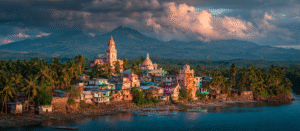

Laguna sits just south of Metro Manila, close enough that several of its top attractions work as a day trip and far enough to feel like a real escape. The province wraps around Laguna de Bay, the largest lake in the Philippines, and packs in waterfalls, volcanic crater lakes, hot springs fed by Mount Makiling, and a string of small towns each known for a different craft. It is one of the easiest provinces near Manila to explore without a huge amount of planning, which makes it a solid pick for a weekend or even a single long day out of the city.
This guide covers the best things to do in Laguna, how to get there, when to visit, and what to budget for a trip that fits the time you have.
Why Laguna Is Worth the Trip
Laguna packs a surprising amount of variety into a province that borders Metro Manila. Pagsanjan Falls delivers one of the most famous boat ride experiences in the country, Los Banos and Calamba sit on geothermal water from Mount Makiling that feeds dozens of hot spring resorts, and San Pablo hides seven volcanic crater lakes within city limits. Add in craft towns like Paete for woodcarving and Liliw for footwear, and Laguna works equally well as an adventure trip, a relaxation trip, or a shopping trip depending on which towns you focus on.
Getting to Laguna from Manila
Laguna is one of the more convenient nearby provinces to reach without a lot of advance planning.
- By bus: Buses bound for Santa Cruz, Calamba or Los Banos depart regularly from terminals around Manila, with travel time running roughly 2 to 3 hours depending on traffic and your specific destination within the province. Fares typically run around 150 to 250 pesos.
- By private car: Take the South Luzon Expressway (SLEX) or CALAX south from Manila, then exit toward Calamba or Santa Cruz depending on which part of Laguna you are headed to. This is the most flexible option if you plan to hit multiple towns in one day, since public transport between Laguna towns can be slower than the trip from Manila itself.
- By UV express or van: Shared vans running fixed routes from Manila to specific Laguna towns are another common option, often faster than a regular bus for a similar price.
Because Laguna is really a collection of distinct towns rather than one central hub, it helps to decide which attractions you want before you go, since getting between towns like San Pablo, Pagsanjan and Los Banos takes real time even though the whole province looks small on a map.
Top Things to Do in Laguna
1. Shoot the Rapids at Pagsanjan Falls
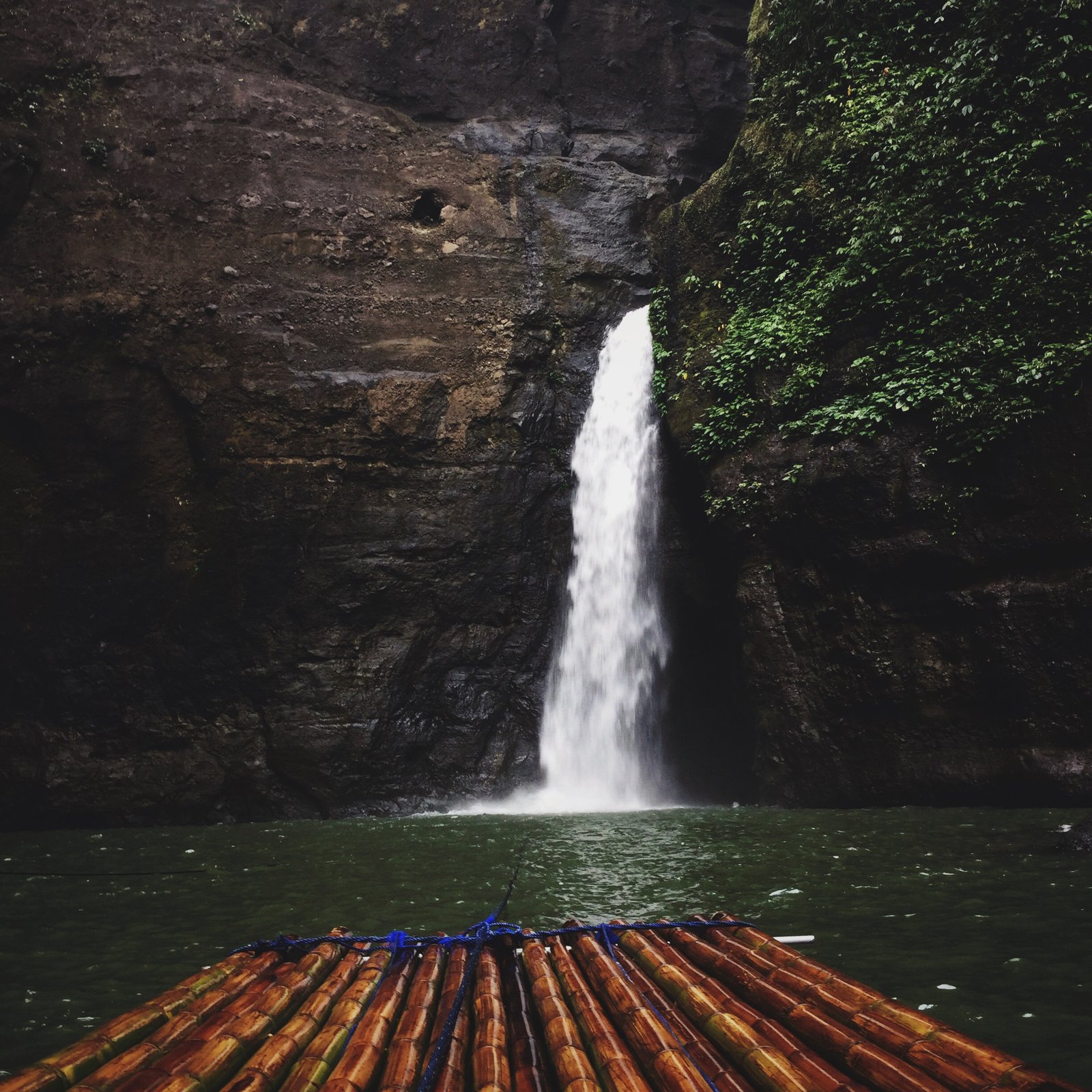
Pagsanjan Falls, also known as Magdapio Falls, is the signature attraction in Laguna and one of the most distinctive waterfall experiences in the Philippines. Skilled boatmen paddle and pole visitors upstream through a narrow canyon and a series of rapids to reach the three tiered falls, a genuinely thrilling ride before you even arrive at the waterfall itself. Once there, many visitors pay extra for a bamboo raft ride behind the curtain of water into a small cavern known locally as the Devil Cave. The falls draw large crowds on weekends, so a weekday visit means shorter waits and a boat to yourself rather than sharing the experience with a long line of other groups.
2. Soak in the Hot Springs of Los Banos and Calamba
Los Banos and Calamba sit at the base of Mount Makiling, an inactive volcano whose geothermal activity feeds a large concentration of natural hot spring resorts across both towns. Options range from simple public pools to private resorts with multiple temperature-graded pools, and this is one of the easiest ways to spend a relaxing half day in Laguna without much physical effort involved. Many resorts also offer overnight stays, making this a good base if you want a slower paced trip built around soaking rather than sightseeing.
3. Hike or Bird Watch on Mount Makiling
Mount Makiling itself is worth a visit beyond its hot springs, with hiking trails through genuinely rich forest known for its biodiversity and a long history of local folklore. The mountain is part of a protected reserve managed in partnership with the University of the Philippines Los Banos, and trails range from easier nature walks to a full summit attempt for more serious hikers. Bird watchers in particular rate Makiling highly given the range of species found within the reserve.
4. Visit the Seven Lakes of San Pablo
San Pablo City hides seven volcanic crater lakes within its boundaries, formed in the area between Mount Makiling and Mount Banahaw. Lakes Pandin and Yambo are the most visitor friendly, connected by a short hiking trail and often visited together on a raft ride across Pandin followed by a walk to Yambo. Lake Bunot and Lake Sampaloc are also popular, with Sampaloc sitting closer to the city center and ringed by restaurants. A local guide organization runs a hiking trail connecting all seven lakes for visitors who want to see the full set in a single, longer day.
5. Relax and Shop at Nuvali
Nuvali, a large planned township in Santa Rosa, offers a different kind of Laguna experience built around parks, lakes, cafes and shopping rather than nature attractions in the traditional sense. It works well as an easy half day stop if you want a break from waterfalls and hot springs, particularly if you are traveling with people who prefer a relaxed, walkable environment with food options close by.
6. Shop for Crafts in Paete and Liliw
The smaller towns of Laguna each specialize in a different craft, and a day spent town hopping is a good way to see a different side of the province. Paete is known for woodcarving, with shops along the main road selling everything from small souvenirs to large religious statues. Liliw, sometimes called the Tsinelas Capital of the Philippines, is lined with shops selling handmade slippers and footwear at prices well below what you would pay in Manila. Lumban, nearby, is known for embroidered textiles known as barong tagalog fabric. Combining two or three of these towns into one day makes for an easy, low cost shopping trip.
Best Time to Visit Laguna
The dry season from November through May offers the most reliable weather for outdoor activities like the Pagsanjan Falls boat ride and the Seven Lakes hike. The wet season, roughly June through October, brings regular rain and can make river conditions at Pagsanjan Falls too rough for the boat ride to operate safely, so it is worth checking conditions ahead if you are traveling during that stretch. Hot spring resorts in Los Banos and Calamba are a reasonable year round option regardless of season, since the appeal does not depend heavily on weather.
What to Budget
Rough per-person planning numbers for a Laguna day trip or short stay:
- Transport from Manila: roughly 150 to 250 pesos each way by bus, more if traveling by private van or car with fuel and toll costs factored in
- Pagsanjan Falls boat ride: pricing is generally set per boat rather than per person, so cost per person drops if you are traveling in a larger group; the optional cave raft ride costs extra
- Hot spring resorts: day use entrance fees vary widely from budget public pools to higher end private resorts, with overnight stays costing more
- Seven Lakes visit: entrance and raft fees at Lake Pandin are modest, generally a few hundred pesos per person including the raft crossing
- Food: local meals run roughly 100 to 250 pesos, with restaurant meals around Lake Sampaloc or Nuvali costing more
Sample Itinerary
1 Day Trip
Pick one main destination and build the day around it. A Pagsanjan Falls morning followed by lunch and a stop at nearby craft towns works well, or a Seven Lakes hiking day if nature and light exercise appeal more than a boat ride.
2 Days, 1 Night
Day one for Pagsanjan Falls and a stop in Paete or Liliw on the way back, overnight at a hot spring resort in Los Banos or Calamba. Day two for a relaxed morning soak before heading back to Manila, or swap in a Seven Lakes visit if you would rather end on a hike than a soak.
Practical Tips for Laguna
- Visit Pagsanjan Falls on a weekday if possible. Weekend crowds mean longer waits for a boat and a much busier experience at the falls themselves.
- Bring a dry bag or waterproof phone case for the Pagsanjan Falls boat ride, since you will get wet.
- Check river conditions before heading to Pagsanjan Falls during the wet season, since heavy rain can suspend the boat ride for safety reasons.
- Bring cash for smaller towns and craft shops, since card payment is inconsistent outside larger resorts.
- If visiting multiple towns in one day, a private car or hired van gives you far more flexibility than relying on public transport between towns.
Exploring Laguna de Bay
Laguna de Bay, the largest lake in the Philippines, wraps around much of the province and shapes daily life in many of the towns along its shore. While it is not typically the centerpiece of a tourist itinerary the way Pagsanjan Falls or the Seven Lakes are, several lakeside towns offer fresh fish restaurants and quiet views that make for a good stop between other destinations. Fish farming is a major local industry here, and if you enjoy trying regional food, look for tilapia and other freshwater fish prepared in a simple grilled or sour tamarind-based soup style typical of towns around the lake.
A Closer Look at the Seven Lakes
Each of the seven crater lakes in San Pablo has its own character, which is part of what makes visiting more than one worthwhile if you have the time. Lake Sampaloc sits closest to the city center and is the most developed, ringed by restaurants and a paved path popular with joggers in the early morning. Lake Pandin and Lake Yambo, connected by a short forest trail, are the pair most visitors prioritize, with Pandin in particular known for a floating raft experience where you eat lunch while being poled slowly across the still water. Lake Bunot and Lake Calibato see fewer visitors and offer a quieter, more local experience if you want to get away from the more established tourist route. Lake Muhikap, the smallest and least visited of the seven, is mostly of interest to travelers specifically trying to complete the full set.
Where to Stay in Laguna
Los Banos and Calamba have the widest range of accommodation, largely built around the hot spring resort industry, and make a sensible base if relaxation is your main goal. Santa Cruz and Pagsanjan have simpler guesthouse options and put you closer to the falls if you want an early start before the weekend crowds arrive. San Pablo has a smaller selection of hotels but works well if the Seven Lakes are your priority. Given how spread out the attractions in Laguna are, it is worth choosing your base according to whichever single attraction matters most to you, rather than trying to find one central location that is equally close to everything.
Combining Laguna With Other Nearby Destinations
Because Laguna borders several other popular provinces, some travelers combine a Laguna day trip with a stop in Tagaytay or Batangas for a longer regional itinerary, particularly if traveling by private car. This works well for visitors who want to see Taal Volcano from Tagaytay Ridge and then continue on to Pagsanjan Falls or a Los Banos hot spring resort the same day, though it makes for a long day of driving and is generally more comfortable spread across two days. If you are relying on public transport rather than a private vehicle, it is usually simpler to treat Laguna as its own separate trip rather than trying to chain multiple provinces together in one outing.
Family-Friendly Considerations
Laguna works well for family trips given the range of activity levels on offer. Hot spring resorts in Los Banos and Calamba suit families with younger children or anyone who wants a relaxed day without much walking, while Pagsanjan Falls and the Seven Lakes hike are better suited to families with older kids who can handle a boat ride through rapids or a longer walk between lakes. Many hot spring resorts also have swimming pools and simple play areas alongside the thermal pools, making them a reasonably easy full day option for mixed age groups.
Plan Your Trip to Laguna
Ready to book? Compare hotels and tours in Laguna below.
- Search Hotels in Laguna on Booking.com
- Compare Hotels in Laguna on Agoda
- Find Tours and Activities in Laguna on Klook
- Book Tours in Laguna on GetYourGuide
Booking through these links may earn us a small commission at no extra cost to you.
More Laguna Guides
Planning the rest of your trip? Check out our full travel guide for logistics, costs and practical tips.
Quick FAQ
How many days do you need in Laguna?
A single day trip covers one main attraction comfortably. Two days allows you to combine Pagsanjan Falls with a hot spring stay or the Seven Lakes without rushing.
Is Laguna good for a day trip from Manila?
Yes. Most of the main attractions in Laguna sit within 2 to 3 hours of Manila by bus or car, making it one of the easiest nearby provinces for a single day out of the city.
How do you get to Pagsanjan Falls from Manila?
Take a bus or van bound for Santa Cruz or Pagsanjan from Manila, roughly 2 to 3 hours depending on traffic, then arrange a boat at the falls itself.
What is the best time to visit Laguna?
November through May, during the dry season, offers the most reliable weather for the Pagsanjan Falls boat ride and the Seven Lakes hike.
Can you visit multiple Laguna attractions in one day?
It is possible if you plan carefully and travel by private car, but Laguna towns are spread out enough that trying to fit too many stops into one day usually means rushing through each one.