
Camarines Sur, known to most Filipinos simply as CamSur, is the province that put wakeboarding on the map in the Philippines. It sits in the Bicol region, about 470 kilometers southeast of Manila, and it packs an unusual range of experiences into one province: a world class cable-ski water sports complex, a peninsula of limestone cliffs and hidden beaches made famous by international reality TV, a volcano-adjacent hiking trail, and a food scene built around Bicol spice.
This guide covers the best things to do in Camarines Sur, how to get there, when to visit, and what to budget, so you can plan a trip that fits how much time you have.
Why Camarines Sur Is Worth the Trip
CamSur built its reputation on the back of one facility: the CamSur Watersports Complex, or CWC, a six point cable ski system that turned Pili into a wakeboarding destination recognized internationally. That alone would be reason enough to visit, but the province also holds the Caramoan Peninsula, a stretch of karst islands and coves that served as the filming location for several international editions of Survivor, plus Mount Isarog for hikers and Naga City for a dose of Bicol culture, food and religious heritage. Few provinces this close to Manila by plane offer this much range in one trip.
Getting to Camarines Sur from Manila
You have two realistic options for reaching Naga, the main gateway city.
- By air: Naga Airport, also called Pili Airport, has regular flights from Manila taking around 1.5 hours. This is the fastest option and fares are often reasonable if booked ahead.
- By bus: Several operators run direct routes from PITX in Paranaque or terminals in Cubao to Naga, with travel time running roughly 8 to 12 hours depending on traffic and the operator. This is the budget option and a reasonable overnight trip if you would rather save on a hotel night.
Once in Naga, tricycles, jeepneys and vans cover local transport, and CWC in Pili is a short ride from the city center.
Top Things to Do in Camarines Sur
1. Wakeboard or Try Water Sports at CWC
The CamSur Watersports Complex in Pili is the single most famous attraction in the province, built around a six point cable ski system that pulls wakeboarders around a course without needing a boat. Beginners can book an introductory session with an instructor, while experienced riders can just buy cable time and go. Beyond wakeboarding, the complex also offers kneeboarding, wakeskating, giant water slides, ATV rides and go kart racing, so it works even for visitors who have no interest in getting on a board.
2. Island Hop Around the Caramoan Peninsula
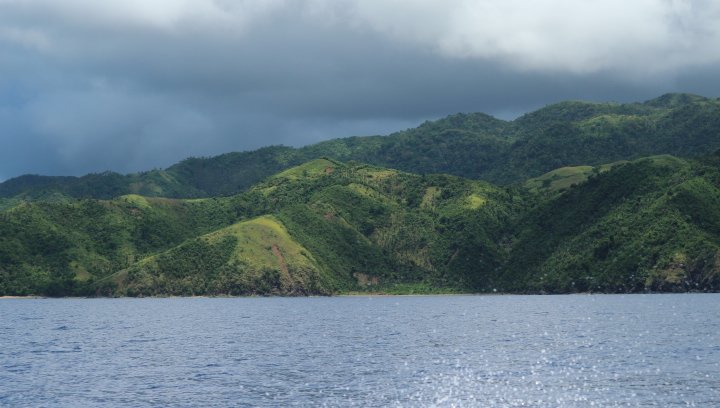
Caramoan is the reason many international travelers first heard of Camarines Sur, thanks to its run as a filming location for Survivor. The appeal is obvious once you see it: limestone cliffs rising out of turquoise water, hidden lagoons, and beaches that stay relatively uncrowded compared to more famous island destinations. A typical island hopping day covers Matukad Island, Lahos Island and Gota Beach, with time for snorkeling and swimming at each stop. Because Caramoan sits a few hours from Naga by road, most visitors treat it as an overnight or multi-day add-on rather than a same-day trip.
3. Hike Mount Isarog
Mount Isarog rises to just under 2,000 meters and anchors a national park known for mossy forest, waterfalls and genuinely rich biodiversity. The climb is a serious undertaking, generally requiring an overnight camp and a guide, and rewards hikers with panoramic views over the Bicol Peninsula from the crater rim. This is a good add-on for travelers who want an active, nature-focused day away from the water sports side of the province.
4. Explore Naga City
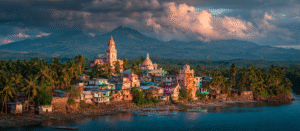
Naga is the religious and commercial hub of Bicol, home to the Basilica Minore of Our Lady of Penafrancia, the Naga Metropolitan Cathedral, and a scattering of plazas including Plaza Quince Martires and Plaza Rizal. If your visit lines up with September, the Penafrancia Festival draws massive crowds for one of the largest Marian devotions in the country, complete with a river procession. Outside festival season, Naga is still worth a half day for its churches, food and general city walking.
5. Eat Your Way Through Bicol Cuisine
Bicol food is built around chili and coconut milk, and Camarines Sur is a good base for trying it properly. Laing, a dish of taro leaves simmered in coconut milk and chili, and Bicol Express, a spicy pork stew, are the two dishes most associated with the region and worth seeking out at a proper local restaurant rather than a hotel buffet. Pili nuts, native to the Bicol region, make a good souvenir to bring home, and local fast casual chains like Biggs are a reliable stop for hearty portions between activities.
6. Day Trip to Nearby Waterfalls and Nature Spots
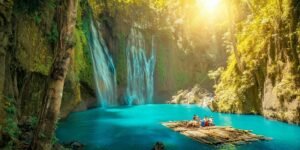
Beyond Isarog, Camarines Sur has a scattering of smaller waterfalls and swimming spots that make for an easy half day trip from Naga, generally arranged through a local guide or tour operator since public transport does not reach most of them directly. These make a good lower effort alternative to the full Isarog hike if you want nature time without committing to an overnight climb.
Best Time to Visit Camarines Sur
November through February is the most comfortable window, with cooler temperatures and lower humidity than the rest of the year. March through May gets hot and muggy, which is still workable if you are spending most of your time in the water at CWC or Caramoan. June through October is typhoon season for the Bicol region, with September and October carrying the highest risk of tropical storms disrupting travel, so it is worth building flexibility into your plans if you travel during this stretch.
What to Budget
Rough per-person planning numbers for Camarines Sur:
- Flight from Manila: prices vary widely depending on how far ahead you book, generally cheaper than the equivalent bus fare when booked early
- Bus from Manila: roughly 500 to 1,500 pesos depending on operator and seat class
- CWC wakeboarding: pricing depends on cable time and equipment rental, with beginner packages including an introductory lesson costing more than pay-per-hour cable access for experienced riders
- Caramoan island hopping: a shared boat tour with multiple island stops typically runs a few hundred to around 1,000 pesos per person depending on group size and season
- Accommodation: budget guesthouses in Naga start around 800 to 1,500 pesos a night, with resort-style stays near CWC or in Caramoan running higher
- Food: local meals run roughly 100 to 250 pesos, with a proper Bicol Express or laing meal at a sit-down restaurant costing a bit more
Sample Itinerary
3 Days, 2 Nights
Day one for arrival in Naga and an afternoon at CWC. Day two for Caramoan, treated as a long day trip or, better, an overnight stay if your schedule allows it, since travel time to the peninsula eats into the day. Day three for Naga City sightseeing and food before heading back to the airport or bus terminal.
5 Days or More
Extra time is best spent adding the Mount Isarog hike as an overnight camp, plus a full two days in Caramoan rather than a rushed single day trip, giving you time to properly explore Matukad, Lahos and Gota Beach without racing the clock.
Practical Tips for Camarines Sur
- Book CWC wakeboarding sessions ahead during weekends and holidays, since cable time slots can fill up.
- If you are set on visiting Caramoan, check current transport advisories before your trip. Direct land routes from Naga are generally the more reliable option compared to relying on public boats from Sabang Port, since boat schedules can be inconsistent.
- Bring cash for smaller towns and boat operators outside Naga City, where card payment is not always available.
- Pack for both water activities and a possible mountain climb if Isarog is on your list, since gear needs differ significantly between the two.
- If traveling in typhoon season, from June to October, build a buffer day or two into your itinerary in case of weather delays.
Understanding CWC in More Detail
The CamSur Watersports Complex opened in the mid 2000s and quickly became a proving ground for Filipino wakeboarders, several of whom have gone on to compete internationally. The six point cable system pulls riders in a loop around a lagoon, which means no boat, no fuel costs, and a steady, predictable pull that makes it a genuinely good place to learn if you have never wakeboarded before. Instructors are available for beginners, and the complex also has a viewing deck and restaurants if part of your group would rather watch than ride. Beyond wakeboarding, families often spend a half day at the giant water slides or try the ATV trails, which range from easier loops to rougher terrain for more confident riders.
If you already wakeboard, ask about open cable sessions versus scheduled group sessions, since pricing and wait times differ. Weekday visits tend to be quieter than weekends, when the complex draws crowds from Naga and surrounding towns.
What Makes Caramoan Different From Other Island Destinations
Caramoan earned its international profile through Survivor, but the terrain itself is what keeps people coming back. Unlike the long sand bar beaches common elsewhere in the Philippines, Caramoan is defined by dramatic limestone karst formations rising directly out of the water, similar in character to El Nido but with a fraction of the visitor numbers. Matukad Island combines a beach with a hidden lagoon accessible by a short rope climb over rock, Lahos Island offers a sandbar that partially submerges with the tide, and Gota Beach is a longer stretch of sand backed by cliffs, popular for a lunch stop during island hopping tours.
Because Caramoan has fewer resorts and less infrastructure than the more famous island destinations, accommodation is simpler and mostly locally run, which suits travelers looking for a quieter, less commercial version of an island hopping trip. Book your boat tour through a registered local operator, since informal arrangements can vary widely in quality and safety standards.
Other Nearby Bicol Highlights
Camarines Sur sits close enough to the rest of Bicol that some travelers combine it with a stop at Mayon Volcano in neighboring Albay, roughly a few hours away, for a longer regional itinerary. If your schedule allows an extra day or two, this pairing lets you combine the water sports and island scenery of CamSur with one of the most photographed volcanoes in the country. This is worth planning ahead for rather than deciding on the fly, since travel between provinces in Bicol takes real time even though the region looks compact on a map.
Where to Stay in Camarines Sur
Where you base yourself depends on what you came for. Naga City has the widest range of hotels and guesthouses, from budget inns to mid-range business hotels, and puts you close to the Basilica, restaurants and transport hubs for day trips. Staying near CWC in Pili is a good option if wakeboarding is your main reason for visiting, since several resorts sit right on the complex grounds and let you roll out of bed and onto the cable without a commute. If Caramoan is the centerpiece of your trip, look at staying in Caramoan town itself for at least one night rather than day tripping from Naga, since the round trip travel time otherwise eats a large chunk of your day.
Culture and Festivals
The Penafrancia Festival, held in September, is the single biggest cultural event in the province and one of the largest religious festivals in the Philippines. It centers on a river procession honoring Our Lady of Penafrancia, drawing hundreds of thousands of devotees and visitors to Naga over several days. If your trip happens to line up with the festival, expect crowded hotels and transport, so book well ahead. Outside festival season, Naga still offers a steady dose of Bicol religious heritage through its churches and the Holy Rosary Seminary, along with a lively public market scene where you can see the regional produce and ingredients that show up later on your plate as laing and Bicol Express.
A Word on Chili Tolerance
Bicol food has a reputation for spice that is well earned. Laing and Bicol Express both lean heavily on native chilies, and dishes described as mild by local standards can still catch visitors off guard. If you are not used to spicy food, ask if a milder version is available before ordering, since many restaurants will adjust on request, particularly in more tourist-facing parts of Naga.
Getting Around Once You Arrive
Naga City itself is walkable in the downtown core, but reaching CWC, Caramoan or Mount Isarog requires arranging transport ahead of time. Tricycles cover short hops around the city, while vans and private cars, either self-arranged or booked through a hotel or tour operator, cover the longer trips to Pili, the Caramoan jump off points, or the Isarog trailhead. If you are traveling as a small group, hiring a van with driver for a full day is often more efficient than piecing together multiple tricycle and jeepney rides, particularly if your itinerary covers more than one destination in a single day.
Plan Your Trip to Camarines Sur
Ready to book? Compare hotels and tours in Camarines Sur below.
- Search Hotels in Camarines Sur on Booking.com
- Compare Hotels in Camarines Sur on Agoda
- Find Tours and Activities in Camarines Sur on Klook
- Book Tours in Camarines Sur on GetYourGuide
Booking through these links may earn us a small commission at no extra cost to you.
More Camarines Sur Guides
Planning the rest of your trip? Check out our full travel guide for logistics, costs and practical tips.
Quick FAQ
How many days do you need in Camarines Sur?
Three days covers Naga, CWC and a day trip to Caramoan. Five days or more allows a proper Caramoan stay and the Mount Isarog hike without rushing.
Is Camarines Sur good for non-wakeboarders?
Yes. Naga City sightseeing, Caramoan island hopping, and the Mount Isarog hike all work without ever setting foot on a wakeboard.
How do you get to Camarines Sur from Manila?
Fly into Naga Airport in about 1.5 hours, or take a direct bus from Manila that runs roughly 8 to 12 hours depending on operator and traffic.
What is the best time to visit Camarines Sur?
November through February offers the most comfortable weather. Avoid September and October if possible, since these months carry the highest typhoon risk for the Bicol region.
Is Caramoan hard to reach?
It takes some effort. The most reliable route is a direct land route from Naga rather than relying on public boats, and many travelers treat it as an overnight trip rather than a same-day visit given the travel time involved.