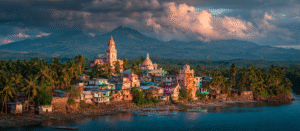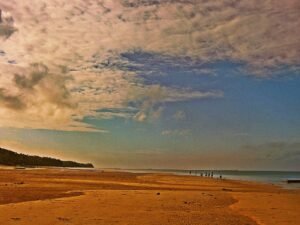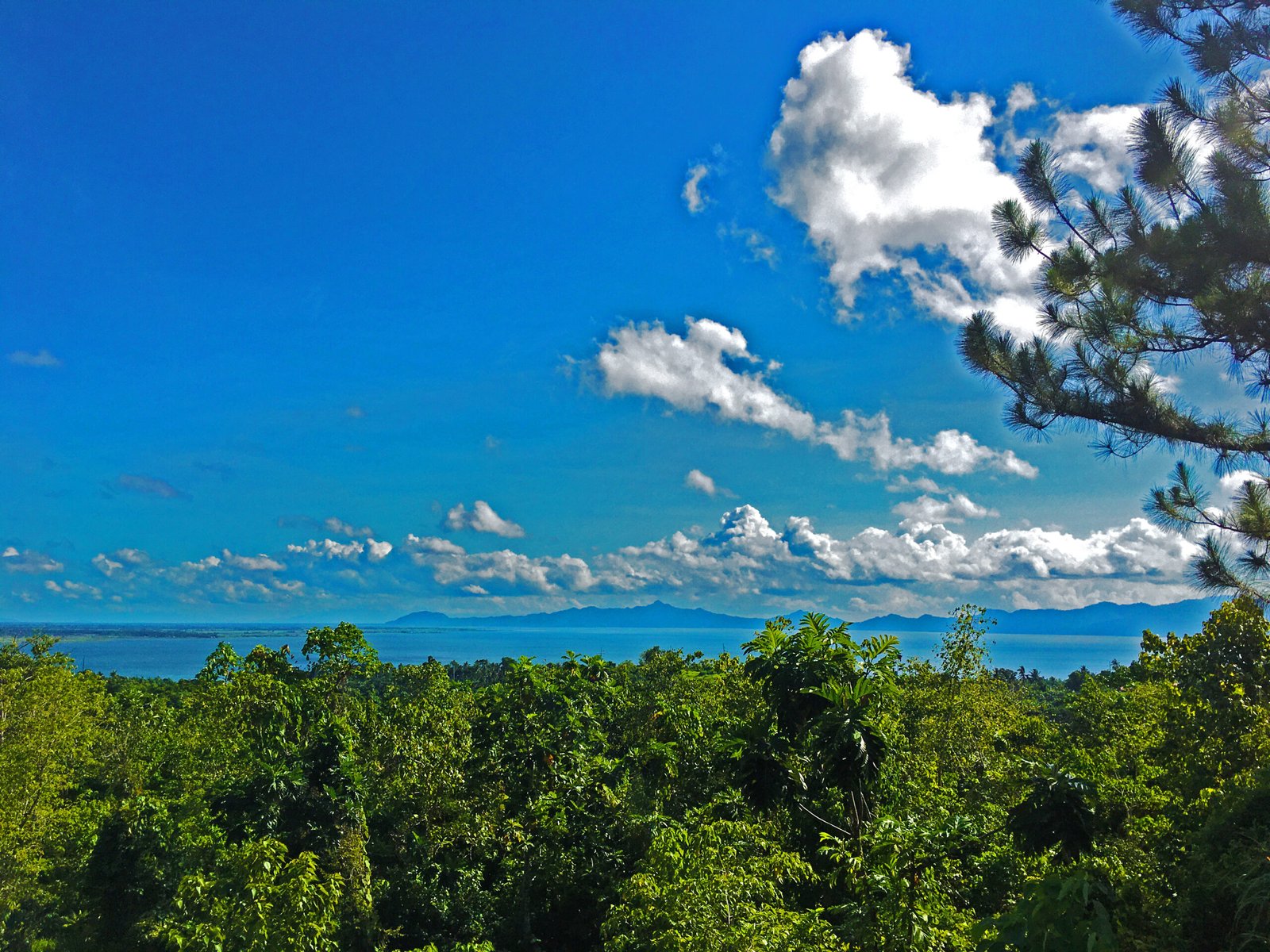

Puerto Galera pulls most of the tourist traffic in Oriental Mindoro, and it earns that attention with its dive sites and beaches. But the rest of the province, stretching south along a single coastal highway toward Bulalacao, offers a different kind of trip: a Ramsar-listed wetland, one of the hardest treks in the Philippines, and Mangyan communities still practicing a centuries-old writing tradition. This guide skips what our Puerto Galera article already covers and focuses on the towns beyond it.
Calapan City: The Gateway
Calapan City is the provincial capital and the main entry point for the whole province, with a port in Barangay San Antonio handling roro and passenger ferries to and from Batangas. Most travelers pass through Calapan on the way to Puerto Galera, about two hours away by land, or heading south along the coast, rather than stopping to sightsee. Around the city, Balite, Parang and Suqui beaches offer a low key alternative to the busier beaches further north, and the Silonay Mangrove Conservation and Eco-Tourism Park gives a quieter, nature focused stop for travelers with a few hours to spare before continuing their trip.
Naujan Lake National Park
In the provinces northeast, bordered by the towns of Naujan, Victoria, Socorro and Pola, Naujan Lake National Park protects Mindoros largest freshwater lake, spanning roughly 8,000 hectares and ranking as the fifth largest lake in the Philippines. It holds Ramsar recognition as a wetland of international importance and sits on the East Asian Australasian bird migration flyway, hosting around 120 bird species alongside a range of mammals, reptiles and amphibians. Peak birdwatching runs from October to March, when migratory species pass through in the largest numbers. Activities center on boating across the lake and the adjoining Butas River, along with picnicking and nature focused tours; some sections of the park are only reachable by motorized banca, which adds to its remote, undeveloped feel.
Mount Halcon: One of the Hardest Treks in the Country
Near the town of Baco, Mount Halcon has a reputation as the toughest trek in the Philippines, commonly rated a 9 out of 9 on local difficulty scales. Steep, leech infested jungle trails, unpredictable weather and multiple river crossings make it a serious undertaking rather than a casual hike. Climbs typically run three to four days round trip and require a mandatory local guide, a climbing permit from the Baco Municipal Tourism Office, and proof of prior climbing experience along with a medical certificate. The safe climbing window generally runs from February to May, and the trail is often closed the rest of the year, so travelers considering Halcon should confirm current access well before planning a trip around it.
Mansalay and Bulalacao: Mangyan Culture and the Southern Coast
Mansalay, further south, is home to the largest Hanunuo Mangyan population among Mindoros eight indigenous Mangyan groups, known for intricate weaving and ambahan poetry written in the native Surat Mangyan script, one of the few surviving indigenous writing systems in the Philippines. The Panaytayan Mangyan Settlement in Mansalays uplands can be visited, offering a genuine cultural stop rather than a staged performance. Continuing south, Bulalacao, the provinces southernmost town, offers island hopping among roughly a dozen islets, including Alibatan, Sibalat and Buyayao, plus Bagong Sikat Falls and a number of caves and mountains for travelers looking to extend their trip beyond the coast.
Roxas and the Coastal Towns
Roxas town holds San Rafael Cave, the provinces largest, along with the Dangay-Dalahican beach strip and the Maraska River, while nearby San Vicente adds Hinagdanan Falls to the list. Further north along the coast, Pinamalayan offers black sand beaches and Cawa-Cawa Falls, along with its Bahaghari Festival, and Pola has Bayanan Beach and Tuntong Islet. Bongabong, between Pinamalayan and Roxas, hosts the Sulyog Festival and a handful of historical sites worth a stop if you are already passing through. Entrance to San Rafael Cave runs a small municipal fee, usually around 50 to 100 pesos including a mandatory local guide, and Hinagdanan Falls charges a similar range. None of these towns have proper tourist infrastructure the way Puerto Galera does, no beachfront resort rows or English menu restaurants as a default, so bring cash in small bills and expect a slower, more improvised pace. That is also exactly why this stretch stays uncrowded even during Puerto Galera’s busiest weekends. Signal coverage is patchy south of Pinamalayan, worth telling your accommodation your rough plans before you lose reception for a stretch, and worth downloading offline maps in advance rather than relying on real time navigation.
How to Get There from Manila
Most travelers reach this side of Oriental Mindoro by first getting to Calapan, then heading south by land. From Manila, buses run direct to Calapan via the Batangas ferry crossing, a combined bus and roro trip that takes around four to five hours total and costs roughly 400 to 600 pesos for the bus plus ferry combination. Alternatively, drive or take a bus to Batangas Port, roughly two hours from Manila, then a passenger or roro ferry to Calapan, about one to two hours depending on the vessel and sea conditions, with fares around 220 to 350 pesos per person. From Calapan, jeepneys and vans run south along the coastal highway to Roxas, Mansalay and Bulalacao throughout the day, with a full run to Bulalacao costing around 200 to 300 pesos and taking three to four hours.
A Sample Three Day Route Beyond Puerto Galera
Day one: arrive in Calapan, settle in, and spend the afternoon at Naujan Lake, roughly forty five minutes from the city by tricycle or habal-habal, watching for the resident wildlife along the Butas River before heading back for the night. Day two: travel south along the coastal highway to Roxas or Mansalay, breaking the trip with a stop in one of the smaller coastal barangays for lunch, then continue to Bulalacao to see the southern end of the province and, if timing allows, a Mangyan community visit arranged through a local guide or the municipal tourism office. Day three: head back north, or continue onward by land toward Occidental Mindoro if your itinerary includes the western coast. Travelers with more time and genuine trekking experience can swap day two for a Mount Halcon attempt, though that alone typically consumes three to four days on its own and should not be combined casually with the rest of this route.
Getting Around Oriental Mindoro
A single coastal national highway connects the provinces towns in a roughly straight line: Calapan, Naujan, Victoria, Socorro, Pola, Pinamalayan, Bongabong, Roxas, Mansalay and finally Bulalacao, which sits about 176 kilometers from Calapan, or roughly three to four hours by land. This eastern and southern stretch of the province is markedly different in character from the resort and dive scene around Puerto Galera: more agricultural, quieter, and oriented toward nature, indigenous culture and adventure trekking rather than beach resorts and nightlife.
Plan Your Trip to Oriental Mindoro
Ready to book? Compare hotels and tours in Oriental Mindoro below.
- Search Hotels in Oriental Mindoro on Booking.com
- Compare Hotels in Oriental Mindoro on Agoda
- Find Tours and Activities in Oriental Mindoro on Klook
- Book Tours in Oriental Mindoro on GetYourGuide
Booking through these links may earn us a small commission at no extra cost to you.
More Oriental Mindoro Guides
Planning the rest of your trip? Check out our full travel guide for logistics, costs and practical tips.
Where to Stay in Oriental Mindoro
Outside Puerto Galera’s resort strip, accommodation along the southern coast is simple and inexpensive. In Calapan, basic transient rooms near the port and terminal run roughly 800 to 1,500 pesos a night, useful if you are catching an early ferry or bus. In Roxas and Bulalacao, small family run inns and guesthouses near the highway run about 700 to 1,200 pesos, with fan rooms at the low end and air conditioned rooms pushing toward 1,500. There is no real mid range or luxury tier along this stretch, which is part of the appeal for travelers looking to get away from resort pricing, but it also means booking ahead matters more, since there are far fewer rooms overall than in Puerto Galera.
What to Skip
Mount Halcon is not worth attempting without serious trekking experience and the patience to arrange permits properly. Underprepared groups occasionally attempt it and turn back, having lost a day and paid guide fees for nothing. If you are not an experienced hiker, admire it from the coastal highway instead. Naujan Lake, while worth a stop, is not set up for a full day of activities the way a proper eco park would be, an hour or two on the water is enough for most visitors, so do not build an entire day around it expecting resort style facilities. And travelers hoping to combine this southern coast route with a quick beach day should know the coastline here is functional rather than postcard pretty, the beaches around Puerto Galera and Occidental Mindoro’s coast are better for that specific goal.
Best Time to Visit and What a Trip Really Costs
The dry months from roughly November to April are the most reliable window for this route, since the single coastal highway can flood or landslide during heavy rain, occasionally cutting off travel between towns for a day at a time. If Mount Halcon is on your itinerary, the climbing window narrows further to February through May specifically. A realistic day exploring Naujan Lake and the Calapan area, including a habal-habal or tricycle hire, food and the boat trip, runs around 1,200 to 1,800 pesos per person. A multi day trip covering Calapan through Bulalacao, with basic accommodation, meals and local transport, typically costs around 2,500 to 4,000 pesos per person for three days, not counting a Halcon climb, which adds guide and permit fees of roughly 3,000 to 5,000 pesos on top. For general province planning, see our Occidental Mindoro travel guide as a companion read.
Visiting Mangyan Communities Respectfully
The Mangyan are the indigenous people of Mindoro, and several communities around Mansalay and Bulalacao still practice Surat Mangyan, one of the few pre colonial Philippine writing systems still in active use. Visits should go through the municipal tourism office or an established local guide rather than showing up independently, both out of respect and because it is genuinely how access works in practice. Photography is often welcomed but always ask first, and buying handwoven textiles or crafts directly from the community, rather than a middleman elsewhere, puts money where it actually helps. Expect a modest guide or community fee, typically around 200 to 500 pesos, which goes toward the community rather than a tour operator’s margin.
Planning where to base yourself on the island? Our guide to where to stay in Mindoro compares Puerto Galera, Calapan, San Jose and Sablayan with honest room prices.
Quick FAQ
Is Naujan Lake National Park worth visiting if I already went to Puerto Galera?
Yes, if birdwatching or a quieter nature stop appeals to you. The lake offers a completely different experience from Puerto Gareras beaches and dive sites, centered on boating and birdwatching rather than the water.
How difficult is the Mount Halcon trek?
Very difficult. It is commonly considered the hardest trek in the Philippines, requiring three to four days, a mandatory guide, a permit, prior climbing experience and a medical certificate, with a safe climbing window generally limited to February through May.
Can I visit a Mangyan community in Oriental Mindoro?
Yes. The Panaytayan Mangyan Settlement in Mansalay is open to visitors and offers a genuine look at Hanunuo Mangyan weaving and the ambahan poetic tradition written in the native Surat Mangyan script.
How do I get from Calapan to Bulalacao?
Bulalacao sits about 176 kilometers south of Calapan along the coastal national highway, a trip of roughly three to four hours by land through Naujan, Pola, Pinamalayan, Bongabong, Roxas and Mansalay.
Is the southern part of Oriental Mindoro touristy?
No, not in the way Puerto Galera is. The towns south of Calapan see far fewer visitors and lean toward agriculture, nature and indigenous culture rather than resorts, making them better suited to travelers looking for a slower, less developed pace.
Most visitors base themselves on the Puerto Galera coast. Our guide to where to stay in Puerto Galera covers the options by budget.