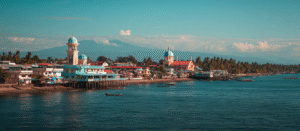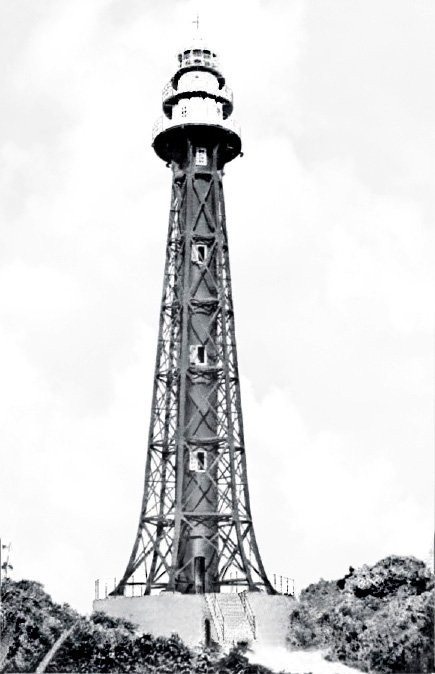

Considering a trip to the Philippines beyond the usual spots, perhaps somewhere that blends incredible marine biodiversity with rich cultural heritage? Occidental Mindoro often flies under the radar, yet it harbors one of the world’s most spectacular marine ecosystems and a unique indigenous culture. This occidental mindoro travel guide is designed to equip you with the essential knowledge before you go, ensuring a journey that is both smooth and deeply rewarding.
How to Get There
Reaching Occidental Mindoro requires a bit of planning, but the journey is straightforward. The primary entry points are San Jose (Mina de Oro Airport, SJI) in the south and Abra de Ilog in the north.
- By Air: The quickest way from Manila is a direct flight to San Jose. Philippine Airlines and Cebu Pacific operate daily flights. Travel time is approximately 45 minutes. Expect one-way fares to range from PHP 2,500 to PHP 5,000, depending on booking time and promotions.
- By Sea: For a more budget-friendly or scenic option, take a bus from Manila (e.g., Cubao, Buendia) to Batangas Port. From Batangas Port, RORO (Roll-on/Roll-off) ferries regularly depart for Abra de Ilog in Occidental Mindoro. The ferry crossing takes about 2-3 hours and costs around PHP 300-400 per person. From Abra de Ilog, vans and buses connect to towns further south like Mamburao, Sablayan, and San Jose.
Once in Occidental Mindoro, public vans and jeepneys are the primary modes of inter-town transport. Tricycles are abundant for getting around within towns.
Top Attractions
The allure of Occidental Mindoro lies in its pristine natural wonders and cultural depth. Here are the essential things to do in occidental mindoro:
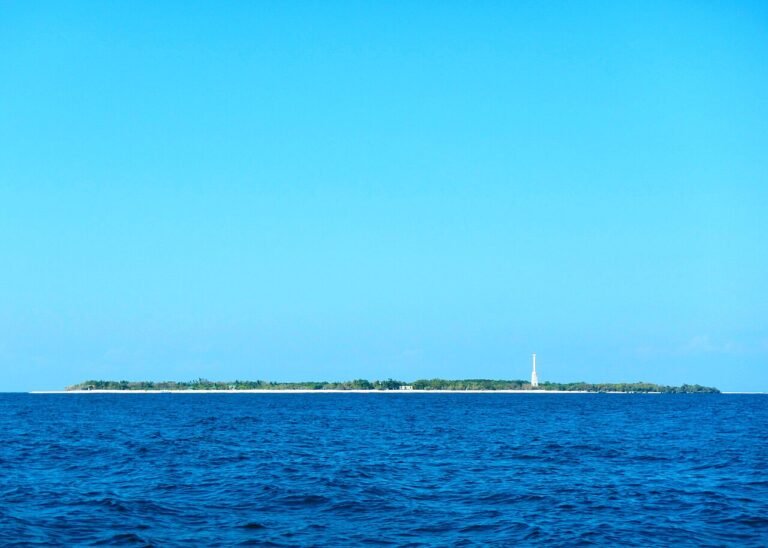
- Apo Reef Natural Park: This is the crown jewel, a UNESCO World Heritage Site tentative list nominee, and the second-largest contiguous coral reef system in the world, after the Great Barrier Reef. Located off the coast of Sablayan, it’s a diver’s paradise with incredible visibility, diverse marine life including sharks, manta rays, and various reef fish. Day trips typically involve a boat ride (2-3 hours each way from Sablayan), snorkeling, diving, and exploring Apo Island. Environmental fees for non-residents are around PHP 2,000 per person, excluding boat rental which can range from PHP 10,000-15,000 for a group of 6-8, plus dive master fees if applicable. Book through accredited tour operators in Sablayan.
- Mount Iglit-Baco National Park: Home to the critically endangered Tamaraw (Bubalus mindorensis), a dwarf buffalo found only in Mindoro. This park is a vital conservation area. While trekking is possible, access is strictly regulated to protect the Tamaraw. Visitors require permits and must be accompanied by guides. This is less a tourist attraction and more a significant ecological site for those deeply interested in conservation. As of recent counts, the Tamaraw population is still below 500 individuals, making every effort to protect them crucial.
- Pandac Beach, Isla Ambulong, & Ilin Island: Near San Jose, these islands offer tranquil beaches, clear waters, and good snorkeling spots. You can arrange island hopping tours from San Jose, providing a more relaxed beach experience compared to the dive-centric Apo Reef.
- Calawagan Mountain Resort: A local favorite in Paluan, known for its clean river, natural pools, and lush surroundings. It’s a great spot for a refreshing dip and a picnic, especially during hot days.
Where to Stay
Your choice of accommodation will likely depend on your primary activities. For those planning to visit Apo Reef, Sablayan is the most convenient base. For general exploration of the southern part of the province and access to nearby islands, San Jose offers more options.
- Sablayan: Accommodation here ranges from basic guesthouses to mid-range resorts catering to divers. Look for places like Gustav Paradise Beach Resort or Sablayan Paraiso Beach Resort. Prices typically start from PHP 1,000 for a fan room and go up to PHP 3,000-5,000 for air-conditioned rooms in more established resorts.
- San Jose: As the province’s largest town, San Jose has a wider array of inns, hotels, and guesthouses suitable for various budgets. Examples include Sikatuna Beach Hotel or Grace Island Resort (offshore). Rates are similar to Sablayan, with more budget options available from PHP 700.
It’s advisable to book your accommodation, especially in Sablayan, well in advance if your visit coincides with peak season or major holidays. This is a crucial tip for those wondering where to stay in occidental mindoro.
Where to Eat
Occidental Mindoro’s culinary scene revolves around fresh, local ingredients, particularly seafood. Don’t expect high-end restaurants, but rather a chance to savor authentic Filipino home cooking.
- Fresh Seafood: Given its coastal location, the province is abundant in fresh catch. Look for eateries serving grilled fish, prawns, and various seafood stews. Prices for a decent seafood meal can be as low as PHP 200-400 per person.
- Local Eateries (Carinderias): These small, local establishments offer a variety of pre-cooked Filipino dishes. It’s an excellent way to try local flavors like adobo, sinigang, and vegetable dishes at very affordable prices.
- Markets: Visiting local wet markets in San Jose or Sablayan is an experience in itself. You can often buy fresh produce and seafood, and sometimes have it cooked on the spot for a small fee.
Local Tips
- Best Time to Visit: The best time to visit occidental mindoro is during the dry season, from November to May. This period offers ideal weather for diving, island hopping, and exploring. The wet season (June to October) can bring typhoons and rough seas, potentially disrupting travel plans, especially to Apo Reef.
- Cash is King: While some larger establishments in San Jose might accept card payments, cash is predominantly used throughout the province. Ensure you carry enough Philippine Pesos (PHP) as ATMs can be scarce outside major towns.
- Connectivity: Mobile signal and internet connectivity can be intermittent, especially in remote areas or islands. Be prepared for limited service.
- Respect for Indigenous Culture: Occidental Mindoro is home to the Mangyan indigenous people, comprising eight distinct ethnolinguistic groups. If you encounter Mangyan communities, approach with respect. Always ask permission before taking photos and be mindful of their privacy and traditions. Support local crafts ethically.
- Environmental Responsibility: When visiting natural parks and marine protected areas, adhere strictly to local guidelines. Avoid touching corals, picking up shells, or littering. Use reef-safe sunscreen.
Safety & Customs
Occidental Mindoro is generally safe for tourists. As with any travel, exercise common sense. Keep valuables secure and be aware of your surroundings, especially in crowded areas or when traveling at night.
- Cultural Sensitivity: Filipinos are generally warm and hospitable. A simple “po” and “opo” (terms of respect) when speaking to elders or in formal situations are always appreciated. Dress modestly when visiting religious sites or indigenous communities.
- Health: Bring essential personal medications. While major towns have pharmacies and clinics, advanced medical facilities are limited. Stay hydrated and protect yourself from the sun.
- Emergency Contacts: In case of emergencies, dial 911 (the national emergency hotline) or contact local police (117 in some areas). Your accommodation staff can also provide local assistance numbers.
Venturing into Occidental Mindoro offers a chance to experience a side of the Philippines that is profoundly natural and culturally rich. From the unparalleled underwater spectacle of Apo Reef to the quiet dignity of the Mangyan people, this province offers more than just a getaway; it promises an authentic connection. With this comprehensive occidental mindoro travel guide, you’re well-prepared for an informed and responsible adventure. What aspect of Occidental Mindoro will capture your curiosity first?
Diving Apo Reef National Park
Apo Reef is the second largest contiguous coral reef system in the world after Australia’s Great Barrier Reef, and it’s the reason serious divers make the trip to Occidental Mindoro at all. Visibility regularly hits 20 to 30 meters, and you’ll find everything from reef sharks and turtles to the occasional passing manta ray. Most dive trips run out of Sablayan as multi day liveaboard style packages since the reef itself is a remote, uninhabited marine park, a two tank day trip typically runs somewhere around 4,500 to 6,500 pesos including gear and park fees, while multi day liveaboards cost considerably more but let you dive sites a day trip can’t reach.
Best Time to Visit
The dry season from roughly November through May brings the calmest seas and the best diving visibility, with March through May generally considered peak conditions for Apo Reef specifically. June through October is wetter and rougher, some dive operators scale back or pause trips to the reef during the worst of typhoon season, so if diving is the whole point of your trip, book outside those months.
Sample Budget for a Diving Trip
For a three day trip based in San Jose or Sablayan with two days of diving, figure roughly 12,000 to 18,000 pesos per person, covering flights from Manila, mid range accommodation, and two days of two tank dives with gear rental. Non diving travelers visiting for the culture and beaches rather than the reef can do the same three days for closer to 6,000 to 9,000 pesos.
Meeting the Mangyan Communities
Occidental Mindoro is home to several Mangyan indigenous groups, among the earliest inhabitants of Mindoro island, with distinct traditions, a unique syllabic script, and craft work including woven baskets and beadwork sold in San Jose markets. If you’re interested in this side of the province, go through a proper community based tourism program or a licensed local guide rather than showing up independently, it’s more respectful and it means the income actually reaches the community rather than a middleman. Ask at the San Jose tourism office for current, vetted options.
Getting Around Once You’re There
San Jose has tricycles for short hops, roughly 15 to 25 pesos around town. For reaching Sablayan and the Apo Reef jump off point, vans and buses run the coastal road, journey time is around 2 to 3 hours from San Jose. If your whole trip is centered on diving, most operators can arrange transfers directly from the airport to Sablayan, worth asking about when you book so you’re not piecing together public transport with dive gear in tow.
Between the reef and the relative lack of crowds, Occidental Mindoro rewards travelers willing to put in a bit more planning than a standard beach trip requires, and that effort is exactly why it still feels undiscovered compared to the rest of the island.
Quick FAQ
Is Occidental Mindoro the same as Oriental Mindoro? No, they’re separate provinces on the same island. Occidental is the quieter, diving focused western side, our Oriental Mindoro guide covers Puerto Galera and the more developed eastern side.
Do you need to be a certified diver to visit Apo Reef? No, snorkeling trips are available for non divers, though the reef’s best sites are genuinely best experienced diving.
How do you get to Apo Reef? Most trips depart from Sablayan by boat, arranged through dive operators based there or in San Jose.
Is Occidental Mindoro safe to visit? Yes, generally, standard precautions apply, and diving trips should always go through a reputable, licensed operator.
How many days do you need in Occidental Mindoro? Three days covers a decent introduction to Apo Reef diving. Add a day or two if you want to explore San Jose and the indigenous Mangyan communities inland.
What’s the best time to avoid rough seas? November through May, with March through May offering the clearest water for diving specifically.
Rest of Mindoro Island
Occidental Mindoro shares the island with:
- Oriental Mindoro Travel Guide: Puerto Galera, Costs and Getting There
- Puerto Galera Travel Guide: White Beach, Sabang and Real Costs
More Philippines Destinations to Explore
Worth adding to a longer Philippines trip:
- Oriental Mindoro Travel Guide: Puerto Galera, Costs and Getting There
- How to Get from Cebu to Siquijor: All Options Compared
- Top Things to Do in Panglao
Top Things to Do in Occidental Mindoro
Ready to start exploring? See our full guide to the best things to do in Occidental Mindoro.