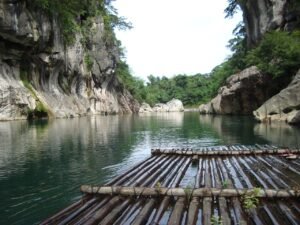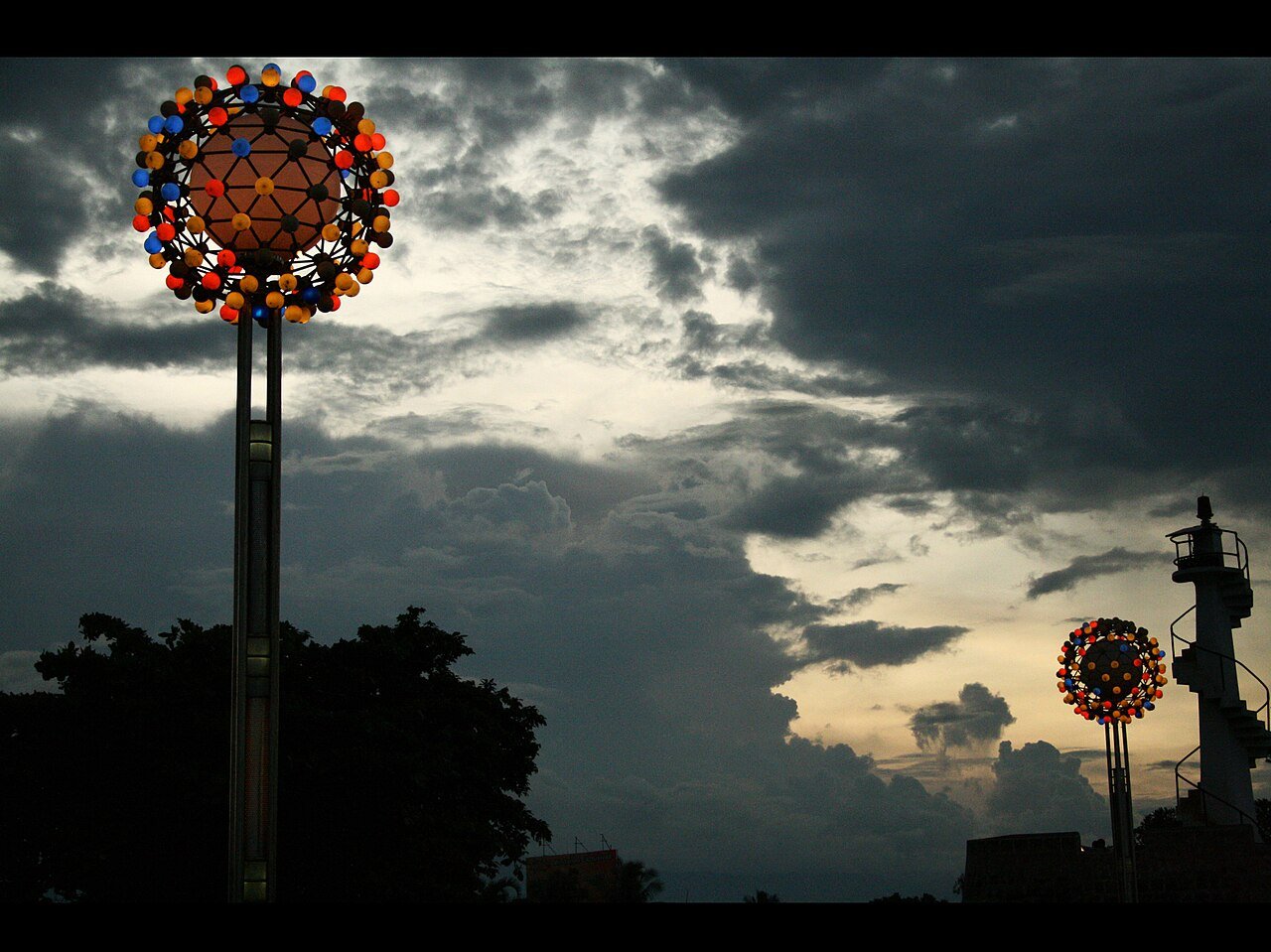

If you have typed “is Ozamiz City safe” into Google, you have probably already found the two things that make this a confusing question to answer. On one side, several Western governments tell their citizens to avoid the whole province. On the other, people who actually live and travel there describe an ordinary, rather pleasant port city where nothing much happens to visitors. Both of those are true at the same time, and this guide explains why, so you can make your own call rather than take somebody else’s.
Short version, and then the detail: Ozamiz City is safe enough for a normal, careful traveller, and the risks you actually face there are mundane ones like traffic, sun and petty theft, not the headline ones. But the official advice is genuinely severe, it has real consequences for your travel insurance, and you should understand it before you book.
The short answer on Ozamiz City safety
Ozamiz is a working port and university city of roughly 140,000 people on the Panguil Bay side of Misamis Occidental, in Northern Mindanao. It is not a resort town. Tourists are uncommon enough that you will be noticed, but common enough that nobody is startled by you. Violent crime against foreign visitors is rare. The realistic day to day risks are the ones you would face in any mid sized Philippine city: motorbikes that do not stop, a phone lifted in a crowded terminal, a tricycle driver quoting you triple, and heat that will flatten you if you walk around at noon.
The complication is that Ozamiz carries a reputation, and that reputation is older and heavier than what you will experience. Understanding where it came from is the useful part.
What the official travel advisories actually say
This matters more than most travel blogs admit, so here it is plainly. Canada advises against all travel to Misamis Occidental, citing terrorism, kidnapping and crime. The United States places most of Mindanao at its Level 3 “reconsider travel” tier, with higher warnings for specific areas further south. The UK and Australia issue broadly similar regional advice. These advisories are written at the level of Mindanao or the province, not the city, and they have not tracked closely with what has actually happened in Ozamiz for several years.
Here is the practical consequence, and it is the bit people miss. Many travel insurance policies void cover for regions your own government tells you to avoid. If you go to Ozamiz on a Canadian passport with a standard policy, there is a reasonable chance you are not covered for anything, including a motorbike accident that has nothing to do with terrorism. Check your policy wording before you go, and if you need cover, buy a policy that explicitly writes back advisory areas. That is a real cost of visiting, and it is more likely to affect you than any security incident.
Why Ozamiz has the reputation it does
For decades Ozamiz was associated in the Philippine press with a single political family, the Parojinogs, and with the illegal drug trade and organised crime that reporting linked to them. That association ran deep enough that “Ozamiz” became shorthand in national media for a certain kind of provincial lawlessness. In July 2017 a police operation in the city ended with the sitting mayor and several family members killed, an event that dominated national news and, unhelpfully for the city, cemented the name in a lot of people’s memory.
Two things follow from that. First, the reputation is not invented, it has a documented basis. Second, almost none of it was ever about tourists. It was about local politics, local rackets and local rivalries. Foreign visitors were not the target then and are not now.
What changed, and what has not
Since 2017 the city has been visibly courting visitors. The provincial government has pushed tourism promotion, put more uniformed presence around the main sights, and leaned on new infrastructure to pull traffic through. You will see that effort when you arrive, in a slightly overbuilt tourism office manner. Crime has not vanished, and Ozamiz still has ordinary urban problems, but the specific thing that made the city notorious was a power structure that no longer operates the way it did.
What has not changed is the advisory language, which moves slowly and is written for whole regions. Do not expect the official picture and the on the ground picture to converge any time soon.
What actually happens to visitors day to day
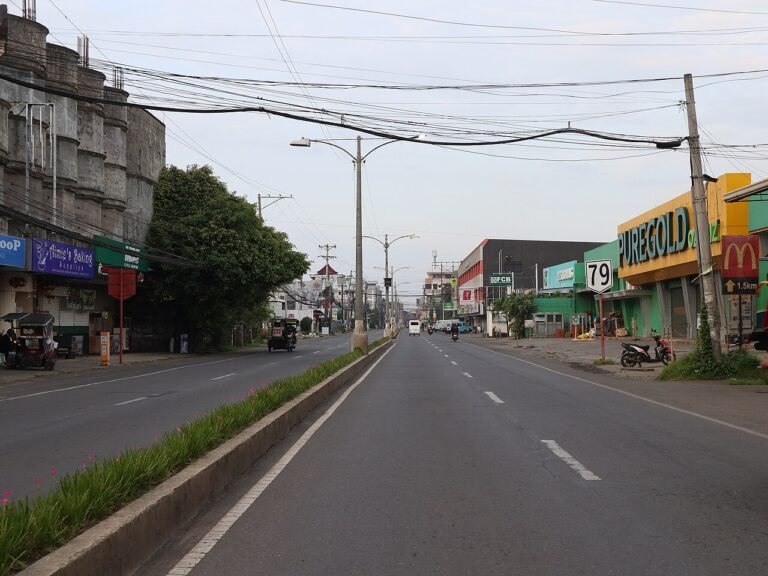
Mostly, nothing. You will walk down JP Rizal Avenue, get greeted more than you expect, be asked where you are from roughly every ten minutes, eat somewhere cheap and be fine. The most common negative experiences visitors report are pricing disputes with tricycle drivers and the occasional too persistent conversation. Curiosity here reads as friendly rather than predatory, and the university population means English is widely spoken.
Where you should be sharper is at the port and the bus terminal, which are busy, crowded and exactly the environments where bags get opened. Keep your phone out of your back pocket and your bag in front of you and you have dealt with the main realistic risk.
Areas of the city worth knowing
The Poblacion is the commercial core and where you will spend most of your time. Bernad Avenue and JP Rizal Avenue are the main downtown streets, busy in daylight and fine to walk. Baybay Santa Cruz and Baybay Triunfo run along the water near the port. The port area is fine by day and simply not interesting after dark, which is a good enough reason to be elsewhere.
There is no district a visitor needs to be warned off in the way you would warn someone about specific streets in a bigger city. The sensible rule is the ordinary one: after around 10pm, take a tricycle rather than walk unfamiliar residential streets, particularly if you have been drinking.
Getting there, and the bridge that changed the route
Ozamiz National Airport, still called Labo Airport by almost everybody, sits around 12km from downtown and handles flights from Manila and Cebu. Jeepneys do not serve the terminal, so you take a tricycle, which runs to roughly 60 PHP into town, though drivers will open higher with a foreign face. Journey time is about 20 minutes in light traffic.
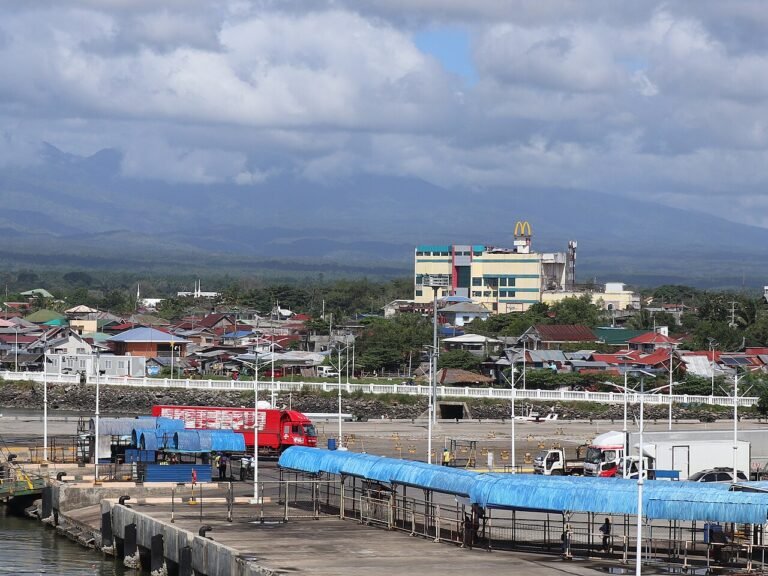
The other classic approach is the Panguil Bay crossing from Mukas in Lanao del Norte, a short ferry hop of around 15 to 30 minutes for roughly 25 PHP plus a small port fee of around 5 PHP. Buses from Iligan and further east use this crossing and roll straight onto the boat. The Panguil Bay Bridge, which links Tangub City to Tubod on the Lanao del Norte side, has since opened and gives a road alternative that avoids the ferry entirely. Some services have shifted to the bridge and some have not, so confirm which your bus uses when you buy the ticket rather than assuming.
On safety specifically: the ferry is short, calm and unremarkable in normal weather. If a crossing is cancelled for weather, take that seriously rather than looking for a smaller boat that will still go. That is the single most common way tourists get into trouble on water in the Philippines.
Getting around the city
Tricycles and multicabs cover everything. A short hop inside the Poblacion should be somewhere around 15 to 30 PHP per person on a shared basis, and a special trip where you hire the whole tricycle costs more, often several times more. The overcharging is real but it is opportunistic rather than aggressive. Ask your accommodation what a given trip should cost, agree the fare before you get in, and carry small notes, because “no change” is a negotiating position as much as a fact.
Habal habal motorbike taxis exist for routes tricycles will not take. Helmets are frequently not offered. Road traffic is the most statistically likely thing to injure you on this trip, well ahead of crime, so if you are not confident, do not get on one.
Petty crime, scams and overcharging
The realistic list is short. Fare inflation on arrival, as above. Bag and phone opportunism in the terminal and port crowds. Occasionally, a friendly stranger steering you toward a shop or tour operator they earn from, which is annoying rather than dangerous. Ozamiz does not have an established tourist scam economy for the simple reason that it does not have enough tourists to support one.
Use ATMs attached to bank branches during business hours, which is standard advice everywhere in the Philippines and mostly about skimming and machines eating cards rather than robbery. Carry a photocopy or phone photo of your passport and leave the original at your accommodation.
Is Ozamiz City safe for solo female travellers
Broadly yes, with the same qualifications that apply across the Philippines. You will attract attention and conversation, most of it genuinely curious. Catcalling happens and is more common near bars in the evening. The practical adjustments are the familiar ones: have your accommodation booked before you arrive rather than looking at night, use tricycles after dark, and be firm early rather than polite for too long, which locals will not find rude.
Solo female travellers who have written about Misamis Occidental generally describe it as easier than Manila, mostly because the pace is slower and people are less transactional.
Health, water and the things more likely to hurt you
Do not drink the tap water. Purified water in refill stations and shops is cheap and universal, usually a few pesos for a large refill. Street food is generally fine if it is hot and busy, and the usual rule of eating where locals queue serves you well.
Dengue is present across Mindanao and is a genuine, ordinary risk that gets far less attention than terrorism despite being vastly more likely to affect you. Use repellent, especially around dawn and dusk. Heat and dehydration flatten more visitors than anything else, so plan sightseeing for mornings and late afternoons. The nearest serious hospitals are in Ozamiz itself and in Cagayan de Oro, roughly three to four hours away by road, which is worth knowing if you have a condition that might need specialist care.
Natural hazards worth planning around
Misamis Occidental sits on the sheltered side of Mindanao and is hit by fewer typhoons than Luzon or the Visayas, which is one of the underrated arguments for the region. It is not immune, and the wettest months bring heavy rain that can close mountain roads around Mount Malindang. Earthquakes are a background reality across Mindanao. Flash flooding in low lying and coastal barangays after sustained rain is the more realistic disruption for a short visit.
If you are heading up to Hoyohoy Highland or into the Malindang range, weather closes those roads faster than you would expect. Ask locally on the morning rather than trusting a forecast from a week earlier.

Emergency numbers and practical contacts
The national emergency hotline is 911 and works in Ozamiz. Ozamiz City Police Station and the city tourism office are both in the Poblacion and the tourism office is genuinely useful for confirming current fares and whether a road or attraction is open. Save your accommodation’s number in your phone rather than relying on being able to describe where you are staying, because street addresses are used loosely and landmarks do more work than street names.
Register with your embassy’s traveller programme if your country runs one. It costs nothing and matters more in an advisory area than it would elsewhere.
What to skip
Two honest ones. First, the beaches. Ozamiz is a port city on a bay, and if you have come to the Philippines for sand, this is not where you will find it. Misamis Occidental’s coastal draws are further out, and if beaches are your priority you should be routing through Camiguin or the Dinagat side instead. Do not build a trip around Ozamiz swimming.
Second, treating Ozamiz as a destination rather than a base. It has a genuinely handsome cathedral, the Spanish era Fort Cotta, and a decent food scene, but you can see the city itself in a day. The reason to be here is what it connects to: Hoyohoy Highland and Tangub, Mount Malindang, the aquamarine park, and onward routes into Lanao del Norte and Iligan. Plan it as a hub and you will enjoy it. Plan it as a week long stay and you will be bored by day three.
And a third, less about Ozamiz than about you: skip it entirely if the advisory situation will make you anxious the whole time. Being on edge for four days is a bad holiday even if nothing happens.
What a careful trip actually costs
Ozamiz is cheap even by Philippine standards, because it is not priced for tourists. A clean budget room runs somewhere around 800 to 1,200 PHP a night, mid range business hotels roughly 1,500 to 2,500 PHP, and the better options in town around 3,000 PHP and up. A full local meal costs roughly 80 to 150 PHP, and a sit down restaurant meal maybe 250 to 400 PHP.
A realistic day of moving around, eating and seeing a couple of sights lands somewhere around 1,200 to 1,800 PHP per person excluding accommodation. A weekend, including a trip up to Hoyohoy Highland with its entrance fee of roughly 50 to 200 PHP depending on which section and the zipline at around 500 PHP, comes to somewhere around 4,000 to 6,000 PHP per person plus rooms. Prices move, so treat these as the shape of the thing rather than a quote. For a fuller breakdown of rooms and neighbourhoods, see our guide on where to stay in Ozamis City.
So should you go
If you are an experienced traveller who is comfortable in ordinary Philippine cities, Ozamiz is a straightforward stop and the gap between its reputation and its reality is the interesting part of visiting. Sort your insurance properly, arrive in daylight, agree fares, and you will have an unremarkable time in the best sense.
If this is your first trip to the Philippines, or you are travelling with children, or an advisory that says “avoid all travel” is going to sit badly with you, there is no shame in routing around it. There are easier places to spend a first week. That is an honest answer rather than a discouraging one.
Ready to plan the rest? Start with our Ozamis City travel guide and the list of top things to do in Ozamis City. If you are continuing east, we have covered whether Iligan is safe for tourists and the best things to do in Lanao del Norte, which is the natural next stop across Panguil Bay.
Elsewhere in Northern Mindanao If You Want Alternatives
If Ozamiz is a stop rather than a destination, or if the advisory wording has put you off, the wider region is worth a look. Gingoog further east along the Misamis coast is a quieter, very ordinary small city with waterfalls inland and almost no visitors. Davao is the region’s most straightforward city break and the usual entry point into Mindanao for first timers. And if you are already committed to Ozamiz, our Ozamiz travel guide and the breakdown of where to stay in Ozamiz City cover the practical planning.
Quick FAQ
Is Ozamiz City safe for tourists in 2026? For a careful traveller, yes. Violent crime against visitors is rare and the realistic risks are traffic, petty theft in crowded terminals, heat and dengue. The severe government travel advisories cover the whole province and reflect regional history rather than current conditions in the city, but they do affect your insurance, so check your policy.
Why do travel advisories warn against Misamis Occidental? Canada advises against all travel and the United States places most of Mindanao at Level 3, citing terrorism, kidnapping and crime across the island. The advice is written at regional level, not city level, and the incidents driving it have generally occurred well south and west of Ozamiz.
Is Ozamiz safe at night? The Poblacion is fine in the evening and normal urban caution applies after around 10pm. Take a tricycle rather than walking unfamiliar residential streets late, and there is no reason to be around the port area after dark.
Is Ozamiz City safe for solo female travellers? Generally yes, and most report it as easier going than Manila. Expect friendly curiosity and some catcalling near bars in the evening. Book accommodation before arriving, use tricycles after dark, and be direct early.
How do I get to Ozamiz City safely? Fly into Ozamiz National Airport, known locally as Labo, from Manila or Cebu, then take a tricycle for around 60 PHP for the 12km into town. By land from Iligan, buses cross Panguil Bay from Mukas by ferry for roughly 25 PHP plus a small port fee, or use the Panguil Bay Bridge route. Arrive in daylight if you can.
What should I avoid in Ozamiz City? Avoid drinking tap water, riding habal habal motorbikes without a helmet, boarding any boat that sails after a weather cancellation, and building your trip around beaches, which is not what this city offers. Also avoid assuming quoted tricycle fares are fixed, because they are not.