
If you typed “is Iligan safe for tourists” into a search bar right before booking a flight to Mindanao, you are not being paranoid. Iligan City sits in Lanao del Norte, about an hour and a half by road from Marawi City, and Marawi’s name still carries weight from the 2017 siege. That single fact colors how a lot of outsiders think about this whole corner of the island, even though Iligan itself is a working port and industrial city that has nothing to do with that history beyond geography. The honest answer is that Iligan is safe for tourists who take the same basic precautions they would use in Cebu or Davao, and this guide walks through exactly why, where the real risks are, and what roughly everything costs so you are not guessing when you land.
The Short Answer: Is Iligan Safe Right Now
Yes, for the vast majority of visitors, Iligan is safe. It is a mid-sized city of around 350,000 people built around heavy industry (the NPC hydro plants and steel mills), a working port, and a growing tourism trade built on its waterfalls (see our full guide to things to do in Iligan for the complete list). Day to day, the risks tourists actually run into are the ordinary ones: overcharging tricycle drivers, slippery steps at waterfalls, and the usual pickpocket risk in crowded public markets. Violent crime aimed at foreigners is rare. The Philippine government does not restrict travel to Iligan itself, though some foreign ministries keep broad “exercise caution” advisories for Mindanao as a whole, largely because of pockets of Sulu, Basilan, and rural parts of Maguindanao that are genuinely a different security picture from a coastal city like Iligan.
The Marawi Question: How Close Is It, and Does It Actually Matter
Marawi is roughly 35 to 40 kilometers from Iligan, around 1 to 1.5 hours by road depending on checkpoints. The 2017 siege between government forces and militants linked to ISIS lasted five months and devastated the city center, and that news cycle is still the first thing a lot of people associate with this region. Marawi itself has been under a long rebuilding process and most tour operators and travel advisories do not recommend casual sightseeing there. Iligan, though, is a separate city with its own police force, economy, and daily rhythm, and it was not a site of fighting during the siege. Treat Marawi the way you would treat a nearby city with a serious recent history: worth understanding, not a reason to cancel a trip to Iligan, and not somewhere to visit as a day trip without a local guide who knows the current situation on the ground.
What Locals and Recent Visitors Actually Say
Ask around in Iligan and the general sentiment from residents and repeat visitors is consistent: petty crime exists like it does anywhere, but people are generally warm, curious about tourists, and quick to help if you look lost. Solo travelers and backpackers who have passed through report feeling comfortable walking around the city center and market areas in daylight. The most common complaint isn’t safety, it’s that Iligan still feels a bit rough around the edges compared to more polished tourist towns like Cebu or Dumaguete: fewer English signs, fewer tourist-oriented restaurants, and a transport system built for locals rather than visitors. That’s a texture issue, not a safety one.
Crime and Petty Theft: What You Should Actually Worry About
The realistic risks in Iligan are boring, which is good news. Bag snatching and pickpocketing happen occasionally around crowded terminals and the public market (Pala-o and the Iligan Public Market are the two areas to be a bit more alert in). Leaving valuables visible in a parked car or tricycle is asking for a smashed window or a quick grab. Nighttime walking in poorly lit residential side streets isn’t recommended, same as in any Philippine city. None of this is unique to Iligan, and none of it should stop you from going. Keep your phone in a zipped pocket in markets, don’t flash cash when paying tricycle drivers, and you’ve covered probably 90 percent of the realistic risk.
Getting Around Safely: Tricycles, Habal-Habal and Grab
Tricycles are the default transport inside Iligan, and short trips around the city center run roughly PHP 15 to 30 per person for a shared ride, or around PHP 100 to 150 if you charter the whole tricycle (“special trip”). Habal-habal (motorcycle taxis) fill in on routes tricycles can’t easily reach, particularly toward Tinago Falls, and a one-way habal-habal fare out to the falls area runs roughly PHP 150 to 250 depending on how far from the highway you’re starting. Grab does operate in Iligan but coverage is thinner than in Cebu or Manila, so don’t count on instant availability, especially outside the city center. Always agree on a tricycle fare before getting in if it’s not obviously a standard route; this avoids the single most common tourist friction point in the city, which is a driver asking for two or three times the going rate at the end of the ride.

Waterfalls and Water Safety: Tinago, Maria Cristina and Mimbalut
Iligan’s nickname, “City of Majestic Waterfalls,” is earned. The three most visited are usually grouped as the Tourism Triangle:
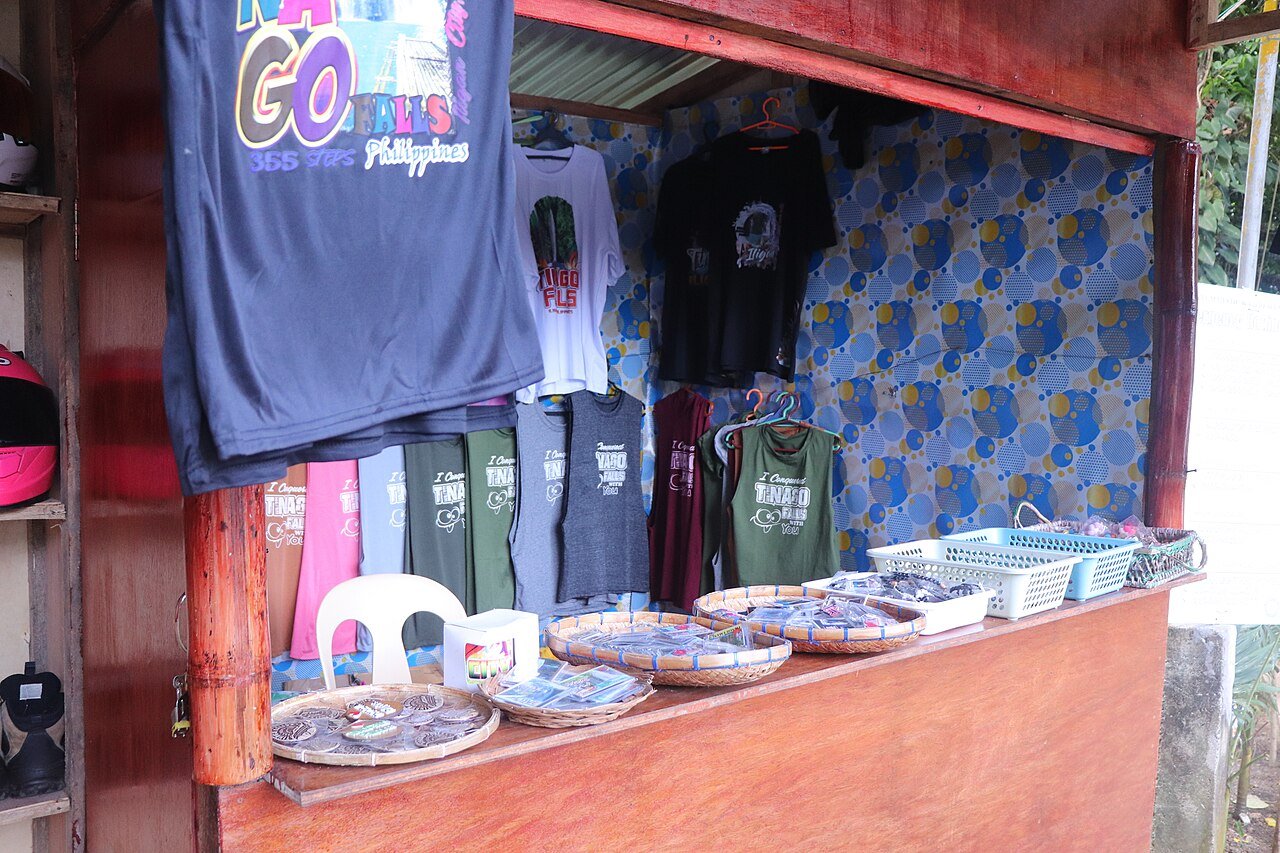
- Tinago Falls (“hidden falls” in Filipino) drops around 70 to 75 meters into a deep, cold pool. Entrance runs roughly PHP 40 to 60 per person, and getting down means around 350 to 500 concrete steps depending on which of the two access points you use (the Linamon side is shorter and better maintained than the older Buru-un route). Budget roughly PHP 20 to 50 more if you want a bamboo raft ride across the pool. The climb back up is the real workout, not the descent, and it is genuinely steep, so this isn’t the best stop if you have knee or heart issues.
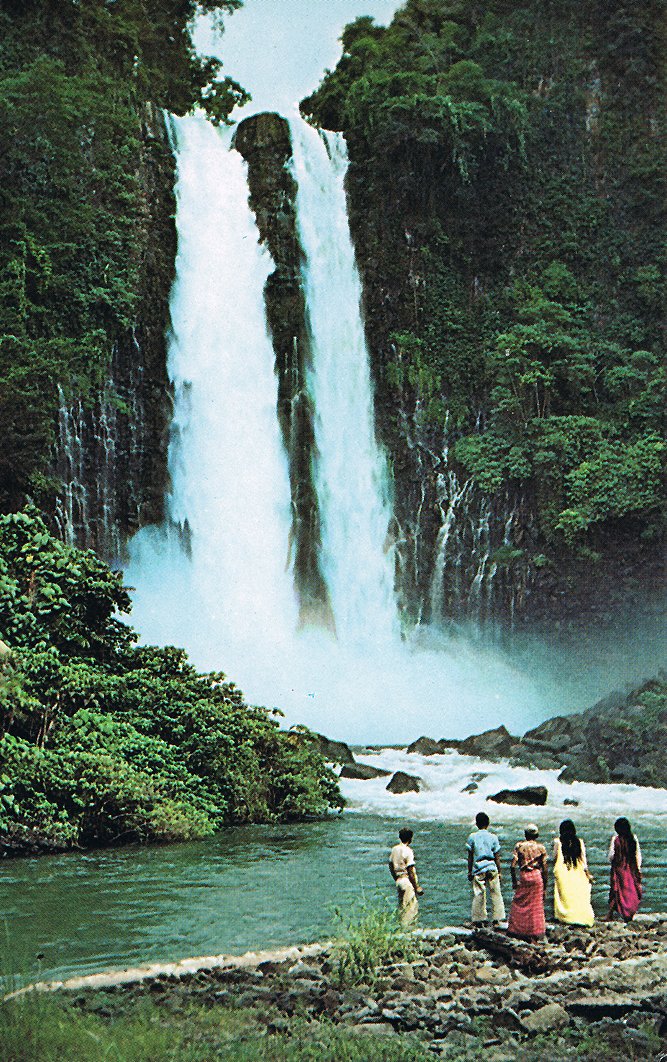
- Maria Cristina Falls, sometimes called the “Twin Falls,” powers a huge share of Mindanao’s electricity through the NPC hydro complex, so you’re viewing it from a designated viewing deck rather than swimming. Entrance is roughly PHP 30 to 50 per person, plus a sign-in at the guard post since it sits inside an active power facility.
- Mimbalut Falls is smaller and less visited, with a modest entrance fee of roughly PHP 20 to 30, and makes a decent add-on if you’re already touring the other two.
Water safety note: currents and depth at the base of Tinago Falls can be stronger than they look, especially after rain. Life vests are usually included or rentable for a small extra fee; wear one if you’re not a strong swimmer, and skip swimming altogether during or right after heavy rain when the pool can get murky and the current picks up.
Solo Travelers, Women Travelers and Families: What to Know
Solo travelers, including solo women, generally report feeling comfortable in Iligan during the day. The usual advice applies after dark: stick to well-lit, populated areas, take a tricycle rather than walking long distances at night, and let someone know your general plan if you’re heading out to the falls independently. Families will find Iligan easy enough logistically but should know that very little is set up specifically for kids beyond the waterfalls themselves, and the steps at Tinago Falls are a real consideration for small children or anyone who tires easily. If you want a softer landing before wandering independently, most accommodations can arrange a driver or tour guide for the waterfall circuit for a flat daily rate, roughly PHP 1,500 to 2,500 for a vehicle and driver covering all three falls.
Where to Stay for Peace of Mind
Sticking to the city center or the areas around Tibanga and the Mindanao State University Iligan Institute of Technology campus puts you close to restaurants, pharmacies, and better lit streets. If you want the fuller breakdown of neighborhoods and specific hotel picks across budget levels, see our Where to Stay in Iligan guide, which covers everything from roughly PHP 800 a night budget rooms to mid-range hotels in the PHP 2,500 to 4,000 range.
Getting to Iligan: Flights, Buses and Journey Times
There’s no commercial airport inside Iligan itself. Most travelers fly into Laguindingan Airport (serving Cagayan de Oro), which is roughly a 2 to 2.5 hour van or bus ride from Iligan, or fly into Ozamis (see our things to do in Ozamis City guide) and take a shorter road connection. Airfare from Manila to Laguindingan runs roughly PHP 2,500 to 6,000 round trip depending on season and how far ahead you book. From Laguindingan, air-conditioned vans (often called “GT Express” or similar shared van services) run direct to Iligan for roughly PHP 250 to 350 per person. If you’re coming overland from Cagayan de Oro city proper, buses and vans to Iligan take roughly 1.5 to 2 hours and cost around PHP 100 to 180. From Ozamis, the road route through Kolambugan to Iligan takes roughly 2 to 2.5 hours.
Money, Scams and Common Tourist Traps
Iligan doesn’t have a heavy tourist-trap culture the way Boracay or El Nido does, mostly because it still gets relatively few foreign visitors. The scams that do show up are small: tricycle drivers quoting inflated “special trip” rates to visibly foreign tourists, unlicensed “guides” at the Tinago Falls parking area offering to carry your bag down for an unstated tip, and the odd overcharge on food at stalls without posted prices. ATMs are available in the city center (BDO, BPI, Metrobank all have branches) so there’s little need to carry large amounts of cash. Always ask the price before you order or ride if it isn’t posted, and you’ll avoid nearly all of it.
Health, Weather and Natural Hazards
Iligan sits outside the main typhoon belt that hits Luzon and the Visayas hardest, but Mindanao still gets heavy rain, particularly from roughly June through December, and flash flooding around waterfall areas is a real seasonal risk after storms. Check local weather before a waterfall day if it’s rained heavily in the past 24 hours. Tap water is generally not recommended for drinking; bottled water is cheap and everywhere, usually around PHP 15 to 25 for a small bottle. No unusual vaccination requirements beyond standard Philippines travel recommendations (hepatitis A and typhoid are commonly advised by travel clinics, though this isn’t medical advice, check with your own doctor). Mindanao does sit in a seismically active zone, so minor earthquakes are possible but rarely a practical concern for a short visit.
Nightlife and After Dark: What’s Fine and What to Skip
Iligan’s after-dark scene is low-key and mostly local: a handful of karaoke bars, casual restaurants that stay open late near the city center, and the occasional live band venue. There isn’t a significant nightlife or entertainment district aimed at foreign tourists here, and that is a good thing safety-wise, not a downside. Stick to well-lit, populated streets if you’re out after dark, take a tricycle rather than walking any real distance, and treat any unlicensed or unusually pushy venue the way you would anywhere else in the Philippines: politely decline and walk away.
What to Skip and Honest Negatives
Iligan is not a polished tourist destination and it doesn’t pretend to be one. Skip the idea of a walkable, café-lined old town, because it doesn’t really exist here the way it does in Vigan or Dumaguete. The city center can feel congested and industrial rather than scenic, traffic around the market areas gets genuinely heavy at midday, and English fluency among tricycle drivers and market vendors is lower than in more touristed cities, so a few Bisaya or Filipino phrases go a long way. If your idea of a Philippines trip is white sand and beach bars, Iligan won’t deliver that; it’s a waterfalls-and-city trip, not a beach trip, and it’s honestly better as a 1 to 2 night stop than a full week.
A Realistic Day-in-Iligan Safety Checklist
- Agree on tricycle or habal-habal fares before you get in, especially for waterfall trips.
- Carry a small amount of cash for entrance fees and food; use ATMs in the city center rather than carrying large sums.
- Wear the provided life vest at Tinago Falls if you’re not a confident swimmer, and skip swimming after heavy rain.
- Keep bags zipped and phones out of sight in the public market and terminal areas.
- Save your accommodation’s number and a local contact if you’re heading out to the falls independently.
- Avoid casual day trips to Marawi without a knowledgeable local guide and current, on-the-ground information.
Realistic Costs: A Day Trip vs. a Weekend in Iligan
A single day covering all three waterfalls, including tricycle or habal-habal transport, entrance fees, a simple lunch, and bottled water, runs roughly PHP 800 to 1,500 per person if you’re doing it independently, or roughly PHP 1,500 to 2,500 per person if you hire a driver for the day and split the cost between two or three people. A relaxed weekend, two nights in a mid-range hotel plus the waterfall circuit, a couple of restaurant meals, and local transport, lands roughly around PHP 4,000 to 7,000 per person all-in, not counting the flight or van fare to get there. Budget travelers sharing a room and eating at local carinderias can bring that down closer to PHP 2,500 to 4,000 for the same two nights.
How Iligan Compares to Cagayan de Oro and Cebu for Safety
If you’re weighing Iligan against nearby Cagayan de Oro or a Visayas stop like Cebu, the safety picture is closer than most people assume. Cagayan de Oro (see our Cagayan de Oro travel guide), about 1.5 to 2 hours away, is larger, more touristed, and has more infrastructure built around foreign visitors, including more Grab coverage and English-speaking staff at hotels and restaurants. Cebu is in a different security context entirely, further from any Mindanao-specific advisories, and gets vastly more tourist traffic. None of that makes Iligan unsafe by comparison, it just means Iligan is less set up for tourists, which shows up as friction (finding an ATM, negotiating fares, limited English) rather than actual danger. Many travelers combine a Cagayan de Oro or Camiguin trip with a day or two added on in Iligan specifically because the waterfalls are strong enough to justify the detour, and doing it as an add-on to a more established base is a reasonable way to ease into the region if it’s your first time in Mindanao.
More Iligan Guides
Here is what to do and where to stay once you have your bearings.
- Top Things to Do in Iligan: The Complete Guide to the City of Waterfalls
- Iligan Travel Guide: What to Know Before You Go
- Where to Stay in Iligan: Best Areas & Hotels for Every Budget
Quick FAQ
Is Iligan City safe for tourists in 2026? Yes, for the large majority of visitors who take normal precautions, Iligan is safe. Petty theft and inflated tricycle fares are the realistic risks, not violent crime.
Is Iligan close to Marawi, and is that a problem? Marawi is roughly 35 to 40 kilometers away, about 1 to 1.5 hours by road. Iligan was not part of the 2017 siege and operates as a separate, unaffected city, though casual day trips into Marawi itself are not recommended without a knowledgeable local guide.
How much does it cost to visit Tinago Falls and Maria Cristina Falls? Expect roughly PHP 40 to 60 for Tinago Falls and roughly PHP 30 to 50 for Maria Cristina Falls, plus small optional fees for rafts or guides.
Is it safe to swim at Tinago Falls? Generally yes, with a life vest, especially if you’re not a strong swimmer. Skip swimming during or right after heavy rain, when the current and depth increase.
What is the best way to get around Iligan? Tricycles for short city trips, habal-habal for the waterfalls, and Grab in the city center when available, though coverage is thinner than in Cebu or Manila.
Is Iligan safe for solo female travelers? Generally yes during the day, with the same precautions you’d use anywhere: stick to lit, populated streets after dark, use tricycles rather than walking long distances at night, and keep someone informed of your plans if heading to the falls independently.