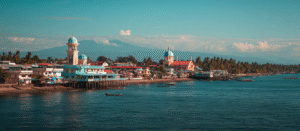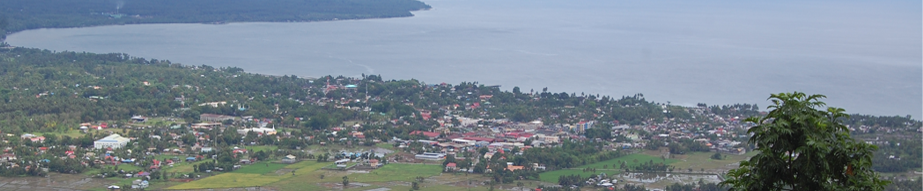

Planning a trip to the northern reaches of Mindanao often brings up questions: which cities offer a truly authentic experience beyond the usual tourist circuits? Gingoog City, situated along the scenic coastline of Misamis Oriental, offers a compelling answer. Known as the “City of Good Luck” and a key agricultural hub, Gingoog promises a blend of natural beauty, local life, and understated charm that can be immensely rewarding for the discerning traveler. This comprehensive Gingoog travel guide will navigate you through what to know before you go, ensuring a smooth and enriching journey.
How to Get There
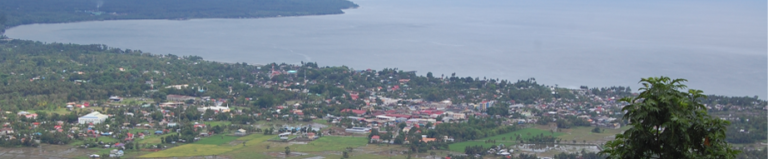
Reaching Gingoog typically involves flying into a major regional airport and then continuing by land. The most common gateway is Laguindingan International Airport (CGY), serving Cagayan de Oro City. From CGY, you have a couple of options:
- Via Cagayan de Oro City: Take a shuttle van or taxi from Laguindingan Airport to the Agora Integrated Bus Terminal in Cagayan de Oro (approximately 45 to 60 minutes, PHP 200 to 300). From Agora, board a bus bound for Butuan or specifically Gingoog. The bus ride to Gingoog is scenic and takes about 2.5 to 3 hours, costing roughly PHP 200 to 250.
- Via Butuan City: If you’re coming from the eastern parts of Mindanao, Butuan City’s Bancasi Airport (BXU) is another entry point. From Butuan, regular buses also ply the route to Gingoog, with a travel time of around 2 hours.
Within Gingoog City, tricycles (motorized rickshaws) are the primary mode of transport for short distances, while “habal-habal” (motorcycle taxis) are available for trips to more remote areas or rough terrain. Always agree on the fare before starting your journey.
Top Attractions
While not a mainstream tourist hotspot, the things to do in Gingoog offer a refreshing break from crowded destinations. Focus on its natural landscapes and local community spaces:
- Amontay Beach: This expansive stretch of grey-sand beach is popular among locals for picnics and swimming, especially during weekends. While not the pristine white sands of Palawan, its tranquil atmosphere and views of Gingoog Bay offer a peaceful escape. There are simple cottages available for rent for day use (approx. PHP 300 to 500).
- Tambo Sea-Side Park: Located right in the city center, this well-maintained park offers a pleasant promenade along the sea, perfect for a leisurely stroll, sunset viewing, or just observing local life. It’s a great spot for an evening walk or morning jog.
- Doña Rosario Heights Botanical Garden and Eco-Park: A city-managed park offering a mix of landscaped gardens, walking paths, and recreational facilities. It’s an ideal spot for families or those looking for a quiet natural setting within the city limits. Entrance fees are usually minimal, around PHP 20 to 50.
- Mount Balatukan Natural Park: For the more adventurous, this protected area offers opportunities for trekking and exploring lush rainforests and diverse wildlife. However, accessing its deeper parts often requires local guides and permits from the DENR (Department of Environment and Natural Resources) office in Gingoog. Plan this well in advance.
- Local Markets: Immerse yourself in the vibrant energy of the Gingoog Public Market. It’s the best place to observe daily life, find fresh produce, local delicacies, and perhaps some unique souvenirs.
Where to Stay
When considering where to stay in Gingoog, manage your expectations for luxury accommodations. The city primarily offers budget-friendly to mid-range options that cater mostly to local business travelers and visitors. Most accommodations are concentrated in or near the city center, offering easy access to transport, food, and basic services.
- Hotels and Lodges: Expect clean, basic rooms with air-conditioning and private bathrooms. Many establishments offer free Wi-Fi, though connection speeds can vary. Rates typically range from PHP 800 to 2,500 per night. It’s advisable to book in advance, especially during local festivals or peak seasons.
- Guesthouses and Homestays: For a more authentic experience, some local guesthouses might offer rooms. These are less commonly advertised online, so inquiring locally upon arrival might be an option if you’re feeling adventurous and flexible.
While there are no major international hotel chains, the local establishments provide comfortable and convenient bases for exploring the city and its surroundings. Always check recent reviews or call ahead for availability and current rates.
Where to Eat
Gingoog offers a genuine taste of Northern Mindanao cuisine, emphasizing fresh ingredients, especially seafood, given its coastal location. Eating out is generally affordable and delicious.
- Seafood: Look for “kinilaw” (ceviche-style raw fish marinated in vinegar and spices), “sinugba” (grilled seafood), and various fresh catches prepared simply. Many eateries near the port or market areas will offer these.
- Carinderias: These local eateries offer home-cooked Filipino dishes in a cafeteria style. They are incredibly budget-friendly, with a full meal often costing PHP 80 to 150. Don’t be shy; point to what you want.
- Panciterias: Noodle houses are common, offering various stir-fried noodle dishes like pancit bihon or pancit canton.
- Local Bakeries: Try local bread and pastries like “pan de sal” (salt bread) for breakfast or “pastel” (soft bun with yema filling), a regional specialty.
Don’t miss the chance to try local fruits, which are abundant and fresh, especially durian, lanzones, and mangosteen when in season.
Local Tips
- Best Time to Visit Gingoog: The dry season, from November to May, generally offers the most favorable weather for exploring. Expect hot and humid conditions year-round, so light, breathable clothing is essential. The Kaliga Festival, usually held in October, celebrates the Lumad culture and is a vibrant time to visit if you enjoy cultural events.
- Language: Cebuano (Bisaya) is the primary language spoken. Tagalog and basic English are generally understood, especially in commercial areas and by younger generations. Learning a few basic phrases in Cebuano will be greatly appreciated.
- Cash is King: While ATMs are available in the city center, many smaller establishments, especially carinderias and market stalls, prefer or only accept cash. It’s wise to carry enough small denominations.
- Stay Hydrated: The tropical climate means you’ll sweat a lot. Drink plenty of bottled water, which is readily available.
- Charging Your Devices: Power outlets are typically Type A, B, and C. Voltage is 220V, 60Hz. Bring a universal adapter if your devices require it.
Safety & Customs
Gingoog is generally a safe and peaceful city for travelers. As anywhere, exercise common sense and awareness of your surroundings. People are typically warm, welcoming, and hospitable.
- Respectful Attire: While there’s no strict dress code, modest clothing is generally appreciated, especially when visiting religious sites or government offices.
- Cultural Sensitivity: The Philippines is a predominantly Christian nation, but Mindanao also has a significant Muslim population and diverse indigenous groups (Lumad). Be respectful of local customs, traditions, and beliefs. Politeness, using “po” and “opo” (terms of respect) when speaking to elders or in formal situations, goes a long way.
- Bargaining: While not common in fixed-price establishments, you can politely bargain prices with tricycles for longer trips or when buying items in local markets.
- Responsible Tourism: Support local businesses, minimize your environmental footprint by disposing of waste properly, and respect natural sites.
A journey to Gingoog is less about ticking off famous landmarks and more about experiencing authentic Filipino life, connecting with friendly locals, and appreciating understated natural beauty. This Gingoog travel guide aims to equip you with the practical knowledge for a comfortable and meaningful trip. As you plan your itinerary, consider how this quiet city offers a unique window into the heart of Mindanao. What aspect of Gingoog will you explore first?
More Philippines Travel Guides
Planning a longer trip? These lesser-visited provinces pair well with a Philippines itinerary:
What to Skip
Do not expect Amontay Beach to compete with Palawan or Siargao, it is a grey sand local beach that is pleasant for a picnic, not a bucket list destination in its own right, go in with that expectation and you will not be disappointed. Skip trying to reach Mimbilisan or Agutayan Island without arranging transport first, both are genuinely hard to get to independently and showing up without a plan usually means wasting half a day figuring out logistics instead of enjoying the place. And be aware that Gingoog’s tourism infrastructure is thin, ATMs and card payment are limited outside the city center, so carry more cash than you think you will need.
Beyond the City: Mimbilisan, Agutayan Island and the Oolong Tea Farm
Most visitors only see the city center, which misses what actually makes Gingoog worth the detour. The Mimbilisan Protected Landscape sits inland and offers cooler air, forest trails, and a good introduction to the province’s mountain side, a worthwhile half day if you have transport arranged, since public transport out there is thin. Agutayan White Island lies off the coast and is reachable by hired boat from the city, a quieter alternative to the more crowded island hopping circuits further south in Mindanao, bring your own food and water since facilities on the island are minimal. For something genuinely unusual, Barangay Kalagonoy is home to the only Oolong tea plantation in the Philippines, a small operation worth a stop if you are into tea or curious about a crop you would not expect to find growing in Mindanao. None of these are heavily signposted for tourists, so ask locally or arrange transport through your accommodation rather than expecting a tour desk.
What a Day or Weekend in Gingoog Costs
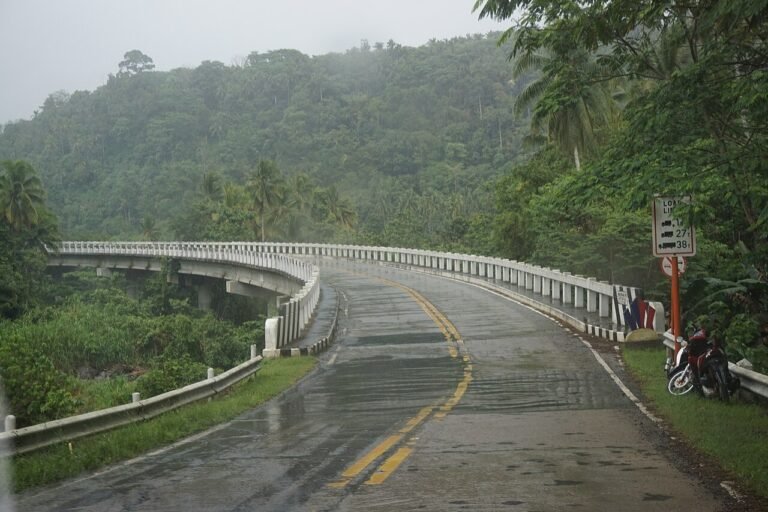
A day exploring the city center, Tambo Sea-Side Park, and Amontay Beach, including tricycle fares, lunch, and a cottage rental, runs roughly PHP 500 to PHP 800 per person. Add a boat trip out to Agutayan White Island and that climbs to roughly PHP 1,200 to PHP 1,800 per person depending on how many people split the boat rental. A full weekend, including a night in a standard hotel, meals, and one day trip out of the city center, runs roughly PHP 2,500 to PHP 4,000 per person, modest by Philippine tourism standards, which is part of why Gingoog appeals to travelers who have already done the more built up parts of Mindanao.
Quick FAQ
Is Gingoog worth visiting if I have already seen Cagayan de Oro? Yes, if you want a quieter, less developed coastal city, Gingoog’s appeal is exactly that it has not been built up for tourism the way CDO has.
How do I get to Gingoog from Cagayan de Oro? By bus or van from the Agora Integrated Bus Terminal, the trip takes a few hours depending on traffic and road conditions along the coast.
Is Agutayan White Island worth the boat trip? Yes if you want a quiet island day without crowds, but bring your own food and water since facilities there are minimal.
What is the Oolong tea plantation in Kalagonoy? The only commercial Oolong tea farm in the Philippines, a small and unusual stop for anyone curious about agriculture beyond the typical rice and coconut you see elsewhere in Mindanao.
Do I need a guide for Mimbilisan Protected Landscape? Not strictly required, but arranging transport and a local guide through your accommodation is easier than trying to reach it independently, since public transport out there is limited.
Is Gingoog safe for solo travelers? Generally yes, it sees relatively few tourists so normal travel precautions apply, keep valuables secure and confirm transport arrangements in advance rather than assuming options will be available on the spot.
What does the name Gingoog mean? It is often linked to the local word for echo, a nod to the sound bouncing off the surrounding hills and coastline, and the city is nicknamed the City of Good Luck locally, though the exact origin of that nickname is more folklore than documented fact.
More Gingoog Guides
Ready to plan your activities? See our full breakdown of things to do in Gingoog.