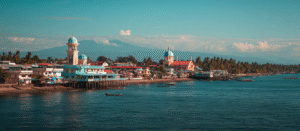
Thinking about a trip to Mindanao and wondering where to start, or perhaps hesitant about venturing beyond the usual island circuits? Cagayan de Oro, often dubbed the “City of Golden Friendship,” offers a compelling answer. More than just a transit hub, CDO presents an intriguing blend of urban dynamism and accessible natural adventure, challenging the notion that Mindanao is solely for the most intrepid travelers. Our Cagayan de Oro travel guide is designed to help you navigate its unique offerings with confidence, ensuring you tap into its vibrant culture and thrilling escapades without a hitch.
How to Get There
Reaching Cagayan de Oro is straightforward, primarily via air. The city is served by Laguindingan International Airport (CGY), located approximately 46 kilometers west of the city proper.
- By Air: Direct flights are readily available from major Philippine cities like Manila (MNL) and Cebu (CEB) via airlines such as Philippine Airlines, Cebu Pacific, and AirAsia. Flight duration from Manila is typically around 1 hour and 30 minutes.
- From Laguindingan Airport to City Center: Upon arrival, various transport options await.
- Airport Buses/Vans: Several shuttle services (e.g., Magnum Express, LAX Shuttle, Odyssey Airport Express) offer direct transfers to Limketkai Center or Centrio Mall in the city for approximately PHP 199. This is the most cost-effective and convenient option for solo travelers or small groups.
- Taxis: Metered taxis are available outside the arrival hall. A ride to the city center can range from PHP 600 to 800, depending on traffic and exact destination.
- Ride-Hailing Apps: While less prevalent than in Manila, some ride-hailing services like Grab may be available, though airport surcharges can apply.
- By Land: For those coming from nearby provinces, buses and vans connect Cagayan de Oro to cities like Davao, Butuan, and Iligan. The Agora Integrated Bus Terminal serves routes to the east and south, while Bulua Integrated Bus Terminal handles routes to the west.
Top Attractions
Cagayan de Oro is renowned for its adventure offerings, making it a prime destination for thrill-seekers. However, there’s more to do beyond the adrenaline rush.
- White Water Rafting: This is unequivocally the flagship activity and a primary reason many seek a Cagayan de Oro travel guide. The Cagayan de Oro River offers a range of rapids, from beginner-friendly (Lower Course) to more challenging (Upper Course). Tours typically cost around PHP 1,500 to 2,500 per person, inclusive of equipment, guides, and lunch. It’s best done during the rainy season (June to October) when river levels are higher, but tours run year-round.
- Dahilayan Adventure Park: Located in Bukidnon, about 1-2 hours drive from CDO, this park boasts Asia’s longest dual zipline (840 meters) and a variety of other activities like a dropzone, forest luge, and ATV rides. Package rates vary but expect to spend PHP 1,000 to 2,000 for activities.
- Mapawa Nature Park: Offering an eco-adventure experience closer to the city, Mapawa provides opportunities for trekking, waterfall rappelling, river tubing, and horseback riding. Entrance fees vary per activity, with trail access from PHP 50 and adventure packages starting at PHP 500.
- Divine Mercy Shrine: A sprawling pilgrimage site in El Salvador City, Misamis Oriental (about 30 minutes from CDO). Its towering 50-foot statue of the Divine Mercy is a sight to behold. Modest attire is required for entry.
- City Museum of Cagayan de Oro: Housed in the old water tower, this museum offers insights into the city’s history, culture, and traditions. Entrance is usually free or for a minimal donation.
These are just some of the exciting things to do in Cagayan de Oro that cater to diverse interests.
Where to Stay
Finding comfortable accommodation in Cagayan de Oro is easy, with options to suit every budget, whether you’re looking for luxury, mid-range comfort, or budget-friendly stays. Most hotels are concentrated around the city center, offering convenient access to malls and transport hubs.
- Luxury:
- Limketkai Luxe Hotel: As the only 5-star hotel in the city, it offers premium amenities, spacious rooms, and direct access to Limketkai Center. Rates typically start from PHP 5,000 per night.
- Mid-Range:
- Seda Centrio: Strategically located beside Ayala Centrio Mall, it’s known for its modern design, excellent service, and rooftop pool. Expect rates from PHP 3,500 per night.
- Mallberry Suites Business Hotel: A solid choice for both business and leisure travelers, offering good value and proximity to Limketkai Center. Rates from PHP 2,500 per night.
- Budget-Friendly:
- Red Planet Cagayan de Oro: Offers clean, basic, and efficient accommodation, perfect for travelers on a tighter budget. Rooms typically range from PHP 1,200 to 1,800.
- Gingoog Bay View Resort: While a bit out of the city center, budget hotels and guesthouses can be found throughout the city, often near bus terminals or smaller commercial areas.
When deciding where to stay in Cagayan de Oro, consider your primary activities. If rafting is your focus, look for accommodations that offer easy access to tour operators or pick-up points.
Where to Eat
Cagayan de Oro’s culinary scene is a delightful mix of local flavors and international influences. Don’t leave without trying some local specialties:
- Chicharon: While not unique to CDO, local variants are particularly crispy and flavorful. Look for vendors in public markets.
- Pastel de Camiguin: Though originating from nearby Camiguin Island, these soft, sweet buns with yema (custard) filling are a popular pasalubong (souvenir) and readily available in CDO. Vjandep Bakeshop is the most famous purveyor.
- Sinuglaw: A portmanteau of sinugba (grilled pork belly) and kinilaw (ceviche-style raw fish), this dish perfectly balances smoky and tangy flavors. Many local restaurants serve this.
- Pinakbet CDO Style: A regional take on the classic vegetable dish, often with a unique blend of local ingredients and bagoong (fermented shrimp paste).
For dining, explore the vibrant dining scene around Limketkai Center and Centrio Mall, which host a variety of restaurants from fast food to upscale dining. For a more local experience, visit the Cagayan de Oro Public Market for fresh produce and local eateries serving traditional Filipino fare.
Local Tips
- Best Time to Visit: The best time to visit Cagayan de Oro for white water rafting is during the rainy season (June to October), when river levels are optimal. However, the dry season (November to May) offers pleasant weather for other outdoor activities. Be mindful of typhoon season, usually from June to November, though Mindanao is less frequently hit directly.
- Language: While Cebuano (Bisaya) is the local dialect, English is widely understood, especially in tourist areas and by younger generations. Tagalog is also spoken.
- Getting Around: Within the city, tricycles (motorelas), jeepneys, and taxis are common. Motorelas are unique to CDO, offering a fun way to navigate short distances for a few pesos (PHP 10 to 20). Taxis are metered and ideal for longer distances or late-night travel.
- Cash is King: While major establishments accept credit cards, many smaller eateries, local markets, and public transport require cash. ATMs are widely available in malls and banks.
- Stay Hydrated: The tropical climate means it can get hot and humid. Drink plenty of bottled water.
- Respect the Environment: When engaging in adventure activities, particularly rafting or trekking, follow guides’ instructions and ensure you leave no trace. Support local communities by purchasing goods and services from them directly.
Safety & Customs
Cagayan de Oro is generally a safe city for tourists. However, like any urban center, it’s wise to practice common-sense precautions:
- Personal Safety: Be aware of your surroundings, especially in crowded areas like markets or bus terminals. Keep valuables secure and avoid displaying large sums of cash. It’s advisable to take metered taxis or ride-hailing services at night.
- Respect Local Customs: Filipinos are generally warm and hospitable. A polite demeanor goes a long way. When visiting religious sites, dress modestly (shoulders and knees covered).
- Emergency Contacts: For emergencies, dial 911 in the Philippines. Most hotels can also assist with local emergency services.
- Health: Tap water is generally not safe to drink; opt for bottled water. Bring basic medications, especially for motion sickness if you plan on long road trips or bumpy river rides.
From the exhilarating rush of its rapids to the warm smiles of its people, Cagayan de Oro offers a genuine Philippine experience that balances thrill with cultural immersion. This Cagayan de Oro travel guide aims to arm you with the practical knowledge to make your visit seamless and memorable. So, are you ready to discover the Golden Friendship City and chart your own adventure?
More Philippines Travel Guides
Planning a longer trip? These lesser-visited provinces pair well with a Philippines itinerary:
Elsewhere in Mindanao
Other Mindanao cities worth the trip:
More Cagayan de Oro Guides
Ready to plan your activities? See our full breakdown of things to do in Cagayan de Oro.
How to get to Cagayan de Oro
Cagayan de Oro is one of the easier cities in Mindanao to reach, which is part of why it works as a base for the whole northern region.
Flying is the obvious route. Laguindingan Airport serves the city with frequent daily flights from Manila taking roughly an hour and a half, plus connections from Cebu and Davao. The airport sits around 45 kilometres west of the city, so budget roughly an hour for the transfer. Airport shuttle vans run to the city for somewhere around PHP 200 to PHP 250 per person, and a private taxi or ride hailing car costs roughly PHP 900 to PHP 1,500.
By sea, ferries connect Cagayan de Oro with Manila, Cebu, Jagna in Bohol and Camiguin. The Camiguin route is the useful one for travellers, running from Balingoan port roughly a couple of hours east of the city.
Overland, buses run to Bukidnon, Iligan, Butuan and Davao from the Agora and Westbound terminals. Iligan is roughly an hour and a half away, and Camiguin via Balingoan takes around three hours including the ferry.
White water rafting on the Cagayan de Oro River
This is the thing the city is genuinely known for, and it lives up to the billing. The Cagayan de Oro River offers commercial rafting that is among the best in the country, with a long season and rapids that scale from beginner friendly to properly technical.
Operators run several route lengths. A beginner course of roughly 12 to 14 rapids typically costs somewhere around PHP 1,000 to PHP 1,800 per person. The advanced course, running 20 or more rapids over several hours, sits closer to PHP 1,800 to PHP 2,500. Both usually include the guide, equipment, transport to the put in point and a meal.
Book a day ahead rather than turning up. The water is highest and the rapids best from roughly June to October, which is the opposite of the usual Philippine dry season advice, so this is one destination where the wet months are the good ones for the headline activity.
Honest caveat: the river runs through a working landscape rather than a wilderness gorge. The scenery is pleasant but it is not the point. You come for the rapids.
Using Cagayan de Oro as a base
The strongest argument for the city is what surrounds it. Cagayan de Oro is the transport hub for northern Mindanao, and the good stuff is a short ride away.
Bukidnon is roughly an hour and a half south and climbs into cool highlands. Dahilayan has the country’s longest zipline, Communal Ranch and the Kaamulan grounds in Malaybalay are worth a day, and the pineapple plantations around Manolo Fortich are genuinely striking.
Camiguin is roughly three hours away including the ferry from Balingoan, and it is one of the best small islands in the Philippines. Hot springs, cold springs, a sunken cemetery and White Island sandbar.
Iligan is around an hour and a half west and has Maria Cristina Falls and Tinago Falls, which are the most impressive waterfalls in the region.
A sensible trip treats Cagayan de Oro as three nights of base with day trips rather than a city to explore in itself.
What to see in the city itself
The city centre is modest. Divine Mercy Shrine in El Salvador just outside town has a large statue and a hilltop view. Gaston Park and the St Augustine Cathedral make a pleasant hour. Macahambus Cave and Adventure Park on the edge of the city offers a canopy walk and a gorge zipline for a few hundred pesos.
The malls are where the city socialises, particularly Centrio and SM. That sounds dismissive but it is accurate and useful to know.
Is Cagayan de Oro safe?
Worth addressing directly, because Mindanao carries a reputation that is applied far too broadly.
Cagayan de Oro is a large, ordinary Philippine city and it is not part of the conflict affected areas of Mindanao, which lie considerably further south and west. Foreign government advisories that warn against travel to parts of Mindanao generally treat the northern coast, including Cagayan de Oro and Camiguin, differently from central and western Mindanao. Check your own government’s current advisory rather than taking anyone’s word, including ours.
Day to day, the risks are those of any Philippine city of a million people. Petty theft in crowded areas, some care needed late at night in unfamiliar districts, and normal traffic hazards. Visitors come through in large numbers for the rafting without incident.
Where to stay in Cagayan de Oro
The city has the best hotel range in northern Mindanao.
Budget rooms and hostels run roughly PHP 700 to PHP 1,500. Mid range business hotels around Divisoria and the Limketkai area sit somewhere around PHP 2,000 to PHP 3,500. Upper tier hotels attached to the malls run above PHP 4,000.
Staying near Divisoria or Limketkai puts you within walking distance of restaurants and transport. If you are rafting, most operators collect from city hotels, so location matters less than you might think.
What a Cagayan de Oro trip really costs
A budget day, staying in a hostel, eating at local eateries and using jeepneys, runs somewhere around PHP 1,200 to PHP 1,800 per person. Jeepney fares in the city start at roughly PHP 13 and taxis or ride hailing around town rarely exceed PHP 200.
A comfortable day in a mid range hotel with restaurant meals lands closer to PHP 2,500 to PHP 4,000.
Rafting is the single item that moves the total, at roughly PHP 1,000 to PHP 2,500 depending on the course. A day trip to Bukidnon with a van and driver runs somewhere around PHP 3,500 to PHP 5,500 split across a group.
Food is a highlight and it is cheap. Try the local pastel buns from Camiguin sold all over the city, and the seafood and grilled meat at the night market on Divisoria, where a full meal runs somewhere around PHP 150 to PHP 300.
Best time to visit Cagayan de Oro
This is the unusual one. Northern Mindanao sits outside the main typhoon belt and has fairly even rainfall, so there is no hard closed season.
For rafting, roughly June to October gives the highest water and the best rapids. For general sightseeing and day trips to Camiguin, the drier months from around February to May are more reliable. The Kagay an Festival in August fills the city with parades and street dancing and is worth timing around, though rooms get scarce.
What to skip in Cagayan de Oro
Do not come for beaches. The city sits on Macajalar Bay and the shoreline is industrial port rather than sand. For a beach, go to Camiguin. This is the most common mistaken expectation about the city.
Skip a long stay in the city itself. Two or three nights as a base is right. Cagayan de Oro is a pleasant, functional city without a historic core or a strong sense of place, and a week here without day trips would drag.
Skip rafting in the driest weeks if the rapids matter to you. Operators run year round but the low water course is a much tamer experience. Ask honestly what the river is doing before you book.
Do not rely on the airport being close. Laguindingan is roughly an hour out. Plenty of people have missed flights assuming otherwise.
Quick FAQ
Is Cagayan de Oro safe for tourists? It is an ordinary large Philippine city and it sits well away from the conflict affected parts of Mindanao. The realistic risks are petty theft and traffic rather than anything else. Check your own government’s current advisory before travelling, since these are updated regularly.
What is Cagayan de Oro known for? White water rafting on the Cagayan de Oro River, and its role as the transport hub for northern Mindanao, giving easy access to Bukidnon, Camiguin and Iligan.
How much does white water rafting cost in Cagayan de Oro? The beginner course of roughly 12 to 14 rapids runs somewhere around PHP 1,000 to PHP 1,800 per person, and the advanced course closer to PHP 1,800 to PHP 2,500. Guide, equipment, transport and a meal are usually included.
How do you get from Cagayan de Oro to Camiguin? Take a bus east to Balingoan port, roughly two hours, then the ferry to Benoni on Camiguin, which takes around an hour. Allow three to four hours door to door and check the last ferry time before you set off.
How far is the airport from Cagayan de Oro? Laguindingan Airport is around 45 kilometres west of the city, roughly an hour by road. Shuttle vans cost somewhere around PHP 200 to PHP 250 and a private car runs roughly PHP 900 to PHP 1,500.
How many days do you need in Cagayan de Oro? Three to four nights works well, using the city as a base. One day for rafting, one for Bukidnon or Iligan, and the rest for Camiguin if you have the time to add it.
For more of the region, see our guides to things to do in Cagayan de Oro and Gingoog further along the coast. Our Iligan safety guide covers the waterfall city next door.