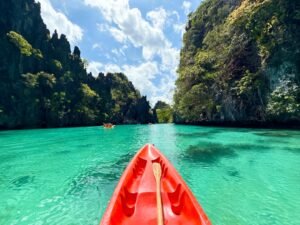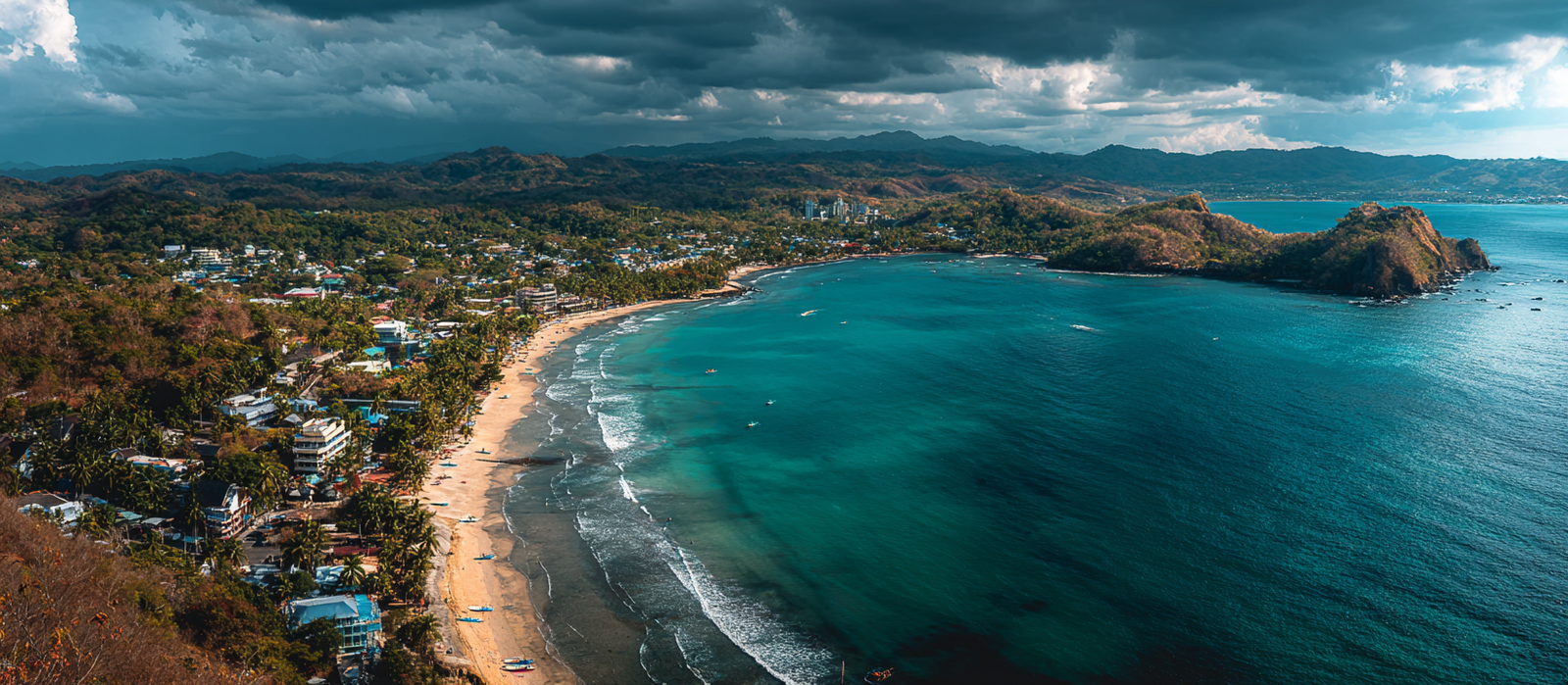

Planning a quick escape from Metro Manila’s bustle? Nasugbu, Batangas, often tops the list, but understanding its nuances is key to a truly rewarding trip. It’s more than just a convenient coastal town; Nasugbu offers a diverse landscape from pristine private coves to rugged mountain trails, making it a versatile destination for various traveler types. This Nasugbu travel guide aims to demystify your visit, ensuring you navigate its charms with confidence and insight.
How to Get There
Nasugbu’s primary appeal often lies in its accessibility from Manila. Your best options depend on your budget and preference for convenience:
- By Public Bus: The most budget-friendly choice. Regular buses depart from Paranaque Integrated Terminal Exchange (PITX) and Buendia (DLTB Co. Terminal). Travel time typically ranges from 2.5 to 4 hours, heavily dependent on traffic, especially on weekends. Fares average around PHP 180-250 (approximately $3-5 USD). Opt for early morning departures to beat the congestion.
- By Private Vehicle: The quickest and most flexible way. Take the South Luzon Expressway (SLEX) to Star Tollway, then exit at Lipa or Balete towards Tagaytay. From Tagaytay, follow signs to Nasugbu. The journey without heavy traffic can be as short as 2-3 hours. Factor in toll fees, which can accumulate to about PHP 300-500 (approximately $5-9 USD) one way. This option is ideal if you plan to explore multiple sites within Nasugbu, as local transport can be sparse.
- Private Van/Shuttle Services: For groups, hiring a private van offers comfort and door-to-door convenience. Prices vary widely but expect to pay PHP 3,000-5,000 (approximately $50-90 USD) for a one-way trip from Manila.
Things to Do in Nasugbu
Beyond its well-known beaches, Nasugbu presents a range of activities. Knowing what to do in Nasugbu allows you to tailor your itinerary effectively.
- Beach Hopping & Water Sports:
- Laiya Beach: While technically in San Juan, Batangas, Laiya is often associated with the Nasugbu area due to its popularity. It offers a long stretch of public beach with numerous resorts, perfect for jet skiing, banana boating, and parasailing.
- Calayo Beach & Malabrigo Beach: These offer a more laid-back vibe, popular with local families. Ideal for swimming and simple relaxation.
- Hamilo Coast & Pico de Loro Cove: These are premier, exclusive beach resorts known for their stunning coves, clear waters, and extensive facilities. Access is usually limited to members or guests staying at their affiliated hotels/condos. They offer a full suite of water activities from snorkeling to kayaking.
- Fortune Island: One of the most unique things to do in Nasugbu. This uninhabited island, about an hour’s boat ride from the coast, is famous for its crumbling Greek-inspired pillars, reminiscent of the Parthenon. It’s a fantastic spot for cliff jumping, snorkeling, and photography. Boat rentals to Fortune Island typically cost PHP 3,000-4,000 (approximately $50-70 USD) for a day trip for up to 10 people, plus an entrance fee of PHP 300-500 ($5-9 USD) per person.
- Mount Batulao Hike: For the adventurous, this popular hiking spot offers rewarding views of the Batangas landscape. It’s a relatively easy to moderate climb, suitable even for beginners, usually taking 3-5 hours round trip.
- Submarine Garden & Diving: Nasugbu is also home to several dive sites. The Submarine Garden, a marine protected area, offers vibrant coral reefs and diverse marine life, accessible via local dive shops or resorts.
Where to Stay in Nasugbu
From luxurious integrated resorts to more budget-friendly guesthouses, options for where to stay in Nasugbu cater to various preferences and budgets.
- Luxury Resorts:
- Pico Sands Hotel (Pico de Loro Cove): Part of the exclusive Hamilo Coast, this hotel offers upscale accommodations, extensive recreational facilities, and access to a private beach. Expect rates from PHP 7,000-15,000 ($125-270 USD) per night.
- Club Punta Fuego: Another high-end option known for its clifftop views, private coves, and championship golf course. Rates can range from PHP 8,000-20,000 ($140-360 USD).
- Mid-Range Resorts & Hotels:
- Several resorts along Laiya and Calayo offer comfortable stays with swimming pools and beach access, without the exclusivity of Pico de Loro. Prices typically range from PHP 3,000-6,000 ($50-100 USD). Look for options around Calayo Beach for a quieter experience.
- Budget-Friendly & Homestays:
- In Nasugbu town proper or near public beaches, you can find simple guesthouses, transient houses, and homestays. These often lack extensive amenities but provide clean, basic accommodation. Rates usually start from PHP 1,500-2,500 ($25-45 USD) per night. Online booking platforms like Agoda or Booking.com are useful for finding these.
Where to Eat
Nasugbu’s culinary scene is a blend of traditional Filipino comfort food and fresh seafood.
- Fresh Seafood: Head to the Nasugbu Public Market early in the morning for the freshest catch. Many local eateries (carinderias) around the market or near the port can cook your chosen seafood for a minimal fee, often served paluto style (you buy, they cook). Expect to pay PHP 300-600 ($5-10 USD) per dish.
- Batangas Lomi: A trip to Batangas isn’t complete without trying its signature Lomi, a thick, flavorful noodle soup often laden with pork cracklings, liver, kikiam, and a raw egg stirred in. Many roadside eateries specialize in this dish. A hearty bowl costs around PHP 80-150 ($1.5-3 USD).
- Kapeng Barako: Indulge in Batangas’ strong, aromatic coffee, “Kapeng Barako.” It’s available in most local cafes and carinderias.
- Resort Restaurants: For more upscale dining, the restaurants within resorts like Pico Sands Hotel offer a mix of international and local cuisine.
Local Tips
- Best Time to Visit Nasugbu: The dry season, from November to May, offers the best weather for beach activities and island hopping. The months of December to February are generally cooler and less humid. Avoid Holy Week (typically March or April) and Christmas/New Year’s, as resorts are fully booked and roads become extremely congested.
- Getting Around: Once in Nasugbu, tricycles are the primary mode of transport for short distances within town or to nearby beaches. Negotiate the fare before riding. For longer trips, consider hiring a van or a jeepney (pakyaw) for the day if traveling in a group.
- Cash is King: While major resorts accept credit cards, most local eateries, smaller shops, and tricycle drivers operate on a cash-only basis. Have enough Philippine Pesos (PHP) on hand. ATMs are available in the town proper but can be scarce in more secluded areas.
- Sun Protection: The Philippine sun can be intense. Always use high SPF sunscreen, wear hats, and consider rash guards, especially during water activities.
- Responsible Travel: Help preserve Nasugbu’s beauty. Dispose of your trash properly, avoid disturbing marine life, and support local businesses.
Safety & Customs
Nasugbu is generally safe for tourists, but it’s always wise to exercise standard precautions. Keep an eye on your belongings, especially in crowded areas. When swimming or engaging in water sports, always follow safety guidelines provided by resort staff or tour operators. Be mindful of strong currents during rough weather.
Culturally, Filipinos are known for their hospitality. A simple “po” and “opo” (terms of respect) when speaking to elders or in formal settings are greatly appreciated. Modest swimwear is generally accepted on beaches, but outside resort areas, dress respectfully when visiting local communities or public places. Always ask for permission before taking photos of individuals.
Nasugbu offers a compelling blend of accessibility, diverse landscapes, and genuine Filipino warmth. With this comprehensive Nasugbu travel guide, you’re well-equipped to plan a trip that goes beyond the surface, allowing you to truly experience the best of Batangas’ coastal charm. From beach relaxation to adventurous hikes, Nasugbu awaits your exploration.
More Philippines Travel Guides
Planning a longer trip? These lesser-visited provinces pair well with a Philippines itinerary:
More Nasugbu Guides
Ready to plan your activities? See our full breakdown of things to do in Nasugbu.