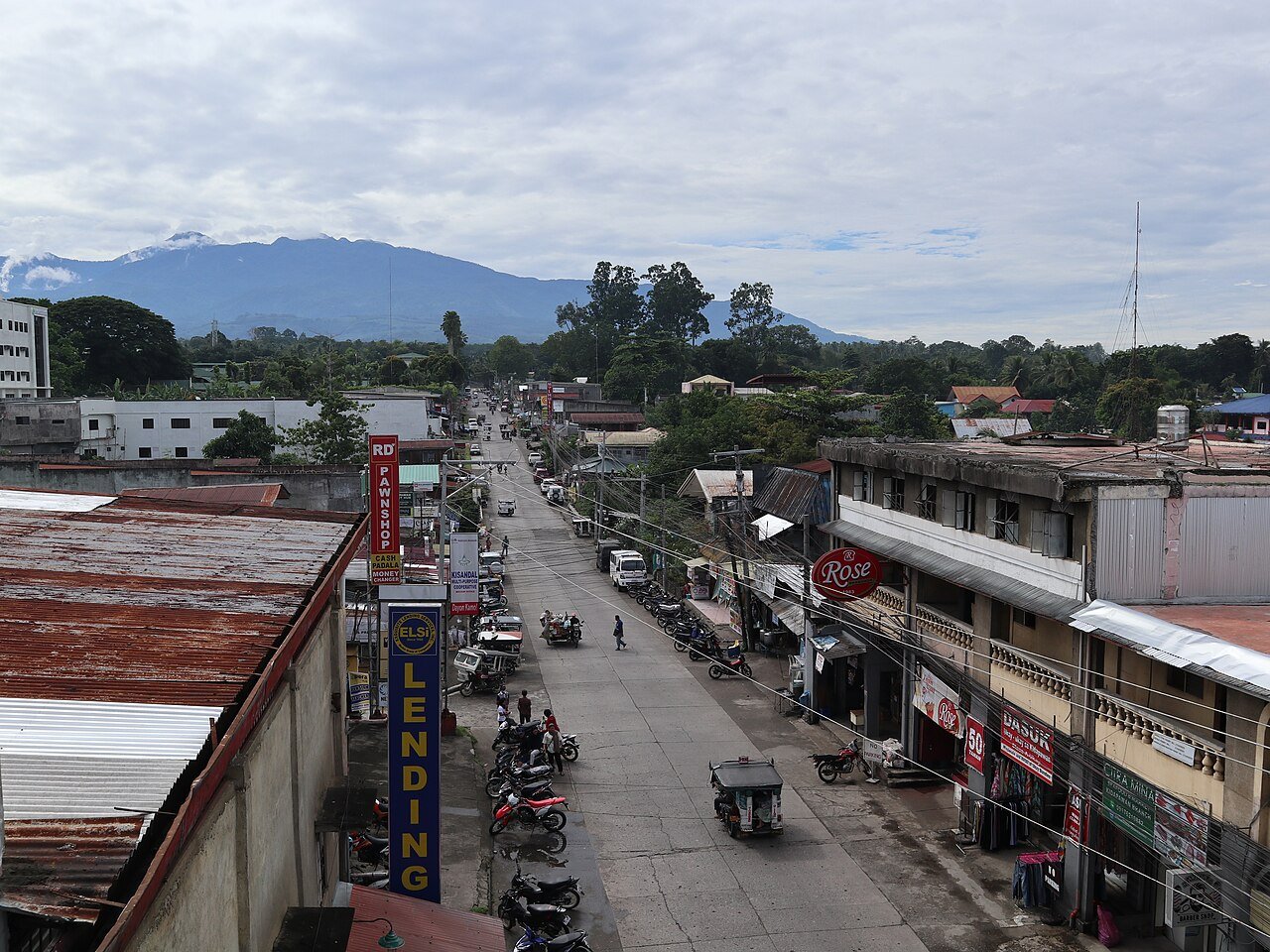

Often overshadowed by more publicized destinations, North Cotabato holds a quiet allure, inviting those who seek genuine encounters with nature and culture. But what does it really take to navigate this vibrant province, and how can you ensure a rewarding journey beyond the headlines? This comprehensive north cotabato travel guide unpacks the essentials, offering practical insights for a confident and memorable trip.
How to Get There
Reaching North Cotabato primarily involves flying into one of two key gateways: Francisco Bangoy International Airport (DVO) in Davao City, or Awang Airport (CBO) in Cotabato City. Davao City typically offers more flight options from major Philippine hubs like Manila (MNL) or Cebu (CEB).
- From Davao City (DVO): Upon arrival, take a taxi or Grab to the Ecoland Bus Terminal. From there, hop on a bus bound for Kidapawan City or Midsayap. Travel time to Kidapawan is approximately 2.5-3 hours, costing around PHP 200-250. For Midsayap, it’s about 3.5-4 hours. Rural Transit and Yellow Bus Line are reliable operators.
- From Cotabato City (CBO): Awang Airport is closer to the provincial capital of Cotabato City. From there, you can take a bus or van to Kidapawan City, which is roughly 1.5-2 hours away, costing about PHP 150-200. Buses and vans regularly ply the route.
While generally safe, it’s advisable to travel during daylight hours, especially for longer bus journeys.
Top Attractions
The things to do in north cotabato are predominantly nature-centric, offering stunning landscapes and unique experiences.
- Asik-Asik Falls (Alamada): This cascading curtain of water, emerging directly from rock formations rather than a river, is a truly mesmerizing sight. Located in Sitio Dulao, Barangay Upper Dado, Alamada, it requires a significant descent down a concrete staircase. Allow half a day for the visit and travel. Entrance fee is typically PHP 30.
- Mount Apo (via Kidapawan Trail): As the highest peak in the Philippines (2,954 meters or 9,692 feet), Mount Apo offers a challenging yet rewarding climb. The Kidapawan trail is one of the more popular access points. A multi-day trek (3-4 days) is required, necessitating permits from the DENR-Protected Area Management Board (PAMB) office in Kidapawan and accredited guides. The best time to climb is during the dry season.
- Lake Agko (Kidapawan): Nestled at the foot of Mount Apo, Lake Agko is a unique hot and cold spring lake, where sulfurous waters bubble alongside cooler sections. It’s a perfect spot for relaxation after a trek or for a picnic. Entrance fees are minimal, around PHP 50.
- Pisan Caves (Kabacan): For spelunking enthusiasts, the Pisan Caves offer an intriguing underground adventure. Local guides are essential to navigate the various chambers and understand their geological significance.
- New Israel (Makilala): A settlement at the foot of Mount Apo, known for its unique spiritual community and a zip line offering panoramic views. It’s a great spot for cultural interaction and enjoying the cooler mountain air.

Where to Stay
When considering where to stay in north cotabato, Kidapawan City and Midsayap are your primary hubs, offering the most options for various budgets.
- Kidapawan City: As the provincial capital, Kidapawan has a range of accommodations.
- Budget: Guesthouses like AJ Hi-Time Hotel or Jes-Arlynn Apartelle offer basic, clean rooms starting from PHP 700-1,200 per night.
- Mid-range: Apo Summit Suites or Eva’s Hotel provide more amenities, air-conditioning, and private baths, typically ranging from PHP 1,500-2,500.
- Midsayap: While smaller, Midsayap also has a few lodging options, primarily budget hotels and inns suitable for an overnight stay if you’re exploring that side of the province. Prices are similar to the budget options in Kidapawan.
Booking in advance, especially during local festivals or peak seasons, is advisable. While major online booking platforms might have limited listings, local hotels often accept direct reservations via phone or Facebook Messenger.
Where to Eat
North Cotabato’s culinary scene reflects Mindanao’s rich cultural tapestry, blending indigenous flavors with influences from the Maguindanao and Christian communities.
- Local Delicacies: Don’t leave without trying Pastil, a delightful steamed rice dish topped with shredded chicken or beef, often seasoned with a unique mix of spices. Look for local eateries serving authentic Mindanaoan fare.
- Fresh Produce: Given its agricultural bounty, North Cotabato is known for its fresh fruits, especially durian (in season), mangosteen, and lanzones. Visit local markets like the Kidapawan City Public Market for the freshest picks.
- Kidapawan City: You’ll find a variety of local canteens (carinderias) serving Filipino staples. For a more established dining experience, check out some of the restaurants around the city center, offering both local and some Western dishes.
- Coffee: The province is also a significant coffee producer. Seek out local coffee shops that brew beans grown right in the region for a truly fresh cup.
Local Tips
- Best Time to Visit North Cotabato: The dry season, from November to May, is ideal for visiting, especially if you plan to trek Mount Apo or visit Asik-Asik Falls, as heavy rains can make trails slippery and waterfalls less accessible.
- Transportation Within the Province: Once in a major town, tricycles are common for short distances (PHP 10-30). For reaching more remote attractions like Asik-Asik Falls, you’ll need to hire a habal-habal (motorcycle taxi), which can cost PHP 500-1,000 for a round trip, depending on distance and negotiation. Always agree on the fare beforehand.
- Cash is King: While larger establishments in Kidapawan City might accept cards, it’s best to carry sufficient cash, especially when traveling to rural areas or smaller towns. ATMs are available in major centers.
- Language: While Tagalog and Cebuano are widely understood, Hiligaynon is also spoken, especially in Midsayap and surrounding areas. English is generally understood in tourist-facing establishments.
Best Time to Visit
The dry season, roughly November through April, is the practical window for both Asik-Asik Falls and any Mount Apo trekking, trails get genuinely dangerous and permits harder to secure during the wet months. If Mount Apo is your main goal, aim for the earlier part of this window, December through February, when conditions on the summit trail are most reliable.
What a Trip to North Cotabato Costs
A day trip to Asik-Asik Falls from Kidapawan, including transport and the small entrance fee, runs roughly 800 to 1,200 pesos per person. A full Mount Apo climb is a different budget entirely, expect 8,000 to 15,000 pesos per person for a 3 to 4 day trek covering permits, a required guide, porters, and camping gear rental if you don’t own your own, more if you book through a full service trekking outfitter rather than arranging permits independently.
Lake Agko and Kidapawan’s Cold Springs
Lake Agko sits right at the base of Mount Apo and stays genuinely cold year round, fed by mountain springs rather than surface runoff, which makes it a popular local escape from the lowland heat. Several resorts around the lake offer pools filled with the same cold spring water alongside the natural lake itself, entrance and pool access typically runs a modest fee at each property. It’s an easy half day add on if you’re staying in Kidapawan and don’t want a full day commitment like the falls or the mountain trek require.
Getting Around North Cotabato
Kidapawan is the practical base for most of the province’s attractions, with jeepneys and vans connecting it to Cotabato City and to Davao further east. Reaching Asik-Asik Falls in Alamada requires a longer trip, roughly 1.5 to 2 hours from Kidapawan by van or private vehicle, since it’s tucked into a barangay off the main routes. Hiring a private van or habal-habal for the day is the more practical option than trying to piece together public transport for a single day trip.
Respecting Indigenous Land
Parts of Mount Apo’s approach trails and surrounding areas fall within ancestral domain claimed by Lumad communities, including the Manobo and Bagobo peoples. Reputable trekking guides and outfitters coordinate with these communities as a standard part of arranging a climb, and travelers should expect this as part of the permit process rather than an optional courtesy. It’s worth asking your guide about this coordination directly if it isn’t explained upfront, and it’s a reasonable question to raise before booking rather than something to leave until you’re already on the trail.
What to Skip and What Disappoints
Asik-Asik Falls involves a genuine hike down and back up a steep, often muddy trail, roughly thirty minutes each way, which surprises visitors expecting an easy roadside waterfall. If mobility is a concern, this one is worth skipping. Lake Agko’s cold spring pools get crowded on weekends with local families rather than tourists, which is charming for some and disappointing for anyone expecting a quiet nature spot, weekday visits are noticeably calmer. Kidapawan City itself is a working provincial capital rather than a resort town, do not expect much beyond functional hotels and local eateries, the appeal here is entirely the natural attractions outside the city rather than the city itself.
Mount Apo climbs require real planning, a Department of Environment and Natural Resources permit, a registered guide, and typically two to three days depending on the trail chosen. This is not a spontaneous add on to a weekend trip, travelers hoping to summit should book months ahead during peak climbing season, roughly March through May, when permits are most contested.
Quick FAQ
Do you need a guide for Asik-Asik Falls? A local guide isn’t strictly required but is genuinely helpful given the descent and the remote barangay location, arrange one through the Alamada tourism office.
How hard is the Kidapawan trail up Mount Apo? It’s one of the more accessible routes but still a serious multi day trek requiring a DENR permit and an accredited guide, not suited to first time hikers without preparation.
Is North Cotabato safe to visit? Generally yes for the main tourist sites like Asik-Asik and Kidapawan, standard precautions apply and checking current conditions before a Mount Apo trek is sensible given its remote terrain.
How does North Cotabato compare to South Cotabato? North Cotabato centers on Mount Apo and Asik-Asik Falls, South Cotabato leans more toward Lake Sebu and T’boli culture, both pair well on a longer Mindanao trip.
How many days do you need in North Cotabato? One day covers Asik-Asik Falls comfortably. A Mount Apo climb needs 3 to 4 dedicated days on its own.
What’s the best time of year to visit? November through April, with December through February best specifically for Mount Apo conditions.
Safety & Customs
North Cotabato, like any travel destination, requires a degree of awareness. While largely peaceful, it’s prudent to stay informed about local advisories and practice common sense. Your north cotabato travel guide would be incomplete without these considerations.
- Local Advisories: Before and during your trip, check the latest travel advisories from your embassy or local government. Engage with your accommodation or local guides for real-time safety insights.
- Respectful Dress: When visiting religious sites or indigenous communities, dress modestly as a sign of respect.
- Photography Etiquette: Always ask for permission before taking photos of individuals, particularly in cultural or religious settings.
- Environmental Responsibility: Help preserve the natural beauty of North Cotabato. Carry out all your trash, avoid disturbing wildlife, and stick to marked trails. Supporting local, eco-friendly initiatives directly benefits the communities you visit.
- Cultural Sensitivity: The province is home to diverse indigenous groups like the Manobo and Maguindanao, each with unique traditions. Approach interactions with an open mind and respect for their customs.
North Cotabato is more than just a dot on the map; it’s a vibrant tapestry of natural wonders and rich cultural narratives waiting to be explored. With this north cotabato travel guide, you’re well-equipped to discover its unique charm, engage responsibly with its communities, and craft an experience that transcends the ordinary. Are you ready to see this part of Mindanao for yourself?
Rest of SOCCSKSARGEN
North Cotabato is part of a wider region worth exploring: