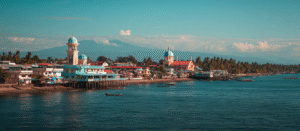
Considering a journey to Maguindanao often comes with questions: What truly awaits beyond the headlines? How does one navigate a region so rich in culture, yet often misunderstood? This Maguindanao travel guide aims to demystify the experience, offering practical insights for travelers eager to explore one of Mindanao’s most historically significant and culturally vibrant provinces.
Maguindanao, part of the Bangsamoro Autonomous Region in Muslim Mindanao (BARMM), offers a deep dive into the heart of Islamic Filipino heritage. Its landscapes are etched with the tales of sultans and scholars, its rivers pulse with daily life, and its people uphold traditions spanning centuries. Far from being just a destination, it’s an immersive cultural encounter. This guide will equip you with the essential knowledge for a respectful, informed, and truly rewarding visit.
How to Get There
Your primary gateway to Maguindanao is Cotabato City (Cotabato Awang Airport : CXO), which serves as the provincial capital and the most accessible entry point. Major airlines like Philippine Airlines and Cebu Pacific operate daily flights from Manila and Cebu directly to CXO. Flight durations are typically around 1 hour and 45 minutes from Manila, and slightly less from Cebu. Fares can range from PHP 2,000 to PHP 5,000 depending on booking in advance and season.
For those traveling by land from neighboring Mindanao cities, public buses and vans connect Cotabato City to Davao City (approximately 5-6 hours), General Santos City (3-4 hours), and Zamboanga City (8-10 hours). Private car hires are also an option for more flexibility, though these can be significantly pricier. Always confirm the latest routes and schedules, and be prepared for security checkpoints along major roads , a standard procedure in the region.
Top Attractions
Maguindanao’s attractions largely revolve around its profound Islamic heritage and the natural beauty shaped by the Rio Grande de Mindanao. Here are some key things to do in Maguindanao:
- Sultan Hassanal Bolkiah Mosque (Grand Mosque): Dominating the landscape with its golden domes and minarets, this is the largest mosque in the Philippines. Gifted by the Sultan of Brunei, its intricate architecture and sheer scale are breathtaking. Visiting hours generally extend from morning to late afternoon, but be mindful of prayer times. Modest attire is required; headscarves for women are essential.
- Masjid Dimaukom (Pink Mosque): Located in Datu Saudi Ampatuan, this uniquely vibrant pink mosque is a symbol of peace and love, built by the town’s mayor. Its distinct color stands out against the green landscape, offering a memorable photo opportunity and a quiet place for contemplation.
- Rio Grande de Mindanao: The second-longest river in the Philippines, this vital waterway is the lifeblood of Maguindanao. A boat ride along the river offers a glimpse into local life , stilt houses, fishing communities, and the daily rhythm of the Maguindanaon people. You can often arrange a local boat for hire near Cotabato City’s public market.
- Shariff Kabunsuan Cultural Complex and Provincial Capitol: This complex in Cotabato City not only houses government offices but also serves as a hub for cultural events and a testament to the region’s rich history, named after the Arab missionary who introduced Islam to Mindanao.
- Local Markets: Immerse yourself in the bustling atmosphere of Cotabato City’s public markets. Here, you’ll find an array of local produce, traditional handicrafts like malong (tubular garment) and intricate weaves, and a vibrant display of Maguindanaon daily life.
Where to Stay
The majority of accommodation options in Maguindanao are concentrated in Cotabato City, serving as an ideal base for exploring the province. While luxury resorts are not a feature here, several comfortable hotels and guesthouses cater to travelers. When considering where to stay in Maguindanao, look for options that prioritize security and convenience.
- Alnor Hotel and Convention Center: A popular choice offering modern amenities, a swimming pool, and comfortable rooms. Prices typically range from PHP 2,500 : PHP 4,000 per night.
- The Palladium Hotel: Another well-regarded option in Cotabato City, known for its clean rooms and central location. Expect rates around PHP 1,800 : PHP 3,000.
- Estares Street Inn: A more budget-friendly option, providing basic but clean and secure accommodations. Rates here might be around PHP 800 : PHP 1,500.
It is advisable to book your accommodations in advance, especially if traveling during local festivals or peak seasons, to ensure availability and potentially secure better rates.
Where to Eat
Maguindanaon cuisine offers a distinct and flavorful experience, deeply rooted in Islamic culinary traditions. Expect rich, aromatic dishes that often feature coconut milk, turmeric, and a variety of spices. All establishments serve Halal food.
- Pastil: A must-try! This steamed rice topped with shredded, seasoned chicken or beef (kagikit), wrapped in a banana leaf, is a staple. It’s often enjoyed with a dash of palapa, a spicy condiment made from toasted coconut, ginger, and chili.
- Tinagtag: A unique, crispy noodle-like delicacy made from rice flour, typically served during special occasions or as a snack.
- Dodol: A sweet, sticky rice cake made with glutinous rice flour, coconut milk, and brown sugar, often flavored with durian or pandan.
- Palapa-infused Dishes: Look for dishes cooked with palapa, which adds a distinct kick. Chicken, beef, and even vegetable stews often incorporate this local staple.
You’ll find local eateries and small restaurants in Cotabato City, particularly around the city center and public market areas, offering these authentic dishes at very affordable prices.
Local Tips
- Best Time to Visit: The best time to visit Maguindanao is during the dry season, from December to May, when the weather is generally sunny and conducive for travel. The wet season, from June to November, can bring heavy rains, potentially affecting travel plans and outdoor activities.
- Dress Modestly: Respect for local culture is paramount. Dress modestly, especially when visiting mosques or religious sites. For women, this means covering shoulders and knees; a headscarf (hijab) is essential for entering mosques.
- Transportation within the Province: Tricycles are the most common mode of transport within Cotabato City. For longer distances or exploring areas outside the city, you can hire private vans or take local jeepneys, but always confirm the safety of the route beforehand.
- Cash is King: While ATMs are available in Cotabato City, smaller establishments and rural areas may only accept cash. It’s always wise to carry sufficient Philippine Pesos for your daily expenses.
- Ramadan and Eid: If traveling during Ramadan, be aware that many businesses may adjust their hours, and food establishments might be closed during fasting hours. Eid al-Fitr (end of Ramadan) and Eid al-Adha are significant holidays and offer a unique cultural experience, but travel services might be busier.
Safety & Customs
While Maguindanao has faced historical challenges, the local government and tourism stakeholders are actively working to promote peace and ensure the safety of visitors. Staying informed and exercising common sense are key. Always consult the latest travel advisories from your embassy or local authorities before and during your trip. Engaging with local guides is highly recommended for deeper cultural immersion and navigating unfamiliar areas safely.
Cultural sensitivity is crucial. The region is predominantly Muslim, and respecting Islamic customs and traditions is paramount:
- Greetings: A polite “Assalamu Alaikum” (peace be upon you) is a well-received greeting.
- Photography: Always ask for permission before taking photos of people, especially women and children.
- Mosque Etiquette: Remove your shoes before entering a mosque. Avoid walking in front of people who are praying.
- Responsible Travel: Support local businesses, minimize your environmental footprint, and engage respectfully with the communities you visit.
Maguindanao offers a compelling journey into a part of the Philippines often overlooked but rich in a profound sense of place and heritage. By preparing with this Maguindanao travel guide, understanding its cultural nuances, and embracing the spirit of exploration, you open yourself to a truly unique experience. It’s an opportunity to witness the resilience, beauty, and hospitality of the Maguindanaon people, offering insights that few other destinations in the archipelago can match. Are you ready to discover the heart of Muslim Mindanao?
A Short History Worth Knowing Before You Go
Maguindanao takes its name from the historic Sultanate of Maguindanao, one of the oldest and most influential Islamic sultanates in the Philippines, dating back to the 16th century under Sultan Shariff Kabunsuan. That history is still visible today in the province’s mosques, its madrasah schools, and the traditional titles still used within some communities. Understanding this context, that you’re visiting a place with centuries of self governance and distinct cultural identity rather than a generic rural province, changes how the visit lands, and it’s part of why a knowledgeable local guide adds real value here beyond just logistics.
Best Time to Visit
The dry season, roughly November through April, is the more comfortable window for traveling around the province and visiting the mosques without heavy rain complicating transport on rural roads. If your visit can align with Ramadan or Eid, ask a local guide about appropriate ways to observe respectfully, as a visitor during this period, since daily rhythms and business hours shift significantly and showing awareness of that is appreciated.
What a Day Trip Costs
A day covering the Grand Mosque, the Pink Mosque, and a stop along the Rio Grande de Mindanao, arranged with a local guide and driver, runs roughly 2,500 to 4,000 pesos per person including transport, guide fee, and meals, less if you’re part of a larger group splitting the vehicle cost. Independent budget travel is possible but genuinely harder to arrange here than in most Philippine provinces, a guide is the more practical choice for a first visit rather than an optional upgrade.
Craft and Textiles Worth Seeking Out
Maguindanao’s weaving traditions, particularly inaul cloth, are a genuine highlight for anyone interested in textiles. These handwoven fabrics feature intricate geometric patterns and are traditionally worn during weddings and formal occasions. Local markets and weaving cooperatives, best visited with a guide who knows which are active and welcoming to visitors, sell scarves and fabric lengths that make for a far more meaningful souvenir than anything mass produced. Prices vary widely with the complexity of the weave, expect anywhere from a few hundred pesos for a simple piece to several thousand for an elaborate one.
None of this is meant to overstate the difficulty of visiting, thousands of people live, work, and travel through Maguindanao every day. It simply means a trip here rewards preparation and respect more than a typical beach province does, and travelers who put in that effort tend to come away with a far deeper impression of the region than the headlines usually offer.
More Maguindanao Guides
Read this alongside the practical travel guide before you plan anything.
Quick FAQ
Is it safe to travel to Maguindanao? Check current travel advisories from your government before planning a trip, conditions vary and can change. Traveling with a knowledgeable local guide and staying informed throughout your visit is strongly recommended rather than optional.
Do you need a guide to visit Maguindanao? It’s highly recommended, both for safety awareness and for the cultural context a local guide provides at sites like the Grand Mosque and Pink Mosque.
What should women wear when visiting mosques in Maguindanao? Modest, loose fitting clothing covering shoulders and knees, with a headscarf available at most mosque entrances if you don’t bring your own.
How does Maguindanao compare to neighboring North Cotabato or Sultan Kudarat? Maguindanao is more specifically centered on Islamic Filipino heritage and the Sultanate history, while its neighbors lean more toward general Mindanao nature and agricultural tourism.
Is the Pink Mosque open to non Muslim visitors? Yes, visitors are generally welcome outside of prayer times, dress modestly and be mindful of anyone praying.
What’s the best time of year to visit? November through April for drier travel conditions and easier road access to rural sites.
Rest of SOCCSKSARGEN
Maguindanao is part of a wider region worth exploring:
- North Cotabato Travel Guide: Asik-Asik Falls, Mount Apo and Costs
- Sultan Kudarat Travel Guide: Baras Bird Sanctuary and Costs
More Philippines Destinations to Explore
Worth adding to a longer Philippines trip: