
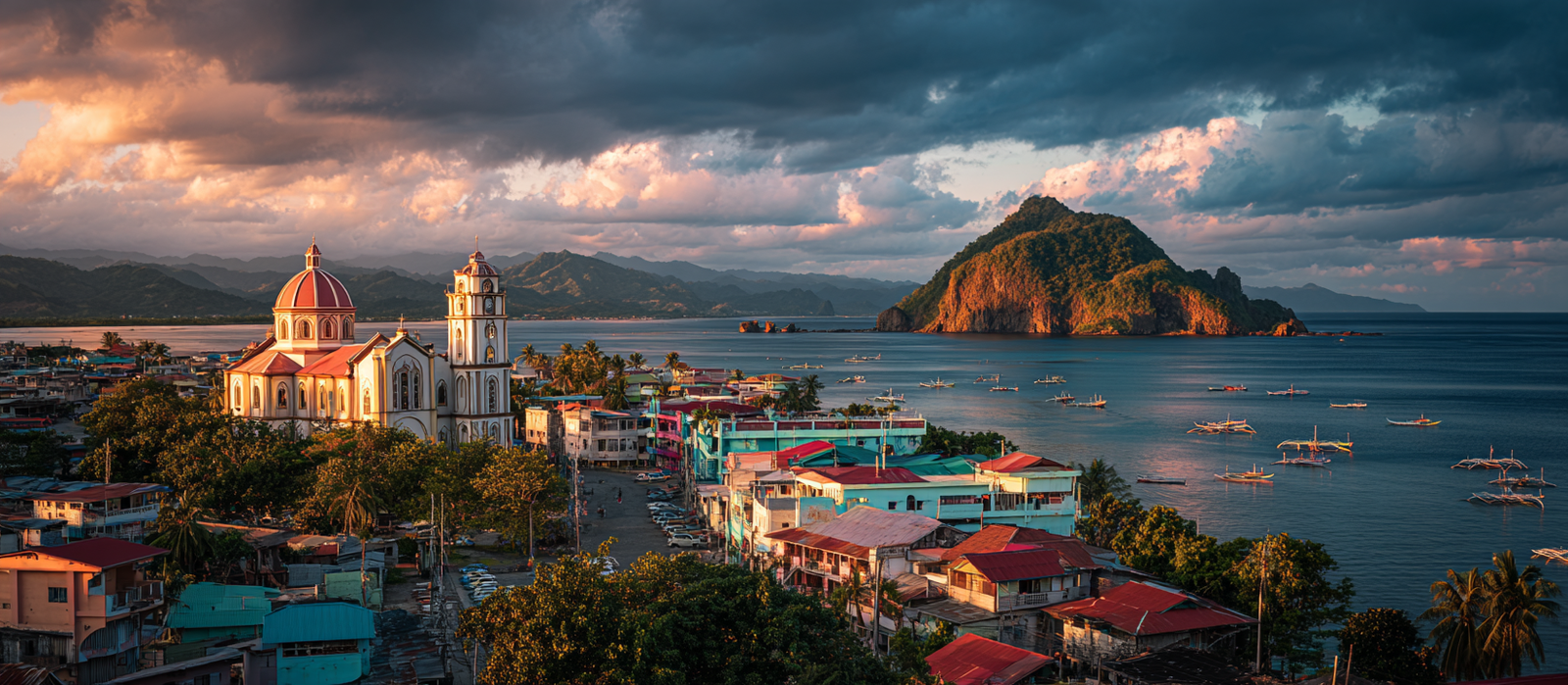

Did you know Alaminos City in Pangasinan is home to a national park featuring 124 islands at low tide, 123 at high tide? While the majestic Hundred Islands National Park rightly claims the spotlight, many travelers often wonder what else this city offers and how to navigate its unique charm beyond the famous archipelago. This comprehensive Alaminos travel guide is designed to equip you with the practical insights needed to experience Alaminos fully, moving beyond just a day trip to explore its local culture and logistical nuances.
Your journey to Alaminos typically begins from Luzon’s major hubs. From Metro Manila, the most straightforward option is a public bus. Reputable companies like Victory Liner, Five Star, and Solid North offer multiple daily trips to Alaminos City. The journey takes approximately 4-6 hours, depending on traffic and stops. Expect fares to range from PHP 450-600 (approximately USD 8-11). Buses usually depart from Pasay, Cubao, or Avenida terminals. Alternatively, if you prefer the flexibility, a private car can get you there quicker, using the North Luzon Expressway (NLEX) and Subic-Clark-Tarlac Expressway (SCTEX) then connecting to Pangasinan highways.
Things to Do in Alaminos
While the Hundred Islands National Park is undeniably the main draw, a well-rounded trip reveals more enriching things to do in Alaminos.
- Hundred Islands National Park: This is non-negotiable. To access the islands, head to Lucap Wharf, the main jump-off point. Here, you’ll pay an environmental fee of PHP 120 (approx. USD 2) per person and arrange a boat rental. Boats come in different sizes, with typical rates for a small boat (1-5 pax) for the basic island hopping package ranging from PHP 1,400-2,000 (approx. USD 25-35). Larger boats are available for bigger groups. The basic package usually covers popular islands like Governor’s Island (for panoramic views and the iconic zip line), Quezon Island (known for its white sand beach and concessions), and Children’s Island (shallow waters, ideal for families). You can also opt for extended tours that include snorkeling, kayaking, and even overnight camping on designated islands. Always inquire about life vest availability and follow your boatman’s instructions.
- St. Joseph the Patriarch Parish Church: Located in the city proper, this historic church, dating back to the Spanish colonial era, offers a glimpse into local heritage and faith. Its impressive architecture and serene ambiance provide a quiet contrast to the bustling wharf area.
- Alaminos City Public Market: For a true taste of local life, visit the public market. It’s a vibrant hub where you can find fresh produce, local delicacies, and the renowned Pangasinan bangus (milkfish), often cheaper than elsewhere. This is where you’ll find the freshest ingredients for a picnic or to simply sample street food.
- Bolo Beach: If you seek a quieter beach experience away from the island-hopping crowds, Bolo Beach, just a short tricycle ride from Lucap Wharf, offers a more laid-back atmosphere. It’s a good spot for a simple swim or to watch the sunset without the buzz of the main tourist area.
Where to Stay in Alaminos
Choosing where to stay in Alaminos depends on your budget and preference for proximity to the Hundred Islands or the city amenities. Most accommodations are clustered around Lucap Wharf or within Alaminos City proper.
- Near Lucap Wharf: For ultimate convenience to Hundred Islands, consider resorts and guesthouses along Lucap Wharf. Options like Ciudad Alaminos and Vista del Mar are popular. Rates typically range from PHP 1,500-4,000 (approx. USD 27-70) per night for a standard room. They offer easy access to boats, restaurants, and souvenir shops.
- Alaminos City Proper: If you prefer more local dining options, banks, and general city conveniences, staying in Alaminos City proper is a good choice. There are budget-friendly inns and guesthouses, with rooms starting from PHP 800 (approx. USD 14). From the city center, Lucap Wharf is a short 10-15 minute tricycle ride away, costing around PHP 30-50 (less than USD 1) per trip.
- Camping: For the adventurous, designated islands within Hundred Islands National Park (like Governor’s Island and Quezon Island) offer regulated camping sites. Permits and fees apply, and you’ll need to bring your own gear. This offers a unique overnight experience under the stars, away from mainland lights.
Where to Eat in Alaminos
Alaminos, being a coastal city, excels in fresh seafood. The local cuisine reflects Pangasinan’s rich agricultural and aquatic bounty.
- Seafood Galore: Near Lucap Wharf, numerous eateries specialize in freshly caught fish, crabs, and prawns. Don’t miss trying local favorites like grilled bangus (milkfish), often stuffed with tomatoes and onions, or the plump, succulent oysters that Pangasinan is famous for. Prices for a decent seafood meal can range from PHP 250-600 (approx. USD 4-11) per person.
- Local Carinderias: For authentic, budget-friendly Filipino meals, explore the carinderias (local eateries) in Alaminos City proper. Here, you can sample regional dishes like pinakbet (a vegetable stew made with various local vegetables and flavored with bagoong, fermented fish or shrimp paste) or kaleskes (a savory soup made from pork intestines). A meal here might cost as little as PHP 80-150 (approx. USD 1.5-3).
- Mangoes: Depending on the season (especially March to May), you’ll find an abundance of sweet Pangasinan mangoes, considered among the best in the Philippines. Grab some from the market for a refreshing snack.
Local Tips for Your Alaminos Adventure
- Best Time to Visit Alaminos: The dry season, from November to May, offers the most ideal weather for island hopping, with calmer seas and sunny skies. The peak months are typically March to May, so expect more crowds during this period. Avoid the monsoon season (June to October) when typhoons can disrupt travel plans and island activities.
- Getting Around: Tricycles are the primary mode of transport within Alaminos City and to Lucap Wharf. They are readily available and affordable. Negotiate the fare beforehand, or ask locals for typical rates to your destination.
- Cash is King: While some larger establishments accept card payments, it’s always wise to carry enough Philippine Pesos (PHP) for boat rentals, environmental fees, local eateries, and tricycle fares. ATMs are available in the city proper.
- Connectivity: Major mobile networks (Smart, Globe) have decent coverage in Alaminos City and most of the Hundred Islands. Wi-Fi is available in most mid-range to upscale accommodations.
- Sun Protection: The tropical sun can be intense. Always bring high-SPF sunscreen, a wide-brimmed hat, sunglasses, and lightweight clothing. Staying hydrated is crucial; carry a reusable water bottle.
Safety and Customs in Alaminos
Alaminos is generally a safe destination for tourists. However, exercising standard travel precautions is always advisable.
- Valuables: Keep an eye on your belongings, especially in crowded areas like the wharf or market. Consider using a dry bag for your electronics and essentials when on boat tours.
- Water Safety: Always wear a life vest when on a boat or engaging in water activities. Listen to your boatman’s instructions, especially regarding currents or safe swimming areas.
- Environmental Responsibility: The Hundred Islands National Park is a protected area. Practice responsible tourism by disposing of your trash properly. Avoid touching or damaging corals and marine life while snorkeling or diving. Leave no trace of your visit.
- Cultural Sensitivity: Filipinos are known for their hospitality. A simple “Salamat po” (Thank you, with respect) goes a long way. When visiting churches, dress modestly.
- Emergency Contacts: Keep local emergency numbers handy. For general emergencies, dial 911 in the Philippines. Your hotel reception can also assist with local contacts.
From navigating local transport to savoring fresh seafood, this Alaminos travel guide aims to simplify your planning and enrich your experience. Alaminos offers more than just postcard-perfect islands; it’s a gateway to authentic Pangasinan culture and warm Filipino hospitality. Ready to discover it for yourself?


