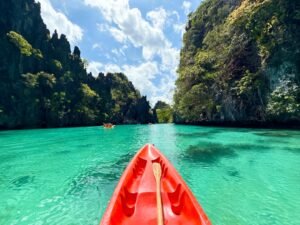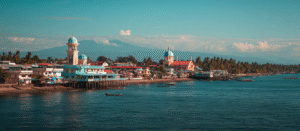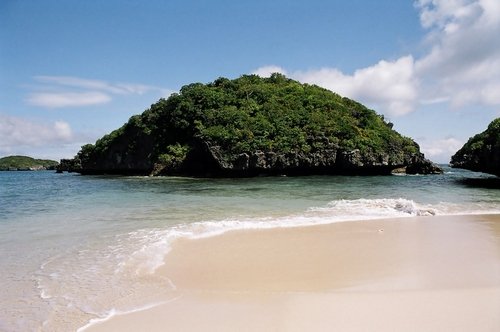

Imagine navigating a seascape dotted with over a hundred distinct landforms, each with its own character, all emerging from the cerulean waters of Lingayen Gulf. This isn’t a fantasy; it’s the Hundred Islands National Park in Pangasinan, Philippines. While many know it for its sheer number of islands (124 at high tide, 123 at low), understanding the logistics and nuances before you arrive can transform your visit from a simple boat tour into a truly memorable exploration. This comprehensive hundred islands travel guide is designed to equip you with the practical insights you need for a confident, rewarding journey.
How to Get There
The gateway to the Hundred Islands is Alaminos City, Pangasinan. From Metro Manila, the most straightforward way is by bus. Major bus lines like Victory Liner and Five Star offer regular trips to Alaminos. The journey typically takes 4 to 6 hours, depending on traffic and stops. A one-way ticket usually ranges from PHP 500-700 (approximately USD 9-13).
Once in Alaminos City, you’ll need to make your way to Lucap Wharf, the jump-off point for island hopping. Tricycles are readily available from the bus terminal and will take you directly to the wharf for about PHP 50-100 (approximately USD 1-2).
At Lucap Wharf, you’ll register and pay the necessary fees. The Environmental Fee is around PHP 100-120 per person (USD 2-3), and a docking fee of PHP 20-30. Boat rentals vary based on size and the number of islands you plan to visit, ranging from PHP 1,400-3,000 (USD 25-55) for a day tour boat accommodating 1-15 people. For larger groups or overnight stays, prices will be higher. Always go for licensed boat operators; they are easy to identify at the wharf.
Top Attractions & Things to Do in Hundred Islands
While 124 islands sounds overwhelming, most tours focus on the four most developed islands, each offering unique activities. Here are the essential things to do in hundred islands:
- Governor’s Island: Home to a famous viewpoint offering panoramic vistas of the surrounding islands. It also features a zipline connecting it to Virgin Island, providing an exhilarating way to see the park from above.
- Quezon Island: One of the most popular islands for swimming, sunbathing, and various water activities. You can rent kayaks, banana boats, or simply relax on its sandy shore. Snorkeling is also excellent here, with vibrant coral reefs close to the shore.
- Children’s Island: Characterized by its shallow, calm waters, making it ideal for families with young children. It’s a safe and tranquil spot for swimming and picnicking.
- Marcos Island: Known for Imelda Cave, which features a thrilling cliff jump into a natural pool inside the cave. This is a popular spot for adventure seekers.
Beyond the main islands, you can also engage in helmet diving (starting from PHP 700 / USD 13), explore smaller coves, or simply enjoy snorkeling directly from your boat. Many tour operators provide basic snorkeling gear for rent, but bringing your own ensures a better fit and hygiene. Remember to discuss your desired activities with your boatman to ensure your tour covers them.
Where to Stay in Hundred Islands
When planning where to stay in hundred islands, you have two primary options: lodging within the national park itself or in Alaminos City, specifically near Lucap Wharf.
- Inside the Park: Limited accommodations are available on certain islands like Governor’s Island and Quezon Island. These typically consist of basic cottages or designated camping areas. Staying here offers an immersive experience, allowing you to witness sunrises and sunsets over the islands without the crowds. However, amenities are minimal, and electricity may be limited to certain hours. Reservations, if available, must be made well in advance through the park’s management.
- In Alaminos City (Lucap Area): This is the more common and convenient choice. Lucap offers a range of hotels, resorts, and guesthouses catering to different budgets. Staying here means easy access to restaurants, convenience stores, and the wharf for early morning island hopping. Popular options include Island Tropic Hotel and Restaurant, or budget-friendly guesthouses like Hundred Islands National Park Tourist Inn. Prices can range from PHP 1,500 (USD 27) for a basic room to PHP 4,000+ (USD 73+) for a resort with a pool.
For most travelers, staying in Lucap provides the best balance of comfort, accessibility, and dining options after a day of island adventures.
Where to Eat
Your culinary journey around the Hundred Islands will primarily revolve around fresh seafood and local Pangasinan delicacies. Along Lucap Wharf, you’ll find numerous restaurants specializing in grilled seafood. Expect to feast on freshly caught fish, prawns, and squid prepared in various ways.
Don’t miss trying Pangasinan’s famous bangus (milkfish), often grilled or fried. Other local dishes to look out for include pinakbet (a vegetable stew with fermented fish sauce) and kare-kare (oxtail stew in peanut sauce). A decent meal at a local restaurant can cost around PHP 200-400 (USD 4-7) per person.
While some of the more developed islands like Quezon Island have small vendors selling snacks and drinks, it’s highly recommended to pack your own lunch and plenty of water for your island-hopping tour. Many visitors opt to have their freshly grilled seafood picnic on one of the islands, an authentic experience in itself.
Local Tips
- Best Time to Visit: The best time to visit hundred islands is during the dry season, from November to May. The waters are calmer, and the weather is ideal for island hopping. Avoid peak holiday periods like Holy Week or Christmas, as the park can get very crowded.
- Go Early: Start your island hopping early in the morning (around 7-8 AM) to beat the crowds and the midday heat. This also gives you more time to enjoy the islands.
- Pack Essentials: Bring sunscreen, a wide-brimmed hat, sunglasses, plenty of drinking water, snacks, a waterproof bag for your electronics, and a basic first-aid kit. Water shoes are also useful for navigating rocky shores.
- Respect the Environment: Hundred Islands is a National Park. Practice “Leave No Trace” principles. Take all your trash with you, avoid touching or stepping on corals, and do not disturb wildlife.
- Cash is King: While some establishments in Alaminos City may accept cards, cash is preferred for boat rentals, tricycle fares, and most transactions on the islands.
Safety & Customs
The Philippines is generally welcoming to tourists, and Hundred Islands is a safe destination. However, standard travel precautions apply. Keep an eye on your belongings, especially in crowded areas like the wharf. When swimming or snorkeling, be aware of currents and always listen to your boatman’s advice, especially if venturing near rocky areas or deeper waters. Life vests are mandatory on all boats, ensure you wear yours.
Filipinos are known for their hospitality. A simple “Salamat po” (Thank you) goes a long way. When interacting with locals, a friendly demeanor is always appreciated. Bargaining for boat prices is common, but do so respectfully. Always dispose of your trash properly in designated bins, or take it with you back to the mainland. The protection of this natural wonder is a collective responsibility.
Exploring the Hundred Islands offers a unique blend of adventure, natural beauty, and relaxation. From the thrill of ziplining between islets to the tranquility of a secluded beach, this iconic destination truly stands out. By following this comprehensive hundred islands travel guide, you’re well-prepared to navigate its wonders and create lasting memories. So, when will you embark on your own island-hopping adventure?
More Philippines Travel Guides
Planning a longer trip? These lesser-visited provinces pair well with a Philippines itinerary:
- Pampanga Travel Guide
- Mountain Province Travel Guide
- Alaminos Travel Guide: Your Gateway to Hundred Islands, Pangasinan
Hundred Islands Boat Tour Fees and How Booking Actually Works
This is where most first timers lose money, so it is worth being precise. Everything starts at Lucap Wharf in Alaminos, and you do not book a seat, you hire a boat. The boats are priced by size, not by person, which is the single most important thing to understand before you arrive.
Expect roughly 1,400 to 1,800 PHP for a small boat carrying up to about five people, somewhere around 2,000 to 2,500 PHP for a medium boat taking around ten, and more again for the large boats. On top of that there is an environmental or entrance fee per person, generally in the region of 50 to 120 PHP depending on whether you are a day tripper or staying overnight, and small extra charges at the individual islands with facilities. Rates are set at the wharf and posted, so you are not being scammed, but they do get adjusted, so treat these as the shape of it.
The practical consequence is that Hundred Islands is expensive for couples and solo travellers and cheap for groups. If there are two of you, hang around the wharf ticket office in the morning and ask to share with another small party. Staff are used to arranging this and it roughly halves your cost.
Which Islands to Actually Visit
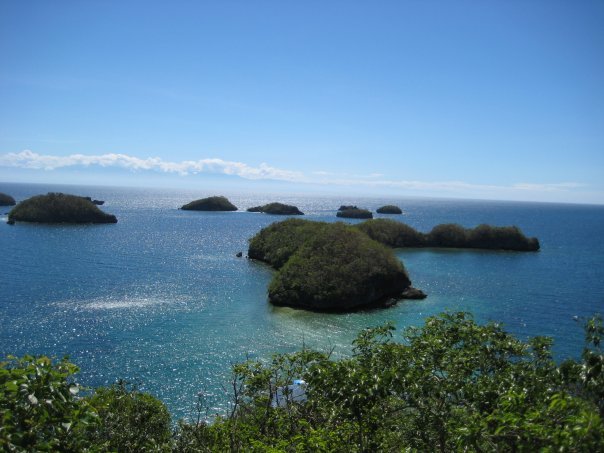
There are officially over a hundred islands, and around a handful are developed for visitors. Governor’s Island is the one everyone photographs, because the viewdeck at the top gives the classic shot over the whole cluster, and it also has the zipline. Quezon Island is the most developed, with picnic huts, food stalls and the most people. Children’s Island has the shallowest and safest swimming and is the sensible pick if you have young kids.
Marcos Island has the cliff jump into Imelda Cave, which is genuinely fun and genuinely higher than it looks from the boat. Braganza and Romulo are quieter alternatives if the main three are heaving.
Your boatman will suggest a standard circuit of three or four islands, which is the right number for a half day. Trying to squeeze in five or six means twenty minutes on each and a lot of boat time, and you will enjoy it less.
Best Time to Visit Hundred Islands
The dry season, roughly November to April, is the answer, and within it February to April gives the calmest water and best visibility. Pangasinan sits on the west coast of Luzon, so it follows the standard wet and dry pattern, with the southwest monsoon bringing serious rain from around June through September.
Avoid Holy Week and the peak of summer in late April and May if you can. This is one of the most popular domestic destinations in northern Luzon and during those weeks Quezon Island genuinely fills up, boats queue at the wharf and the experience turns into a crowded day out rather than an island escape. Weekdays outside school holidays are dramatically quieter than weekends, and the difference is bigger here than at most Philippine sights.
Go early regardless. Boats start running from around 6am and the first two hours are the best of the day for both light and space.
Getting to Alaminos and Lucap Wharf
From Manila, buses run to Alaminos City from the Cubao and Pasay terminals, taking somewhere around five to six hours depending on traffic and whether the service uses the expressway. Fares are generally in the region of 500 to 700 PHP. Some services run overnight, which is a reasonable way to arrive in time for an early boat.
From Alaminos town proper, Lucap Wharf is around 10 to 15 minutes away by tricycle, costing roughly 50 to 100 PHP for the trip depending on how many of you there are and how well you negotiate. If you are driving, there is parking at the wharf.
Coming from Baguio or the north, buses connect through Dagupan and Alaminos without much difficulty, though you may need one change.
Where to Stay: Wharf, Town or on an Island
Three genuinely different options. Staying near Lucap Wharf puts you closest to the boats and is what most visitors do. Guesthouses and small resorts there run roughly 1,000 to 2,000 PHP a night, with more comfortable places above that. Alaminos town has cheaper and more ordinary accommodation, generally around 700 to 1,500 PHP, but you add a tricycle ride each way.
The interesting option is staying overnight on Governor’s or Quezon Island itself, in the basic huts and tents available there. It is not comfortable and facilities are limited, but having the islands to yourself after the day boats leave is the best thing about Hundred Islands and almost nobody does it. Arrange it through the tourism office at the wharf rather than online.
What a Day at Hundred Islands Costs
For two people sharing a small boat with another pair, expect roughly 400 to 600 PHP each for the boat, around 50 to 120 PHP each in entrance fees, maybe 100 PHP for tricycles and 300 to 500 PHP for food and drinks brought or bought. That lands a day trip somewhere around 900 to 1,300 PHP per person, before accommodation.
Add the zipline on Governor’s Island at roughly 250 to 350 PHP, and helmet snorkelling or kayak hire if you want them. Bringing your own snorkel mask saves money and the rental gear is often tired.
A group of five or six splitting a medium boat will get the per person cost down substantially, which is worth organising if you can.
Honest Negatives: What Hundred Islands Is Not
The photographs oversell it, so here is the balance. The water is not the clear turquoise of Palawan or Siargao. It is often greenish and visibility for snorkelling is mediocre to poor, particularly after rain. Coral in the accessible areas has been heavily damaged over the years and the marine life you will see is thin. If you are coming for snorkelling specifically, you will be disappointed.
The developed islands can be busy and a bit tatty in peak season, with litter an ongoing problem despite clean up efforts. Quezon Island on a hot April weekend is not a serene experience.
What Hundred Islands does brilliantly is the view. The landscape of hundreds of green mounds scattered across the bay, seen from the Governor’s Island deck or from the boat weaving between them, is genuinely remarkable and unlike anywhere else in the Philippines. Come for the scenery and the boat ride, not the swimming, and you will love it. Come expecting an El Nido standard beach day and you will not.
Plan the Rest of Your Trip
Hundred Islands is the reason most people come to Alaminos, but the town has more to it. See our guide to things to do in Alaminos and, if you are staying more than a night, where to stay in Alaminos for a fuller look at the wharf and town options. Heading further north afterwards, Pagudpud has the beaches this part of the coast does not, and Vigan is the natural heritage stop on the same route.
Quick FAQ
How much does the Hundred Islands boat tour cost? You hire the whole boat, not a seat. Small boats for up to about five people run roughly 1,400 to 1,800 PHP, medium boats around 2,000 to 2,500 PHP, plus an environmental fee of roughly 50 to 120 PHP per person. Ask at the wharf about sharing with another small group to cut the cost.
What is the best time to visit Hundred Islands? The dry season from around November to April, with February to April giving the calmest water. Avoid Holy Week and the late April to May peak, when it gets genuinely crowded. Weekdays are far quieter than weekends, and boats start around 6am.
Which islands should I visit? Governor’s Island for the viewdeck and zipline, Quezon Island for facilities, Children’s Island for safe shallow swimming with kids, and Marcos Island for the cliff jump at Imelda Cave. Three or four islands is the right number for a half day.
How do I get to Hundred Islands from Manila? Buses to Alaminos City leave from Cubao and Pasay and take roughly five to six hours, costing around 500 to 700 PHP. From Alaminos, a tricycle to Lucap Wharf takes 10 to 15 minutes for roughly 50 to 100 PHP.
Is the snorkelling good at Hundred Islands? Honestly, no. Visibility is often mediocre and the accessible coral has been badly damaged over the years. Come for the landscape and the boat ride between the islands, which is genuinely spectacular, rather than for the underwater life.
Can you stay overnight on the islands? Yes. Basic huts and tents are available on Governor’s and Quezon Islands, arranged through the tourism office at Lucap Wharf. Facilities are limited, but having the islands to yourself once the day boats leave is the best part of the whole experience.