
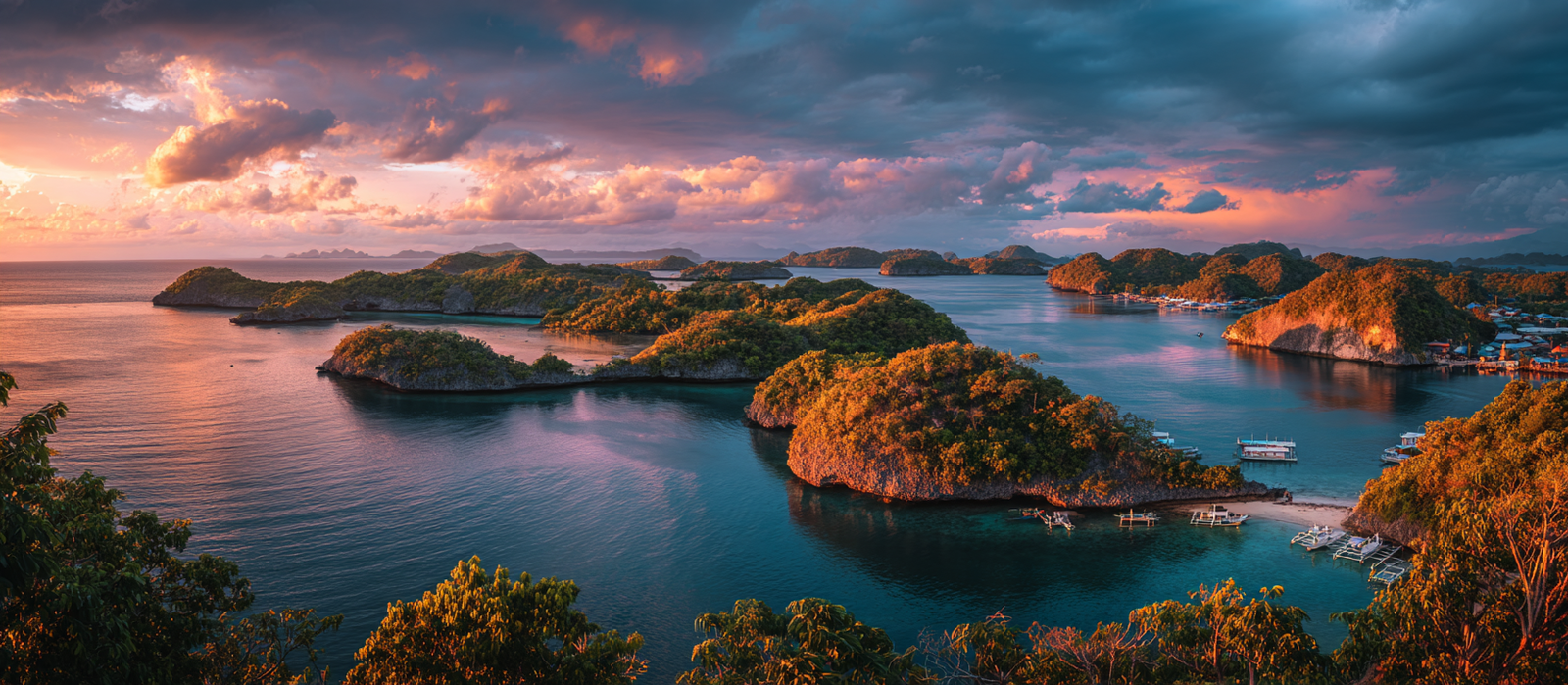

Imagine navigating a seascape dotted with over a hundred distinct landforms, each with its own character, all emerging from the cerulean waters of Lingayen Gulf. This isn’t a fantasy; it’s the Hundred Islands National Park in Pangasinan, Philippines. While many know it for its sheer number of islands (124 at high tide, 123 at low), understanding the logistics and nuances before you arrive can transform your visit from a simple boat tour into a truly memorable exploration. This comprehensive hundred islands travel guide is designed to equip you with the practical insights you need for a confident, rewarding journey.
How to Get There
The gateway to the Hundred Islands is Alaminos City, Pangasinan. From Metro Manila, the most straightforward way is by bus. Major bus lines like Victory Liner and Five Star offer regular trips to Alaminos. The journey typically takes 4 to 6 hours, depending on traffic and stops. A one-way ticket usually ranges from PHP 500-700 (approximately USD 9-13).
Once in Alaminos City, you’ll need to make your way to Lucap Wharf, the jump-off point for island hopping. Tricycles are readily available from the bus terminal and will take you directly to the wharf for about PHP 50-100 (approximately USD 1-2).
At Lucap Wharf, you’ll register and pay the necessary fees. The Environmental Fee is around PHP 100-120 per person (USD 2-3), and a docking fee of PHP 20-30. Boat rentals vary based on size and the number of islands you plan to visit, ranging from PHP 1,400-3,000 (USD 25-55) for a day tour boat accommodating 1-15 people. For larger groups or overnight stays, prices will be higher. Always go for licensed boat operators; they are easy to identify at the wharf.
Top Attractions & Things to Do in Hundred Islands
While 124 islands sounds overwhelming, most tours focus on the four most developed islands, each offering unique activities. Here are the essential things to do in hundred islands:
- Governor’s Island: Home to a famous viewpoint offering panoramic vistas of the surrounding islands. It also features a zipline connecting it to Virgin Island, providing an exhilarating way to see the park from above.
- Quezon Island: One of the most popular islands for swimming, sunbathing, and various water activities. You can rent kayaks, banana boats, or simply relax on its sandy shore. Snorkeling is also excellent here, with vibrant coral reefs close to the shore.
- Children’s Island: Characterized by its shallow, calm waters, making it ideal for families with young children. It’s a safe and tranquil spot for swimming and picnicking.
- Marcos Island: Known for Imelda Cave, which features a thrilling cliff jump into a natural pool inside the cave. This is a popular spot for adventure seekers.
Beyond the main islands, you can also engage in helmet diving (starting from PHP 700 / USD 13), explore smaller coves, or simply enjoy snorkeling directly from your boat. Many tour operators provide basic snorkeling gear for rent, but bringing your own ensures a better fit and hygiene. Remember to discuss your desired activities with your boatman to ensure your tour covers them.
Where to Stay in Hundred Islands
When planning where to stay in hundred islands, you have two primary options: lodging within the national park itself or in Alaminos City, specifically near Lucap Wharf.
- Inside the Park: Limited accommodations are available on certain islands like Governor’s Island and Quezon Island. These typically consist of basic cottages or designated camping areas. Staying here offers an immersive experience, allowing you to witness sunrises and sunsets over the islands without the crowds. However, amenities are minimal, and electricity may be limited to certain hours. Reservations, if available, must be made well in advance through the park’s management.
- In Alaminos City (Lucap Area): This is the more common and convenient choice. Lucap offers a range of hotels, resorts, and guesthouses catering to different budgets. Staying here means easy access to restaurants, convenience stores, and the wharf for early morning island hopping. Popular options include Island Tropic Hotel and Restaurant, or budget-friendly guesthouses like Hundred Islands National Park Tourist Inn. Prices can range from PHP 1,500 (USD 27) for a basic room to PHP 4,000+ (USD 73+) for a resort with a pool.
For most travelers, staying in Lucap provides the best balance of comfort, accessibility, and dining options after a day of island adventures.
Where to Eat
Your culinary journey around the Hundred Islands will primarily revolve around fresh seafood and local Pangasinan delicacies. Along Lucap Wharf, you’ll find numerous restaurants specializing in grilled seafood. Expect to feast on freshly caught fish, prawns, and squid prepared in various ways.
Don’t miss trying Pangasinan’s famous bangus (milkfish), often grilled or fried. Other local dishes to look out for include pinakbet (a vegetable stew with fermented fish sauce) and kare-kare (oxtail stew in peanut sauce). A decent meal at a local restaurant can cost around PHP 200-400 (USD 4-7) per person.
While some of the more developed islands like Quezon Island have small vendors selling snacks and drinks, it’s highly recommended to pack your own lunch and plenty of water for your island-hopping tour. Many visitors opt to have their freshly grilled seafood picnic on one of the islands, an authentic experience in itself.
Local Tips
- Best Time to Visit: The best time to visit hundred islands is during the dry season, from November to May. The waters are calmer, and the weather is ideal for island hopping. Avoid peak holiday periods like Holy Week or Christmas, as the park can get very crowded.
- Go Early: Start your island hopping early in the morning (around 7-8 AM) to beat the crowds and the midday heat. This also gives you more time to enjoy the islands.
- Pack Essentials: Bring sunscreen, a wide-brimmed hat, sunglasses, plenty of drinking water, snacks, a waterproof bag for your electronics, and a basic first-aid kit. Water shoes are also useful for navigating rocky shores.
- Respect the Environment: Hundred Islands is a National Park. Practice “Leave No Trace” principles. Take all your trash with you, avoid touching or stepping on corals, and do not disturb wildlife.
- Cash is King: While some establishments in Alaminos City may accept cards, cash is preferred for boat rentals, tricycle fares, and most transactions on the islands.
Safety & Customs
The Philippines is generally welcoming to tourists, and Hundred Islands is a safe destination. However, standard travel precautions apply. Keep an eye on your belongings, especially in crowded areas like the wharf. When swimming or snorkeling, be aware of currents and always listen to your boatman’s advice, especially if venturing near rocky areas or deeper waters. Life vests are mandatory on all boats, ensure you wear yours.
Filipinos are known for their hospitality. A simple “Salamat po” (Thank you) goes a long way. When interacting with locals, a friendly demeanor is always appreciated. Bargaining for boat prices is common, but do so respectfully. Always dispose of your trash properly in designated bins, or take it with you back to the mainland. The protection of this natural wonder is a collective responsibility.
Exploring the Hundred Islands offers a unique blend of adventure, natural beauty, and relaxation. From the thrill of ziplining between islets to the tranquility of a secluded beach, this iconic destination truly stands out. By following this comprehensive hundred islands travel guide, you’re well-prepared to navigate its wonders and create lasting memories. So, when will you embark on your own island-hopping adventure?


