
Did you know the Philippines’ northernmost province, Batanes, is geographically closer to Taiwan than to mainland Luzon? This isolation has cultivated a landscape and culture unlike anywhere else in the archipelago. While the dramatic photos of rolling hills and stone houses are stunning, many travelers wonder if the journey and cost are justified. The answer is a resounding yes, but it requires a different travel mindset—one that values stillness, resilience, and raw, unfiltered nature. This is your guide to the most essential things to do in Batanes.
Explore the Wild Landscapes
The scenery in Batanes isn’t just a backdrop; it’s the main event. The islands of Batan, Sabtang, and Itbayat offer some of the most memorable tourist attractions in Batanes, shaped by wind, water, and volcanic history. The best way to see them is via a pre-arranged tricycle tour, which typically covers North Batan, South Batan, and Sabtang Island on separate days.
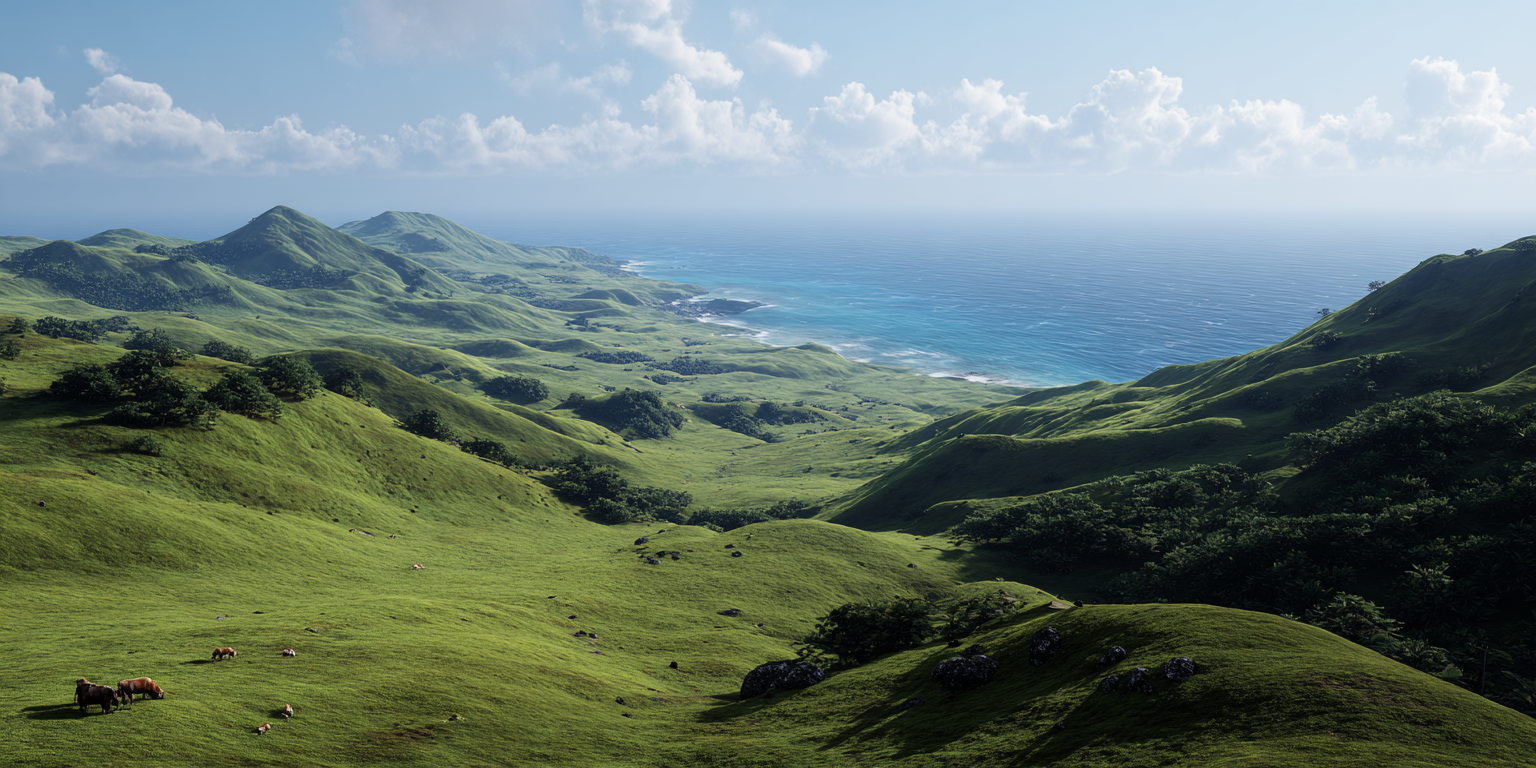
- Rakuh a Payaman (Marlboro Country): This is the view you’ve likely seen in photos. More than just a pretty spot, Rakuh a Payaman is a communal pastureland where locals can freely graze their cattle. The sight of cows against the backdrop of endless green hills and the Pacific Ocean is breathtaking. Go in the late afternoon when the light is soft and golden.
- Valugan Boulder Beach: Forget white sand. This coastline is covered in smooth, massive boulders, the remnants of an ancient eruption from Mount Iraya. It’s not for swimming, but for listening to the powerful crash of waves against the stones—a truly humbling experience, especially at sunrise.
- Tayid Lighthouse: While Basco Lighthouse is more accessible, Tayid Lighthouse in Mahatao offers a more striking view. Its hexagonal tower stands guard over the rolling hills and the sea. It’s a perfect example of how Batanes’ man-made structures are designed to complement, not dominate, the landscape.
Connect with Ivatan Culture
The soul of Batanes lies with its people, the Ivatans. Their culture, built on honesty and resilience, is as compelling as the views. Experiencing it firsthand is a core part of any visit.
A trip to Sabtang Island is non-negotiable for this. After a thrilling 30-minute ride on a faluwa—a traditional boat with a distinct U-shaped hull designed to handle the turbulent channel—you’ll step into villages that feel preserved in time. In Chavayan and Savidug, you’ll see the famous Ivatan stone houses. These structures aren’t for aesthetics; their thick limestone walls and cogon grass roofs are an ingenious adaptation to the region’s typhoon-prone climate. In fact, these houses are a key reason Batanes is on the UNESCO World Heritage Tentative List.
Don’t miss a stop at the Honesty Coffee Shop in Ivana. There are no staff here. You take what you want, list it down, and leave your payment in a box. It’s a simple but powerful testament to the local values. A visit here is one of the most unique things to do in Batanes.
Taste the Local Flavors
Ivatan cuisine is simple, sustainable, and born from the land and sea. Finding out what to do in Batanes should definitely include a food tour. Be sure to try uvud (savory banana pith meatballs), vunes (dried taro stalks), and lunis, an Ivatan version of adobo preserved in its own lard. The local star is dibang, or flying fish, which is typically served fried or dried. While you may see coconut crab (tatus) on some menus, be mindful. It’s a protected species, and its consumption is controversial. To practice sustainable tourism, it’s best to avoid it.
For an authentic meal, head to a local canteen like Pension Ivatan in Basco or book a meal with a family on Sabtang. Prices are reasonable, with a hearty meal costing around ₱300–₱500 ($5–$9 USD).
Find Your Own Adventure
Beyond the standard tours, Batanes offers room for independent exploration. Renting a bicycle (around ₱500/day) and cycling the coastal roads of Batan is a fantastic way to absorb the scenery at your own pace. The roads are well-paved but be prepared for some challenging hills.
For the serious adventurer, a multi-day trip to Itbayat, the northernmost inhabited island, is the ultimate Batanes experience. The three-hour boat ride is notoriously rough, and facilities are basic, but the reward is access to a more ancient, untouched version of Ivatan life and stunning cliffside landscapes. A guide is essential for exploring sites like the Torongan Cave, an ancient dwelling perched high above the sea.
A Few Insider Travel Tips
Our complete Batanes travel guide would be pages long, but here are the essentials for a smooth trip:
- Booking and Budget: Flights are the biggest expense. Book your tickets via Philippine Airlines at least 3-6 months in advance, as seats are limited. For tricycle tours, expect to pay around ₱1,500 ($25) for South Batan, ₱1,000 ($17) for North Batan, and ₱1,000 ($17) for the Sabtang tour (excluding boat fees and eco-tourism fees).
- Cash is King: Bring enough Philippine Pesos for your entire trip. There is only one ATM in Basco, and it can be unreliable. Very few establishments accept credit cards.
- Best Time to Go: The driest months are typically March through May. However, the weather is famously unpredictable. Always have a light rain jacket handy, no matter the forecast.
- Stay Connected (or Don’t): Mobile data is inconsistent, and Wi-Fi is slow. Embrace the digital detox. Let people know you’ll be hard to reach. It’s part of the Batanes experience.
Batanes does more than just offer beautiful sights; it invites you to slow down, to breathe, and to appreciate a different way of life. It’s a place that stays with you long after you’ve left its windy shores. The real question isn’t what you will see, but how the profound silence and immense landscapes will change you.