
Did you know the Philippines’ northernmost province, Batanes, is geographically closer to Taiwan than to mainland Luzon? This isolation has cultivated a landscape and culture unlike anywhere else in the archipelago. While the dramatic photos of rolling hills and stone houses are stunning, many travelers wonder if the journey and cost are justified. The answer is a resounding yes, but it requires a different travel mindset, one that values stillness, resilience, and raw, unfiltered nature. This is your guide to the most essential things to do in Batanes.
Explore the Wild Landscapes
The scenery in Batanes isn’t just a backdrop; it’s the main event. The islands of Batan, Sabtang, and Itbayat offer some of the most memorable tourist attractions in Batanes, shaped by wind, water, and volcanic history. The best way to see them is via a pre-arranged tricycle tour, which typically covers North Batan, South Batan, and Sabtang Island on separate days.
- Rakuh a Payaman (Marlboro Country): This is the view you’ve likely seen in photos. More than just a pretty spot, Rakuh a Payaman is a communal pastureland where locals can freely graze their cattle. The sight of cows against the backdrop of endless green hills and the Pacific Ocean is breathtaking. Go in the late afternoon when the light is soft and golden.
- Valugan Boulder Beach: Forget white sand. This coastline is covered in smooth, massive boulders, the remnants of an ancient eruption from Mount Iraya. It’s not for swimming, but for listening to the powerful crash of waves against the stones, a truly humbling experience, especially at sunrise.
- Tayid Lighthouse: While Basco Lighthouse is more accessible, Tayid Lighthouse in Mahatao offers a more striking view. Its hexagonal tower stands guard over the rolling hills and the sea. It’s a perfect example of how Batanes’ man-made structures are designed to complement, not dominate, the landscape.
Connect with Ivatan Culture
The soul of Batanes lies with its people, the Ivatans. Their culture, built on honesty and resilience, is as compelling as the views. Experiencing it firsthand is a core part of any visit.
A trip to Sabtang Island is non-negotiable for this. After a thrilling 30-minute ride on a faluwa, a traditional boat with a distinct U-shaped hull designed to handle the turbulent channel, you’ll step into villages that feel preserved in time. In Chavayan and Savidug, you’ll see the famous Ivatan stone houses. These structures aren’t for aesthetics; their thick limestone walls and cogon grass roofs are an ingenious adaptation to the region’s typhoon-prone climate. In fact, these houses are a key reason Batanes is on the UNESCO World Heritage Tentative List.
Don’t miss a stop at the Honesty Coffee Shop in Ivana. There are no staff here. You take what you want, list it down, and leave your payment in a box. It’s a simple but powerful testament to the local values. A visit here is one of the most unique things to do in Batanes.
Taste the Local Flavors
Ivatan cuisine is simple, sustainable, and born from the land and sea. Finding out what to do in Batanes should definitely include a food tour. Be sure to try uvud (savory banana pith meatballs), vunes (dried taro stalks), and lunis, an Ivatan version of adobo preserved in its own lard. The local star is dibang, or flying fish, which is typically served fried or dried. While you may see coconut crab (tatus) on some menus, be mindful. It’s a protected species, and its consumption is controversial. To practice sustainable tourism, it’s best to avoid it.
For an authentic meal, head to a local canteen like Pension Ivatan in Basco or book a meal with a family on Sabtang. Prices are reasonable, with a hearty meal costing around ₱300 to ₱500.
Find Your Own Adventure
Beyond the standard tours, Batanes offers room for independent exploration. Renting a bicycle (around ₱500/day) and cycling the coastal roads of Batan is a fantastic way to absorb the scenery at your own pace. The roads are well-paved but be prepared for some challenging hills.
For the serious adventurer, a multi-day trip to Itbayat, the northernmost inhabited island, is the ultimate Batanes experience. The three-hour boat ride is notoriously rough, and facilities are basic, but the reward is access to a more ancient, untouched version of Ivatan life and stunning cliffside landscapes. A guide is essential for exploring sites like the Torongan Cave, an ancient dwelling perched high above the sea.

A Few Insider Travel Tips
Our complete Batanes travel guide would be pages long, but here are the essentials for a smooth trip:
- Booking and Budget: Flights are the biggest expense. Book your tickets via Philippine Airlines at least 3-6 months in advance, as seats are limited. For tricycle tours, expect to pay around ₱1,500 for South Batan, ₱1,000 for North Batan, and ₱1,000 for the Sabtang tour (excluding boat fees and eco-tourism fees).
- Cash is King: Bring enough Philippine Pesos for your entire trip. There is only one ATM in Basco, and it can be unreliable. Very few establishments accept credit cards.
- Best Time to Go: The driest months are typically March through May. However, the weather is famously unpredictable. Always have a light rain jacket handy, no matter the forecast.
- Stay Connected (or Don’t): Mobile data is inconsistent, and Wi-Fi is slow. Embrace the digital detox. Let people know you’ll be hard to reach. It’s part of the Batanes experience.
Batanes does more than just offer beautiful sights; it invites you to slow down, to breathe, and to appreciate a different way of life. It’s a place that stays with you long after you’ve left its windy shores. The real question isn’t what you will see, but how the profound silence and immense landscapes will change you.
Getting to Batanes
Basco Airport is the only way in, served by Philippine Airlines and occasionally Sky Pasada from Manila, flights take roughly 1.5 hours. Seats are genuinely limited on a small province route, and flights get cancelled fairly often due to weather, Batanes sits exposed to strong winds and typhoons more than almost anywhere else in the Philippines. Build a buffer day into your itinerary on both ends of the trip if you can, missing a connecting flight elsewhere because Basco got weathered in is a common story here, not a rare one.
Where to Stay
Basco town has the widest range of accommodation, from simple homestays around 800 to 1,500 pesos a night to mid range guesthouses and small hotels running roughly 2,000 to 3,500 pesos, some with views toward the surrounding hills. There’s no real luxury resort tier in Batanes, the appeal here is the landscape and the Ivatan hospitality, not five star amenities, and most visitors find that trade off is exactly the point.
What a Trip to Batanes Costs
Flights are the dominant cost, expect 6,000 to 12,000 pesos round trip from Manila depending on how far ahead you book, and book 3 to 6 months out if your dates are fixed since seats sell out on this route. Add tricycle tours across North Batan, South Batan, and Sabtang at roughly 3,500 pesos total, a few nights of accommodation, and meals, and a four day trip runs somewhere around 18,000 to 25,000 pesos per person all in, more if flights are booked late or during peak season.
Understanding Ivatan Culture
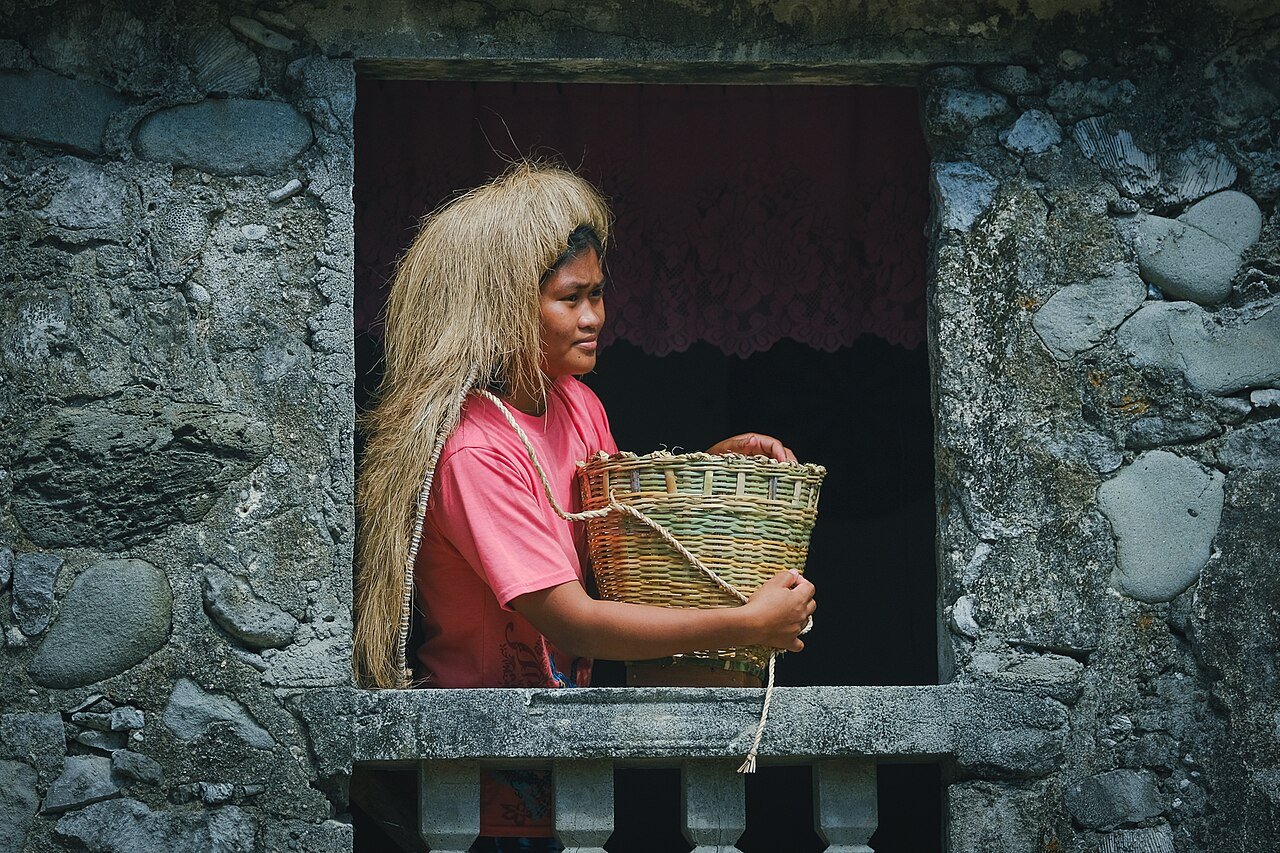
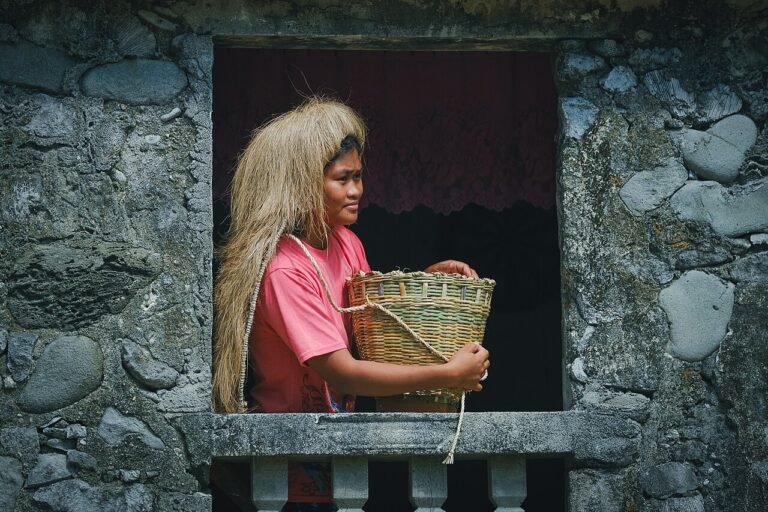
The Ivatan people have shaped their entire way of life around Batanes’ brutal weather, the iconic limestone and coral stone houses with thick walls and cogon or corrugated roofs are built specifically to withstand typhoon winds that would flatten lighter construction. Many of these houses are still lived in today rather than preserved as museum pieces, which is part of what makes walking through villages like Chavayan and Savidug feel different from a heritage site elsewhere in the country. Ivatans are also known for vakul and kanayi, traditional headgear and vests woven from voyavoy palm, worn as practical rain protection in the fields as much as cultural dress. If you get the chance to talk with an older Ivatan about the old inter-island boat trade or the province’s isolation before regular flights began, take it, oral history here is as valuable as anything you’ll see on a tour.
Packing for Batanes
Layer up, mornings and evenings can be genuinely cold by Philippine standards, especially on exposed hilltops, while midday sun is still strong. A proper rain jacket is non negotiable regardless of season, wind and sudden showers are constant even in the dry months. Bring more cash than you think you need given the single unreliable ATM in Basco, and download offline maps since mobile data coverage thins out fast once you’re off the main roads around Basco town.
Is Batanes Worth the Trip?
Given the flight cost and the real risk of weather delays, it’s fair to ask whether Batanes lives up to the photos. For most travelers who make it there, the answer holds, the combination of rolling hills, stone villages, and a genuinely different pace of life doesn’t really exist anywhere else in the Philippines. It’s not a trip for people who need a fixed schedule or a guaranteed return flight the same week, but for travelers who can build in flexibility, it rewards the extra planning more than almost any other domestic destination.
If you’re weighing it against other far flung Philippine destinations, Batanes is closer in spirit to a remote corner of Ireland or the Faroe Islands than to a typical tropical getaway, green hills, stone walls, and cattle grazing near cliff edges rather than palm trees and white sand. That’s precisely why it draws repeat visitors despite the cost and hassle of getting there.
What Disappoints Some Travelers
Batanes is not for everyone, and it is worth saying plainly what trips people up. Flight cancellations are common enough that you should never book Batanes as the only stop on a short leave, weather holds planes on the ground for a day or more with some regularity, especially outside the dry months. Food options in Basco are limited compared to a city, a handful of restaurants and homestay kitchens cover most visitors, so do not expect variety if you are staying more than a few days. Mobile signal is patchy outside the main town, and there is no real nightlife, which is either a feature or a drawback depending on what you came for. If you are looking for an easy, guaranteed, action packed weekend, Batanes is the wrong pick, it rewards slow travel and flexible dates, not tight itineraries.
Plan Your Trip to Batanes
Ready to book? Compare hotels and tours in Batanes below.
- Search Hotels in Batanes on Booking.com
- Compare Hotels in Batanes on Agoda
- Find Tours and Activities in Batanes on Klook
- Book Tours in Batanes on GetYourGuide
Booking through these links may earn us a small commission at no extra cost to you.
Quick FAQ
How many days do you need in Batanes? Four days is the practical minimum to cover North Batan, South Batan, and Sabtang without rushing, five or more if you want to add Itbayat.
Is Batanes expensive to visit? The flight is the main expense given limited seats and a short runway route, once you’re there, daily costs for food and tricycle tours are reasonable.
What’s the best time to visit Batanes? March through May for the driest, calmest weather, though pack a rain jacket regardless since conditions change quickly.
Is Batanes safe for solo travelers? Yes, it’s one of the safer provinces in the Philippines, the main risks are weather related, flight delays and rough seas around Itbayat, rather than personal safety.
Can you visit Batanes on a budget? To an extent, accommodation and food are affordable, but the flight cost is largely fixed regardless of budget level since there’s no cheaper overland alternative.
Do you need a guide in Batanes? A hired tricycle driver doubles as a guide for most of the island tours, and one is essential for remote sites like Torongan Cave on Itbayat, where the terrain and the lack of clear trail markers make independent exploration genuinely risky rather than just inconvenient.
Continue Planning Your Trip
Batanes takes planning since flights are limited and weather dependent. For getting around the rest of northern Luzon first, see How to Get from Manila to Baguio and How to Get from Manila to Sagada, or browse more things to do across the Philippines.
More Philippines Destinations to Explore
Worth adding to a longer Philippines trip: