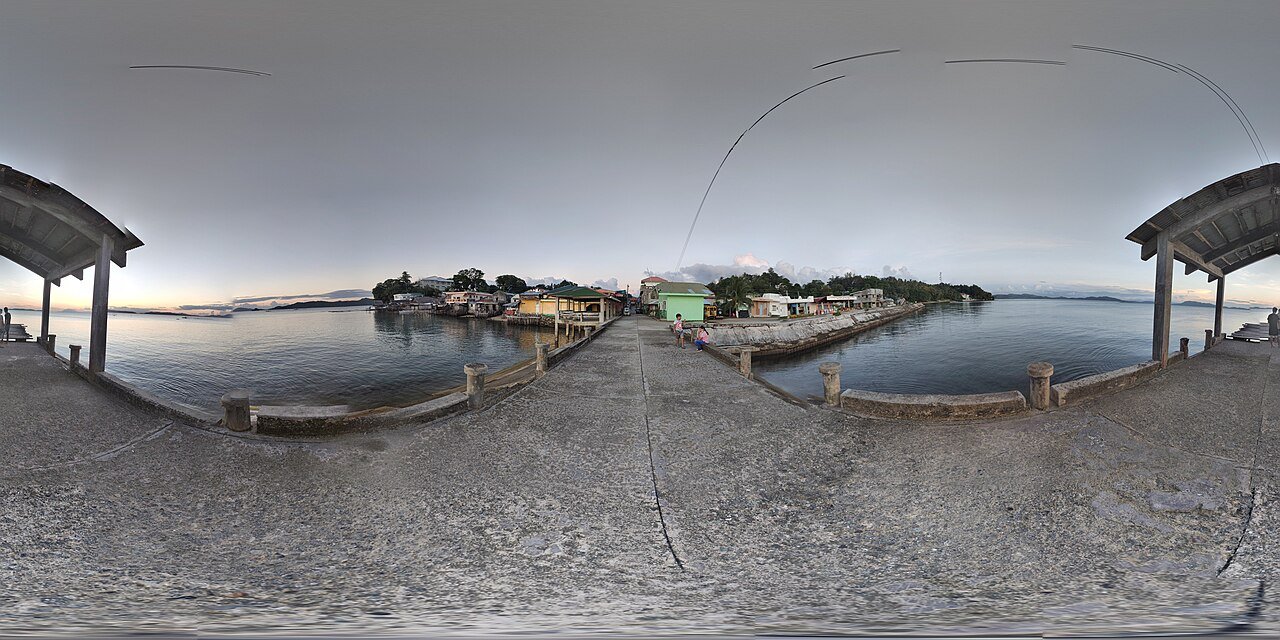

Dinagat Islands sits off the northern tip of Mindanao, a province of scattered islands better known to divers and whale shark chasers than to the average traveler. That relative obscurity is part of the draw: a meromictic lake with an underwater cave system, a regulated whale shark sanctuary, and karst rock formations carved by wind and water, all without the crowds found further south in Siargao or Bohol. This guide covers the province main draws and how to fit them into a trip based out of San Jose.
Lake Bababu, the Meromictic Lake of Basilisa
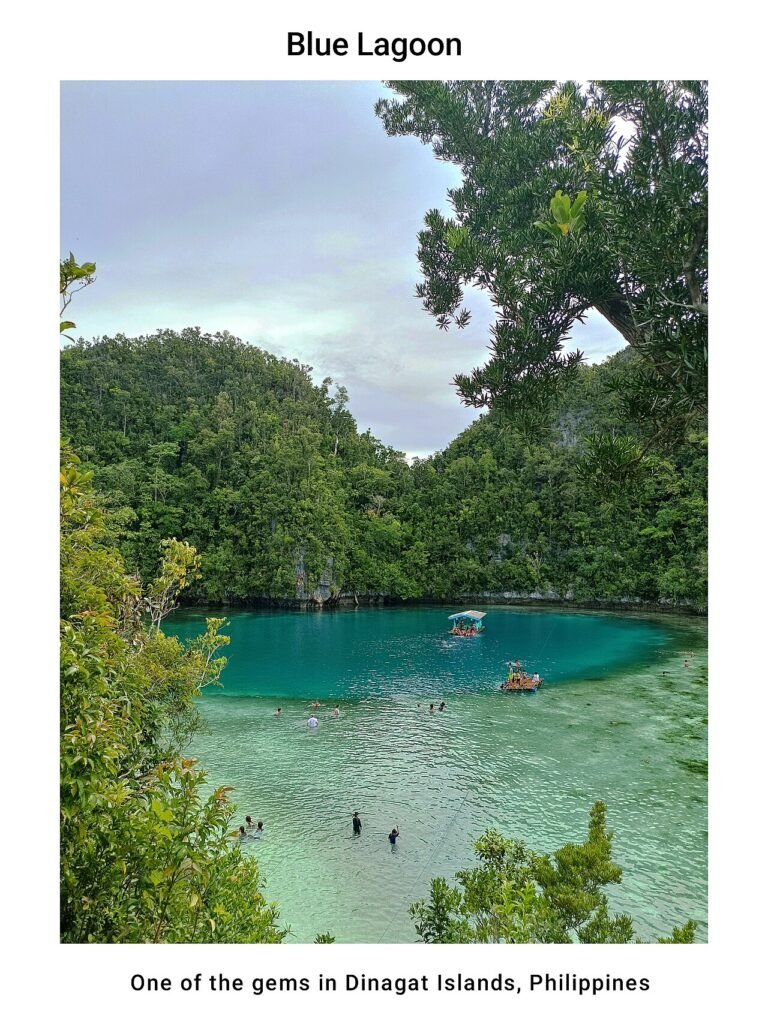
Lake Bababu, in Barangay Melgar near Basilisa town, ranks among the more unusual lakes in the Philippines. It is meromictic, meaning it holds separate layers of fresh and salt water that never mix, all enclosed by towering limestone walls that give the lake a sheltered, cove like shape. Its name comes from a Cebuano phrase referring to the mouth of a crocodile, a nod to the shape of the inlet rather than any actual wildlife. The lakes most striking feature is a roughly 650 meter underwater cave system connecting it to the open sea, reportedly the longest of its kind in the country, though this section is only explored by experienced technical and cave divers. Regular visitors swim, kayak or simply take in the view from the surface. The lake is reached by boat from San Jose, about 4.2 nautical miles away, and is usually combined with other stops around Basilisa on the same trip.
Swimming with Whale Sharks at Bitaugan Sanctuary
The Bitaugan Whale Shark Sanctuary off Loreto town is Dinagats main site for whale shark encounters, active during feeding season roughly from November to May and peaking between March and May when plankton is most abundant. The sanctuary follows a strict code of conduct: no touching, no flash photography, a minimum distance of four meters for swimmers and two meters for motorized boats. That regulation makes it a lower impact, more ethically run alternative to some of the more commercialized whale shark sites elsewhere in the Philippines, and travelers who care about how these encounters are managed will likely appreciate the stricter rules here.
Hagakhak Rock Formations
In Basilisa, the Hagakhak Rock Formations present a dramatic stretch of limestone and karst coastline, carved into intricate ridges by wind and water over time. A small entrance fee applies, and the formations make for a relatively quick, easy stop compared to the boat trips needed for the lake or the sanctuary, making it a good addition on a day when you want to stay closer to town.
Beaches and Snorkeling Spots
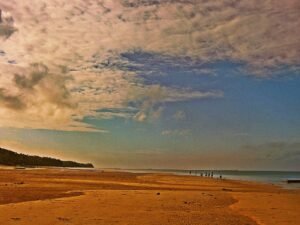
Cab-ilan Beach offers calm water near a small lighthouse and suits beginners or anyone looking for an easy swim rather than surf or current. Bitaog Beach is quieter still, with fine white sand and few visitors on most days. In Libjo, Sundoyo Beach adds another option further from San Jose, while Isla Aga, also called Pangabangan Island, is known for coral gardens, turtles and reef fish close enough to shore for snorkeling without a boat trip out to open water.
A Day Trip to the Britania Islands
Just across the strait in Barangay Britania, San Agustin, in neighboring Surigao del Sur province, the Britania Group of Islands is a cluster of about two dozen islets with powdery white sand, including Hagonoy, Naked, Boslon and Hiyor-Hiyoran islands. It is not technically part of Dinagat province, but it pairs naturally with a Dinagat itinerary and is commonly visited as a day trip from Surigao City or as part of a longer loop covering both provinces.
Food in Dinagat Islands
Food here leans heavily on fresh seafood: grilled fish, crab and prawns, along with kinilaw and sinigang. Poot-poot ginamos, a fermented small fish sauce, is a local condiment worth trying if you want a taste that is distinctly regional. For something sweet, cassava cake, suman and buko pandan are common, and local pineapple wine shows up on menus around San Jose. Some operators arrange boodle fight style communal seafood feasts, a good option for groups wanting a shared meal after a day on the water.
Getting to Dinagat Islands
Ferries run from Surigao City to San Jose, the provincial capital, roughly twice daily, with a crossing time of about 1.5 to 2.5 hours; some routes dock at Magsaysay Roro Port instead. The best time to visit is during dry season, from December or January through May, with March to May offering the calmest seas for boat trips to Lake Bababu, the whale shark sanctuary or the outer islands. Travelers should avoid June through November, when typhoon season makes sea crossings unpredictable and can cancel boat trips outright.
Plan Your Trip to Dinagat Islands
Ready to book? Compare hotels and tours in Dinagat Islands below.
- Search Hotels in Dinagat Islands on Booking.com
- Compare Hotels in Dinagat Islands on Agoda
- Find Tours and Activities in Dinagat Islands on Klook
- Book Tours in Dinagat Islands on GetYourGuide
Booking through these links may earn us a small commission at no extra cost to you.
Best Time to Visit Dinagat Islands
This is the question most people arrive with, and Dinagat has an unusual answer, so it is worth getting right. The province sits on the Pacific facing side of Mindanao, which means it does not follow the same wet and dry pattern as Palawan or Boracay. The heaviest rain generally falls between around November and February, driven by the northeast monsoon coming straight off the ocean, and that is also when the swell makes boat trips to Lake Bababu and the offshore spots unpleasant or impossible.
The best months are roughly March to June. Seas are calmest, the light is good and the small boats that get you anywhere interesting actually run. May tends to be the most reliable single month. July through October is a middle season, generally workable but with more cancelled boats and a real typhoon risk, since this coast catches storms tracking in from the Pacific before anywhere else in the country.
If you are combining Dinagat with Siargao, and most people do, the timing advice is the same because they share a coastline. The difference is that Siargao surfers actively want the swell that ruins Dinagat’s boat trips, so do not take a surfer’s calendar as your own.
How Many Days Do You Need?
Two full days covers the headline sights without rushing. Three is comfortable and lets you absorb a cancelled boat without losing the trip. Anything beyond four and you will run out of things to do, because Dinagat is small, thinly developed and genuinely short on organised activities.
A sensible shape is one day for Lake Bababu and the surrounding coast, one day for the beaches and rock formations around the Poblacion side, and a half day of travel at each end. Trying to do Dinagat as a day trip from Surigao City is possible on paper and a bad idea in practice, because the boat schedule leaves you almost no time on the ground.
Getting to Dinagat Islands
Everything routes through Surigao City. Fly into Surigao Airport from Manila or Cebu, or come overland if you are already in northern Mindanao. From Surigao’s boat terminal, passenger boats cross to San Jose, the Dinagat capital, in somewhere around one to two hours depending on the vessel, for a fare in the low hundreds of pesos. Departures cluster in the morning and thin out badly by afternoon, so an early start matters more here than almost anywhere.
Once you are on the island, habal habal motorbikes and the occasional multicab do the work. There is no organised tourist transport, no meaningful rental scene and no ride hailing. Arranging a driver for a full day through your accommodation is the normal approach and generally costs somewhere around 800 to 1,500 PHP for the day, plus fuel on longer runs.
One honest warning: the last boat back to Surigao goes earlier than you think, and missing it means an unplanned night. Confirm the return time on the morning of your crossing, not from a schedule you found online.
Where to Stay in Dinagat Islands
Expectations need managing here. Dinagat has no resorts in the way Siargao or Bohol do. Accommodation is small guesthouses, inns and a handful of simple beachside places, mostly around San Jose and Dinagat town. Rooms run roughly 700 to 1,500 PHP a night for something clean with air conditioning, and there are cheaper fan rooms below that.
Power and water can be intermittent outside the main towns, and wifi is unreliable enough that you should not plan to work from here. Book ahead rather than arriving and looking, because the total room stock on the island is small and a single group can fill a place.
If you want comfort as part of the trip, base yourself in Siargao or Surigao City and treat Dinagat as an overnight excursion. That is a legitimate way to do it and many people should.
What a Trip to Dinagat Really Costs
Cheap, with one expensive component. Meals are roughly 80 to 150 PHP at local eateries, and there are few restaurants aimed at visitors, so you will eat what everyone else eats. Rooms as above. The boat from Surigao is a couple of hundred pesos each way.
The cost that surprises people is chartering a banca. Getting to Lake Bababu and the offshore rock formations means hiring a boat, and that typically runs somewhere around 2,000 to 3,500 PHP for the day for the whole boat, plus small environmental and guide fees at the sites themselves, usually in the region of 50 to 100 PHP each. Split four ways that is fine. Alone it is the single biggest line in your budget, and because visitor numbers are so low, finding others to share with is genuinely difficult.
Budget somewhere around 2,500 to 4,000 PHP per person for a two day trip excluding transport to Surigao, assuming you share boats. Double the boat portion if you are solo.
What to Skip, and Who Should Not Come
Two honest points. First, Dinagat is not a beach holiday. There are good beaches, but the sand and water do not compete with Siargao an hour away, and if you have come to the Philippines to lie on a beach you will wonder why you bothered with the boat. The reason to come is Lake Bababu and the strange karst landscape, which is genuinely unlike anywhere else in the country.
Second, skip it if your trip is tightly scheduled. Dinagat punishes rigid plans. Boats get cancelled, drivers do not show, and the island simply does not have the redundancy that busier destinations do. If losing a day would wreck your itinerary, go somewhere else.
Also worth knowing before you arrive: large scale nickel mining operates on parts of the island and you will see the evidence, including altered hillsides and, in some areas, discoloured runoff after heavy rain. It is not hidden and it does affect the scenery on some routes. People expecting untouched wilderness across the whole province are sometimes disappointed, and that is fair to know in advance rather than discover.
Plan the Rest of Your Trip
Almost nobody visits Dinagat on its own, so plan the wider loop. Our Dinagat Islands travel guide covers the practical detail in more depth, and since you will pass through Surigao anyway, see things to do in Siargao next door. For another quiet, low tourist island province with the same trade offs, compare things to do in Masbate, and if you want somewhere easier to reach in the same region, Cagayan de Oro is the obvious alternative.
Quick FAQ
What is the best time to visit Dinagat Islands? March to June, with May usually the most reliable. Dinagat faces the Pacific, so its heaviest rain and roughest seas come between around November and February, which is the opposite of the pattern in Palawan. July to October works but carries a real typhoon risk.
What is the best month to visit Dinagat Island? May, on balance. Seas are calmest, boats to Lake Bababu run most reliably and the rain has eased. April and June are close behind.
How do you get to Dinagat Islands? Everything goes through Surigao City. Fly into Surigao from Manila or Cebu, then take a passenger boat to San Jose, which takes roughly one to two hours for a fare in the low hundreds of pesos. Departures are mostly in the morning, so start early.
How many days do you need in Dinagat Islands? Two full days covers the main sights, three is more comfortable and gives you room for a cancelled boat. Beyond four days you will run out of things to do.
Is Dinagat Islands worth visiting? Yes if you want the karst landscape and Lake Bababu, and you are relaxed about rough logistics. No if you want beaches, comfort or a fixed schedule, since Siargao next door does all of that better.
Is Dinagat Island safe for tourists? Yes in the ordinary sense, with very little crime against visitors. The real risks are small boats in rough seas, habal habal motorbikes without helmets and limited medical facilities, so anything serious means going back to Surigao or Cebu.