Ask most Filipinos what Romblon is famous for and you will get one of two answers: marble, or “isn’t that where they make headstones?” Both are technically true, but they miss the point entirely. Romblon is a quiet cluster of islands sitting between Mindoro and Panay that somehow still feels undiscovered, even though it has some of the clearest water and least crowded beaches you will find anywhere in the Philippines. I went in expecting a stopover and ended up staying three extra days.
Here is what actually makes Romblon worth the trip, and how to make the most of your time once you get there.
Start with Bonbon Beach
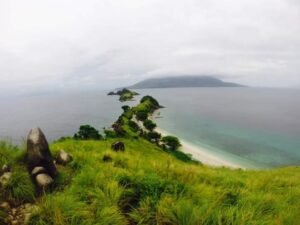
If you only do one thing in Romblon, make it Bonbon Beach. A long, thin sandbar connects Romblon Island to the smaller Bang-og Island, and depending on the tide you can walk across a ribbon of white sand with turquoise water on both sides. It gets busy on weekends with local visitors, so aim for an early morning or a weekday visit if you want the place mostly to yourself.
Island hop to Carabao Island
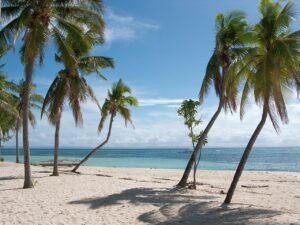
Carabao Island, sometimes called Hambil Island, sits off the coast of Romblon’s main island group and makes for an easy day trip by boat. Lanas Beach and San Jose Beach are the main draws, plus a viewpoint at Tagaytay Ridge (not to be confused with the Tagaytay near Manila) that looks out over the water toward Boracay on a clear day. Cathedral Cave, a limestone cavern near the shore, is worth the short scramble if you do not mind getting your feet wet.
Explore Tablas Island
Tablas is the largest island in the province and where the airport sits, so many visitors pass straight through without stopping. That is a mistake. Bel-At Point in the town of Ferrol has a wooden boardwalk stretching out over the water where you can watch fish and starfish drift below without even needing snorkel gear. Tablas also has a handful of waterfalls inland that rarely see a tourist crowd.
Walk through Romblon town’s old streets
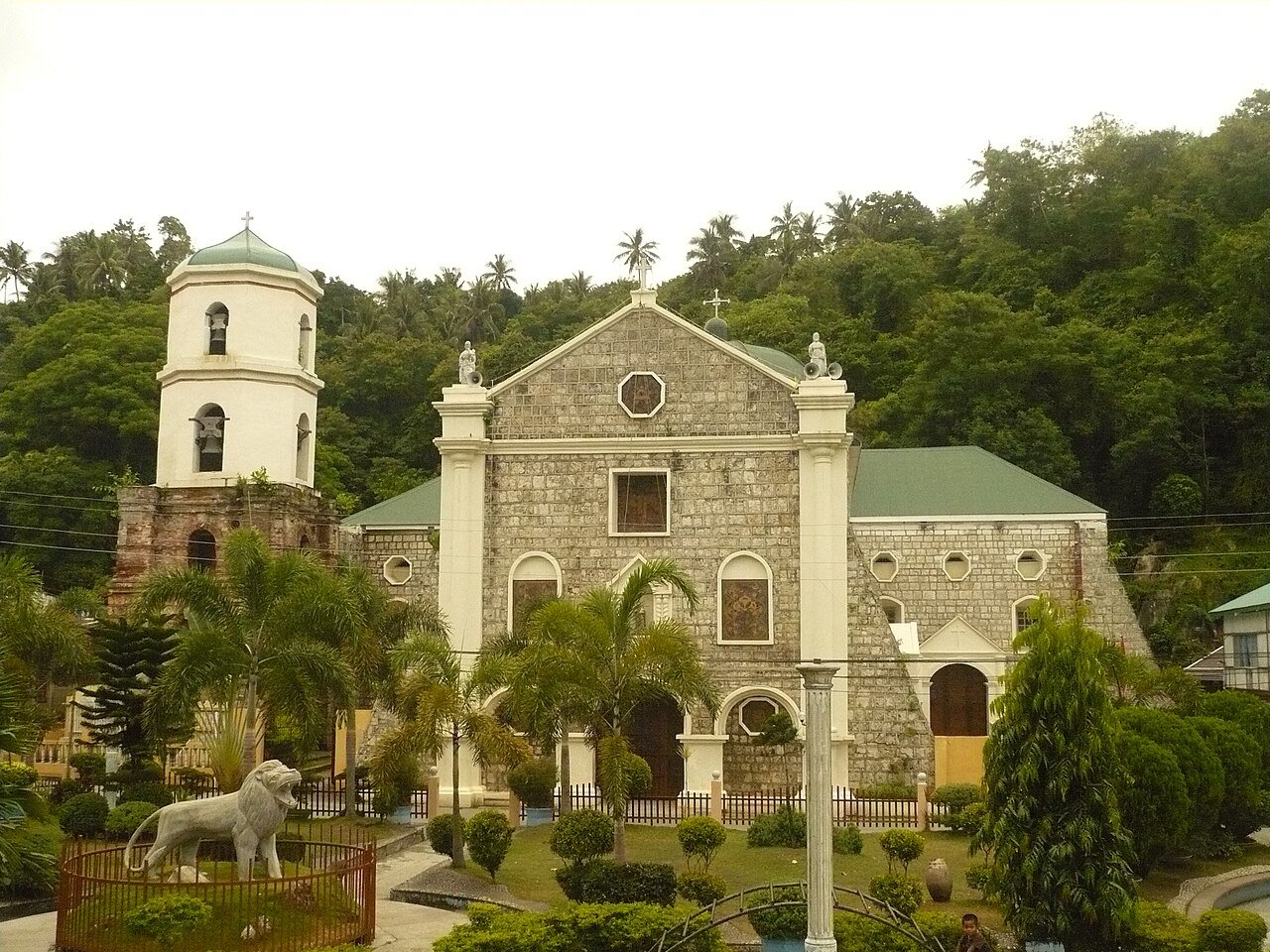
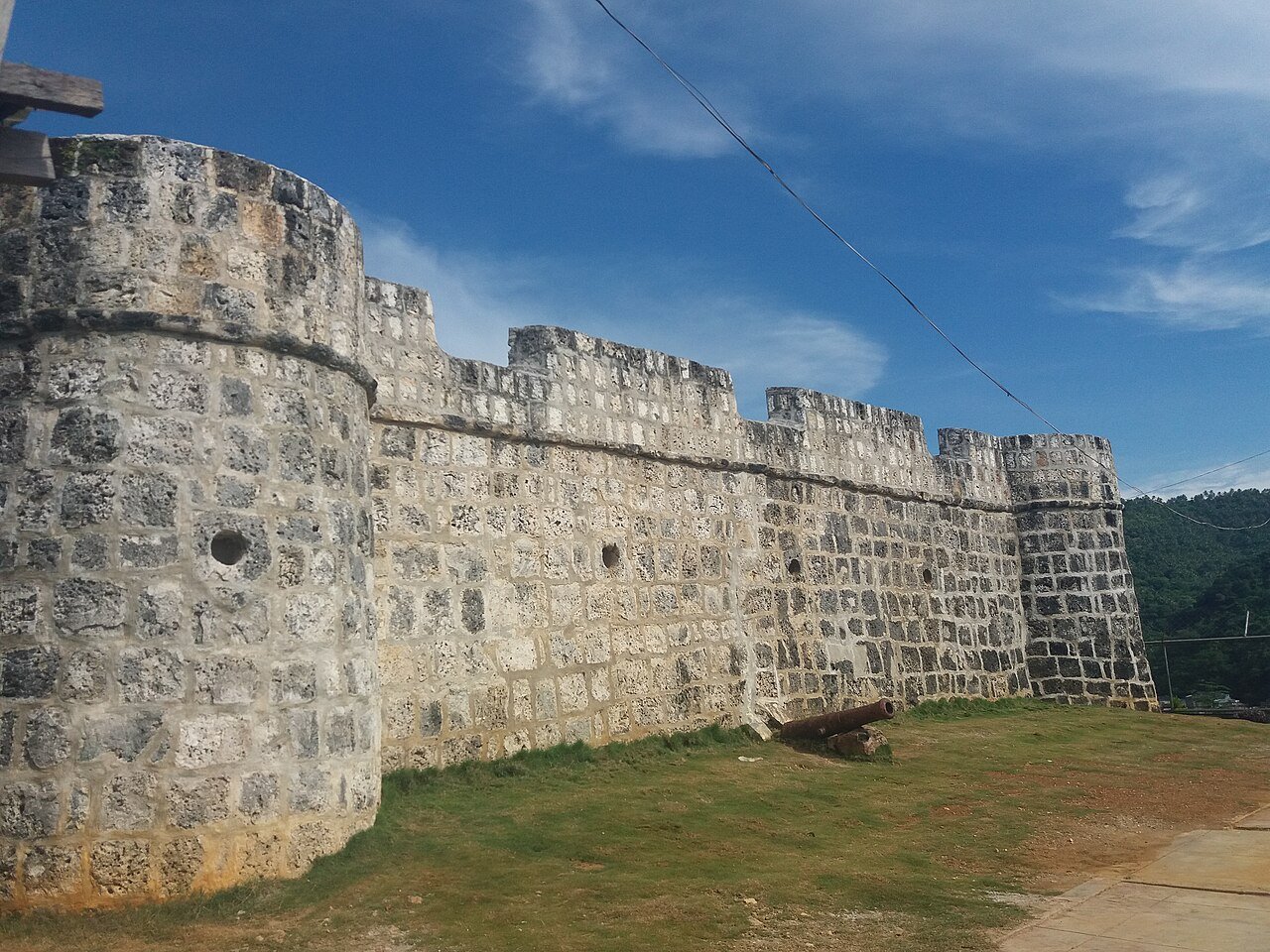
Romblon town itself, the provincial capital, is compact enough to explore on foot in an afternoon. The San Jose Cathedral, also known as St. Joseph Cathedral, dates back centuries and anchors the town’s plaza, with a bell tower that is one of the oldest structures in the region. Fort San Andres and Fort Santiago, two small Spanish-era watchtowers on hills above the harbor, give you a sweeping view over the bay and are a nice spot to catch the sunset.
See where the marble comes from
Romblon earned its nickname as the Marble Capital of the Philippines honestly. Small quarries and roadside workshops around the province still cut and polish marble by hand, and you can watch craftsmen shaping everything from kitchen counters to small souvenir carvings. The Romblon Art Gallery in the capital showcases some of this work alongside other local art, and it is a good stop if you want to bring home something more interesting than a magnet.
Go waterfall hopping inland
Away from the coastline, Romblon’s interior hides a handful of waterfalls that are easy to combine into one trip if you hire a habal-habal (motorcycle taxi) for the day. None of them are heavily developed, so bring water shoes and expect a short hike rather than a paved path.
Try the local seafood
Being surrounded by clear water, Romblon’s food leans heavily on fresh catch. Grilled tanigue (Spanish mackerel), fresh tuna, and whatever the boats bring in that morning show up on most carinderia menus for very reasonable prices. Pair it with a plate of rice and a cold soft drink at any of the small eateries near the port and you have one of the best value meals in the region. Look out too for kinilaw, the local take on ceviche made with vinegar, calamansi, and whatever fish came in freshest that day, plus small plates of grilled squid sold right off the boats in the late afternoon.
Go diving or snorkeling around the smaller islands
Romblon’s waters do not get the diving spotlight that Cebu or Palawan do, and that is exactly why they are worth a look. Visibility around Carabao Island and the smaller islets off Tablas is often excellent outside the rainy months, with healthy coral patches and the occasional turtle sighting. There are no large dive resorts here, so most trips are arranged informally through local boatmen or the handful of small dive operators based in Romblon town, which keeps things simple but also means you should ask around a day or two ahead rather than expecting to book online.
Where to stay
Romblon town has the widest range of guesthouses and small inns, and it puts you closest to the port and the cathedral. If you would rather be near the water, a few beachfront cottages have popped up near San Agustin and Cajidiocan on the eastern side of the main island. Budget travelers can find simple rooms for a few hundred pesos a night, while a handful of nicer resorts charge closer to mid-range hotel rates. If your itinerary includes Tablas, staying a night near the airport town of Alcantara or San Agustin can save you an early morning boat transfer, especially useful if you have a flight to catch the next day.
Best time to visit
Dry season from roughly November through May is the most reliable stretch for calm seas and clear skies, which matters a lot if you are relying on small boats to island hop. June through October brings the rainy season and occasional typhoons, so boat schedules can be unpredictable and some crossings get cancelled outright. If your trip depends on reaching Carabao Island or Tablas by boat, build in a buffer day just in case.
Getting around once you’re there
Tricycles and habal-habal handle most short trips within towns, while inter-island travel runs on small pump boats and slightly larger passenger ferries connecting Romblon, Tablas, Sibuyan, and Carabao. Boat schedules can shift with weather, so it pays to confirm departure times the day before rather than assuming a fixed timetable. For those coming from nearby island provinces, routes connecting through Guimaras and the wider Visayas region are worth checking if you are building a multi-island itinerary.
Hidden gems most visitors miss
Beyond the main sights, Romblon rewards travelers who linger. Small coves along Tablas’ northern coast rarely appear in guidebooks, and several of the tiny islets scattered around the province have no formal name on most maps, just local fishermen who will point you toward good snorkeling if you ask around the port. Sibuyan Island, part of the same province, is worth a mention too, its interior mountain, Mount Guiting Guiting, and the strikingly clear Cantingas River have earned Sibuyan a quiet reputation among hikers as one of the cleanest island ecosystems left in the country. If you enjoyed the laid back pace here, similar under the radar islands like Biliran and San Vicente in Palawan scratch the same itch.
Quick FAQ
What is Romblon known for? Romblon is best known as the Marble Capital of the Philippines, along with quiet beaches like Bonbon Beach and its cluster of relatively undeveloped islands.
How do you get to Romblon? Most travelers fly into Tablas Airport or take a ferry from nearby ports in Batangas, Mindoro, or other Visayan islands, then continue by local boat between Romblon’s own islands.
Is Romblon worth visiting? Yes, especially if you want beaches and island hopping without the crowds of Boracay or El Nido, though it takes a bit more planning to reach.
How many days do you need in Romblon? Three to four days is enough to cover Bonbon Beach, Carabao Island, and Tablas without feeling rushed, longer if you want to add the inland waterfalls.