If you’re island hopping through the Visayas, the Cebu to Bohol leg is one you’ll hit almost no matter how you plan your route. The good news is that it’s also one of the easiest inter island hops in the entire Philippines. There’s no land bridge, obviously, so you’re looking at a boat or a plane, but the ferry network between these two islands is frequent, well run, and honestly kind of fun if you grab a window seat. Here’s everything you need to know to pick the right option for your budget and your patience level.
Taking the Fastcraft Ferry (OceanJet)
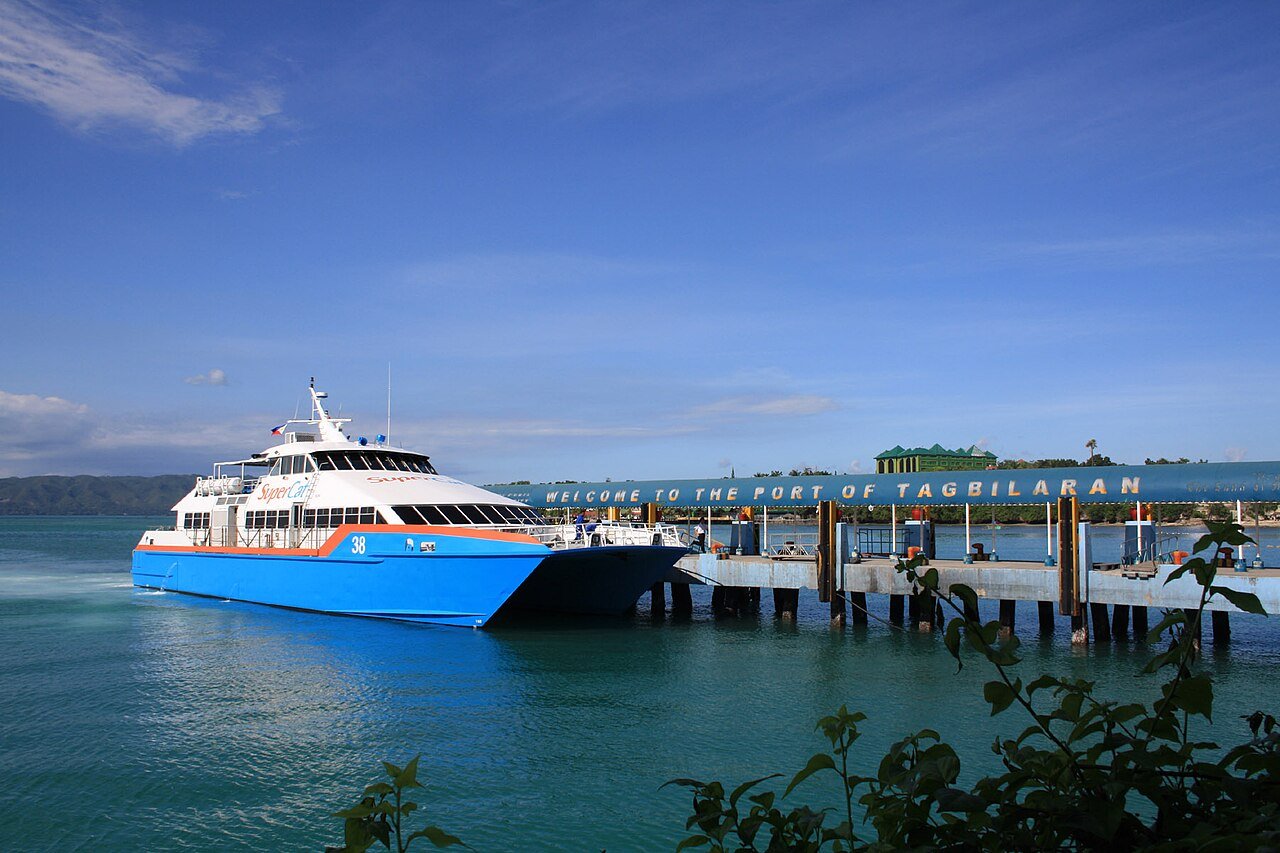
For most travelers, this is the default choice, and for good reason. OceanJet runs fastcraft boats from Pier 1 in Cebu City straight to Tagbilaran City Port in Bohol, and the crossing takes roughly 2 hours. Departures start early, with the first boat usually leaving around 5:10 AM and the last one around 6:40 PM, and on a busy day there can be well over a dozen sailings, so you’re rarely stuck waiting more than an hour or two if you miss one.
Fares vary by seat class and how far in advance you book. Economy or tourist class seats typically run somewhere around 700 to 900 pesos, while business or first class seats with more legroom and air conditioning closer to the front can run up to roughly 1,500 to 1,600 pesos. Add the Tagbilaran port terminal fee, which is a flat 20 pesos, collected at a window near the passenger terminal entrance. Book online a few days ahead during peak season (Holy Week, Christmas, and the summer months of March through May) since seats do sell out.
Taking the Slower RoRo Ferry (Lite Ferries)
If you’re traveling with a car, a motorbike, or you just want to save some money and don’t mind a longer ride, Lite Ferries operates roll on roll off (RoRo) service between Cebu and Tagbilaran. It departs from Pier 3 in Cebu City rather than Pier 1, and passenger fares are noticeably cheaper, typically in the 400 to 520 peso range. The trade off is time. A RoRo crossing on this route generally takes somewhere around 3.5 to 4 hours, close to double the fastcraft.
This option makes the most sense if you’re bringing a vehicle over, traveling on a tight budget, or you just prefer a slower, steadier boat (fastcraft can get choppy in rough weather, and RoRo vessels tend to handle swells more comfortably).
Flying There (and Why It Rarely Makes Sense)
Bohol has its own airport, Bohol-Panglao International, which sits right on Panglao Island next to the resort strip. In theory that sounds convenient. In practice, there currently isn’t a direct flight connecting Mactan-Cebu International Airport to Bohol-Panglao. Any flight between the two islands typically routes through Manila, which turns a two hour ferry ride into most of a day of travel once you account for layovers. Unless you have a specific reason to fly, like a connecting international itinerary that only allows a flight, this option just isn’t worth it for a Cebu to Bohol hop.
The Combo Most Travelers Actually Use
Realistically, most people doing this route aren’t starting in Cebu City itself, they’re flying into Mactan-Cebu International Airport from Manila or from abroad, then heading to the pier. If that’s you, budget an extra 45 minutes to an hour to get from the airport to Pier 1, either by Grab, taxi, or an airport shuttle, on top of your ferry time. Some travelers also combine the ferry with a quick stop in Cebu for a day or two before crossing over, which is worth considering if you haven’t explored Cebu City or the south of the island yet.
Getting to the Pier in Cebu City
Pier 1, where OceanJet departs, and Pier 3, where Lite Ferries departs, are both in the same general port area of downtown Cebu City, a short Grab ride from most hotels in the city center or from Mactan. Traffic around the port can back up in the early morning and late afternoon, so give yourself at least 30 to 45 minutes of buffer beyond what your map app estimates, especially if you’re catching one of the earlier departures.
Arriving in Tagbilaran and Getting to Panglao
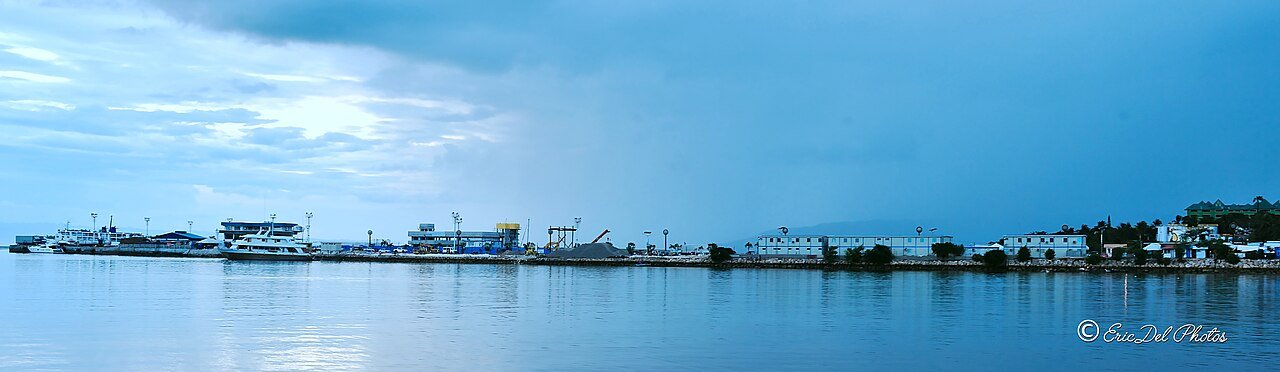
Once you land at Tagbilaran City Port, you’re not quite at the beach yet. Most resorts are on Panglao Island, home to the famous stretch of Alona Beach, and that’s another 20 to 30 minute tricycle, van, or Grab ride from the port. Hotels can usually arrange a pickup if you give them your ferry details in advance, which takes the guesswork out of it. If beaches and diving are your priority, it’s worth reading up on what to do in Panglao before you arrive so you can hit the ground running.
Best Time of Day to Travel
Early morning departures tend to have calmer seas, which matters more than you’d think if you’re prone to motion sickness on fastcraft boats. They also get you into Bohol with most of the day still ahead of you, so you can start exploring the Chocolate Hills, Loboc River, and tarsier sanctuaries the same afternoon rather than losing a day to travel.
What to Bring and Boarding Tips
Bring a photo ID for boarding, since ferry operators do check names against tickets, and arrive at least 45 minutes before departure if you’re checking any bags. Fastcraft boats have limited overhead storage, so keep your day bag with you and check anything bulky. If you get seasick easily, sit toward the middle of the boat where the motion is less pronounced, and consider motion sickness medication about 30 minutes before boarding, especially if the weather forecast mentions choppy seas or a habagat pattern moving through the Visayas. Air conditioning on these boats can be aggressive, so a light jacket or shawl is worth packing even though you’re headed somewhere tropical.
It’s also worth checking the weather a day or two out. Ferry operators will suspend sailings if a storm signal is raised, which does happen a handful of times a year, particularly from June through November. If you’re traveling during typhoon season, build a buffer day into your itinerary rather than booking a same day connecting flight out of Bohol, just in case.
Which Option Should You Choose
If time matters more than money, take the OceanJet fastcraft. It’s fast, comfortable enough, and runs often enough that you can build a flexible itinerary around it. If you’re traveling with a vehicle, on a strict budget, or you’d rather save the extra few hundred pesos and don’t mind the longer ride, the Lite Ferries RoRo is a solid, safe alternative. Skip flying unless a connecting itinerary forces your hand.
Cost Comparison at a Glance
Fastcraft (OceanJet): around 2 hours, fares roughly 700 to 1,600 pesos depending on class, plus a 20 peso terminal fee. RoRo (Lite Ferries): roughly 3.5 to 4 hours, fares roughly 400 to 520 pesos. Flying via Manila: most of a day door to door once you count layovers, and typically the most expensive option by far once you add up both legs.
Quick FAQ
How long is the ferry from Cebu to Bohol? The OceanJet fastcraft takes roughly 2 hours. The Lite Ferries RoRo takes somewhere around 3.5 to 4 hours.
Is there a direct flight from Cebu to Bohol? Not currently. Flights between the two islands generally route through Manila, which makes the ferry the faster and cheaper option for almost everyone.
Which pier do I need in Cebu City? OceanJet departs from Pier 1. Lite Ferries departs from Pier 3. Both are in the same downtown port area, a short ride from most hotels.
Do I need to book ferry tickets in advance? It’s not strictly required outside of peak season, but booking a few days ahead during Holy Week, Christmas, or the summer months is a good idea since popular sailings can sell out.