More Than Just Chocolate Hills: A Traveler’s Guide to Bohol
Did you know that Bohol is home to an estimated 1,776 conical hills, yet none of them are man-made? This geological marvel is a great starting point, but Bohol’s appeal runs much deeper, splitting its personality between the lush, rolling landscapes of the mainland and the vibrant coastal energy of Panglao Island. Whether you’re here for world-class diving or a quiet encounter with the world’s smallest primate, a thoughtful Bohol travel guide is essential to navigating its diverse offerings. This isn’t just a list; it’s a strategy for experiencing the island’s best.
Nature and Wildlife Encounters
The iconic Chocolate Hills are, without a doubt, a must-see. These unique limestone formations, the result of uplifting coral deposits and erosion, transform into a rich brown color during the dry season (late November to May), resembling giant chocolate kisses. For the best panoramic views, head to the government-run complex in Carmen. The entrance fee is around PHP 100. A word of advice: visit on a clear weekday morning to avoid the biggest crowds.
Equally famous but far more delicate is the Philippine Tarsier. To see this creature ethically, you must visit the Philippine Tarsier Sanctuary in Corella. This is not a zoo, but a protected forest habitat managed by the Philippine Tarsier Foundation. The tarsiers are nocturnal and incredibly sensitive to stress, so visitors are required to stay on the designated path, maintain silence, and strictly avoid flash photography. The experience is a quiet, respectful walk through the forest, hoping for a glimpse of the tiny primate. Seeing one in a semi-wild environment is one of the most memorable things to do in Bohol.
Cultural and Historical Stops
Bohol’s history is deeply etched into its architecture. The Church of Our Lady of the Immaculate Conception in Baclayon is one of the oldest coral stone churches in the region, with its original structure dating back to 1727. The church was significantly damaged during the 2013 earthquake, and its painstaking restoration has become part of its living history. A small museum on-site houses centuries-old religious artifacts.
For a quick history lesson, stop at the Blood Compact Shrine in Tagbilaran. The monument commemorates the 1565 Sandugo (blood compact) between Spanish explorer Miguel López de Legazpi and Datu Sikatuna, a local chieftain. It symbolizes the first treaty of friendship between Filipinos and Spaniards and is a brief but important stop on any countryside tour.
Local Flavors and Riverside Views
The Loboc River Cruise is one of the most popular tourist attractions in Bohol for a reason. You’ll board a floating restaurant for a gentle cruise down a jungle-fringed river while enjoying a buffet of Filipino food. The cost, around PHP 850 per person, includes the meal and a short cultural performance by a local community along the bank. While tourist-focused, it’s a relaxing way to spend a midday hour. For a more direct taste of local life, visit the Tagbilaran Central Market. Here you can find local delicacies like calamay (a sticky, sweet treat served in a coconut shell), peanut kisses, and fresh produce.
Adventure and Coastal Activities
Panglao Island, connected to the mainland by two bridges, is Bohol’s hub for sun and sea. Alona Beach is the busiest strip, lined with dive shops, restaurants, and hotels. It’s the primary jumping-off point for island-hopping tours to Balicasag Island, a marine sanctuary famous for its sea turtle population, and Pamilacan Island, known for dolphin watching.
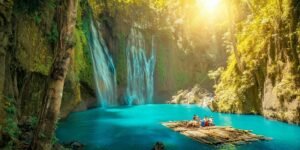
If you’re looking for what to do in Bohol beyond the standard tours, consider renting a stand-up paddleboard for a quiet journey up the Loboc or Abatan River. This offers a more intimate and active alternative to the lunch cruise, allowing you to appreciate the mangrove forests and nipa palms at your own pace. For the truly adventurous, head east to Anda and seek out the Cabagnow Cave Pool. This deep, stunning cenote is a natural swimming hole for confident swimmers looking for a thrill.
Beyond the Main Tourist Trail
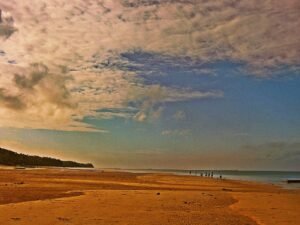
If the crowds of Panglao feel overwhelming, make the two-hour drive to Anda. This quiet municipality on Bohol’s eastern coast boasts a long, pristine stretch of white sand beach that rivals anything on Panglao but with a fraction of the visitors. The atmosphere is laid-back, the accommodations are more boutique, and it serves as a great base for exploring the area’s cave pools and the Cadapdapan Rice Terraces in Candijay, a beautiful, lesser-known agricultural landscape.
Practical Travel Tips for Bohol
Understanding the logistics will make your trip smoother. Here are a few essential tips:
- Getting Around: For mainland tours of the Chocolate Hills and tarsiers, hiring a private car and driver for the day is most efficient (PHP 2,500-3,500). On Panglao, renting a scooter (PHP 300-500 per day) offers the most freedom. Tricycles are available for shorter distances.
- Best Time to Visit: The dry season from December to May is ideal for beach activities and seeing the hills turn brown. The wet season (June to November) means greener landscapes and fewer tourists, but be prepared for rain.
- Getting There: The Bohol-Panglao International Airport (TAG) receives domestic flights from Manila and other hubs. Alternatively, fast ferries from Cebu City to Tagbilaran are frequent and take about two hours.
- Connectivity: Purchase a local SIM card (Globe or Smart) upon arrival for reliable data. Wi-Fi can be inconsistent, especially outside of major resorts.
Bohol presents a choice. You can follow the well-trodden path of a countryside tour or rent a motorbike and find the quiet coves of Anda. You can join the vibrant crowds on Alona Beach or seek a quiet moment on the Loboc River. The best list of things to do in Bohol is the one you create for yourself, balancing the island’s famous sights with its quieter, more personal moments.
Island Hopping from Bohol
Bohol pairs naturally with a side trip:
More Philippines Destinations to Explore
Worth adding to a longer Philippines trip:
- Top Things to Do in Baguio
- Living in Cebu as a Digital Nomad: Costs, Wifi and Neighbourhoods
- Ati-Atihan Festival in Kalibo: Dates, Route and What to Expect
Continue Planning Your Bohol Trip
Bohol pairs well with nearby islands. Here is how to get to Siquijor and Cebu from here.
- How to Get from Bohol to Siquijor: All Options Compared
- How to Get from Cebu to Bohol: All Options Compared
Plan Your Trip to Bohol
Ready to book? Compare hotels and tours in Bohol below.
- Search Hotels in Bohol on Booking.com
- Compare Hotels in Bohol on Agoda
- Find Tours and Activities in Bohol on Klook
- Book Tours in Bohol on GetYourGuide
Booking through these links may earn us a small commission at no extra cost to you.
What a Bohol Trip Costs
Bohol is mid priced by Philippine standards, cheaper than Boracay and more expensive than most of Mindanao.
The standard countryside tour, covering the Chocolate Hills, the tarsier sanctuary, the Loboc River cruise and the Baclayon church, runs roughly 2,500 to 4,000 PHP per vehicle for a full day, split across your group. Entrance fees add up separately: Chocolate Hills viewpoint around 100 PHP, tarsier sanctuary roughly 120 PHP, Loboc lunch cruise around 500 to 800 PHP.
Accommodation on Panglao ranges from roughly 1,000 to 1,800 PHP for budget rooms, 2,500 to 5,000 PHP mid range, and well beyond 8,000 PHP at the resorts along Alona and Danao.
Diving runs around 1,500 to 2,500 PHP per dive including gear. Balicasag day trips cost roughly 2,500 to 4,000 PHP per boat plus marine park fees.
A realistic mid range day for two, including a tour, meals and fees, lands near 6,000 to 9,000 PHP.
Panglao or Mainland Bohol?
Panglao is where nearly everyone stays: beaches, dive shops, restaurants and the airport. Alona Beach is the busy hub and Danao and Dumaluan are the quieter alternatives.
Staying on the mainland near Loboc or Anda gives you a completely different trip. Anda in particular has excellent quiet beaches and a fraction of the traffic, at the cost of being roughly two to three hours from the airport.
The usual split: two or three nights Panglao for the diving and the countryside tour, then two nights in Anda if you have the time.
The Honest Downsides
The Chocolate Hills are impressive in context and underwhelming as a photograph. They are brown from roughly February through May and green the rest of the year, which is the reverse of what most people expect.
The tarsier sanctuaries vary enormously in ethics. The Philippine Tarsier Foundation site at Corella is the properly run one. Roadside operations that let you handle the animals are harmful, since tarsiers are extremely stress sensitive. Do not use them.
Alona Beach is crowded and the hawking is persistent. The countryside tour is a conveyor belt and every vehicle does the same loop at the same hours.
And the Loboc River cruise is a buffet on a raft with a singer. Some people love it. Manage expectations.
Quick FAQ
How many days do you need in Bohol? Three to four covers Panglao and the standard countryside tour comfortably. Five or more lets you add Anda or Balicasag diving without rushing.
How much does the Bohol countryside tour cost? Roughly 2,500 to 4,000 PHP per vehicle for a full day, split across your group, plus entrance fees of around 100 PHP for the Chocolate Hills viewpoint and 120 PHP for the tarsier sanctuary.
When are the Chocolate Hills actually brown? Roughly February through May in the dry season, which is when they earn the name. They are green for much of the rest of the year, which surprises visitors expecting the postcard image.
Where should you stay in Bohol? Panglao for beaches, diving and convenience, with Alona busiest and Danao or Dumaluan quieter. Anda on the mainland for a much quieter trip, at the cost of a two to three hour transfer from the airport.
Are the tarsier sanctuaries ethical? The Philippine Tarsier Foundation site at Corella is properly run and worth supporting. Avoid roadside operations that allow handling, since tarsiers are highly stress sensitive and handling harms them.