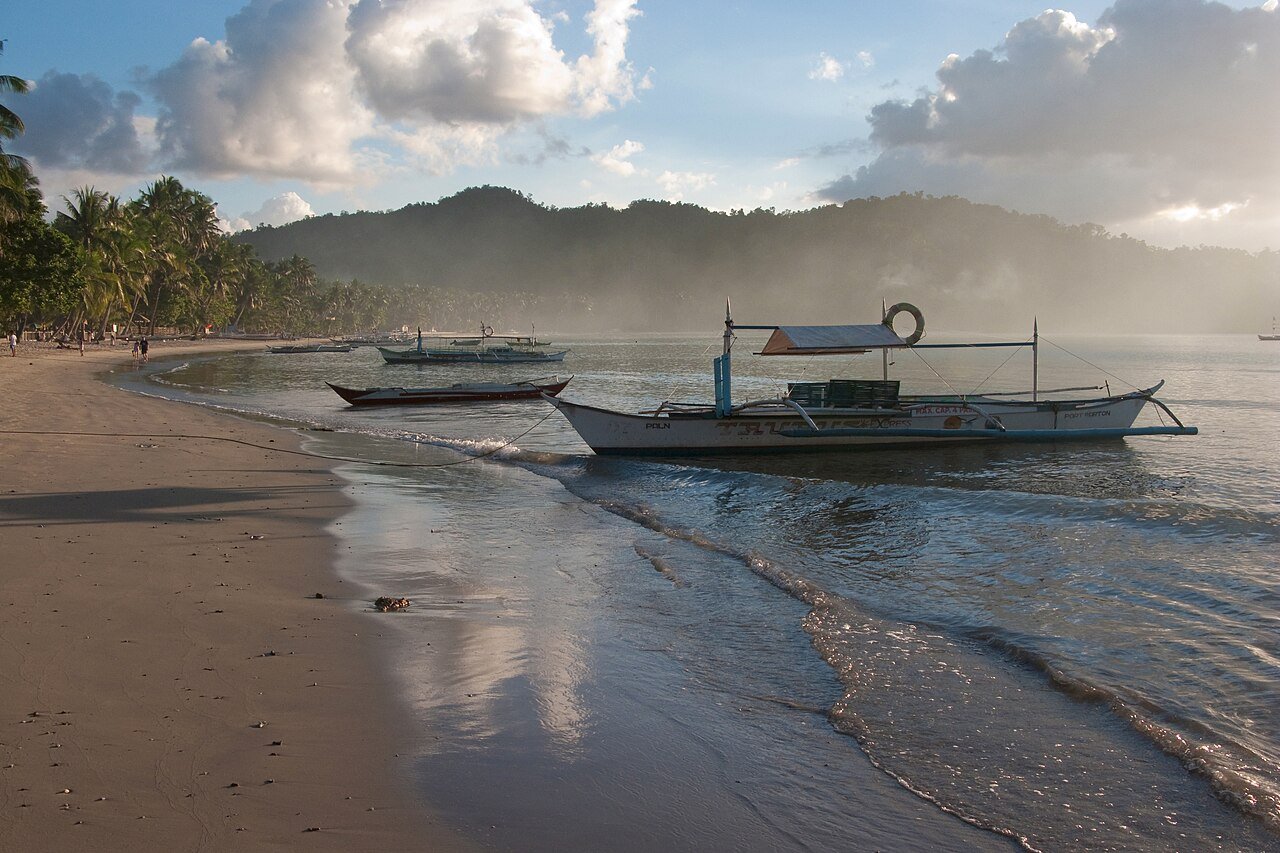
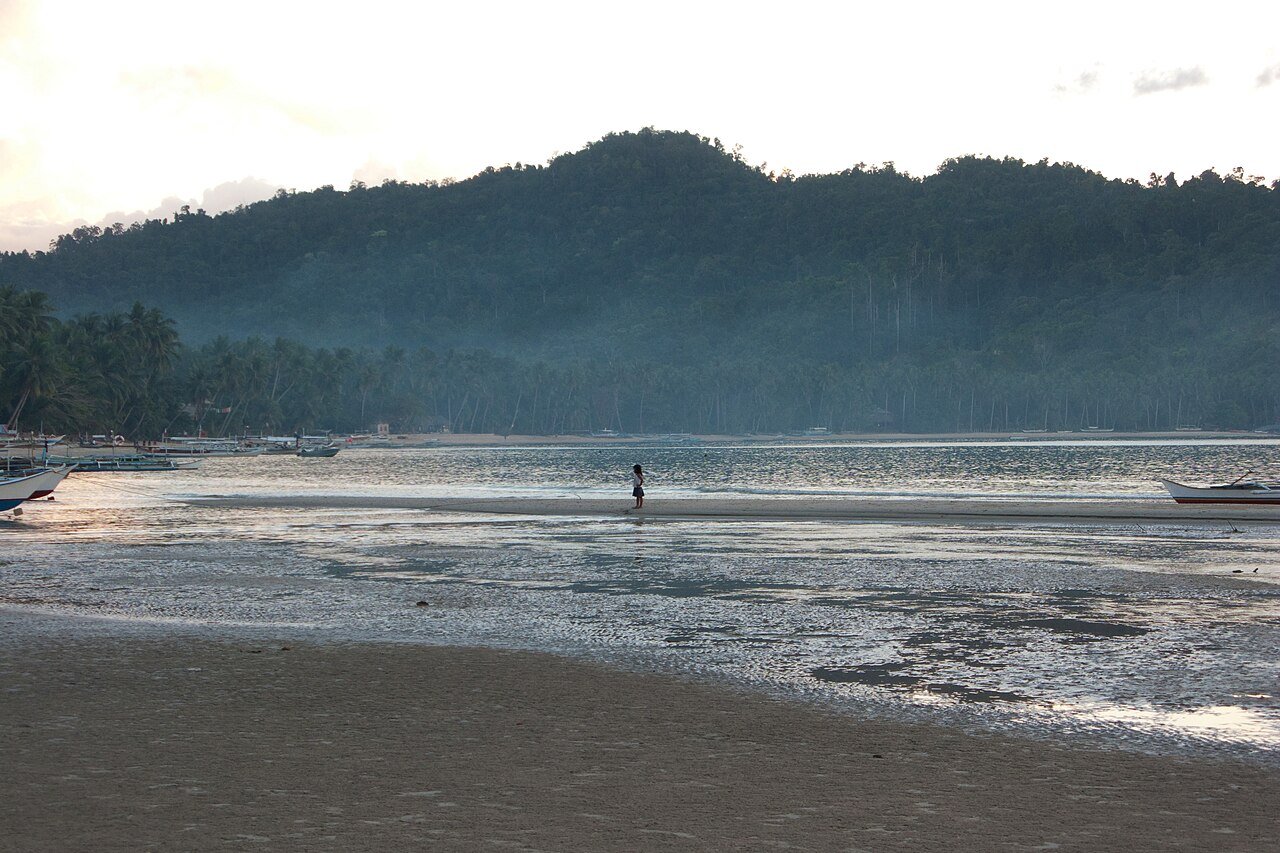
Port Barton doesn’t try very hard to impress you, and that’s exactly why people fall for it. There are no big resort chains here, no beach clubs blasting music until 2am, just a sleepy fishing village on Palawan’s west coast with some of the calmest water you’ll find in the province. If El Nido and Coron feel like they’ve been discovered a little too thoroughly, Port Barton is what those places probably looked like fifteen years ago, dirt roads, family run guesthouses, and a main strip you can walk end to end in ten minutes. Here’s what’s actually worth doing once you’re there.
Go Island Hopping (This Is the Main Event)
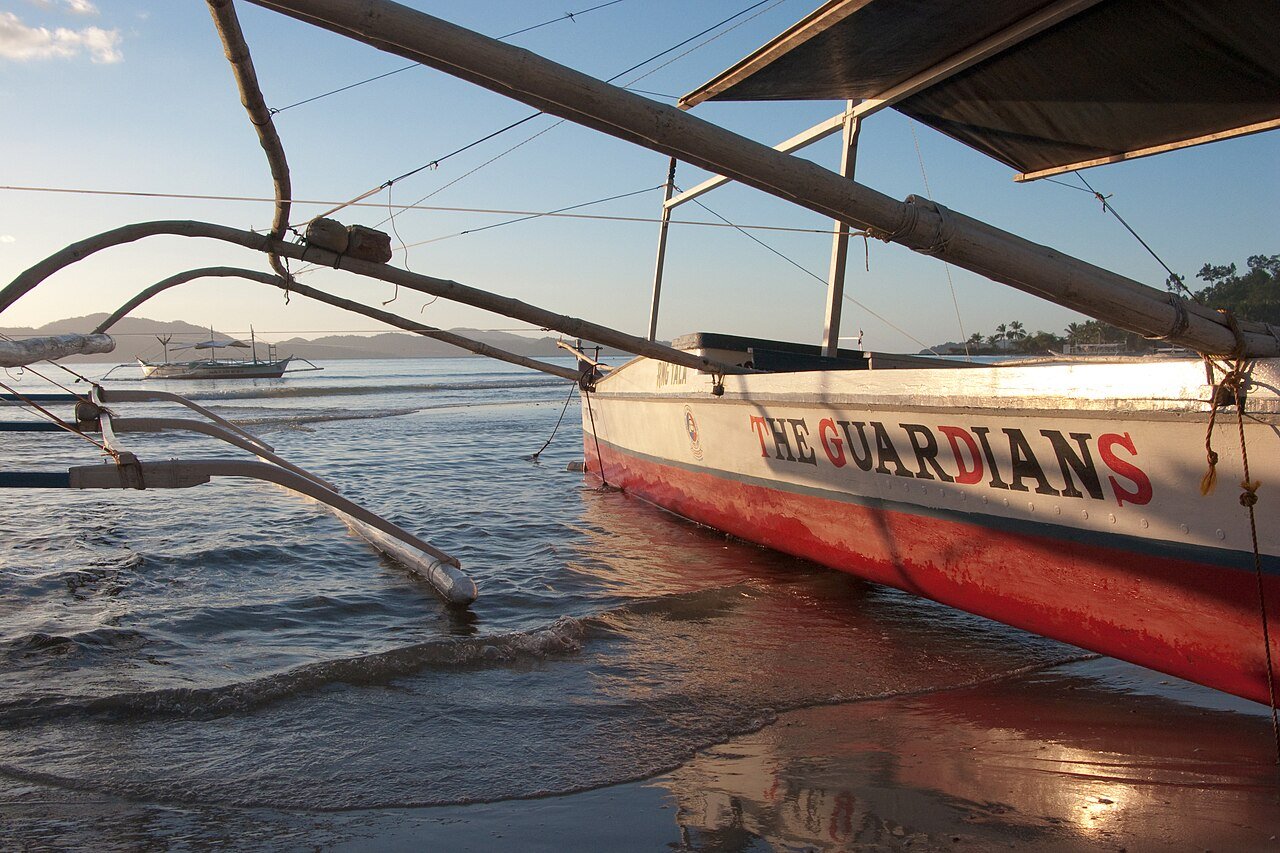
Almost everyone who comes to Port Barton signs up for an island hopping tour, and honestly, it’s the reason to come. Boats head out to a rotating cast of stops depending on your operator and the tide, but the regulars include Exotic Island, German Island, Twin Reef, Fantastic Reef, and a sandbar or two that only shows up at low tide. A full day tour with lunch and snorkel gear typically runs around 1,200 to 1,700 pesos per person if you join a group boat, all-inclusive of entrance fees. Private boats cost more, somewhere around 2,500 pesos for a half day without lunch, up to 4,000 pesos for a full day if you want the boat to yourself.
Exotic Island has a small sandbar and beachside cottages where a lot of tours stop for lunch. German Island charges a small entrance fee, somewhere around 50 to 75 pesos, and has a laid back bar if you want a cold drink with your view. Bring cash for these small island fees since card machines are basically nonexistent out here.
Visit the Turtle Sanctuary
Port Barton’s village turtle sanctuary is one of the more low key wildlife experiences in the Philippines. Green sea turtles graze on seagrass in shallow, crystal clear water just off the sanctuary, and you can float above them quietly without the crowds you’d find at more famous turtle spots. Most island hopping tours include a stop here, though you can also arrange a shorter dedicated visit through your guesthouse if turtles are the main draw for you.
Relax on White Beach
White Beach gets called one of the best beaches in the Philippines, and while that’s a big claim, it’s easy to see why. It’s a protected cove with genuinely powdery sand, leaning coconut trees, and water so clear you can see your feet from waist deep. It’s less about doing something here and more about doing nothing, which after a few busy days of touring is exactly the point.
Hike or Motorbike to Pamuayan Falls
If you want a break from boats, Pamuayan Falls is a freshwater waterfall about 30 to 45 minutes away by motorbike or habal-habal (motorbike taxi). Round trip transport plus the small entrance fee usually costs around 200 to 300 pesos. It’s not a massive waterfall, but the pool underneath is a nice cold rinse after a sweaty ride, and the jungle scenery on the way is a good contrast to all the beach time.
Rent a Kayak and Paddle the Bay
Port Barton’s bay is calm enough that kayaking is genuinely relaxing rather than a workout. Most guesthouses along the waterfront rent kayaks for around 150 to 250 pesos an hour, and paddling out at sunset when the water turns gold is one of those simple things that ends up being a trip highlight nobody expects going in.
Visit the Palawan Street Dog Sanctuary
About 15 minutes outside town is the only street dog sanctuary in Palawan, a nonprofit caring for well over 150 dogs and a number of cats. You can visit, walk a dog for an hour, or ask about longer volunteering options if you’re staying in the area a while. It’s a genuinely nice way to spend an afternoon if you need a break from beaches and boats, and every peso you spend there or donate goes toward food and vet care for the animals.
Try the Local Seafood
Port Barton doesn’t have a big restaurant scene, but what it has leans heavily on fresh catch. Grilled squid, fish, and prawns show up on most menus for reasonable prices, often cooked right in front of you at small beachfront spots. A few travelers swear by the local coconut curry dishes too, a nod to the mix of Filipino and slightly Southeast Asian flavors you get in this part of Palawan. Expect to pay somewhere around 150 to 350 pesos for a solid seafood meal at a local spot, more if you’re eating at one of the handful of nicer restaurants aimed at tourists along the beach road. Fresh fruit shakes are everywhere too, and at 60 to 100 pesos each, they’re an easy way to cool off between boat trips.
What to Pack and Practical Notes
Power cuts happen from time to time in Port Barton, so a power bank isn’t a bad idea if you’re relying on your phone for photos all day. Mobile signal is patchy outside the town center, and while a few guesthouses advertise Wi-Fi, don’t count on it being fast or reliable. Reef-safe sunscreen is worth bringing from a bigger city before you arrive, since the selection in town is limited, and the reefs around the islands you’ll be snorkeling are healthy enough to be worth protecting. A dry bag for your phone and cash is genuinely useful too, since most island hopping days involve wading in and out of boats.
Day Trip to San Vicente or Long Beach
If you’ve got an extra day, San Vicente to the north has Long Beach, reportedly one of the longest white sand beaches in the country, stretching for several kilometers with barely anyone on it. It’s a longer ride from Port Barton, so it works best as a full day trip rather than an afternoon add on, but it’s worth it if you want an even quieter version of what Port Barton already offers.
When to Go and How to Get There
The best window for a visit is November through April, when seas are calmer and rain is less likely to cancel your island hopping plans. Outside that window, particularly July through October, expect more rain and rougher water that can shorten or cancel boat trips. The usual way in is a shared van from Puerto Princesa, taking around two to three hours for roughly 600 pesos, though private transfers are available for more. If you’re combining this with the rest of Palawan, it pairs naturally with a stop in El Nido further north, and it’s worth reading a general Palawan travel guide before you go so you’re not caught off guard by things like limited ATMs or patchy signal.
Where to Stay
Accommodation in Port Barton skews toward simple beachfront guesthouses and mid-range resorts rather than big hotel brands, which fits the town’s whole vibe. Budget rooms start around 800 to 1,200 pesos a night, while nicer beachfront options with air conditioning run 2,000 to 4,000 pesos. Book ahead if you’re visiting between December and March, since the town’s limited number of rooms fills up fast during peak season.
What a trip to Port Barton really costs
Port Barton is the best value base in Palawan and the numbers show it clearly. Island hopping tours run roughly 1,200 to 1,800 pesos per person including lunch, against 1,400 to 2,200 in El Nido, and the boats are smaller and less crowded. There is an environmental fee of around 100 to 150 pesos.
Rooms are cheap. Simple fan rooms and dorms sit around 500 to 900 pesos, decent air conditioned doubles around 1,200 to 2,500, and the handful of nicer beachfront places around 3,000 to 5,000. Food at local eateries runs 120 to 250 pesos a meal, and the traveller focused restaurants along the beach maybe 300 to 500.
Add it up and a budget day comes to roughly 1,800 to 2,500 pesos including a tour, with a comfortable mid range day around 3,500 to 5,000. A three night stay for two people, with two tours and mid range accommodation, realistically lands somewhere around 18,000 to 24,000 pesos all in.
Bring cash. There is no reliable ATM in Port Barton and card payment is rare. Draw what you need in Puerto Princesa or El Nido before you travel, and bring more than you plan to spend.
Port Barton compared with El Nido
People usually end up choosing between the two, so here is the honest comparison. El Nido has the more dramatic scenery, the famous lagoons, far more restaurants and a proper nightlife. It is also busier, pricier and more commercial, and the tours can feel like a conveyor belt in peak season.
Port Barton has a calm bay you can swim in from the beach, quieter island hopping with a genuine chance of turtles, and prices around 30 percent lower. What it does not have is the karst drama of Bacuit Bay, much choice in food, or reliable internet.
If you are only visiting Palawan once and want the postcard, go to El Nido. If you are staying longer, or you have been to El Nido and found it too busy, Port Barton is the better week. Many people do both, and the road between them takes roughly 2.5 to 3 hours.
Power, wifi and what village life actually means
This catches people out, so it is worth being blunt. Port Barton historically ran on scheduled generator power, typically evenings only, and while grid supply has improved a lot, outages remain common. Mobile signal is patchy and wifi where it exists is slow and often drops entirely.
If you need to work, do not come here. If you want to be unreachable for three days, this is close to ideal. Either way, charge everything when the power is on, bring a power bank, and download anything you want to watch before you arrive.
The village is small enough to walk end to end in fifteen minutes. There is no bank, one or two small pharmacies, and a handful of sari sari stores. Anything you specifically need, buy it in Puerto Princesa.
Best time to visit Port Barton
The dry stretch, roughly November to May, is when the sea is calmest and the island hopping boats run most reliably. March through May is hot and bright and the water is at its clearest.
June to October brings rain and rougher seas, tours get cancelled and the road in can get rough. The trade off is that you will have the place close to yourself and rates drop noticeably. If your schedule is tight, avoid the wet months. If you have time to lose a day, low season Port Barton is lovely and very quiet.
What to skip
Skip Port Barton entirely if you have fewer than four nights in Palawan. The journey in eats too much of a short trip, and the road, while much improved, is still slow going. Skip it too if you need wifi or want restaurants and bars.
Skip booking a tour through an intermediary before you arrive. Every guesthouse on the beach sells the same trips and walking in and asking is cheaper and easier. And skip expecting a nightlife scene, the village is quiet by about 10pm and that is the point of it.
One honest negative about the beach itself: the main village beach is pleasant but not spectacular, with some seaweed and boat traffic. The good beaches are on the tours and at Pamuayan and White Beach, a walk or short boat ride away.
Where Port Barton fits in a Palawan trip
Port Barton works best as the middle leg. Fly into Puerto Princesa, come straight here for two or three nights, then continue north to El Nido rather than backtracking. Vans run the route daily, cost roughly 600 to 800 pesos, and take around 2.5 to 3 hours to El Nido or 3 to 3.5 hours back to Puerto Princesa.
If you are working out where to base yourself across the whole province, our guide to where to stay in Palawan compares every area and price bracket. For the wider region, San Vicente and Long Beach make a plausible day trip from here.
Plan Your Trip to Port Barton
Ready to book? Compare hotels and tours in Port Barton below.
- Search Hotels in Port Barton on Booking.com
- Compare Hotels in Port Barton on Agoda
- Find Tours and Activities in Port Barton on Klook
- Book Tours in Port Barton on GetYourGuide
Booking through these links may earn us a small commission at no extra cost to you.
Quick FAQ
Is Port Barton worth visiting if I’ve already been to El Nido or Coron? Yes, especially if you want something quieter. Port Barton has fewer crowds and a more laid back pace than either of those two.
How many days do you need in Port Barton? Two to three days is enough to cover island hopping, the waterfall, and some downtime, though it’s easy to stay longer once you settle into the pace.
Is Port Barton good for beginners or families? Generally yes. The bay is calm, boat tours are well organized, and the town itself is small and easy to navigate on foot.
Do I need cash in Port Barton? Definitely. ATMs are unreliable or nonexistent in town, so bring enough cash from Puerto Princesa to cover your whole stay.
More Philippines Destinations to Explore
Worth adding to a longer Philippines trip: