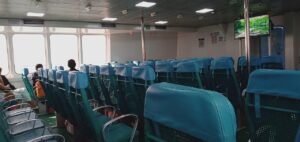
If you have ever tried planning a Manila to Baguio trip at midnight with five browser tabs open, you know the confusion. Bus or private van? PITX or Cubao? Is there really no flight to the City of Pines? I have made this trip more times than I can count, in the back of a cramped bus during a holiday rush and in a quiet private van at 4am, and the honest answer is that the “best” option depends entirely on your budget, your schedule, and how much you value not standing in a queue.
This guide breaks down every real way to get from Manila to Baguio in 2026, what each one actually costs, how long it really takes once you count terminal time and traffic, and which one I would pick depending on the kind of trip you are doing.
Option 1: Public Bus (the default choice for most travelers)
Buses are by far the most popular way to reach Baguio, and for good reason. Several operators run the route multiple times a day, so you rarely have to wait long for the next departure.
Victory Liner is the name most Filipinos associate with this route. It runs from its Pasay, Cubao, and Sampaloc terminals, with travel time running around 5 to 6 hours depending on traffic out of Metro Manila and whether you hit the usual bottleneck near Tarlac or Rosario. Fares for the regular aircon service run roughly 700 to 800 pesos one way, with deluxe buses a bit higher.
Genesis Transport and its JoyBus premium service are another solid option, especially if you want extra legroom. JoyBus Executive seats are wider and recline further, with fares landing around 950 to 1,000 pesos. Regular Genesis buses are cheaper, closer to the 700 peso range.
Solid North Transit (formerly Pangasinan Solid North) also serves this route from its own terminals and tends to be a reliable backup if Victory Liner or Genesis trips are sold out, which happens often during long weekends and the Panagbenga Festival in February.
Most of these lines now let you book seats online or through apps like Bookaway or the operators’ own sites, which I would honestly recommend during peak season. Showing up at the terminal without a reservation on a holiday Friday is asking for a two hour wait in line.
Option 2: PITX as your departure point
The Parañaque Integrated Terminal Exchange, better known as PITX, has become a genuinely convenient starting point if you are coming from the south side of Metro Manila or staying near the airport. Several bus companies operate Baguio-bound trips from PITX, and because it is a purpose-built terminal, the boarding process tends to be more organized than the older street-side terminals. If you are flying into NAIA and heading straight to Baguio, PITX can save you a frustrating crosstown trip through EDSA traffic first.
Option 3: Private Van or GT Express services
If you want more control over your departure time and do not mind paying extra, private vans and shared point-to-point van services are a good middle ground between a public bus and hiring your own car. These typically run a bit faster than big buses since they make fewer stops and can take slightly more flexible routes, though the seats are tighter for a 5 hour ride. Fares vary a lot depending on the operator and whether you book a private van outright or a shared seat, so it is worth checking a few weeks ahead of your trip rather than assuming a fixed number.
Option 4: Drive Yourself (private car or rental)
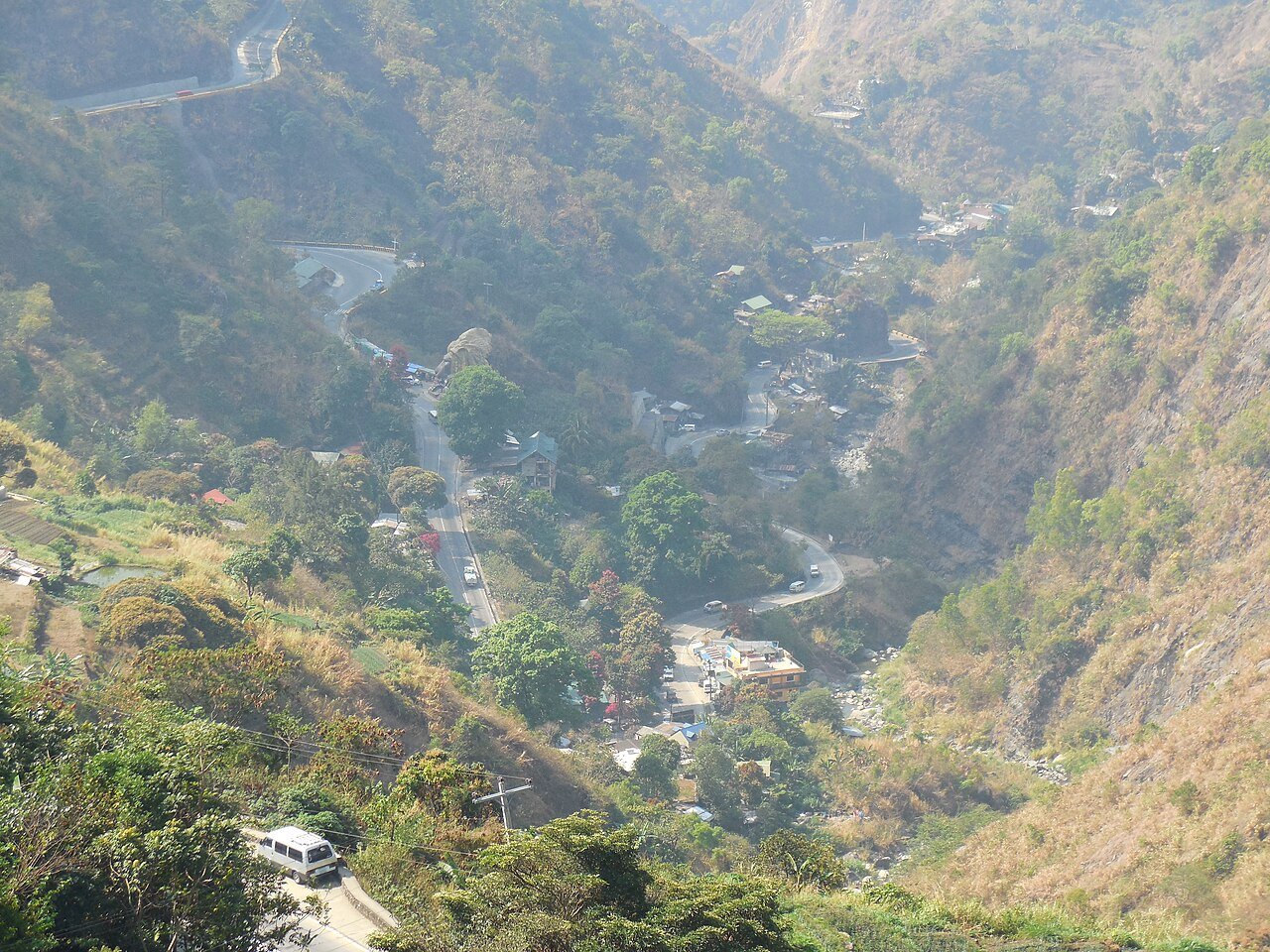
Driving up from Manila gives you the most freedom, especially if you plan to stop in La Union for a surf break or detour through Pangasinan on the way. The Tarlac-Pangasinan-La Union Expressway (TPLEX) has cut a meaningful chunk off the old drive time, and the final stretch up Kennon Road, Marcos Highway, or Aspiring Road into Baguio is part of the experience, winding through pine-covered mountainsides. Just budget extra time if you are not used to mountain driving, and check ahead since Kennon Road periodically closes for landslides or repairs, especially during the rainy season from June to October.
What about flights?
Baguio’s own airstrip, Loakan Airport, does not currently operate scheduled commercial passenger flights, so there is no direct flying option into the city itself. Some travelers fly into Clark International Airport in Pampanga instead and then take a bus or private van the rest of the way, which can shave off some driving time if you are coming from outside Luzon, though for anyone already in Metro Manila it rarely makes sense compared to just boarding a direct bus.
Cost comparison at a glance
Here is roughly what you should expect to budget one way, in Philippine pesos, though always check current fares before you travel since bus operators adjust pricing periodically:
Regular aircon bus: around 700 to 850 pesos
Deluxe or premium bus (JoyBus Executive and similar): around 950 to 1,100 pesos
Shared point-to-point van: generally a bit more than a regular bus seat
Private van charter (whole vehicle): several thousand pesos, but split among a group it can rival deluxe bus pricing
Self-drive: mainly fuel and toll costs, plus wear on your own vehicle
Which option should you choose
If you are traveling solo or as a couple on a normal weekend, a regular Victory Liner or Genesis bus is the easiest and most cost effective choice, especially if you book your seat in advance. If comfort matters more than budget, spring for JoyBus Executive or a similar deluxe service, the extra legroom on a 5 to 6 hour ride is genuinely worth it. Traveling with a group of four or more? A private van charter often works out close in price per head to individual bus tickets while giving you door to door convenience and flexible stops. And if you already love road trips, driving yourself lets you build in stops in Vigan or along the coast that a bus schedule simply will not allow.
Practical tips before you go
Book your bus seat online at least a few days ahead if you are traveling on a Friday, holiday weekend, or during Panagbenga in February, seats do sell out. Pack a light jacket even if it is hot in Manila, Baguio sits around 1,500 meters above sea level and evenings can get genuinely cold, especially from December through February. If you get carsick easily, ask for a seat near the front, the winding mountain roads near the end of the trip can be rough on sensitive stomachs. And double check whether your terminal of choice is Cubao, Pasay, Sampaloc, or PITX well before your trip since they are spread across different parts of the city.
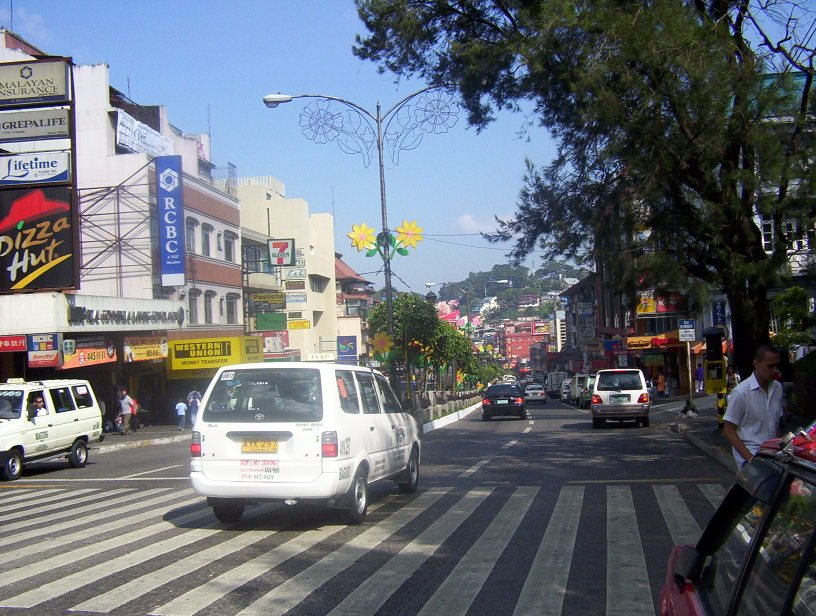
Once you’re in the mountains, Baguio makes a natural base for exploring the wider Cordillera region. Some travelers extend the trip north toward Mountain Province or the rice terraces near Ifugao, both reachable by connecting buses from Baguio’s own terminals.
Quick FAQ
How long does the Manila to Baguio trip actually take? Budget 5 to 6 hours by bus under normal traffic conditions, and closer to 7 or 8 hours during holiday rushes or bad weather.
Is there a direct flight to Baguio? No, Loakan Airport does not currently run scheduled commercial flights, so bus, van, or private car are your only direct options.
Which bus company is best for Manila to Baguio? Victory Liner and Genesis (including JoyBus) are the most established and frequent, with Solid North Transit as a reliable alternative when the others are full.
Should I book my bus ticket in advance? Yes, especially for Friday afternoons, long weekends, and the Panagbenga Festival in February, when seats can sell out a day or more ahead.