
The Cool Mountain Escape You Didn’t Know You Needed
Did you know that Baguio, perched 1,540 meters (5,050 feet) above sea level, was designed by American architects over a century ago as a hill station and health resort? This historical fact is the key to understanding its unique blend of winding roads, pine-scented air, and a layout that feels distinct from any other city in the Philippines. While many come to escape the lowland heat, a rewarding trip here goes beyond simply enjoying the cool breeze. Knowing what to do in Baguio means embracing its layered identity, from its green parks to its vibrant indigenous culture.
Start your journey at the city’s heart, Burnham Park. While it can get busy, a weekday morning visit reveals its intended charm. Rent a swan boat on the lagoon (from ₱250, or about for 30 minutes) or lease a bicycle to circle the park. It’s a classic experience for a reason. For a more expansive dose of nature, head to Camp John Hay. This former American military rest and recreation facility feels like a different world. Walk the Yellow Trail under a canopy of soaring pine trees or simply lay a blanket on the grass at the Historical Core. The air here is crisper, and the scent of pine is a genuine form of aromatherapy.
Art and Soul of the Cordilleras
To truly connect with the region, you must explore its artistic soul. A 30-minute taxi ride from the city center (around ₱200-₱250, or -) will take you to the BenCab Museum. Home to the works of National Artist Benedicto Cabrera, the museum is a world-class space showcasing contemporary Filipino art alongside a breathtaking collection of Cordilleran artifacts. The museum’s design, which cascades down a mountainside, is as much a masterpiece as the art within. Expect an entrance fee of around ₱200 (). Another vital cultural stop is the Tam-Awan Village, which offers a more rustic, hands-on experience. Here, traditional Ifugao and Kalinga huts have been reconstructed to create a living museum, giving you a tangible sense of the region’s architectural heritage.
A Taste of the Highlands
One of the most authentic things to do in Baguio is to dive into its food scene, and that starts at the Baguio City Public Market. This is where you’ll find the freshest produce, from the famous strawberries (best from November to May) to bundles of freshly picked vegetables. It’s also the best place to buy local coffee beans, pure honey, and the ubiquitous walis tambo (soft broom). For a cooked meal, venture beyond the tourist-centric restaurants. Ask a local for their favorite spot for Cordilleran food to try dishes like pinikpikan. For something less adventurous but equally beloved, visit Café by the Ruins for its hearty breads and signature coffee. And don’t forget to explore the night market along Harrison Road, known for its endless array of ukay-ukay (thrifted clothing) and street food.
For the Adventurous Spirit
While Baguio is known for relaxation, it also offers a dose of adrenaline. Inside Camp John Hay, Treetop Adventure provides ziplines, canopy rides, and trekking opportunities that give you a bird’s-eye view of the stunning pine forests. If you’re up for a short trip just outside the city, the Colors of StoBoSa (Valley of Colors) in La Trinidad is a must-see. These hillside homes, painted to form a giant, cohesive mural, are a vibrant testament to community art. It’s a fantastic photo opportunity and can be easily combined with a visit to the nearby strawberry fields, offering a fuller picture of the area’s attractions.
Beyond the Main Attractions
This Baguio travel guide wouldn’t be complete without mentioning a few spots that fly under the radar. If you appreciate unique, sustainable architecture, find your way to the Ili-Likha Artists’ Wateringhole. Created by renowned filmmaker Kidlat Tahimik, this eclectic food and arts hub is built around a tree, using reclaimed materials to create a whimsical, multi-level space. It’s a testament to the city’s creative undercurrent. Another tip for avoiding crowds at famous tourist attractions in Baguio like Mines View Park is to go early on a weekday. While there, skip the biggest crowds and head straight to the nearby Good Shepherd Convent to purchase their legendary ube jam and other preserves; your purchase supports scholarships for local students.
Traveler’s Notebook
- Getting Here: The most common way is a 4- to 6-hour bus ride from Manila. Premium point-to-point services like JoyBus or Victory Liner Deluxe offer comfortable, non-stop trips.
- Getting Around: Taxis are plentiful and metered. For popular routes, jeepneys are an inexpensive and authentic option. Ride-sharing apps work but can have limited drivers during peak hours. Be prepared for traffic, especially on weekends and holidays.
- When to Go: The dry season, from November to May, offers the best weather. February is Panagbenga (Flower Festival) month, vibrant and festive, but also the most crowded time of year. The rainy season runs from June to October.
- What to Pack: Layers are essential. Pack light sweaters, a good jacket, and comfortable walking shoes. The weather can shift from sunny to chilly in an instant.
Baguio is more than just a list of places to see; it’s a feeling. It’s the crisp mountain air, the scent of pine needles on a forest floor, and the warmth of a coffee cup on a cool evening. It’s a city that balances its colonial past with a vibrant, forward-looking indigenous culture. So, are you ready to discover its many layers?
Getting Further Into the Cordillera
Baguio is also the usual jump-off point for the mountain towns further north:
More Philippines Destinations to Explore
Worth adding to a longer Philippines trip:
- Top Things to Do in Iloilo: Heritage, Batchoy and Gigantes Islands
- Volunteering with an NGO in Palawan: How It Works and What to Know
- Island Camping in Coron: Tours, Costs and What to Bring
The Best Things to Do in Baguio, Ranked by What Is Actually Worth Your Time
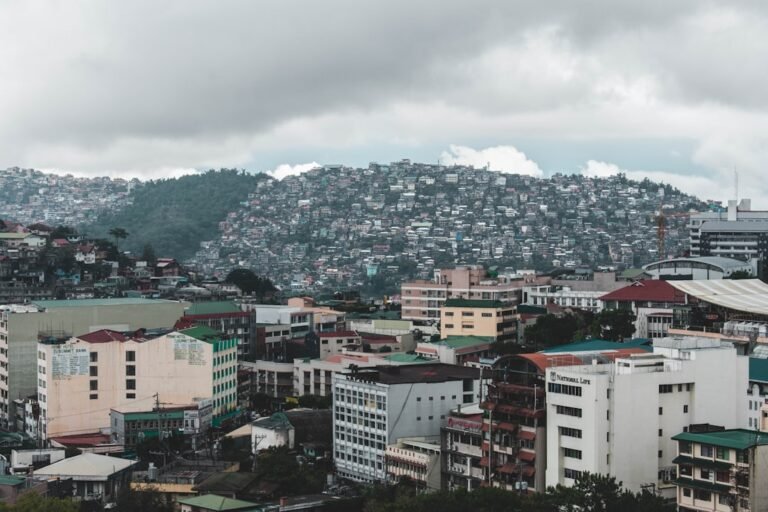
Baguio has a long list of attractions and a fair few of them are tourist traps. Here is the honest ranking.
Worth building a day around. The BenCab Museum in Tuba, roughly 20 minutes out of the centre, entry around 150 to 200 pesos. It is the single best cultural attraction in the Cordilleras, with Bencab’s own work, a serious collection of Cordillera artefacts, and a garden and cafe that make it a half day rather than an hour. The Tam awan Village artists’ community is the smaller companion piece, entry around 60 to 100 pesos.
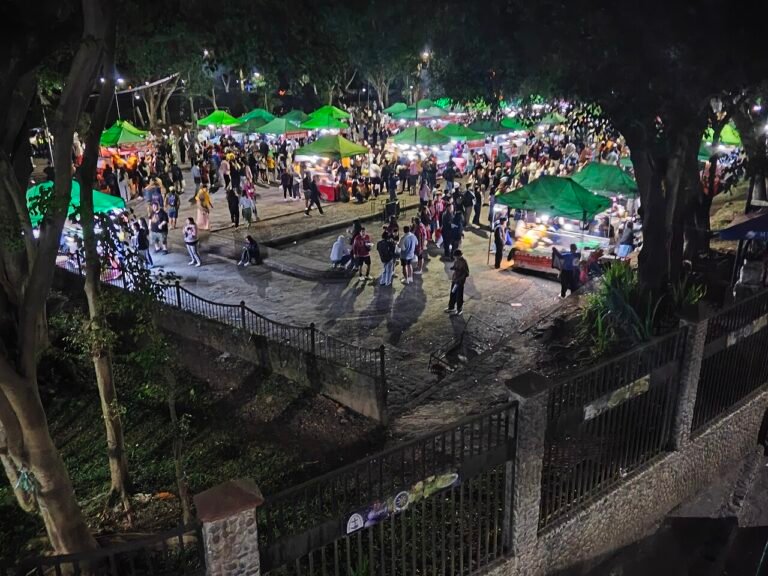
Worth a couple of hours. The Baguio Night Market on Harrison Road, which sets up around 9pm and runs past midnight. This is where the ukay ukay secondhand clothing culture that Baguio is famous for actually happens, and it is genuinely good if you enjoy rummaging. Bring small bills and expect to haggle. Session Road for the cafes and the general feel of the city. The Cathedral for the view from the steps more than the building.
Worth it if the weather cooperates. Mines View Park has a genuinely good view on a clear morning and is a crowded souvenir bazaar on a foggy afternoon. Go early. Camp John Hay for the pine forest walks and the cooler air. The Botanical Garden, which is small but pleasant and cheap.
Be realistic about these. Burnham Park is the city’s central green space and locals love it, but visitors expecting something scenic often find a busy municipal park with a boating lake. The Strawberry Farm in La Trinidad is a working farm with a souvenir strip attached, and the picking is expensive for what it is, roughly 500 to 800 pesos a kilo, well above market price. The Lion’s Head is a roadside statue people queue to photograph. Baguio’s horse riding at Wright Park is worth skipping on animal welfare grounds alone.
Best Time to Visit Baguio
Baguio sits at around 1,500 metres, which is the entire point of it. Temperatures run roughly 15 to 23 degrees year round, and it is the coolest city in the Philippines.
December to February is coldest and most atmospheric, dropping to around 10 degrees at night and occasionally lower. It is also peak season, and Christmas and New Year fill the city completely.
March to May is dry and clear, and the last week of February brings the Panagbenga flower festival, which is the biggest event of the year. Panagbenga is spectacular and it also means hotel rates double or triple and the roads gridlock. Decide which of those matters more to you.
June to October is the wet season and Baguio gets a lot of rain, more than almost anywhere else in the country. Fog rolls in and stays, views disappear, and the winding Kennon Road route up can close. It is cheap and quiet, and if you like moody mountain weather it has real charm, but do not come for the views.
November is the quiet recommendation. Rain has eased, the peak crowds have not arrived, and rates are reasonable.
Getting to Baguio and Getting Around
Buses from Manila run around the clock from the Cubao, Pasay and Avenida terminals. The journey takes roughly 4 to 6 hours depending on traffic and route. Ordinary air conditioned buses cost around 500 to 700 pesos, and the premium point to point deluxe services run roughly 800 to 1,000 pesos and are worth the difference for the reclining seats and fewer stops.
There are three routes up the mountain. Kennon Road is the shortest and most scenic and closes frequently for landslides. Marcos Highway is the usual alternative and what most buses use. Naguilian Road comes up from the west. You do not get to choose, the bus does, but it explains why journey times vary so much.
In the city, jeepneys cost around 13 to 15 pesos and taxis are metered, honest, and cheap by Philippine standards, usually 60 to 150 pesos across town. Baguio taxis have a deservedly good reputation. Walking works in the centre but remember it is built on hills and the altitude makes the climbs harder than they look.
What Baguio Costs
- Bus from Manila: roughly 500 to 1,000 pesos each way depending on class
- Budget guesthouse or transient house: around 800 to 1,500 pesos a night
- Mid range hotel: roughly 2,000 to 4,000 pesos, doubling over Panagbenga and Christmas
- Meal at a local eatery: around 100 to 180 pesos
- Meal at a Session Road cafe or restaurant: roughly 250 to 600 pesos a head
- BenCab Museum entry: around 150 to 200 pesos
- Taxi across the city: roughly 60 to 150 pesos
- Strawberry picking at La Trinidad: roughly 500 to 800 pesos a kilo
A comfortable day in Baguio runs around 2,500 to 3,500 pesos per person. A weekend trip from Manila including transport, two nights mid range and food lands roughly 7,000 to 11,000 pesos per person, considerably more over Panagbenga.
Honest Warnings About Baguio
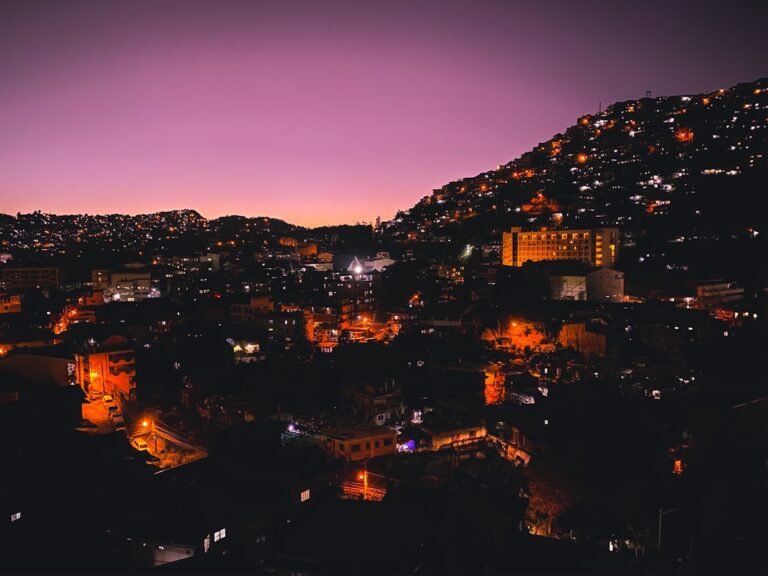
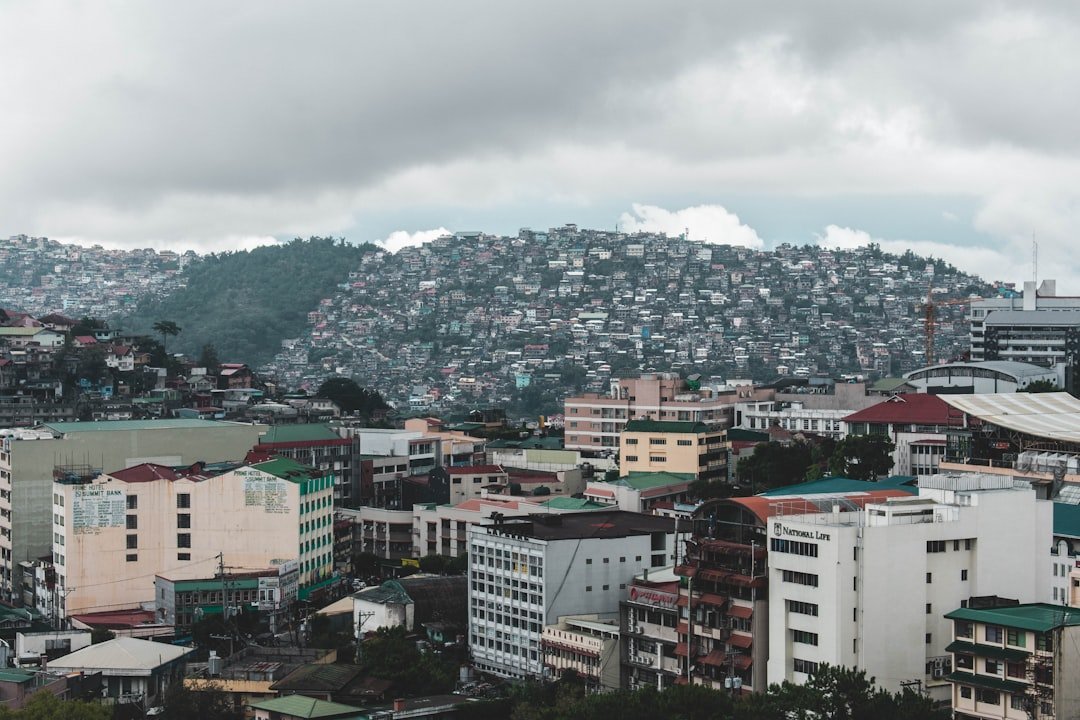
Baguio is much more crowded and built up than its reputation as a quiet mountain retreat suggests. It was designed for 25,000 people and now holds well over 350,000. Traffic in the centre is bad, and on a long weekend it is genuinely awful, with journeys that should take 10 minutes taking an hour.
Avoid Holy Week, Christmas, New Year and Panagbenga unless the crowds are the point. On those weekends the city is full, rates spike, and Kennon Road backs up for hours.
The pine forest that gives Baguio its character has thinned considerably. Parts of the city that photographs suggest are forested are now dense housing. This is not a reason to skip it, but it is a reason to adjust expectations.
Bring a jacket. Visitors consistently underestimate how cold a Baguio evening is after a day in Manila heat.
Quick FAQ
What are the top things to do in Baguio? The BenCab Museum, the Harrison Road night market, Session Road, Tam awan Village and Camp John Hay are the five that reliably justify the trip. Mines View Park is worth it early in the morning on a clear day.
How many days do you need in Baguio? Two full days covers the main sights comfortably. Three lets you add a day trip to Sagada or the Benguet highlands without rushing.
When is the best time to visit Baguio? November for the balance of decent weather, low crowds and reasonable rates. December to February is coldest and busiest. Late February brings Panagbenga, which is spectacular but triples hotel prices.
How do you get to Baguio from Manila? By bus from Cubao, Pasay or Avenida, roughly 4 to 6 hours, around 500 to 1,000 pesos depending on class. There is no commercial airport service.
Is Baguio expensive? No. A comfortable day runs around 2,500 to 3,500 pesos per person. Rates spike sharply over Panagbenga, Christmas and Holy Week.
Is Baguio cold? By Philippine standards, yes. Roughly 15 to 23 degrees most of the year, dropping to around 10 degrees on December and January nights. Bring a jacket.
Continue Planning Your Baguio Trip
Baguio pairs naturally with Sagada. Here is how to get there and back to Manila.
- How to Get from Baguio to Sagada: All Options Compared
- How to Get from Manila to Baguio: All Options Compared
Plan Your Trip to Baguio
Ready to book? Compare hotels and tours in Baguio below.
- Search Hotels in Baguio on Booking.com
- Compare Hotels in Baguio on Agoda
- Find Tours and Activities in Baguio on Klook
- Book Tours in Baguio on GetYourGuide
Booking through these links may earn us a small commission at no extra cost to you.
Baguio works best as the start of a Cordillera trip. Carry on to Mountain Province and Sagada, the rice terraces of Ifugao, or the tattoo villages of Kalinga. For the far north, Apayao is the least visited province of them all.