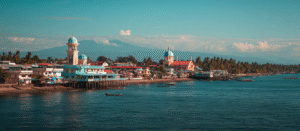
For many travelers, Manila is a stopover, a brief gateway to the Philippines’ beaches and islands. But those who take the time to explore this chaotic, colorful capital will find a city bursting with history, flavor, and contrasts. From centuries-old cathedrals to futuristic shopping malls, street food to sky bars, Manila invites you to look beyond first impressions. Here’s everything you need to know to make your Manila stay count.
Getting to and Around Manila
Most international travelers arrive via Ninoy Aquino International Airport (NAIA), which has four terminals. They’re not all connected, so double-check your terminal when booking flights or airport pickups.
Getting into the city: Grab a metered taxi, book a Grab (Asia’s Uber), or arrange a hotel transfer. Depending on traffic, and Manila is infamous for it, the journey to downtown can take 20 minutes to over an hour.
Once in the city, you can use jeepneys, tricycles, buses, or ride-hailing apps. For tourists, Grab is the most convenient and safe option.
When to Visit Manila
The dry season (December to May) is the most pleasant time to explore the city. January and February offer cooler temperatures, while March to May can be hot and humid.
Avoid June to October, which is the typhoon season. Rain can be relentless, and flooding in some parts of the city isn’t uncommon.
Where to Stay
Manila is made up of several districts, each with its own vibe.
- Makati: The business district. Upscale, safe, walkable, and home to many international hotels, malls, and restaurants.
- Bonifacio Global City (BGC): Modern, chic, and well-planned. Think high-rises, art murals, craft cafes, and green spaces.
- Ermita/Malate: Closer to historical sites, bay views, and budget accommodations.
- Pasay: Convenient for the airport and casinos like Resorts World and Okada.
Top Things to Do in Manila
1. Explore Intramuros
The “Walled City” is Manila’s historic heart. Visit:
- Fort Santiago (national hero Jose Rizal’s prison cell)
- San Agustin Church (a UNESCO site)
- Casa Manila (colonial lifestyle museum)
Walk the cobblestone streets or take a bamboo bike tour for an immersive experience.
2. Visit Rizal Park and National Museum Complex
Get a feel for Filipino identity through art, archaeology, and anthropology at the National Museum of Fine Arts, Natural History, and Anthropology.
3. Catch the Manila Bay Sunset
Head to Baywalk or a rooftop bar in Roxas Boulevard to watch the sky burst into shades of orange and pink.
4. Dive Into the Food Scene
From local street snacks like isaw (grilled chicken intestines) to fine dining Filipino restaurants like Locavore and Manam, Manila is a culinary mash-up. Don’t miss the legendary halo-halo, a rainbow shaved ice dessert.
5. Shop Till You Drop
Manila is home to some of Asia’s largest malls:
- SM Mall of Asia (with a seaside view)
- Greenbelt (upscale brands)
- Divisoria (bargain hunting and textiles)
6. Visit Cultural Spaces
Check out Cultural Center of the Philippines (CCP), Art in Island (an interactive 3D art museum), or indie galleries in Cubao Expo.
Where to Eat in Manila (International Options Included)
If you’re not a fan of traditional Filipino food, don’t worry, Manila has it all.
For international cuisines:
- Thai: Mango Tree (BGC), Soi (multiple branches)
- Indian: New Bombay (Makati), Royal Indian Curry House
- Japanese: Ooma, Ramen Nagi, Mendokoro Ramenba
- Korean: Soban, Samgyupsalamat
- Mexican: El Chupacabra, Gringo
- Vegetarian/Vegan: Green Bar, The Wholesome Table, Corner Tree Café
Local options worth a try:
- Adobo (chicken/pork simmered in soy, vinegar, and garlic)
- Kare-Kare (peanut stew)
- Lechon Kawali (crispy pork belly)
Safety, Culture & Tips
- Safety: Stick to well-lit and populated areas, especially at night. Use Grab over hailing taxis.
- Language: English is widely spoken. Communication is rarely an issue.
- People: Filipinos are known for being warm and hospitable. You might get asked, “Where are you from?” a lot, it’s friendly curiosity.
- Cash & Cards: Cards are accepted in malls and major restaurants, but carry cash for markets and street food.
- Dress Code: Manila is fairly casual, but modesty is appreciated in churches and formal spaces.
A Sample 2-Day Itinerary
Day 1:
- Morning: Intramuros + Fort Santiago
- Lunch: Manam in Greenbelt
- Afternoon: Rizal Park + National Museum
- Sunset: Manila Baywalk
- Dinner: Ramen Nagi + rooftop drink at The Penthouse 8747
Day 2:
- Morning: Shopping at Divisoria or SM Aura
- Lunch: El Chupacabra (Mexican)
- Afternoon: Art in Island or CCP
- Dinner: Royal Indian Curry House (RICH) + chill night at BGC
Manila isn’t everyone’s favorite city at first glance. It’s noisy, gritty, and unpredictable. But if you give it a little time, a bit of patience, and an open mind, it reveals a side of the Philippines that’s complex, creative, and completely unforgettable.
Come for the convenience, but stay for the culture. Just maybe, you’ll fall for the chaos too.
Money and Connectivity
ATMs are everywhere in malls and near major hotels, and most dispense a maximum of ₱10,000 to ₱20,000 per withdrawal depending on the bank, with a fee of roughly ₱200 per transaction on foreign cards. A local SIM from Globe or Smart costs around ₱50 to ₱150 for the SIM itself, with data packs starting around ₱99 for a few gigabytes, worth picking up at the airport or a nearby convenience store on arrival since coverage and speed are noticeably better than relying on roaming. Wifi is widely available in cafes and malls, though speeds vary, if you need reliable connectivity for work, stick to hotels with fiber connections rather than assuming any advertised wifi will hold up on a video call.
Getting Beyond Manila
Once you’ve settled in, Manila’s transport hubs make it easy to explore further. If you’re heading up north, our guide comparing every option from Manila to Vigan breaks down the bus and flight choices. If the islands are calling, see our Manila to Boracay transport comparison for flights versus the ferry and bus combination. And for the sights within Manila itself, our companion guide to the top things to do in Manila goes deeper into Intramuros, the museums and Chinatown than this practical overview does.
Understanding Jeepneys and Local Transport
Jeepneys remain the cheapest and most iconic way to get around once you’ve figured out the routes, though they take some getting used to as a first timer. Rather than repeat the basics here, our full guide to riding a jeepney in the Philippines covers fares, hand signals and etiquette in detail, worth a read before your first ride so you’re not guessing at the fare or where to signal your stop.
What a Trip to Manila Actually Costs
Budget travelers can manage on roughly ₱1,800 to ₱2,500 a day covering a hostel bed, jeepney or LRT fares, and street food or carinderia meals. Mid-range travelers in a three-star hotel, taking Grab everywhere and eating at proper restaurants should plan for roughly ₱4,500 to ₱6,500 a day. Add ₱500 to ₱1,000 on top for a day with several paid attractions, most entrance fees in the city are modest individually but add up if you’re museum-hopping.
Honest Negatives: What to Expect
Traffic is the single biggest complaint from visitors, and it’s earned. Budget significantly more transit time than Google Maps suggests, especially on weekday afternoons, and try to cluster your day’s activities by neighborhood rather than crossing the city more than once. Air quality can also be noticeably worse than what you’re used to, particularly near major roads, if you have respiratory sensitivities it’s worth packing a mask for the more congested areas. None of this is a reason to skip Manila, but it’s worth knowing before you land rather than being surprised by it.
Weather by Season
The dry season, November through April, is the most comfortable time to visit, with February and March offering the best balance of manageable heat and low rain risk. May through October brings the wet season, including typhoon risk especially from July through October, flights and ferries can be disrupted with little notice during this stretch, so if you’re traveling then, build a buffer day or two into your itinerary rather than booking tight connections. Temperatures stay warm year round, generally 24 to 34 degrees Celsius, with humidity that makes the middle of the day the hardest to be out sightseeing regardless of season.
Culture and Etiquette Basics
Filipinos are generally warm and accommodating to visitors, and a little effort goes a long way. A smile and “salamat” (thank you) are always appreciated. Pointing with your lips rather than your finger is a common local gesture, don’t be alarmed if someone does this to indicate a direction. Dress modestly when visiting churches, shoulders and knees covered is the safe default. Tipping isn’t mandatory but is increasingly expected in restaurants and for hotel staff, roughly 10 percent at sit down restaurants if a service charge isn’t already included, and small amounts for porters or housekeeping are welcome.
What to Pack
Light, breathable clothing handles the heat and humidity best, natural fabrics over synthetics if you’re sensitive to sweat. A light rain layer or compact umbrella is worth carrying year round, downpours can arrive with little warning even outside the official wet season. Comfortable walking shoes matter more than style given the amount of uneven pavement in older districts like Intramuros. A portable charger is genuinely useful given how much a day of navigating traffic on Grab and Maps can drain a phone, and a reusable water bottle helps since tap water isn’t recommended but bottled water and refill stations are everywhere.
First Time in Manila: A Few Extra Tips
Keep a photo of your hotel’s address and a local emergency contact saved offline, cellular coverage inside some malls and the older parts of Intramuros can be patchy. Download Grab before you land rather than trying to set it up on arrival, it needs a working local number or international card verification that’s easier to sort out with reliable wifi first. And build in one buffer day if your itinerary is tight, between traffic, weather, and the sheer amount the city has to offer, Manila rewards travelers who don’t overplan every hour.
One last practical note worth flagging: NAIA’s four terminals aren’t connected by a quick walkway, transferring between them for a connecting flight can take 30 to 45 minutes by shuttle bus even without traffic, so if you’re booking a connection through Manila, avoid layovers under two hours to give yourself a real buffer.
If your trip includes both Manila and a beach destination, doing Manila first tends to work better logistically, you’ll clear jet lag and NAIA’s inevitable arrival chaos before heading somewhere more relaxed, rather than trying to transition from island time back into a dense, high-traffic city at the end of your trip.
More Manila Guides
Pair this practical guide with what to actually do once you land, and with routes to your next stop.
- Top Things to Do in Manila
- How to Get from Manila to Vigan
- How to Get from Manila to Banaue
- How to Get from Manila to Sagada
- How to Get from Manila to Baguio
- How to Get from Manila to Coron
- How to Get from Manila to El Nido
- How to Get from Manila to Boracay
Quick FAQ
How many days should I spend in Manila before heading elsewhere? Two to three days covers the essentials without feeling rushed, longer if you want to explore beyond the main tourist areas.
Do I need a local SIM card in Manila? It’s worth it for reliable data, a SIM plus a starter data pack runs roughly ₱150 to ₱250 total and is available at the airport or nearby convenience stores.
What’s the biggest thing to plan around in Manila? Traffic. Budget more transit time than map apps suggest, and group your sightseeing by neighborhood to avoid crossing the city more than once a day.
Is it easy to get from Manila to other parts of the Philippines? Yes, Manila’s airport, bus terminals and ferry connections make it the default gateway to most of the country, though onward journeys vary widely in length depending on the destination.
How much cash should I carry in Manila? Enough for at least two days of jeepney fares, street food and small purchases, since many small vendors and jeepneys are cash only despite cards being common at malls and hotels.
Is Manila worth two full days on a short Philippines trip? Yes for most travelers, it’s the easiest place to see genuine Spanish colonial history, world class museums and one of Asia’s best food scenes all within a compact area.
More Philippines Travel Guides
Planning a longer trip? These lesser-visited provinces pair well with a Philippines itinerary:
For a district by district look at risk, scams and night time safety, see is Manila safe for tourists.