
Most people flying into Northern Mindanao head straight for Cagayan de Oro or Camiguin and never look twice at Ozamis City. That is a mistake, and a useful one for you, because it means the things to do in Ozamis City rarely get crowded. This is a port town on Panguil Bay with a Spanish era fort, a genuinely good food scene, and a jump off point for Dapitan and Dipolog that most itineraries skip entirely. This guide covers what to actually do here, what it costs, and where the honest gaps are so you can plan a day or two around Ozamis without wasting time.
If you are planning to stay a night or two, see our guide to where to stay in Ozamis City for real hotel names and prices by area.
\n
Why Ozamis City Is Worth the Detour
Ozamis sits on the southern shore of Panguil Bay in Misamis Occidental, facing Tubod and Kolambugan across the water. It grew up around a Spanish fort built to fend off Moro raids in the 1750s, and that fort, Cotta Fort, is still the anchor of the old town today. The city works well as a one or two night stop between Cagayan de Oro, Iligan, and the Zamboanga Peninsula, or as a base for exploring Misamis Occidental’s beaches and waterfalls without the crowds you get in bigger Mindanao hubs.
What makes it worth the detour isn’t one blockbuster attraction. It’s the combination: a real historic core you can walk in half a day, a working port with sunset views over the bay, cheap and excellent food, and a slower pace than Cagayan de Oro or Dumaguete. If you want postcard beaches, this isn’t quite that. If you want a Mindanao city that still feels lived in rather than built for tourists, it delivers.
Cotta Fort and Cotta Shrine
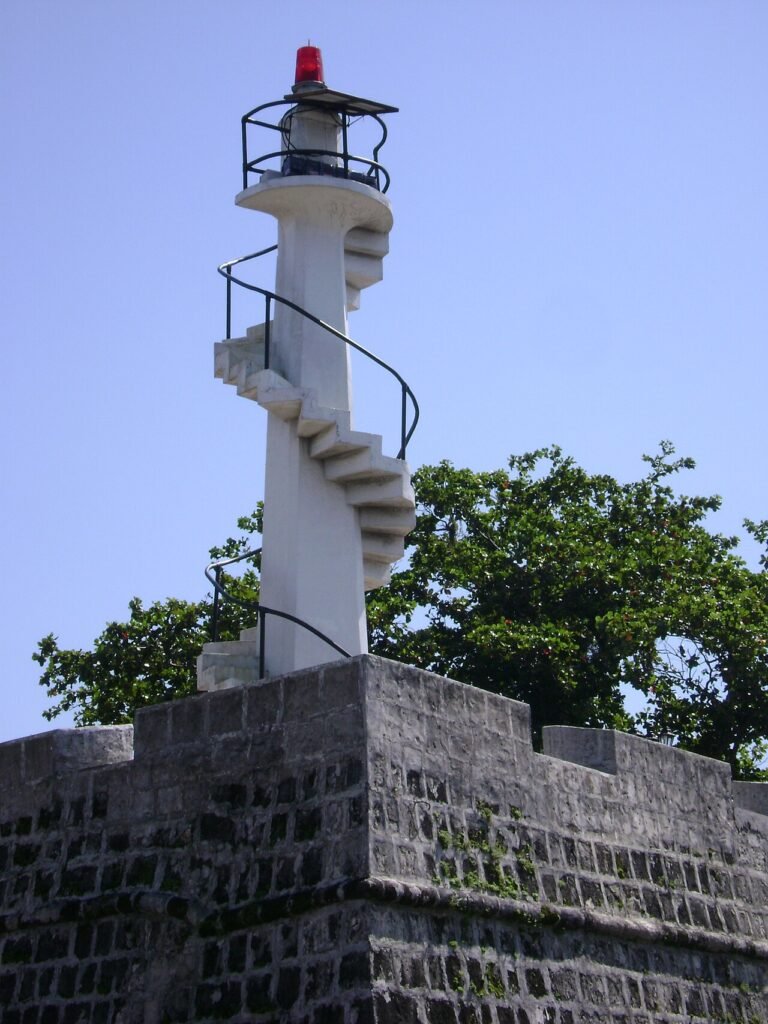
Cotta Fort is the single most important thing to do in Ozamis City and the natural starting point for any visit. Built between 1755 and 1756 under Father Jose Ducos, it’s a rectangular stone fort with four bastions named San Ignacio, San Fernando, San Jose, and Santiago, positioned right where the Ozamis port sits today. It was declared a National Historical Landmark in 2002.
Entrance is close to free, expect to pay around 5 pesos if anything at all, and the fort keeps loose hours roughly 8am to 5pm on weekdays, though locals will tell you it opens earlier and closes later most days. Give it 30 to 45 minutes to walk the walls and read the markers. Right next to it is the Cotta Shrine, home to the Feast of Our Lady of Triumph every July 16, which doubles as the city’s charter anniversary and the Subayan Keg Subanon Festival, with street parades and fireworks visible across the bay. If your trip lines up with mid July, this is worth building the whole visit around.
Cotta Beach
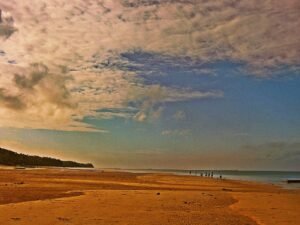
Just outside the fort walls is Cotta Beach, a narrow stretch of dark sand facing Panguil Bay. It isn’t a swimming beach in the Boracay sense, the water is calmer bay water rather than clear ocean, but it’s free, it’s five minutes from the fort, and it’s a genuinely nice spot to sit with a bottle of Coke and watch the fishing boats and the mountains of Tubod across the water at sunset. Bring a mat if you plan to stay a while, there isn’t much shade.
Rodriguez Ancestral House
A short walk from the fort is the Rodriguez Ancestral House, a classic bahay na bato with coral stone walls and capiz shell windows. Local history holds that Jose Rizal stayed here on his way to exile in Dapitan in 1892, which connects Ozamis directly to the Dapitan and Dipolog leg of a Rizal themed itinerary if you’re continuing that way. It’s a private residence in parts, so check locally whether the interior is open before planning a long stop, but the exterior alone is worth the five minute detour from the fort.
Immaculate Conception Cathedral
The seat of the Diocese of Ozamiz sits in the city center and is worth ten minutes if you’re already in the poblacion. It isn’t as ornate as the Spanish era churches in Cebu or Iloilo, but it’s an active, well kept cathedral and a useful landmark for orienting yourself in a city where street signage can be inconsistent.
Timfanel Garden
Originally a small plant nursery, Timfanel Garden has grown into a private garden and events venue with ornamental plants, a swimming pool, and function halls, roughly 15 to 20 minutes outside the city center by tricycle or habal-habal. It’s more of a half day relaxation stop than a must see landmark. If you have kids or just want a green, quiet break from the heat of the poblacion, it fits. Entrance fees run small, generally under 100 pesos, but confirm at the gate since these change.
Cobra Falls
For a genuine nature stop, Cobra Falls is a roughly 30 foot waterfall tucked into the mountains of one of Ozamis’s farthest barangays, feeding into the Bati-Bati River. It’s not built up for tourism, which is exactly the appeal if you’ve already done the bigger, busier falls elsewhere in Mindanao. Getting there takes some coordination, a habal-habal driver from the city center is the easiest way, and you should budget half a day round trip including the hike in. Wear shoes with grip, the trail can be slick after rain.
Mount Malindang Range Natural Park
Mount Malindang is the big ecological draw of Misamis Occidental, an ASEAN Heritage Park recognized in 2011 and home to species found nowhere else in the Philippines. Entrance runs around 120 pesos for regular visitors and roughly 60 pesos for seniors and PWDs. This is not a casual afternoon trip. Most of the park’s 53,000-plus hectares are genuinely unexplored, and any serious trek needs a local guide arranged in advance through the barangay or park office. If you’re not committing a full day or more, admire it from a distance and stick to the closer attractions.
Asenso Ozamiz Wellness Park
Close to the port, this is a newer public space with an amphitheater, food stalls, a children’s playground, and small handicraft shops. It’s not a major attraction on its own, but it’s a pleasant place to grab merienda and watch the port traffic, and it’s directly on the route between the port and Cotta Fort, so it costs you nothing extra to swing through.
What to Eat in Ozamis
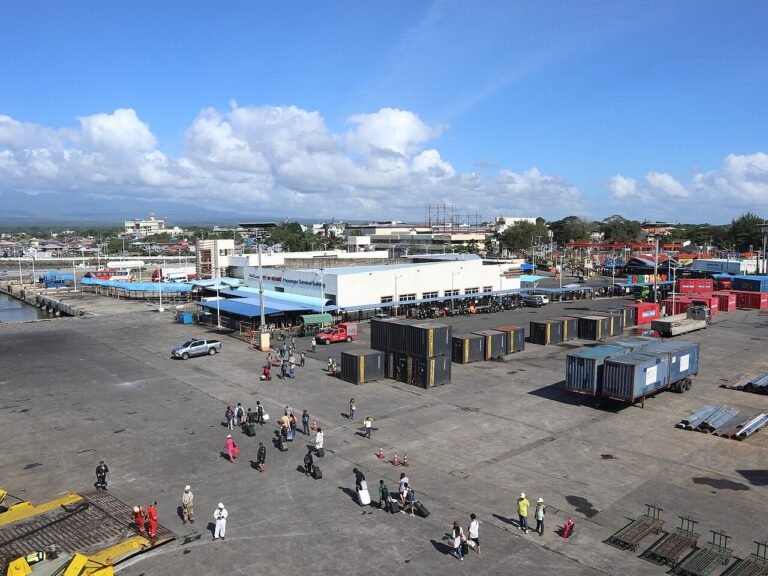
Ozamis sits on the water, so seafood is the obvious strength, look for grilled bangus, kinilaw, and whatever the morning catch happens to be at the public market near the port. Misamis Occidental is also known for its sweets and pasalubong, bring home some ampao (puffed rice candy) or the local variations on tablea chocolate if you find a vendor. A full meal at a local eatery runs roughly 80 to 150 pesos, and a proper seafood dinner at a sit down spot near the port will run somewhat more, budget around 200 to 350 pesos per person.
Where to Stay in Ozamis
Accommodation clusters around the city center and the port, which is the right area to base yourself since almost everything on this list is walkable or a short tricycle ride from there.
Budget, roughly 700 to 1,200 pesos a night gets you a clean, no frills room at a local inn or budget hotel near the poblacion. Expect fan or basic aircon, shared or simple private bath, and not much else, which is fine for a one night stop.
Mid range, around 1,500 to 2,800 pesos a night covers the better business hotels in the city center, with reliable aircon, hot water, and often breakfast included. This is the sensible bracket for most visitors.
Higher end, roughly 3,000 to 5,000 pesos a night is about the ceiling in Ozamis itself. There’s no true luxury resort tier in the city, if you want that, Cagayan de Oro or Dumaguete will serve you better, Ozamis is a practical, comfortable stop rather than a resort destination.
How to Get to Ozamis City
The easiest route is by air. Labo Airport (OZC) sits a few kilometers from the city center and takes daily flights from Manila, roughly 1.5 hours, and Cebu, roughly an hour. A tricycle or van from the airport into the city center takes about 15 to 20 minutes.
By sea, ferries connect Ozamis to Cebu and to Plaridel across the bay, useful if you’re combining this with a Visayas island hopping route rather than flying in fresh. From Cagayan de Oro or Iligan, buses and vans run regularly along the coastal highway, expect roughly 3 to 4 hours from Cagayan de Oro and around 2 hours from Iligan depending on traffic and stops.
Getting Around Once You’re There
Ozamis is compact enough that the historic core, the port, the cathedral, and the wellness park are all walkable from most city center hotels. For anything further out, Cobra Falls, Timfanel Garden, Mount Malindang, tricycles and habal-habal motorcycles are the standard transport, expect to pay roughly 15 to 30 pesos for a short tricycle ride within the city and more for anything requiring a special trip out to the falls or the park boundary. Agree on the fare before you get on for longer trips, meters are not standard here.
What a Day or Weekend in Ozamis Really Costs
For a single day covering Cotta Fort, Cotta Beach, the Rodriguez Ancestral House, the cathedral, and a seafood lunch, budget roughly 800 to 1,200 pesos per person excluding accommodation, that covers tricycle fares, entrance fees, and two meals. Add an overnight in a mid range hotel and a side trip to Cobra Falls or Timfanel Garden, and a weekend runs somewhere around 3,500 to 5,500 pesos per person for two nights, assuming you’re not splurging on the higher end hotel bracket.
Best Time to Visit
Like most of Mindanao, Ozamis sits outside the typhoon belt that hits Luzon and the Visayas harder, which makes it a reasonably safe year round destination. That said, the dry season from roughly December through May is more comfortable for walking the fort and doing the Cobra Falls hike. If you can time a visit around July 16, the Cotta Shrine feast and city charter celebration brings genuine local energy, parades, and fireworks over the bay that you won’t see the rest of the year.
What to Skip
Be honest with yourself about what Ozamis isn’t. It is not a beach destination, Cotta Beach is a pleasant sunset spot, not a swimming beach, so don’t build a trip around beach time here. Mount Malindang is not a casual half day activity, skip it unless you’re genuinely prepared for a guided multi day trek. And if you’re expecting resort level hotels, you’ll be disappointed, this is a practical, comfortable city to sleep in, not a luxury base. Treat Ozamis as a historical and cultural stop with good food, paired with Dapitan, Dipolog, or Cagayan de Oro for the rest of your Mindanao itinerary, and it earns its place.
Where Ozamis Fits in a Mindanao Itinerary
Ozamis works best as a connector rather than a standalone destination. It sits neatly between Iligan and the Zamboanga Peninsula, and it’s a short hop from Dipolog and Dapitan if you’re following the Rizal exile trail. If you’re coming from the Cagayan de Oro side, our Cagayan de Oro travel guide covers the eastern approach, and if waterfalls are the priority for your trip, Iligan’s guide to the City of Waterfalls pairs naturally with a Cobra Falls stop here. Heading further north toward Dipolog, our Dipolog travel guide picks up where this one leaves off, and if you want the fuller planning breakdown for Ozamis itself, including budgets and logistics beyond just the sights, our separate Ozamis travel guide goes deeper.
Day Trips: Dapitan and Dipolog
If you have an extra day, Ozamis makes a sensible base for a day trip to Dapitan and Dipolog, roughly 2 to 3 hours away by van or bus along the coastal highway. Dapitan is where Jose Rizal spent four years in exile, and the Rizal Shrine there is one of the better documented historical sites in Mindanao, worth pairing with the Rodriguez Ancestral House back in Ozamis for a fuller picture of Rizal’s route through the region. Dipolog, right next door, adds Dakak Beach and a livelier stretch of coastline if you want a proper swim after a few days of history and city walking. Vans leave regularly from the Ozamis terminal in the morning, and most travelers do this as a long day trip rather than an overnight, though splitting it into two nights, one in Ozamis and one in Dipolog, works just as well if you’re not in a hurry.
Ozamis Public Market and Pasalubong Shopping
The public market near the port is worth thirty minutes even if you’re not buying anything, it’s where you’ll find the freshest catch of the day, dried fish, and local produce at prices well below anything in a restaurant. For pasalubong, look for ampao, the local puffed rice candy bound with molasses, and tablea, blocks of pure local chocolate used for hot tsokolate. Vendors near the terminal and around the poblacion sell both cheaply, expect to pay somewhere around 50 to 150 pesos depending on quantity and packaging. Bargaining is normal but keep it good natured, prices here are already modest.
Money, SIM Cards and Practical Tips
ATMs are available in the city center, mainly BDO, BPI, and Landbank branches, but it’s worth carrying enough cash for a day or two since machines outside the poblacion are scarce and some smaller eateries and tricycle drivers won’t take cards at all. Globe and Smart both have decent coverage in the city itself, though signal thins out once you’re heading toward Cobra Falls or the Malindang boundary, so download offline maps before you head out that way. Most signage in the historic core is in English and Filipino, and English is widely spoken enough that language isn’t a real barrier for a short visit.
Plan Your Trip to Ozamis City
Ready to book? Compare hotels and tours in Ozamis City below.
- Search Hotels in Ozamis City on Booking.com
- Compare Hotels in Ozamis City on Agoda
- Find Tours and Activities in Ozamis City on Klook
- Book Tours in Ozamis City on GetYourGuide
Booking through these links may earn us a small commission at no extra cost to you.
Quick FAQ
Is Ozamis City safe to visit? Yes, generally. Like any Philippine city, use normal precautions at night, especially around the port area, and keep an eye on belongings in crowded market spots.
How many days do you need in Ozamis City? One full day covers the core historic sights comfortably. Two days lets you add Cobra Falls or Timfanel Garden without rushing.
What is Ozamis City known for? Cotta Fort, its Spanish colonial history, its position on Panguil Bay, and being a jump off point toward Dapitan and Dipolog.
How do you get from Ozamis to Dapitan or Dipolog? Regular buses and vans run along the coastal highway, journey time is roughly 2 to 3 hours depending on the route and stops.
Is Ozamis City worth visiting? If you want an easy going Mindanao city with real history, good seafood, and light crowds, yes. If you specifically want beaches, treat it as a stopover rather than the destination.
What is the best time of year to visit Ozamis City? December through May for drier weather, or mid July specifically for the Cotta Shrine feast and city charter celebrations.
If the security reputation is what is holding you back, read our honest assessment of whether Ozamiz City is safe for tourists before you decide.