
Most Manila day trippers know Cavite for one thing: the drive through to Tagaytay for bulalo and a view of Taal Volcano. That’s leaving most of the province unexplored. Cavite is where Philippine independence was actually declared, where a fortress island held out against a Japanese siege for months, and where waterfalls and a genuine Boracay style beach cove sit within an hour of Manila traffic. This guide covers the real things to do in Cavite beyond the Tagaytay pass through, what they cost, and how to string them into a day trip or a proper weekend.
Why Cavite Deserves More Than a Drive Through
Cavite province wraps around the southern edge of Manila Bay, close enough for a day trip but historically distinct enough to carry its own story. This is the province where Emilio Aguinaldo proclaimed Philippine independence in 1898, where the revolutionary Katipunan movement had deep roots, and where Corregidor Island, technically under Cavite City’s jurisdiction, held off Japanese forces in 1942 before falling in one of the war’s grimmest chapters. Layer on waterfalls in the uplands, a real beach cove in Ternate, and the longest road tunnel in the country, and Cavite earns a dedicated day or two rather than a highway pass through to somewhere else.
Corregidor Island
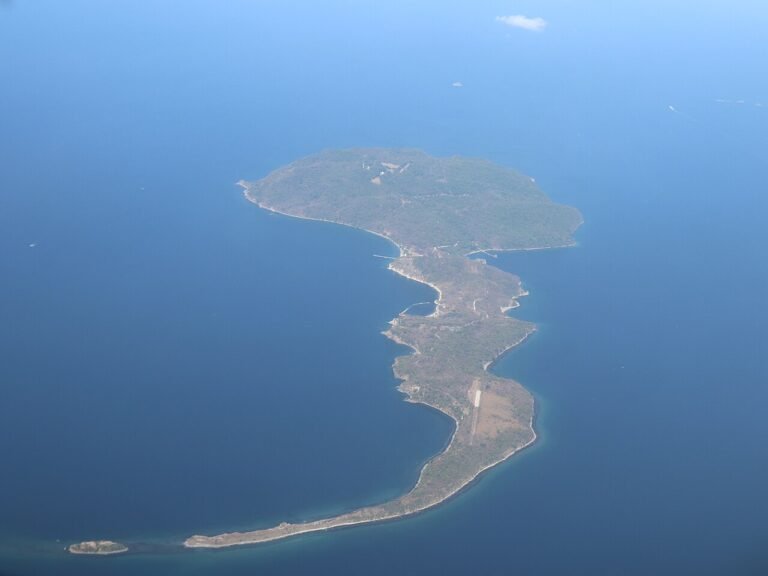
Corregidor is the single most essential stop on this list. The tadpole shaped island sits at the mouth of Manila Bay and served as the Philippines’ primary harbor defense through both World War II sieges, first the Japanese invasion in 1942, then the American recapture in 1945. You’ll walk through the ruins of Mile Long Barracks, tour the bomb proof Malinta Tunnel where wounded soldiers and civilians sheltered under fire, and see coastal artillery batteries still positioned toward the bay.
Access is by ferry from the CCP Complex or Esplanade near SM Mall of Asia in Manila, roughly 1 hour to 1 hour 15 minutes each way, with most operators running one round trip a day. Full day tour packages including the ferry, a guided tram tour of the island, and lunch typically run around 2,400 to 2,800 pesos per person. Book at least a few days ahead, especially on weekends, since capacity is limited and it’s genuinely one of the most visited historical sites in the country.
Corregidor’s Lighthouse and Topside Ruins
The restored lighthouse at Corregidor’s highest point, Topside, dates back to the Spanish era and offers one of the better panoramic views of Manila Bay you’ll find anywhere. It’s included in most guided tram tours, but if you have independent time on the island, it’s worth the climb on its own. Combine it with the Pacific War Memorial nearby, a striking domed structure built to honor Filipino and American soldiers who fought and died defending the island.
Aguinaldo Shrine, Kawit
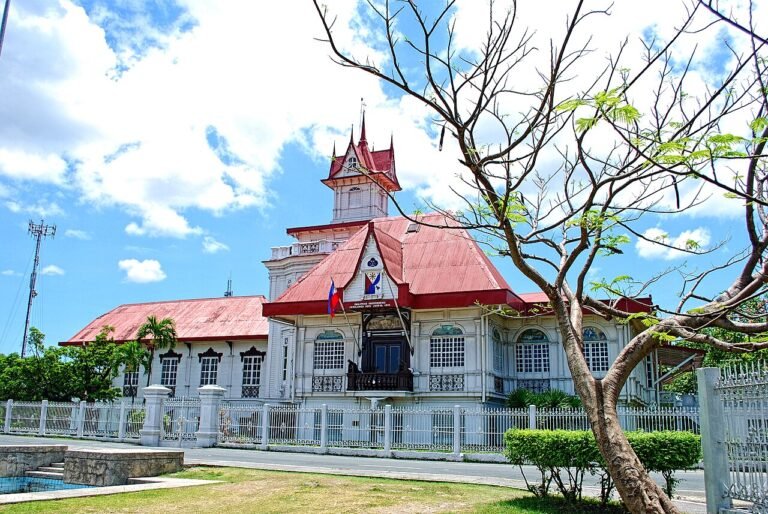
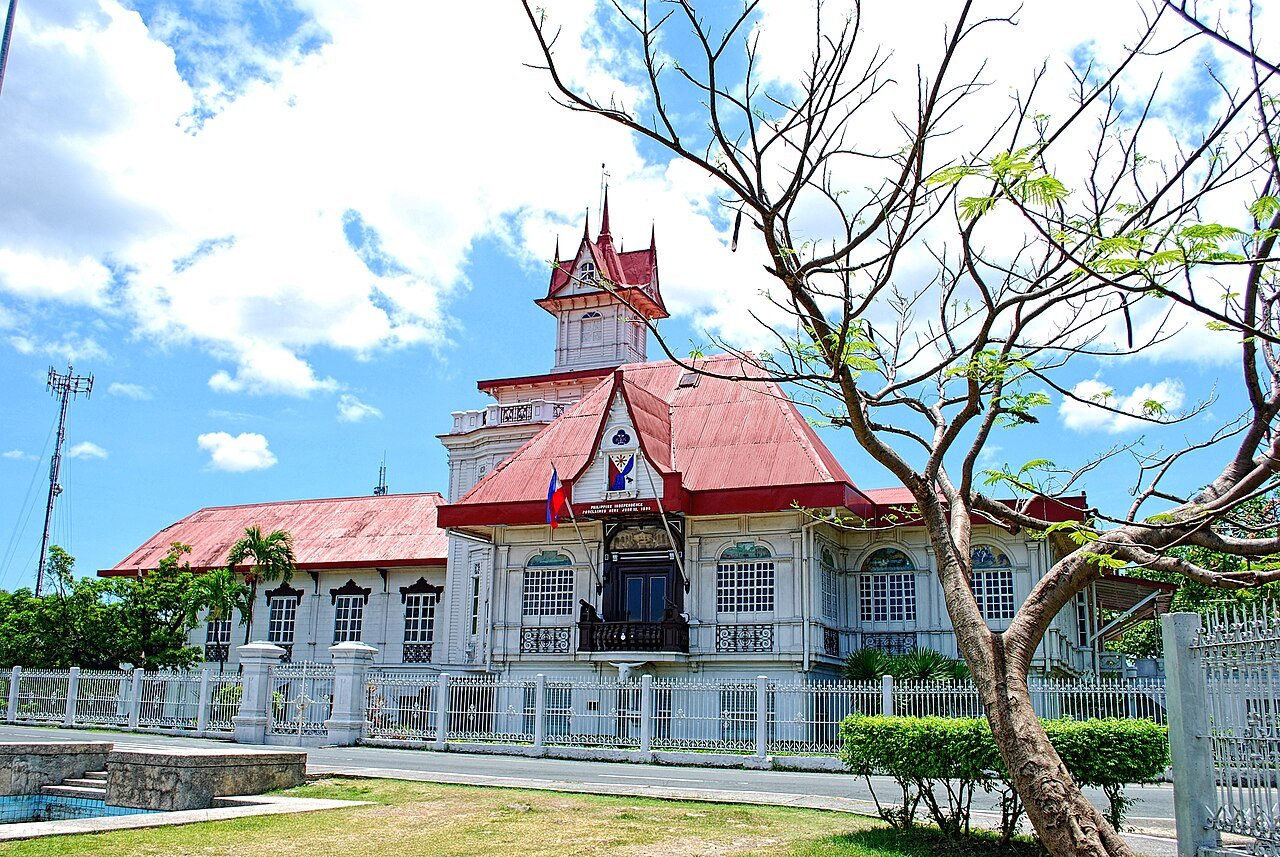
This is the actual birthplace and ancestral home of Emilio Aguinaldo, the country’s first president, and the balcony where Philippine independence from Spain was formally proclaimed on June 12, 1898. The house itself is an elaborate example of Filipino ancestral architecture, with secret passages, a hidden basement, and design details Aguinaldo himself worked into the building over decades. Entrance runs a modest fee, generally under 100 pesos, and guided tours are included. If you’re visiting anywhere close to Independence Day, expect crowds and possibly special programming.
Bonifacio Trial House, Maragondon
A more sobering historical stop: this is where Andres Bonifacio, the Katipunan’s founder, was tried and effectively sentenced to death following the internal Tejeros Convention split among revolutionary leaders. It’s a smaller, quieter site than Aguinaldo Shrine, entrance runs around 50 pesos, open roughly 8am to 4pm and closed Mondays. Worth pairing with Aguinaldo Shrine if you want the fuller, more complicated picture of the revolution’s internal politics rather than just the triumphant independence narrative.
Imus Cathedral
The Cathedral of Our Lady of the Pillar in Imus played its own role during the revolution, serving at different points as a garrison and a site of conflict between Spanish forces and Filipino revolutionaries. It remains an active, well kept church today and a useful stop if you’re routing through Imus between Manila and the more southern parts of the province.
Balite Falls, Amadeo
Tucked into a private four hectare property in the uplands, Balite Falls offers a genuinely refreshing break from the historical circuit, cold water dropping into a natural swimming pool ringed by forest. It’s less visited than Cavite’s historical sites, which means fewer crowds but also fewer amenities, bring your own supplies and expect a modest entrance and parking fee, typically well under 200 pesos combined.
Kaybiang Tunnel and Patungan Beach Cove
The Kaybiang Tunnel, connecting Ternate, Cavite to Nasugbu, Batangas, is the longest road tunnel in the Philippines at nearly a kilometer, and driving through it is a minor attraction in its own right. At the Cavite end, Patungan Beach Cove offers a small, relatively undeveloped stretch of coastline worth a stop if you’re already making the tunnel drive, though don’t expect resort infrastructure, this is closer to a scenic pull off than a full beach destination.
Boracay de Cavite, Ternate
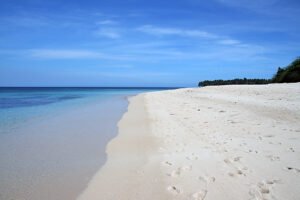
Inside the Gregorio Lim Marine Base in Calumpang, Ternate, this small cove has earned its nickname for genuinely fine white sand rare this close to Manila Bay’s usual coastline. Access requires passing through the marine base, which means checking current visitor policies before you go, military installations can change access rules without much notice. When open to visitors, it’s one of the closer approximations to a real beach day you’ll find within Cavite’s borders.
Where Tagaytay Fits In
Tagaytay is technically part of Cavite province, and most itineraries lump it in with the rest of the province by default. It deserves its own dedicated visit though, Taal Volcano views, Sky Ranch, and the cooler upland climate are a different kind of trip than the historical sites and beaches covered here. Our separate guide to things to do in Tagaytay covers that side in full, this article focuses on the parts of Cavite that get overlooked when everyone heads straight for Tagaytay.
Getting Around Cavite
Cavite is close enough to Manila, roughly 50 kilometers, that most of these sites work as day trips by private car or a hired van, about 1 to 1.5 hours depending on traffic and which part of the province you’re headed to. Public transport exists via jeepneys and buses connecting the major towns, but given how spread out the historical sites and natural attractions are, a private vehicle or an organized tour saves considerable time if you’re trying to cover more than one or two stops in a day.
Where to Stay
Most visitors day trip Cavite from Manila rather than overnighting, given the short distance. If you do want to stay, budget guesthouses in towns like Kawit or Imus run roughly 1,200 to 2,000 pesos a night, while Tagaytay’s hotel scene, ranging from budget inns to proper resort hotels with volcano views, offers considerably more range if you’re combining both halves of the province into a longer trip.
What a Day in Cavite Costs
A day trip focused on Corregidor alone, including the ferry, guided tour, and lunch, runs roughly 2,400 to 2,800 pesos per person, essentially a fixed package price. A separate day covering Aguinaldo Shrine, the Bonifacio Trial House, and Imus Cathedral by private van, including entrance fees and a driver, runs closer to 1,500 to 2,500 pesos per person depending on group size. These generally work better as two separate day trips than one combined itinerary, Corregidor’s ferry schedule doesn’t leave room to add much else to that day.
Best Time to Visit
The dry season, roughly November through May, is the more comfortable window for the Corregidor tram tour and any outdoor stops like Balite Falls or the beach coves, since heavy rain complicates both ferry crossings and rural roads. If your dates allow it, avoid Independence Day weekend, June 12, at Aguinaldo Shrine unless you specifically want to be part of the crowd and programming.
What to Skip
Don’t try to combine Corregidor with the mainland historical sites in a single day, the ferry schedule and tour length don’t leave room, and rushing the island tour defeats the point of visiting. Don’t expect Patungan Beach Cove to deliver a full beach resort day, it’s a scenic stop, not a destination beach. And check Boracay de Cavite’s access status before building a trip around it specifically, since it sits inside an active military base and rules can change.
What to Eat in Cavite
Cavite’s food scene leans into its coastal and agricultural roots. Look for kakanin, native rice cakes like sapin-sapin and kalamay, sold at roadside stalls throughout the province, and fresh seafood in the coastal towns near Ternate and Cavite City. Silang and Amadeo, in the uplands near Tagaytay, are known for their coffee, arabica grown at elevation, worth seeking out at a local roaster rather than a chain cafe if you want the actual regional specialty. A full meal at a local carinderia runs roughly 100 to 200 pesos, and a proper seafood lunch near the coast runs somewhat more, budget around 250 to 400 pesos per person.
The Katipunan and Tejeros Convention, a Deeper Look
Cavite’s role in the Philippine revolution goes beyond the independence proclamation at Kawit. The province was a Katipunan stronghold, and the Tejeros Convention held here in March 1897 was where revolutionary leadership itself fractured, with Emilio Aguinaldo elected president of the new revolutionary government over Andres Bonifacio, the movement’s founder. The fallout from that convention led directly to Bonifacio’s trial and execution, the event commemorated at the Bonifacio Trial House in Maragondon. Understanding this internal conflict, not just the external fight against Spain, adds real depth to a visit here, Cavite’s revolutionary history is genuinely more complicated and more interesting than the independence day highlight reel suggests.
A Sample Two Day Cavite Itinerary
Day one, dedicate the full day to Corregidor. Take an early ferry from Manila, spend the day on the guided tram tour covering Malinta Tunnel, the Topside ruins, the lighthouse, and the Pacific War Memorial, then return by evening ferry. This day is essentially fixed by the tour schedule, don’t try to add anything else to it.
Day two, start with Aguinaldo Shrine in Kawit in the morning, then head to Imus Cathedral, and if you have time and interest, continue to Maragondon for the Bonifacio Trial House. If you’re driving and have the afternoon free, the Kaybiang Tunnel drive toward Ternate and a stop at Patungan Beach Cove makes a scenic close to the day, or substitute Balite Falls in Amadeo if waterfalls interest you more than a coastal drive.
Money and Connectivity
ATMs are readily available in the larger towns like Imus, Dasmariñas, and Bacoor, less so in smaller municipalities like Maragondon or Ternate, so carry enough cash for a day trip into those areas. Mobile signal from Globe and Smart covers most of the province reliably given its proximity to Metro Manila, though it can thin out briefly inside Corregidor’s more remote corners and around the Kaybiang Tunnel approach.
Safety and Practical Notes
Cavite is generally safe for visitors, standard precautions around belongings apply in crowded tourist areas like Corregidor’s ferry terminal and Aguinaldo Shrine during peak visiting times. Traffic on the main roads connecting Manila to Cavite can be heavy during rush hour, factor extra time into any day trip if you’re driving yourself rather than taking an organized tour with a dedicated driver.
More of Corregidor Worth Seeing
Beyond the headline stops, Corregidor’s guided tram tour typically covers Battery Way and Battery Grubbs, two of the coastal artillery positions that once defended Manila Bay, their massive gun barrels still pointed toward the water. The Filipino Heroes Memorial, a series of dioramas depicting key moments in Philippine military history, rounds out the historical circuit. If you opt for an overnight stay on the island rather than a day trip, which some tour operators offer, an evening sound and light show at Malinta Tunnel recreates the atmosphere of the siege with narration and lighting effects inside the actual tunnel, a genuinely atmospheric way to close out a Corregidor visit if your schedule allows the extra time.
What to Pack for a Cavite Trip
For Corregidor specifically, comfortable walking shoes are essential, the tram tour includes stops that require walking over uneven historical ruins, and the island offers little shade in places. Sun protection matters more than you’d expect given how much of the tour happens outdoors in direct sun. For the waterfall and beach stops elsewhere in the province, swimwear and a change of clothes are worth bringing along, and insect repellent helps at Balite Falls given its forested setting. A light jacket is useful if you’re extending into Tagaytay afterward, since the elevation there brings noticeably cooler evenings than the Cavite lowlands.
Is Cavite Worth a Dedicated Trip?
If your only exposure to Cavite has been the highway through to Tagaytay, it’s worth treating the province as a destination in its own right at least once. Corregidor alone delivers one of the more affecting historical experiences available within a short trip of Manila, and the independence era sites in Kawit and Maragondon fill in a part of Philippine history that tends to get flattened into a single triumphant date on the calendar. Pair a Corregidor day with a mainland historical day, and Cavite earns a weekend rather than a drive through footnote on the way somewhere else.
Combining Cavite With Other Nearby Destinations
Cavite’s location makes it a natural add on rather than an isolated destination. Batangas sits just across the Kaybiang Tunnel, making a combined Cavite and Batangas coastal loop possible for travelers with a rental car and a few extra days. Manila’s own historical sites, particularly Intramuros and Fort Santiago, pair thematically with Corregidor and Aguinaldo Shrine if you want a fuller Philippine revolutionary and wartime history circuit rather than treating each stop in isolation. For most visitors, though, Cavite works best as its own dedicated one or two day trip from a Manila base, rather than folded into a longer multi province itinerary.
Quick FAQ
How do you get to Corregidor Island? Ferry from the CCP Complex or Esplanade near SM Mall of Asia in Manila, roughly 1 to 1.25 hours each way, with most operators running one round trip daily.
How many days do you need in Cavite? One day covers Corregidor. A second day covers the mainland historical sites and, if time allows, Balite Falls or the Kaybiang Tunnel drive.
Is Cavite worth visiting beyond Tagaytay? Yes, Corregidor and Aguinaldo Shrine alone justify a dedicated trip, and most visitors who only pass through to Tagaytay miss the province’s actual historical core.
What is Cavite known for? The proclamation of Philippine independence at Aguinaldo Shrine, Corregidor Island’s World War II history, and its role as a center of the revolution against Spain.
Is Corregidor Island safe to visit? Yes, it’s a well established, heavily visited tourist site with regulated tour operators and marked paths.
What’s the best time of year to visit Cavite? November through May for drier weather and calmer ferry crossings to Corregidor.
Continue Planning Your Trip
Cavite pairs naturally with a Manila stopover and a Tagaytay day trip. See Top Things to Do in Manila, browse more things to do across the Philippines, or check travel tips for routes and costs before you go.
More Philippines Destinations to Explore
Worth adding to a longer Philippines trip: