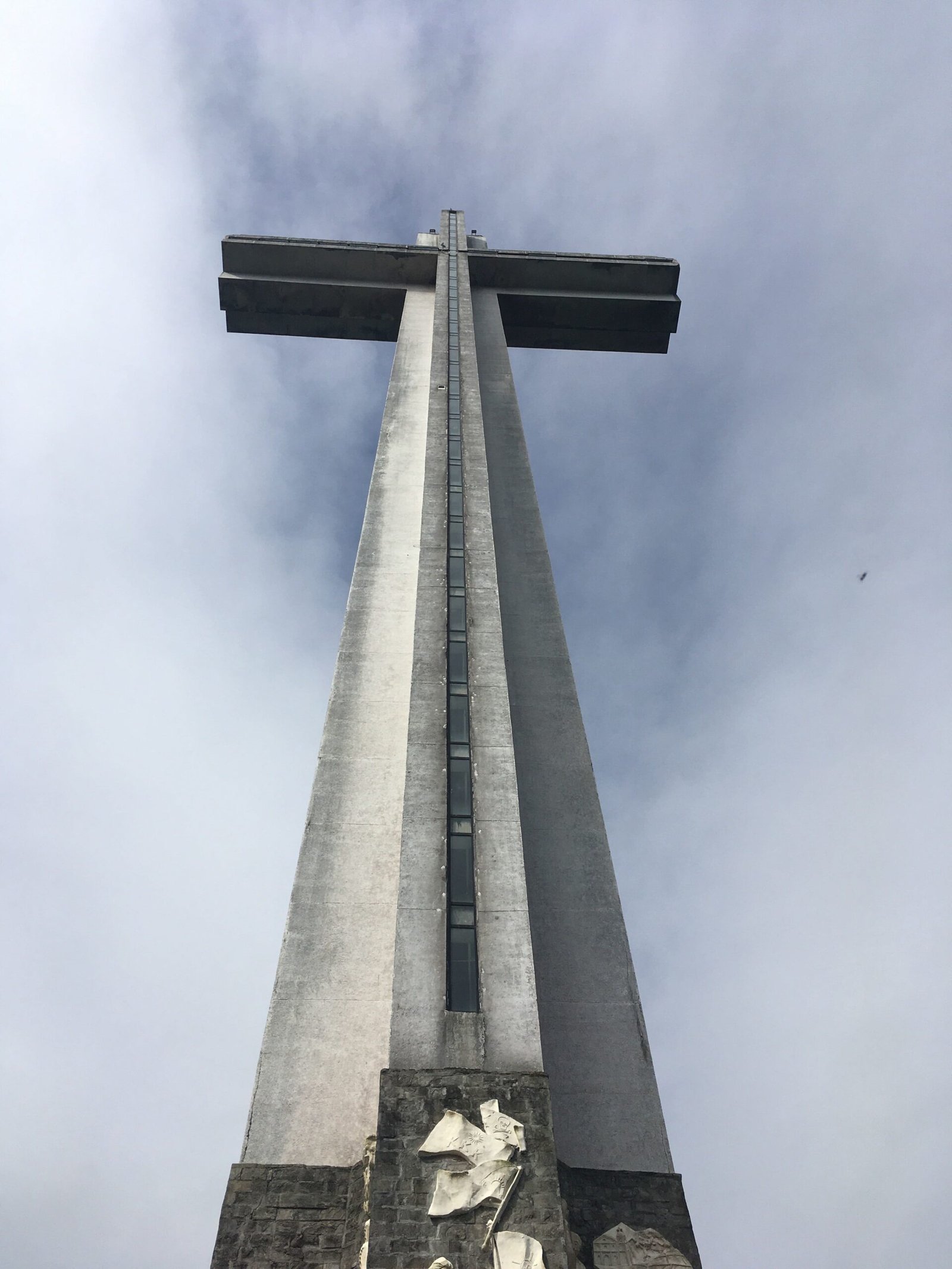

Bataan sits across Manila Bay from the capital, close enough for a day trip and dense enough with history to fill several. The province is best known as the site of the Battle of Bataan and the Bataan Death March, one of the defining events of World War II in the Pacific, and it wears that history openly through memorials, museums and preserved sites scattered across its towns. Beyond the history, Bataan also offers a reconstructed heritage town built from relocated colonial mansions, quiet beaches along its western coast, and the still-standing fortifications of Corregidor Island just offshore.
This guide covers the best things to do in Bataan, how to get there, when to visit, and what to budget, whether you are coming for a single day or a longer weekend.
Why Bataan Is Worth the Trip
Bataan offers a combination that few provinces near Manila can match: serious historical weight alongside genuine relaxation options. Mount Samat and the Death March markers give the province real significance for anyone interested in Philippine and World War II history, while Las Casas Filipinas de Acuzar and the beaches around Bagac and Morong give it a lighter, resort-style side. Add Corregidor Island, reachable either from Manila directly or as part of a Bataan itinerary, and you get one of the most historically dense small regions in the country packed into a single trip.
Getting to Bataan from Manila
Bataan is reachable by land in a few hours, making it workable as a long day trip or a more relaxed overnight stay.
- By bus: Several operators, including Genesis, Bataan Transit, Sinulog and Victory Liner, run routes from Manila to Balanga and other Bataan towns, with the trip taking roughly 3 hours depending on traffic and destination.
- By private car: Driving gives you the most flexibility for visiting spread out sites like Mount Samat, Las Casas and the western beaches in one trip, with travel time similar to the bus depending on the route and time of day.
- By organized tour: Several operators run day tours from Manila hotels covering the main WWII sites in a single guided trip, useful if you would rather not plan the logistics of visiting multiple spread-out memorials yourself.
Corregidor Island is a separate case: most visitors reach it directly by ferry from Manila rather than from mainland Bataan, since the standard tour operator runs from a terminal in Manila. Service has been inconsistent since the pandemic, so it is worth confirming current schedules and availability before building a trip around it.
Top Things to Do in Bataan
1. Visit Mount Samat Shrine
Mount Samat is the central WWII memorial in Bataan, built around a massive cross memorial and museum honoring the Filipino and American soldiers who fought and died defending Bataan. A paved, roughly hour-long walk leads up to the base of the cross, from which you get a panoramic view stretching over Corregidor Island, Manila Bay and the surrounding mountains on a clear day. The shrine becomes a major gathering point each April 9 for Araw ng Kagitingan, or Day of Valor, commemorating the fall of Bataan.
2. Walk Through Las Casas Filipinas de Acuzar
Las Casas Filipinas de Acuzar in Bagac is the most visited attraction in Bataan and a genuinely unusual one: a collection of 22 colonial era mansions relocated piece by piece from around the Philippines and reassembled into a walkable heritage town. Guided tours take you through the old houses, and the grounds also include a man-made lake with boat rides, traditional games, and a beach area for visitors who want to combine the history with some downtime. Many visitors stay overnight in one of the restored houses turned into hotel rooms, which gives you a very different experience of the site once the day-trip crowds leave.
3. Follow the Bataan Death March Route
The Bataan Death March, the forced transfer of tens of thousands of Filipino and American prisoners of war in 1942, is marked along its original route by kilometer markers starting at KM 00 in Mariveles. Following even a portion of the route, or simply stopping at a handful of markers and monuments including the First Line of Defense Monument at Layac Junction, gives a sense of the scale of the event in a way that a single museum stop does not fully capture. A guided WWII history tour is worth considering if you want context at each stop rather than driving between markers on your own.
4. Explore the WWII Museum in Balanga
Balanga, the capital of Bataan, holds a small WWII museum housed within an elementary school, displaying old photographs and a diorama depicting scenes from the Death March. It is a modest stop compared to Mount Samat, but a worthwhile addition if you are building a full day around the WWII history of Bataan rather than a single stop.
5. Take a Day Trip to Corregidor Island
Corregidor Island, the fortified island that served as the last stand of Allied forces in the Philippines before Japanese occupation, sits a short ferry ride from Manila and is often paired with a Bataan trip for visitors deeply interested in the WWII history of the region. Tours typically include a tram ride around the batteries and tunnels of the island, a stop at the Malinta Tunnel for a light and sound show recounting the siege, and a lunch stop. Because ferry service to Corregidor has been inconsistent since the pandemic, confirm current schedules before committing this to your itinerary.
6. Relax on the Beaches of Bagac and Morong
The western coast of Bataan, facing the South China Sea, rather than Manila Bay, holds a string of beach resorts around Bagac, Morong and the Camaya Coast area. These are generally quieter and less developed than beach destinations further from Manila, and many resorts offer day-use passes if you want beach time without booking an overnight stay. This is a good way to balance out a trip that otherwise leans heavily on history and memorials.
Best Time to Visit Bataan
The dry season from November through May offers the most comfortable conditions for the walking involved at Mount Samat and around Las Casas. If your interest is specifically the WWII history, visiting around April 9, Araw ng Kagitingan, gives you the chance to see the annual commemoration at Mount Samat, though this also means larger crowds at the shrine that day. Outside of that specific date, Bataan does not see the same weekend crowding pressure that some other nearby provinces do, making it a reasonably relaxed destination most of the year.
What to Budget
Rough per-person planning numbers for Bataan:
- Transport from Manila: bus fares run modestly, roughly a few hundred pesos each way, with private car or organized tour options costing more
- Mount Samat entrance: a modest entrance fee applies, generally in the range of a hundred pesos or less
- Las Casas Filipinas de Acuzar: day pass entrance fees run higher, with additional costs for boat rides, overnight rooms and other add-on activities
- Corregidor Island tour: full day tours including boat transfer, guide, entrance and lunch typically run around 4,000 to 5,000 pesos per person
- Beach day use: resort day passes along Bagac and Morong vary by property, generally moderate compared to more developed beach destinations
Sample Itinerary
1 Day Trip
Focus on one theme. A WWII history day covers Mount Samat and a stop or two along the Death March route, while a relaxation day covers Las Casas Filipinas de Acuzar with time at its beach area.
2 Days, 1 Night
Day one for Mount Samat and the Balanga WWII museum, overnight at Las Casas Filipinas de Acuzar or a beach resort in Bagac. Day two for a relaxed morning at the beach or exploring more of Las Casas before heading back to Manila.
Practical Tips for Bataan
- Confirm Corregidor Island ferry schedules well ahead of your trip, since service has been inconsistent since the pandemic and availability varies by date.
- Wear comfortable walking shoes for Mount Samat, since the path to the cross monument, while paved, still involves a real uphill walk.
- If visiting around April 9 for Araw ng Kagitingan, expect larger crowds at Mount Samat and plan for extra travel time.
- Book an overnight room at Las Casas Filipinas de Acuzar well in advance if you want to experience the site after day-trip crowds leave, since rooms are limited and popular on weekends.
- Bring cash for smaller sites and roadside stops along the Death March route, where card payment is not available.
A Closer Look at Las Casas Filipinas de Acuzar
What makes Las Casas different from a typical heritage park is that every building on the property is a genuine historical structure, dismantled from its original location elsewhere in the Philippines and rebuilt piece by piece in Bagac rather than constructed as a replica. The result is a working town of colonial era homes, churches and public buildings that visitors can walk through, many of which now function as boutique hotel rooms, restaurants or small exhibits. A calesa, or horse-drawn carriage, ride through the property is a popular way to see the layout without walking the full grounds, and the on-site restaurant serves Filipino and Spanish colonial-era inspired dishes that fit the setting. Given the scale of the property, allocate at least half a day if you want to see more than the highlights.
Understanding the Bataan Death March
The Bataan Death March took place in April 1942, after the fall of Bataan to Japanese forces, when tens of thousands of Filipino and American prisoners of war were forced to march roughly 100 kilometers from Mariveles to a rail station in San Fernando, Pampanga, under brutal conditions that killed thousands along the way. The kilometer markers that dot the route today, starting at KM 00 in Mariveles, mark this history in a way that is easy to drive past without noticing unless you know what to look for. If this history interests you, a guided tour is worth the cost, since a local guide can point out markers and context that are easy to miss traveling independently.
Where to Stay in Bataan
Las Casas Filipinas de Acuzar offers the most distinctive overnight option in the province, with rooms inside restored colonial mansions that put you inside the attraction itself rather than a short drive away. Balanga has a modest selection of standard hotels if you would rather have a central base for visiting Mount Samat and the WWII sites. The beach towns of Bagac and Morong also have resort accommodation options, generally quieter and simpler than beach destinations further from Manila, and a reasonable choice if relaxation matters as much as sightseeing on your trip.
Combining Bataan With Corregidor
Because Corregidor tours generally depart from Manila rather than from Bataan itself, combining both destinations usually means treating them as two separate trips rather than one continuous itinerary, unless you are working with a private tour operator willing to arrange a custom route. Some visitors choose to do Corregidor as a standalone day trip from Manila before or after a separate multi-day Bataan trip, which avoids the logistical complexity of trying to connect the island to the mainland province directly. If Corregidor is a priority, book it as its own outing and treat Bataan as a separate weekend.
Plan Your Trip to Bataan
Ready to book? Compare hotels and tours in Bataan below.
- Search Hotels in Bataan on Booking.com
- Compare Hotels in Bataan on Agoda
- Find Tours and Activities in Bataan on Klook
- Book Tours in Bataan on GetYourGuide
Booking through these links may earn us a small commission at no extra cost to you.
More Bataan Guides
Planning the rest of your trip? Check out our full travel guide for logistics, costs and practical tips.
Quick FAQ
How many days do you need in Bataan?
A single day trip covers one main theme, either WWII history or a Las Casas and beach day. Two days allows you to combine both without rushing.
How do you get to Bataan from Manila?
Take a bus from Manila to Balanga or another Bataan town, roughly 3 hours depending on traffic, or drive or join an organized day tour covering the main WWII sites.
Is Corregidor Island part of Bataan?
Geographically it sits near Bataan and figures heavily into the same WWII history, but most tours depart directly from Manila rather than from the Bataan mainland, so it is usually treated as a separate trip.
What is the best time to visit Bataan?
November through May offers the most comfortable weather for walking at Mount Samat and around Las Casas. April 9 draws larger crowds to Mount Samat for the annual Day of Valor commemoration.
Is Las Casas Filipinas de Acuzar worth an overnight stay?
Yes, if your schedule allows it. Staying overnight lets you experience the reconstructed heritage town after day-trip crowds have left, which is a noticeably different experience than a single day visit.