
Tarlac sits in the heart of Central Luzon, a province most travelers pass through on the way to Baguio or Mount Pinatubo rather than a destination in its own right. That reputation undersells it. Tarlac holds the actual jump-off point for Mount Pinatubo treks, a hilltop monastery with a genuinely striking mountain drive, one of the most significant World War II memorial sites in the country, and a serious backcountry hike for anyone who wants something more demanding than the usual day trip trail.
This guide covers the best things to do in Tarlac, how to get there, when to visit, and what to budget, whether you are passing through or making it the main stop.
Why Tarlac Is Worth the Trip
Tarlac works because it sits at a genuine crossroads of history, nature and quiet reflection. Capas National Shrine anchors the WWII history of the province with one of the most substantial memorial sites in the country, built around a 73 meter obelisk on more than 50 hectares of grounds. Monasterio de Tarlac offers a hilltop religious retreat with a scenic mountainside drive to reach it. Santa Juliana in Capas remains the standard jump-off point for the Mount Pinatubo crater lake trek, even though the volcano itself sits across the Tarlac, Zambales and Pampanga border. And Mount Damas gives serious hikers a genuinely difficult trek that stays well off the typical tourist circuit.
Getting to Tarlac from Manila
Tarlac sits along the main routes north out of Manila, making it straightforward to reach by several methods.
- By bus: Buses bound for Tarlac City, Baguio or Dagupan from Cubao or Pasay terminals, including Victory Liner and Five Star, pass directly through Tarlac, with travel time to Tarlac City running roughly 2 to 3 hours depending on traffic.
- By private car: Take NLEX, then SCTEX toward Tarlac, with total drive time similar to the bus depending on traffic and your specific destination within the province.
- For Mount Pinatubo specifically: Head to Capas, then continue to Barangay Santa Juliana, the official jump-off point, where you register, pay the environmental fee, and arrange the 4×4 transport that takes you closer to the trailhead.
Top Things to Do in Tarlac
1. Hike to the Mount Pinatubo Crater Lake via Santa Juliana
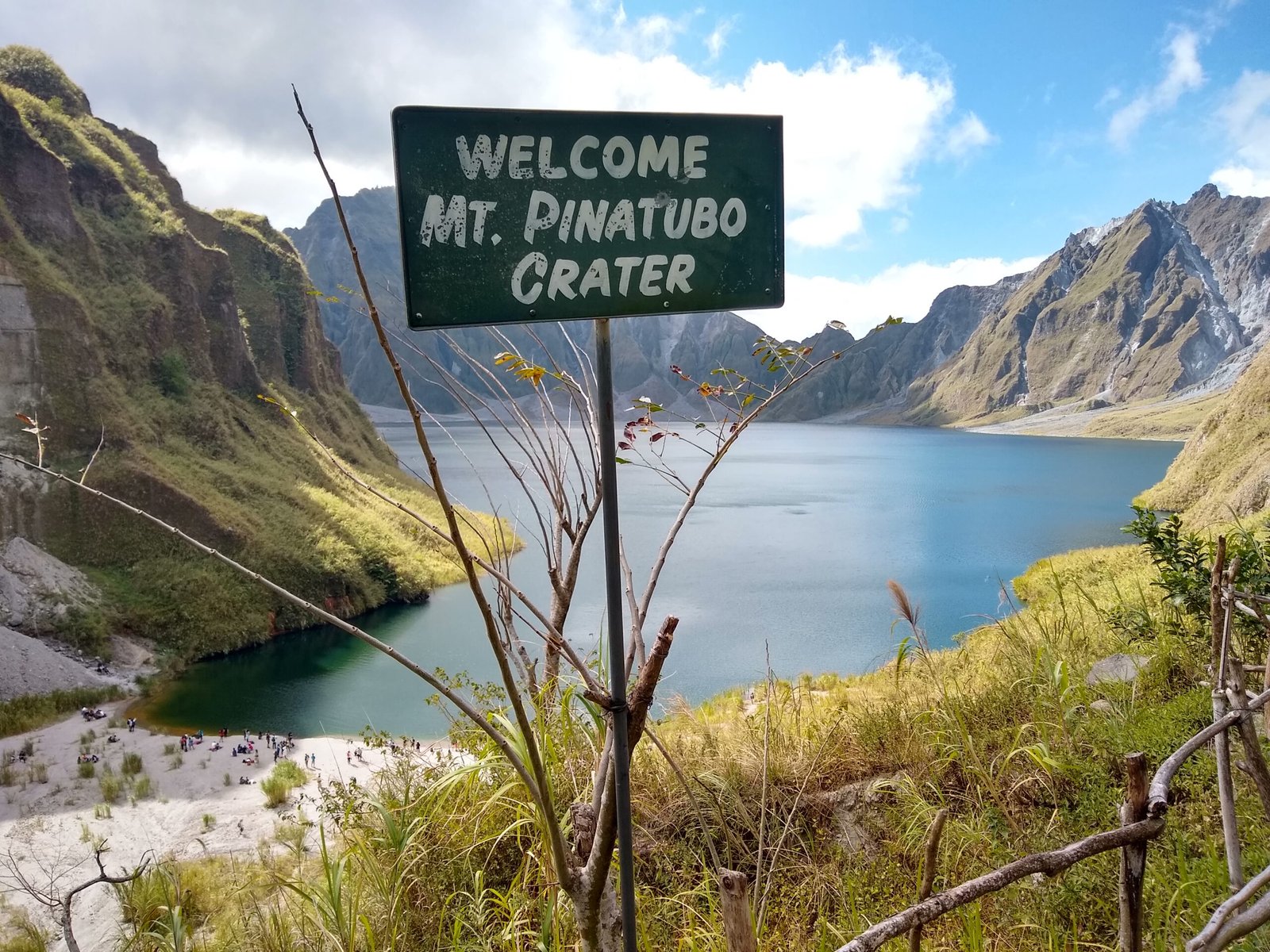
The famous Mount Pinatubo crater lake, formed after the catastrophic 1991 eruption of the volcano,, is reached through Barangay Santa Juliana in Capas, Tarlac, the only officially operational jump-off point for the trek. Visitors register and pay an environmental fee at the tourism office before taking a 4×4 across a lahar-carved landscape to the base of the final hiking trail, which leads up to a turquoise crater lake ringed by steep volcanic walls. The full round trip, including the 4×4 ride and the hike itself, typically takes most of a day. Given how much of the experience depends on the 4×4 and trail conditions, book through a registered tour operator or coordinate directly with the Santa Juliana tourism office rather than arriving without arrangements.
2. Visit Capas National Shrine
Capas National Shrine marks the site of the former Camp O’Donnell, the final destination of the Bataan Death March, where thousands of Filipino and American prisoners of war died in captivity after already surviving the brutal march itself. The shrine covers more than 50 hectares and centers on a 73 meter obelisk visible from a distance, surrounded by expansive memorial grounds. It is a solemn, significant stop for anyone tracing the broader WWII history of Central Luzon, and pairs naturally with a visit to Mount Samat in neighboring Bataan if you are covering the full story of the campaign.
3. Drive Up to Monasterio de Tarlac
Monasterio de Tarlac sits on a hilltop reached by a roughly hour long drive along a winding mountainside road, and the destination itself, a monastery said to house a relic believed to be a fragment of the True Cross, draws both religious pilgrims and visitors simply looking for the view. The grounds are quiet and well maintained, with gardens suited to a slow walk, and the drive up rewards you with sweeping views over the surrounding region. Daily masses are open to visitors who want to take part rather than simply tour the grounds.
4. Explore the Heritage Sites of Tarlac City
Tarlac City itself holds a handful of worthwhile heritage stops for a shorter, lower effort visit. The Tarlac Provincial Capitol, built in the early 1900s, is worth a look for its historic facade and a hall displaying portraits of past governors on its second floor, especially attractive lit up at night. The Aquino Ancestral House in nearby Concepcion, tied to the family of national hero Ninoy Aquino, and the Aquino Center and Museum at Hacienda Luisita round out a heritage focused day for visitors interested in this chapter of Philippine political history.
5. Take on Mount Damas for a Serious Trek
Mount Damas, near the border of the Tarlac towns of Mayantoc, Camiling and San Clemente, has earned a reputation as a minor climb with major difficulty. At just over 680 meters, it does not sound imposing on paper, but the trail mixes steep ascents, river crossings and dense forest that make it a genuine test even for experienced hikers. The mountain sits within Aeta ancestral territory, and coordinating with the local guide association and registering at the barangay hall before starting is both a practical safety measure and a matter of respect for the community that manages and protects the area. This is not a casual day trip destination, but a serious option for hikers looking for something beyond the standard tourist trail.
Best Time to Visit Tarlac
The dry season from November through May is the only realistic window for the Mount Pinatubo trek and the Mount Damas hike, since both rely on river crossings and trail conditions that become unsafe during heavy rain. Capas National Shrine and Monasterio de Tarlac are less weather dependent and can reasonably be visited year round, though the dry season still makes for a more comfortable visit overall given the amount of walking involved at both sites.
What to Budget
Rough per-person planning numbers for Tarlac:
- Transport from Manila: roughly 300 to 600 pesos each way by bus, more for a private car factoring in toll costs
- Mount Pinatubo trek: package pricing including the 4×4 ride, guide and environmental fee typically runs in the range of 1,500 to 3,000 pesos per person depending on group size and operator
- Capas National Shrine: a modest entrance fee applies
- Monasterio de Tarlac: generally free to visit, though donations are welcomed
- Mount Damas trek: costs vary depending on guide fees arranged through the local association, generally modest but essential to budget for given the requirement to hike with a local guide
Sample Itinerary
1 Day Trip
Pick one anchor. A Mount Pinatubo trek fills most of a day on its own given the 4×4 transfer and hike combined. Alternatively, combine Capas National Shrine with Monasterio de Tarlac for a history and reflection focused day.
2 Days, 1 Night
Day one for Mount Pinatubo, overnight in Tarlac City or Capas. Day two for Capas National Shrine and Monasterio de Tarlac, or a Tarlac City heritage circuit if you would rather stay closer to the city.
Practical Tips for Tarlac
- Book Mount Pinatubo trek logistics ahead through a registered operator or directly with the Santa Juliana tourism office, since the 4×4 transport is not something you can easily arrange on the spot.
- Bring cash for Santa Juliana registration fees and smaller stops throughout the province, where card payment is inconsistent.
- If attempting Mount Damas, register with the barangay hall and hire a local guide rather than attempting the trail independently, both for safety and out of respect for the Aeta community that manages the area.
- Wear proper hiking shoes for both Mount Pinatubo and Mount Damas, since both trails involve uneven, sometimes slippery terrain.
- Check weather conditions before committing to either trek during shoulder season months, since river crossings on both trails become genuinely unsafe after heavy rain.
A Closer Look at Capas National Shrine
Camp O’Donnell, the site now occupied by Capas National Shrine, served as the endpoint of the Bataan Death March in April 1942, and conditions inside the camp in the months that followed were, by many historical accounts, as deadly as the march itself due to disease, malnutrition and mistreatment. The shrine today functions as both a memorial and a quiet public park, with wide green grounds that make it a place for reflection rather than a dense museum experience. A small on-site museum adds historical context for visitors who want more than the monument itself provides, and the scale of the grounds means a visit here, unlike a quick photo stop, benefits from setting aside a genuine hour or more.
Planning Around the Mount Pinatubo Trek
Because the Mount Pinatubo crater lake trek depends heavily on 4×4 availability and trail conditions at Santa Juliana, it is worth building some flexibility into your schedule rather than treating it as a rigid appointment. Weekday visits tend to be quieter and involve less waiting for 4×4 transport than weekends, when the trailhead draws significantly more visitors. Bring sun protection and enough water for the trek itself, since much of the trail crosses open, exposed terrain with little shade until you approach the crater rim.
Food and Local Products
Tarlac is part of the sugar-producing belt of Central Luzon, and the province has a long agricultural history tied to sugarcane and rice farming that still shapes much of the landscape you pass through on the drive north. Tarlac City has a reasonable spread of casual restaurants for a meal between stops, and roadside stalls throughout the province sell local produce and snacks worth a quick stop if you are driving through rather than stopping specifically for a meal. If you visit Hacienda Luisita, the surrounding commercial area has a wider range of dining options, including several familiar chain restaurants alongside local establishments.
Where to Stay in Tarlac
Tarlac City has the widest range of accommodation in the province, from budget inns to business-style hotels, and works as a sensible base for visiting Capas National Shrine, Monasterio de Tarlac and the heritage sites in the city itself. Capas itself has a smaller selection of guesthouses closer to the Santa Juliana jump-off point, useful if you want an early start on the Mount Pinatubo trek without a long drive beforehand. Given that most visitors treat Tarlac as either a day trip or a one-night stopover on the way further north, overnight options here tend to be simpler and more functional than resort-style, with the focus on convenience rather than destination-level accommodation.
Combining Tarlac With Nearby Provinces
The position of Tarlac along the main route north makes it a natural stop to combine with a longer trip toward Baguio or the Ilocos region, particularly if you are driving rather than flying. Some travelers break up a longer northbound trip with a stop at Capas National Shrine or Monasterio de Tarlac before continuing on, which spreads out a long drive and adds a meaningful stop rather than treating Tarlac purely as a highway pass-through. If Mount Pinatubo is your priority, note that Pampanga also markets itself around the volcano given its proximity, but Santa Juliana in Capas, Tarlac remains the official and most established jump-off point for the crater lake trek itself.
Plan Your Trip to Tarlac
Ready to book? Compare hotels and tours in Tarlac below.
- Search Hotels in Tarlac on Booking.com
- Compare Hotels in Tarlac on Agoda
- Find Tours and Activities in Tarlac on Klook
- Book Tours in Tarlac on GetYourGuide
Booking through these links may earn us a small commission at no extra cost to you.
More Tarlac Guides
Planning the rest of your trip? Check out our full travel guide for logistics, costs and practical tips.
Quick FAQ
How many days do you need in Tarlac?
A single day trip covers one main anchor, most commonly the Mount Pinatubo trek. Two days allows you to add Capas National Shrine and Monasterio de Tarlac without rushing.
How do you get to Mount Pinatubo from Manila?
Take a bus or drive to Capas, Tarlac, then continue to Barangay Santa Juliana, the official jump-off point, where you register and arrange 4×4 transport to the trailhead.
Is Tarlac good for a day trip?
Yes, particularly for the Mount Pinatubo trek, which most visitors treat as a single long day trip from Manila given the 2 to 3 hour drive each way.
What is the best time to visit Tarlac?
November through May, during the dry season, offers the only realistic window for the Mount Pinatubo and Mount Damas treks, both of which involve river crossings that become unsafe in heavy rain.
Do you need a guide for Mount Damas?
Yes. The trail passes through Aeta ancestral territory, and hikers are expected to register at the barangay hall and hire a local guide before starting, both for safety and out of respect for the community managing the area.