
Pampanga carries two reputations that rarely go together: it is the Culinary Capital of the Philippines, and it is also home to one of the country’s most dramatic hiking destinations, the crater lake left behind by Mount Pinatubo’s catastrophic 1991 eruption. Add Clark’s cluster of family attractions, a genuine heritage food scene in Angeles City and San Fernando, and the country’s biggest Christmas lantern festival, and you have a province that rewards a proper multi day visit rather than the quick food stop most travelers give it on the way north.
Mount Pinatubo: The Trek That Defines Pampanga
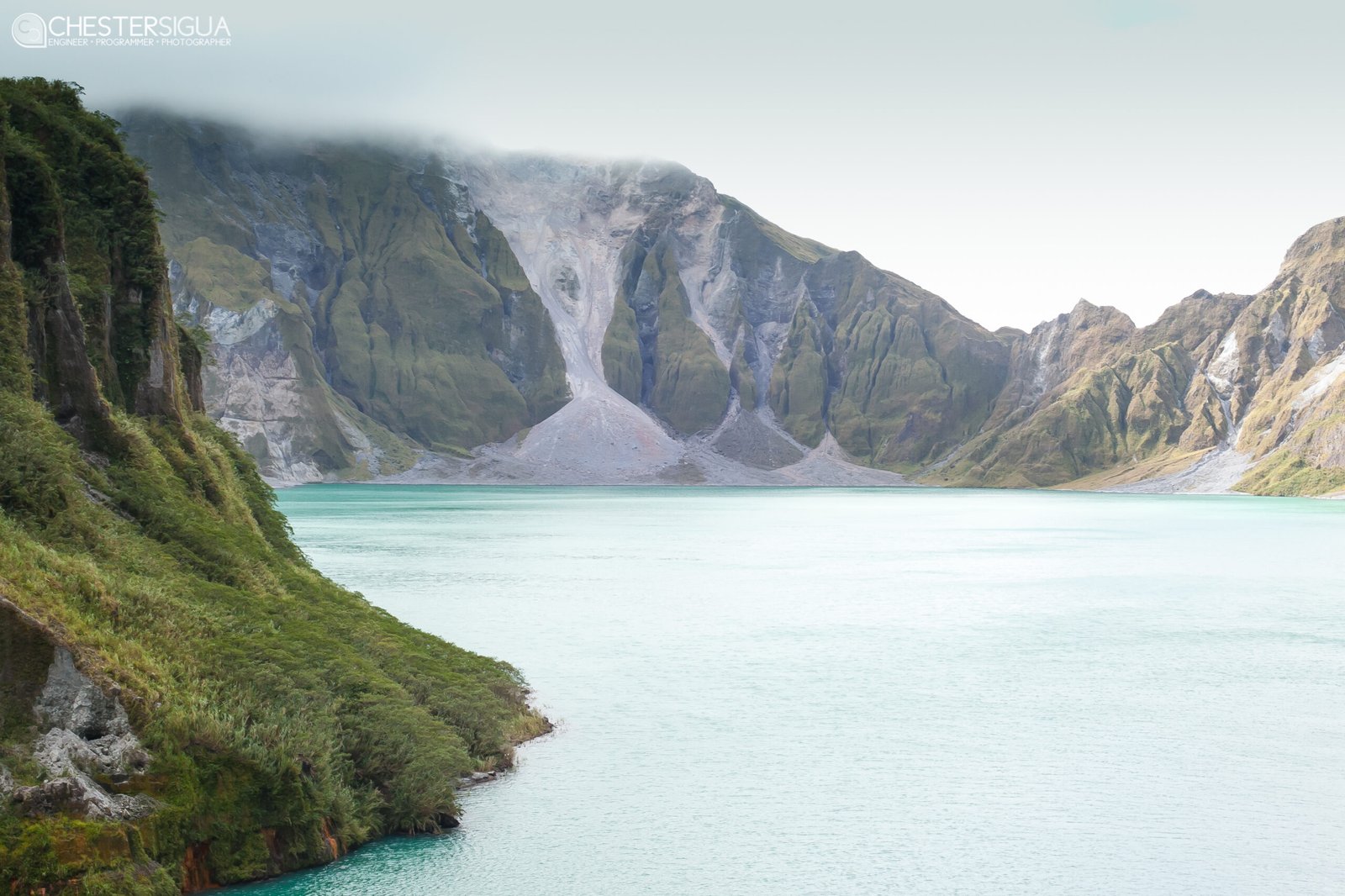
Mount Pinatubo’s 1991 eruption was one of the largest volcanic events of the twentieth century, and the crater it left behind has since filled with a strikingly turquoise lake that draws hikers from across the country. Most tours depart around 5am with pickup from Clark or Angeles City, since the full door to door experience runs six to eight hours and an early start matters both for weather and for beating the crowds to the crater rim.
The trek itself starts with a genuinely thrilling 4×4 ride across Crow Valley, a stretch of moon-like terrain shaped by decades of ash fall and lahar flows, crossing rocky riverbeds that shift with every rainy season. From the drop off point, the hike up to the crater is moderate rather than technical, climbing through sandy cliffs and volcanic terrain before opening onto the crater lake itself, a payoff that consistently ranks among the more dramatic views in the country. November through May is the reliable window for the trek; the rainy season from June through September brings a real risk of the route closing entirely due to flash flooding in the valley approach.
The crater lake itself changes character depending on when you catch it. Early arrivals often find the water perfectly still, mirroring the surrounding crater walls before the wind picks up later in the morning, and the color shifts from a deep teal to a brighter turquoise as the sun climbs higher. Swimming is generally allowed in designated areas, and after the hike in, most visitors take the opportunity, though the water stays cool year round given the altitude. Guides typically build in thirty minutes to an hour at the crater before starting the return trip, so it is worth asking your tour operator about extending that window slightly if photos and a proper swim matter to you.
Clark: Museums, Theme Parks and Family Attractions
Clark Freeport Zone, roughly two hours from Metro Manila via NLEX, has developed into Pampanga’s main hub for attractions that do not require a full day commitment the way Pinatubo does. Nayong Pilipino and the Clark Museum give a compact, indoor introduction to Philippine history and culture, a useful stop if you are traveling with kids or simply want a break from the heat. For families specifically, Aqua Planet’s water park attractions, Zoocobia’s animal encounters, and Dinosaurs Island’s life sized dinosaur exhibits give younger visitors plenty to do without needing a full excursion out of the city.
Clark’s broader appeal is really its density: unlike Pinatubo or the heritage towns, which each eat up the better part of a day, Clark’s attractions cluster close enough together that you can reasonably combine two or three in a single afternoon.
Puning Hot Spring: Volcanic Ash Water With a Purpose
Puning Hot Spring, run largely by local Aeta communities who were displaced by the Pinatubo eruption and have since rebuilt their livelihoods around the mountain’s aftermath, channels naturally heated, mineral rich water believed to have therapeutic properties into a series of pools and mud baths. It makes a genuinely good pairing with a Pinatubo trek, either as a way to soothe tired legs the same afternoon or as a separate, more relaxed day trip on its own. The setting, surrounded by the same ash colored terrain the volcano left behind, gives it a distinctly different feel from a typical resort hot spring.
Tour packages typically bundle the registration fee, 4×4 rental, and a guide into a single per person rate, which is almost always simpler and more cost effective than trying to arrange the pieces separately, particularly since the 4×4 crossing genuinely requires a vehicle and driver familiar with the current state of the river crossings. Group sizes for the 4x4s usually run four to six people per vehicle, so solo travelers and couples are often paired with other trekkers, which tends to make for a more social hike than you might expect.
Aeta Communities and the Story Behind the Mountain
It is worth understanding a bit of the human history behind Mount Pinatubo before you go. The Aeta, the indigenous people who called the slopes of Pinatubo home for generations, were displaced en masse by the 1991 eruption, one of the largest forced relocations in Philippine history. In the decades since, many Aeta communities have rebuilt their livelihoods around the mountain’s aftermath, working as trekking guides, 4×4 drivers, and operators of sites like Puning Hot Spring. Choosing tour operators that genuinely employ and fairly compensate local Aeta guides, rather than outside operators who simply subcontract the route, is a meaningful way to make sure your visit actually benefits the community whose ancestral land you are hiking through, and most reputable Pinatubo tour companies will be upfront about this if you ask.
Beyond the main soaking pools, Puning offers a mud bath option where volcanic ash mud is applied and left to dry before rinsing off, a genuinely popular add on that most visitors treat as a light spa treatment rather than a serious wellness ritual. The surrounding grounds also give a close up look at the scale of the ash deposits left by the 1991 eruption, still visible more than three decades later in the layered terrain around the springs.
Angeles City and San Fernando: Heritage and a Food Crawl
Beyond Clark’s more curated attractions, Angeles City and the provincial capital San Fernando hold the older, more textured side of Pampanga. Heritage churches and ancestral houses scattered through both cities reward a slower, self guided walk, and this is genuinely where the food reputation the whole province is built on comes from, family run restaurants and roadside stalls that have been perfecting the same recipes for generations, rather than the more polished dining scene you find closer to Clark.
Holy Rosary Parish Church in Angeles City, along with a handful of surviving Spanish era ancestral houses in the older parts of the city, give a tangible sense of Pampanga’s history before Clark existed as a US air base and later a freeport zone. San Fernando’s own heritage district carries a similar weight, and the two cities together form a manageable half day walking loop if heritage architecture interests you as much as the food does.
What to Eat: The Kapampangan Table
Sisig is Pampanga’s most famous export, chopped pig face, cheek and ear, cooked with chicken liver and seasoned with calamansi and chili, and there is a real argument to be had over which Angeles City or San Fernando establishment does it best, an argument locals are happy to have with you if you ask. Bringhe, sometimes described as Pampanga’s answer to paella, layers glutinous rice with a mix of meat, seafood and vegetables into a dish built for sharing. Turones de casoy, a cashew stuffed banana fritter, and binghe, a coconut based rice cake, round out the province’s dessert side, while balo-balo, a fermented rice and shrimp condiment, shows up in Kapampangan cooking’s more adventurous, nose to tail traditions. What sets Kapampangan food apart from other regional Filipino cuisines is a distinct use of subtle sweetness to balance out savory and sour notes, a technique locals will tell you took generations to perfect and one that is genuinely noticeable once you start comparing dishes across a few different restaurants.
Beyond the headline dishes, Pampanga’s markets are worth browsing on their own terms. Betute, deep fried stuffed frog, shows up on more adventurous menus as another example of the province’s nose to tail approach to cooking, and tibok-tibok, a carabao milk based pudding often compared to a Filipino take on panna cotta, rounds out the dessert side alongside turones de casoy and binghe. Asking a local which carinderia does the best sisig will usually get you a genuinely passionate, opinionated answer, and following that recommendation tends to work out better than picking a restaurant based on foot traffic alone.
The Giant Lantern Festival
Every December, San Fernando earns its unofficial title as the Christmas Capital of the Philippines with the Giant Lantern Festival, a competition where barangays build enormous, elaborately choreographed lanterns, some spanning several meters across, lit with thousands of synchronized bulbs set to music. It is one of the most visually striking events in the country and draws visitors specifically for it, so if your trip lines up with the December dates, it is worth building the rest of your Pampanga itinerary around the festival rather than the other way around.
Sample Itinerary: Two to Three Days
Two to three days covers Pampanga comfortably without rushing. Dedicate a full first day to Mount Pinatubo, since the early start and travel time alone fill most of the day, and pair it with Puning Hot Spring in the late afternoon if your legs can take it. Use a second day for Clark’s more compact attractions, splitting the day between the museums and whichever family friendly stop suits your group. Save a third day, or the tail end of day two, for Angeles City and San Fernando, walking the heritage areas in the morning before the heat sets in and working through a proper sisig and bringhe lunch once you have worked up an appetite.
Where to Stay
Clark is the practical base for most visitors, with a wide range of hotels from international chains to budget inns clustered around the Freeport Zone, and the advantage of being closest to both the airport and the Pinatubo tour pickup points. Angeles City, just outside Clark, offers a wider spread of budget accommodations and puts you closer to the heritage food scene, though you will need transport back to Clark for most organized tours. If your trip is food focused rather than adventure focused, basing yourself in Angeles City or San Fernando itself puts the best Kapampangan cooking within easy walking or tricycle distance.
Getting to Pampanga from Manila
Clark is the easiest entry point, roughly two hours from Metro Manila via NLEX and the North Luzon Expressway, and doable by private vehicle, bus, or shuttle services that run regularly between Manila and Clark International Airport. If you are flying in from elsewhere in the Philippines or from abroad, Clark International Airport itself is a genuine alternative to Manila’s NAIA for reaching this part of Luzon directly, particularly useful if Pampanga is your primary destination rather than a side trip from Manila.
If you have extra time, Subic Bay is close enough to Clark to fold into a longer Pampanga itinerary, roughly an hour and a half away, offering a genuinely different pace with its former US naval base turned freeport zone, duck and jungle environment tours, and a coastline that makes a good counterpoint to Pinatubo’s volcanic terrain. It is a stretch too far for most day trip itineraries out of Clark, but worth considering if you are building a longer Central Luzon loop rather than a focused Pampanga trip.
Clark International Airport itself has grown enough in recent years to function as a genuine gateway rather than a secondary option, with a small but expanding roster of domestic and international routes, which makes flying directly into Clark worth checking if Pampanga and the surrounding Central Luzon provinces are your main destination rather than a side trip tacked onto a Manila based itinerary.
Practical Things Worth Knowing Before You Go
Book your Mount Pinatubo tour through a registered operator rather than arranging transport independently; the trek requires registration with the local tourism office and the 4×4 crossing through Crow Valley is not something to attempt without a guide familiar with current river conditions, which shift after every rainy season. Bring cash for the trek registration fees, the 4×4 rental, and food along the way, since the more rural stops around Pinatubo and Puning are not set up for cards.
Pack layers for Pinatubo specifically; the drive across Crow Valley and the initial hike can be hot and exposed, but conditions near the crater rim shift quickly, and a light jacket is worth having for the ride back if you are doing an early morning or late afternoon return.
If you are visiting primarily for the food scene, go hungry and go with a plan; Pampanga’s best sisig and Kapampangan cooking tends to come from unassuming, family run spots rather than the more visible restaurants along the main roads, so a little research or a local recommendation goes a long way.
More Pampanga Guides
Pair this with the rest of what you need to plan the trip.
Plan Your Trip to Pampanga
Ready to book? Compare hotels and tours in Pampanga below.
- Search Hotels in Pampanga on Booking.com
- Compare Hotels in Pampanga on Agoda
- Find Tours and Activities in Pampanga on Klook
- Book Tours in Pampanga on GetYourGuide
Booking through these links may earn us a small commission at no extra cost to you.
Quick FAQ
How long does the Mount Pinatubo trek actually take?
Door to door, expect six to eight hours including the 4×4 ride across Crow Valley, the hike itself, and time at the crater lake. Most tours depart around 5am to make the most of the day.
Is Mount Pinatubo suitable for beginners?
Yes, the hike is considered moderate rather than technical, and it is a popular first major trek for many Filipino hikers, though a reasonable fitness level still helps given the length of the day.
What is the best time of year to visit Pampanga?
November through May is the reliable window for the Pinatubo trek specifically, since the rainy season from June through September brings a real risk of the route closing due to flash flooding.
How do I get to Clark from Manila?
Clark is roughly two hours from Metro Manila via NLEX, reachable by private vehicle, bus, or shuttle services, and Clark International Airport offers a direct alternative if you are flying in from elsewhere.
What is the one dish I have to try in Pampanga?
Sisig is the essential Kapampangan dish and the one most associated with the province nationally, though a proper bringhe is worth seeking out too if you have time for more than one meal.