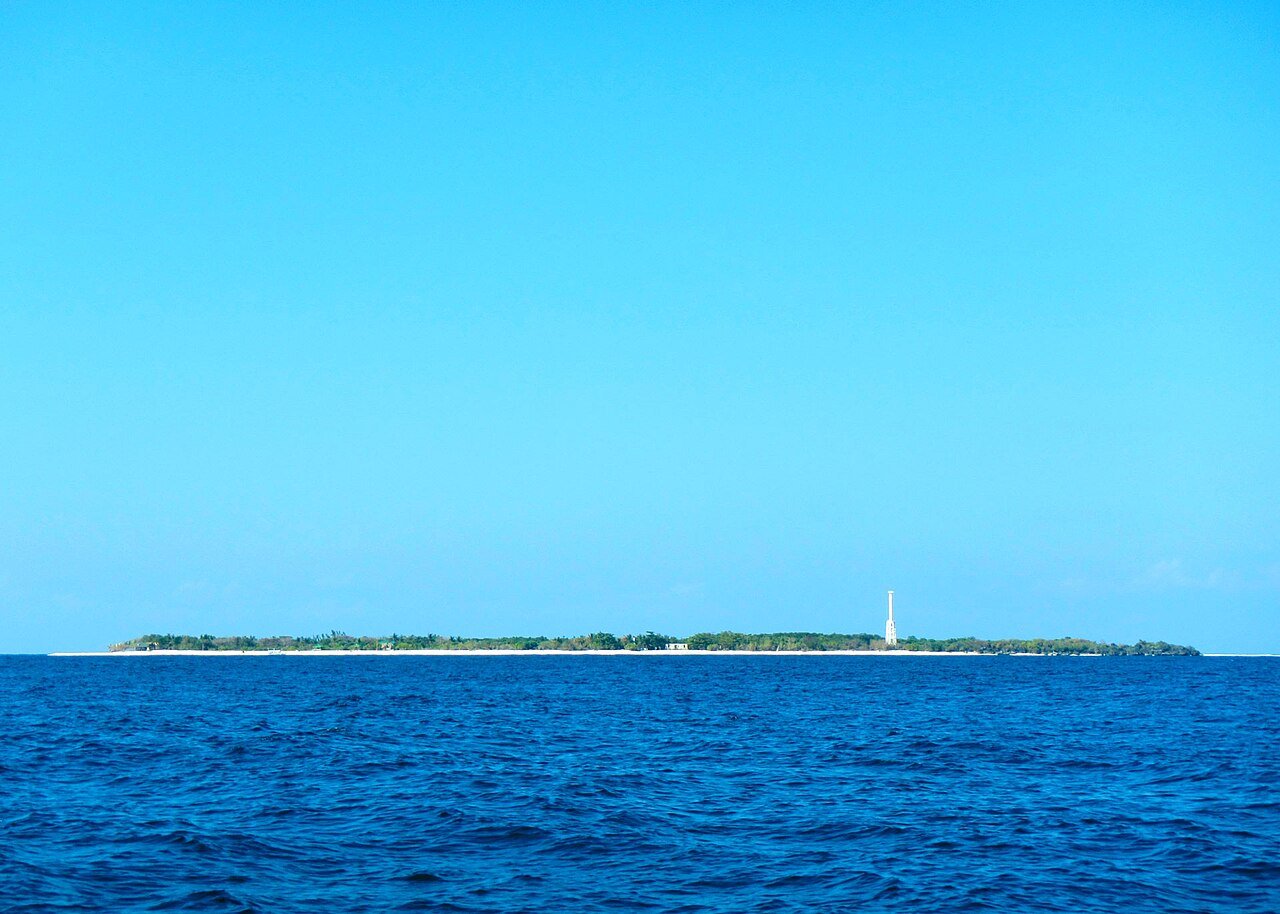

Occidental Mindoro sits on the western side of Mindoro island, facing the Mindoro Strait, and it offers a version of Philippine adventure travel that looks nothing like its more developed neighbor across the island, Oriental Mindoro and its Puerto Galera resort strip. Here the draw is one of the largest coral atolls in the world, a wilderness reserve holding the last significant population of the tamaraw, and towns that still function more as fishing and farming communities than tourist hubs. This guide covers what makes the province worth the extra effort to reach.
Apo Reef Natural Park
Apo Reef Natural Park is the headline reason most divers make the trip to Occidental Mindoro. Roughly 40 kilometers off the coast of Sablayan, it is recognized as the second largest contiguous coral reef system in the world and the largest atoll in Asia, spanning somewhere between 34 and 40 square kilometers with distinct northern and southern lagoons. The reef holds an estimated 400 to 500 coral species and hundreds of fish species, and divers regularly encounter reef sharks, manta rays, hammerheads and even thresher sharks along dramatic drop-off walls. The clearest visibility and best diving conditions run from January to April, during the dry season, and this is the window most dive operators recommend for a trip.
Diving and Staying Near Sablayan and Pandan Island
The most comfortable way to dive Apo Reef is by liveaboard, and many of these depart from Batangas, skipping the overland route through Mindoro entirely. Budget conscious travelers instead base themselves in Sablayan town or on nearby Pandan Island, about 15 minutes by boat from Sablayan, where dive resorts such as Pandan Island Dive Resort run day trips or overnight dive safaris out to the reef. The crossing itself takes around two hours each way, so day trips make for a long day on the water. For those staying overnight, basic camping is available on Apo Island itself, with tents and simple fan rooms rather than resort style accommodation, which suits the destinations overall low-key, nature-first character.
Mounts Iglit-Baco Natural Park and the Tamaraw
Inland, Mounts Iglit-Baco Natural Park spans roughly 75,000 hectares across Sablayan and Calintaan and stands as the last major stronghold of the tamaraw, a critically endangered dwarf buffalo found nowhere else on earth. Travelers can trek into the park with a free permit obtained through the Tamaraw Conservation Program office, and while sightings are never guaranteed, visitors have a genuine chance of spotting tamaraw alongside Philippine deer, wild pigs and a range of endemic birds. The park is also home to the Tau-Buid Mangyan people, adding a cultural layer to treks that can run multiple days and are best attempted during dry season when trails are more manageable.
Island Hopping Near San Jose
Around San Jose and Sablayan, a handful of island hopping options round out a beach and snorkeling itinerary. White Island, Ambulong Island, Ilin Island and Grace Island are known for coral islets, snorkeling near drop-offs, and camping for travelers who want a night away from town. These islands see far fewer visitors than comparable spots near Puerto Galera, which appeals to travelers looking for a quieter version of island hopping.
San Jose Town: The Gateway
San Jose functions as the provinces main entry point, with San Jose Airport served by Cebu Pacific and Cebgo flights direct from Manila, alongside a port with ferry connections toward Coron in Palawan. Around town, White Beach, about 30 minutes out, offers swimming and watersports, while the distinctive dark sand Aroma Beach gives a different, less crowded stretch of coast to explore. Most travelers use San Jose as a base for arranging trips out to Apo Reef or Mounts Iglit-Baco rather than a standalone beach destination.
Mamburao and the North
Mamburao, the provincial capital further north, offers Agbalala Falls, the springs at Calawagan Mountain Resort, a mangrove forest, and a relaxed bay boardwalk for an evening walk. The town and nearby Abra de Ilog are also good places to find Mangyan handicrafts, including woven nito baskets and beadwork, made by the indigenous communities who call the islands interior home.
Where to Stay: San Jose, Sablayan or Pandan Island
San Jose is the province’s transport hub and the most comfortable base if you want real restaurants, a proper grocery store, and a wider spread of hotel options, roughly from 800 pesos for a simple room up to around 2,500 pesos for the better business hotels in town. Sablayan is smaller and quieter, closer to both Apo Reef’s jump off point and the Iglit-Baco permit office, with basic guesthouses and inns generally in the 500 to 1,200 peso range. Pandan Island itself is the most atmospheric option for divers, with dedicated dive resorts running full board packages that bundle meals and boat trips into a per night rate well above a standalone room, but that also removes most of the logistics headache of arranging your own boat and meals. Campers heading to Apo Island for an overnight dive trip should expect simple tents and fan rooms rather than resort comfort, in keeping with the park’s low key character.
What a Trip to Occidental Mindoro Actually Costs
Budget for permits and guiding fees on top of transport and lodging, since almost everything worth doing here runs through a local permit system rather than a simple entrance gate. For Mounts Iglit-Baco, a basic hiking permit that gets you to Station 3 to view tamaraw runs roughly 200 to 250 pesos per person, plus a roughly 30 peso DENR environmental fee and a separate 50 peso barangay entrance fee at Poypoy. A full trekking permit up to the Mangibok summit costs more, roughly 600 pesos per person. A local guide, mandatory inside the park, runs around 1,000 pesos per day per group, and porters are available for roughly 500 pesos a day if you are carrying overnight gear. For Apo Reef, fees are collected locally through the Sablayan Tourism Office and vary by whether you are diving, snorkeling, or joining a day boat, so confirm the current rate when you arrange your trip rather than assuming a fixed number.
On top of permits, a two hour boat crossing to Apo Reef and a dive trip with a local operator will typically be your single largest expense, more than accommodation itself if you are staying in a basic room in Sablayan or camping on Apo Island.
Best Time to Visit
January through April, the dry season, is when most dive operators run trips to Apo Reef and when the seas are calmest for the crossing from Sablayan or Pandan Island. This overlaps with the cooler, drier window that also makes trekking into Mounts Iglit-Baco more comfortable underfoot. The rainy months from June through October bring rougher crossings and a higher chance that a dive trip gets cancelled or postponed at short notice, so build a buffer day or two into your itinerary if you are visiting outside the dry season.
Getting to Occidental Mindoro
From Manila, the fastest option is a direct flight into San Jose Airport. Overland and ferry travelers instead take a bus or private car to Batangas Port, then a ferry to Abra de Ilog, a crossing of about three hours, followed by a bus onward to San Jose or Mamburao. Compared to Oriental Mindoro and Puerto Galera, Occidental Mindoro remains far less developed and far less touristy, oriented toward serious divers, trekkers and nature travelers rather than the resort and nightlife scene found on the other side of the island.
One more practical note: cell signal is patchy outside San Jose and Sablayan town proper, and it disappears almost entirely once you are on the water heading to Apo Reef or inside Iglit-Baco, so download offline maps and tell someone your itinerary before you head out.
Combining Occidental Mindoro With the Rest of Your Trip
Because San Jose has its own direct flight to Manila, Occidental Mindoro works as a standalone add on rather than requiring a full loop through the island. Divers sometimes pair it with a liveaboard that also covers other Mindoro or Palawan sites, since several liveaboard itineraries departing Batangas or Puerto Galera include an Apo Reef leg alongside more established dive sites. If you are not diving, treat it as a dedicated nature and trekking trip on its own rather than trying to squeeze it into a beach focused itinerary built around Boracay or El Nido, the travel logistics do not favor combining them in a single week.
What to Skip and Honest Limitations
Set expectations before you book, not after you arrive, and this destination rewards you generously for the extra planning it demands.
Occidental Mindoro is not a place to visit if your schedule is tight or you want guaranteed plans. Boat crossings to Apo Reef and Pandan Island get cancelled in rough weather with little notice, tamaraw sightings at Iglit-Baco are never guaranteed, and the province’s tourism infrastructure, permits, guides, transport schedules, is noticeably less polished than Puerto Galera’s across the strait. Skip this destination entirely if you have less than three days total, since the travel time alone from Manila eats into a short trip, and skip the overland ferry route specifically if you get seasick easily, since the Batangas to Abra de Ilog crossing can get choppy outside the dry season. What you get in exchange for the inconvenience is genuine wilderness and a coral system with far fewer boats on it than most Philippine dive destinations, which is either worth it to you or it is not.
Plan Your Trip to Occidental Mindoro
Ready to book? Compare hotels and tours in Occidental Mindoro below.
- Search Hotels in Occidental Mindoro on Booking.com
- Compare Hotels in Occidental Mindoro on Agoda
- Find Tours and Activities in Occidental Mindoro on Klook
- Book Tours in Occidental Mindoro on GetYourGuide
Booking through these links may earn us a small commission at no extra cost to you.
More Occidental Mindoro Guides
Planning the rest of your trip? Check out our full travel guide for logistics, costs and practical tips.
For a full breakdown of accommodation across both provinces, including Sablayan for Apo Reef, see where to stay in Mindoro.
Quick FAQ
Do I need to dive to enjoy Apo Reef?
Diving is the main way to experience the reefs full range of marine life, but snorkeling trips are also available for travelers who are not certified divers, particularly around the shallower sections near Pandan Island.
Is it guaranteed that I will see a tamaraw at Mounts Iglit-Baco?
No. Sightings are never guaranteed since the tamaraw is critically endangered and lives in a large wilderness area, but travelers who trek in with a permit have a genuine, reasonable chance of spotting one along with other wildlife.
What is the best time of year to visit Occidental Mindoro?
Dry season, roughly January to April, offers the clearest water for diving at Apo Reef and the most manageable trail conditions for trekking at Mounts Iglit-Baco.
How do I get from Manila to San Jose, Occidental Mindoro?
The fastest route is a direct flight from Manila to San Jose Airport. The overland alternative is a bus or car to Batangas Port, a roughly three hour ferry to Abra de Ilog, then a bus onward to San Jose or Mamburao.
Is Occidental Mindoro the same as Puerto Galera?
No. Puerto Galera is in Oriental Mindoro, on the other side of the island, and is a far more developed resort town. Occidental Mindoro is a separate, less touristy province oriented around diving, trekking and nature travel.
How many days do I need for Occidental Mindoro?
A minimum of three days is realistic once you account for travel time from Manila, roughly one day each way including the ferry crossing, with at least one full day in between for Apo Reef or Iglit-Baco.
Is Occidental Mindoro connected to Oriental Mindoro by road?
Yes, the two provinces share the same island and are connected by a paved but mountainous road, though most travelers arrive at each province separately by ferry or flight rather than crossing overland between them.